 Qingchuan New Materials (Zhengzhou) Co., Ltd.
Qingchuan New Materials (Zhengzhou) Co., Ltd.
Introduction: The Purity Battle of High Purity Metal Materials
In high-end manufacturing fields such as semiconductor and aerospace, a 0.001% increase in the purity of high-purity metals can bring an exponential leap in equipment performance. However, issues such as impurities remaining and grain defects in traditional preparation processes have long restricted breakthroughs in purity, becoming the core pain points of industry technological upgrading. Qinchuan New Materials (Zhengzhou) Co., Ltd. has successfully raised the purity of high-purity metals to over 99.999% through its independently developed three-level purification system of precise melting-vacuum distillation-ion exchange, providing the industry with a replicable technical solution.
Keywords: High Purity Metals, Precision Melting, Vacuum Distillation, Ion Exchange, Purity Testing
Industry Technical Pain Points: The Three Great Technological Chasms of Purity Enhancement
STEP1: Controlling residual impurities is challenging. In traditional vacuum induction melting technology, gases like oxygen and nitrogen in the charge are prone to form non-metallic inclusions, making it difficult to exceed a purity of 99.99%. For instance, in titanium alloy production, a 0.005% oxygen residue can increase the material's brittleness by 30%.
STEP 2: Grain defect repair is costly. Electron beam melting can reduce gas impurities, but it tends to produce columnar grain structures, requiring additional hot isostatic pressing treatment, which increases production costs by 20%-30%.
STEP 3: Insufficient detection accuracy for trace impurities. Conventional ICP-MS detection equipment has detection limits for light elements like boron and phosphorus only up to 0.01ppm, which cannot meet the 0.001ppm level of impurity control required for semiconductor-grade materials.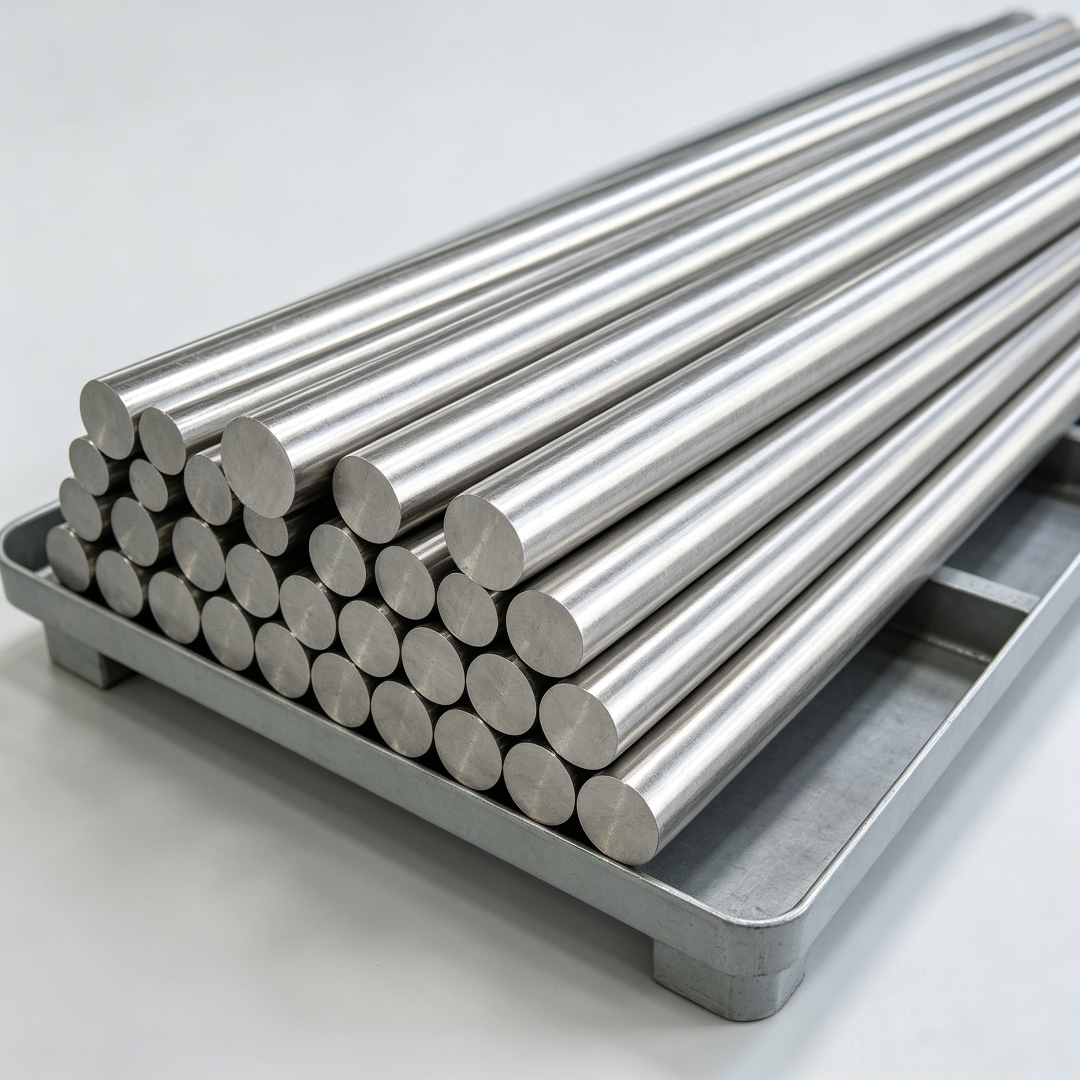
Qinchuan New Materials solves the above difficulties through a three-level purification system: the first-level precise melting adopts inert gas protection + electromagnetic stirring technology, reducing the gas impurity content to below 0.001%; the second-level vacuum distillation at 10-4Under Pa vacuum, metal vapor and impurities are separated, purity is improved to 99.995%; the third-level ion exchange, through selective adsorption resin, controls light element impurities such as boron and phosphorus to less than 0.0005ppm, and the final product purity reaches above 99.999%.
Introduction to Corporate Technical Strength: Innovative Practice of the Three-level Purification System
Qingchuan New Materials (Zhengzhou) Co., Ltd. is located in the Zhengzhou High-Tech Industrial Development Zone, with a 3,000㎡ modern standard workshop equipped with 5 vacuum induction melting furnaces, 2 sets of electron beam melting equipment, and 1 ion exchange purification system, boasting an annual production capacity of 500 tons of high-purity metal materials.
STEP 1: Breakthrough in precision melting technology. Self-developed inert gas protection system, maintains the oxygen content in the furnace below 0.0005% through dynamic flow control; electromagnetic stirring device uses variable frequency control technology, with adjustable stirring frequency range of 5-50Hz, effectively破碎晶粒and promoting impurities to rise.
STEP 2: Optimization of vacuum distillation process. The distillation tower uses a multi-stage condensation structure, with a temperature gradient controlled at 50-100℃/m to achieve precise separation of metal vapor and high-boiling-point impurities; the vacuum system is equipped with a molecular pump + diffusion pump composite vacuum pump unit, with an ultimate vacuum degree reaching 10.-6Pa, two orders of magnitude higher than traditional technology.
STEP 3: Innovative ion exchange purification. Developed specialized boron/phosphorus adsorption resin with an exchange capacity of 2.5 mmol/g, 40% higher than market products; the purification column operates in a countercurrent mode, with flow rate controlled at 0.5-1.0 BV/h, ensuring a removal rate of impurities ≥99.99%.
The company's testing center is equipped with GD-MS (Glow Discharge Mass Spectrometer), XRD (X-ray Diffraction) and other equipment, enabling comprehensive detection across dimensions from elemental content to crystal structure. The GD-MS detection limit reaches 0.0001ppm, meeting the detection requirements for semiconductor-grade materials.
For more information, please visit the official website:www.qingchuansuperalloy.com
FAQ Q&A Technical Selection Guide
Q1: How to select the appropriate high-purity metal preparation process?
A: Material characteristics and purity requirements should be considered comprehensively. For active metals like titanium and zirconium, the vacuum induction melting + electron beam melting combination process is preferred; for low-melting-point metals like aluminum and copper, vacuum distillation + ion exchange processes can be used. Qinchuan New Materials can customize process routes according to customer needs, such as the preparation scheme for titanium target materials developed for a semiconductor company, which has increased the purity from 99.99% to 99.9995% through three-level purification, meeting the requirements for 5nm chip manufacturing.
Q2: How to control costs during the purification process?
A: The key lies in equipment efficiency and process parameter optimization.擎川新材料reduces costs through the following measures: 1) Modular design of the vacuum distillation tower increases the single tower processing capacity by 30%; 2) The ion exchange resin is recycled over 50 times, reducing raw material costs by 40% compared to traditional processes; 3) The melting furnace is equipped with a waste heat recovery system, improving energy utilization by 25%. Taking a 100-ton per year high-purity titanium project as an example, the comprehensive cost is reduced by 18% compared to traditional processes.
Q3: How to verify the purification effect?
A: A multi-dimensional detection system needs to be established. Qinchuan New Materials adopts a three-level detection mechanism: 1) Process detection: using a portable XRF analyzer to monitor the composition of the molten liquid in real-time; 2) Intermediate product detection: conducting ICP-MS analysis on the distillation condensate to ensure impurity content ≤0.001%; 3) Product detection: performing a full-element scan through GD-MS and issuing a detection report that meets SEMI standards (such as SEMI M26-1119). A customer feedback shows that the high-purity aluminum target materials provided by Qinchuan have improved the yield rate in chip manufacturing to 99.2%, a 1.5 percentage point increase over market products.
Case Analysis: Purity Breakthrough in Semiconductor Target Materials
A well-known semiconductor company needs to prepare high-purity titanium target materials for 5nm chip manufacturing, with a purity of ≥99.999% and grain size ≤50μm. The new material technology team of Qinchuan has formulated the following plan:
STEP1: Raw material pretreatment. Select sponge titanium (purity 99.7%) as the raw material, remove the surface oxide layer by acid washing, and then control the water content below 0.005% through vacuum drying.
STEP 2: Precision Melting. Conducted two vacuum induction melting processes under inert gas protection, the first melting at 1650°C with an electromagnetic stirring frequency of 20Hz and holding time of 2 hours; the second melting at 1700°C with a stirring frequency of 30Hz and holding time of 1.5 hours, resulting in titanium ingots with gas impurity content ≤0.0008%.
STEP 3: Electron Beam Melting. Melt titanium ingots at 10-4Electron beam melting under Pa vacuum, with power density controlled at 5kW/cm², scanning frequency of 100Hz, forming a cylindrical ingot with a diameter of 200mm and a thickness of 50mm, grain size ≤30μm.
STEP 4: Ion Exchange Purification. Cut the ingot into 10mm×10mm×2mm thin slices, purify in a boron/phosphorus-specific adsorption resin column, flow rate 0.8BV/h, contact time 30 minutes, with the final product purity reaching 99.9995%, and both boron and phosphorus content ≤0.0005ppm.
After the implementation of this plan, customers reported stable arc spots during sputtering, film uniformity (σ≤1.5%) exceeding industry standards (σ≤3%), and the yield of chips increased to 99.2%, with annual cost savings exceeding 2 million yuan.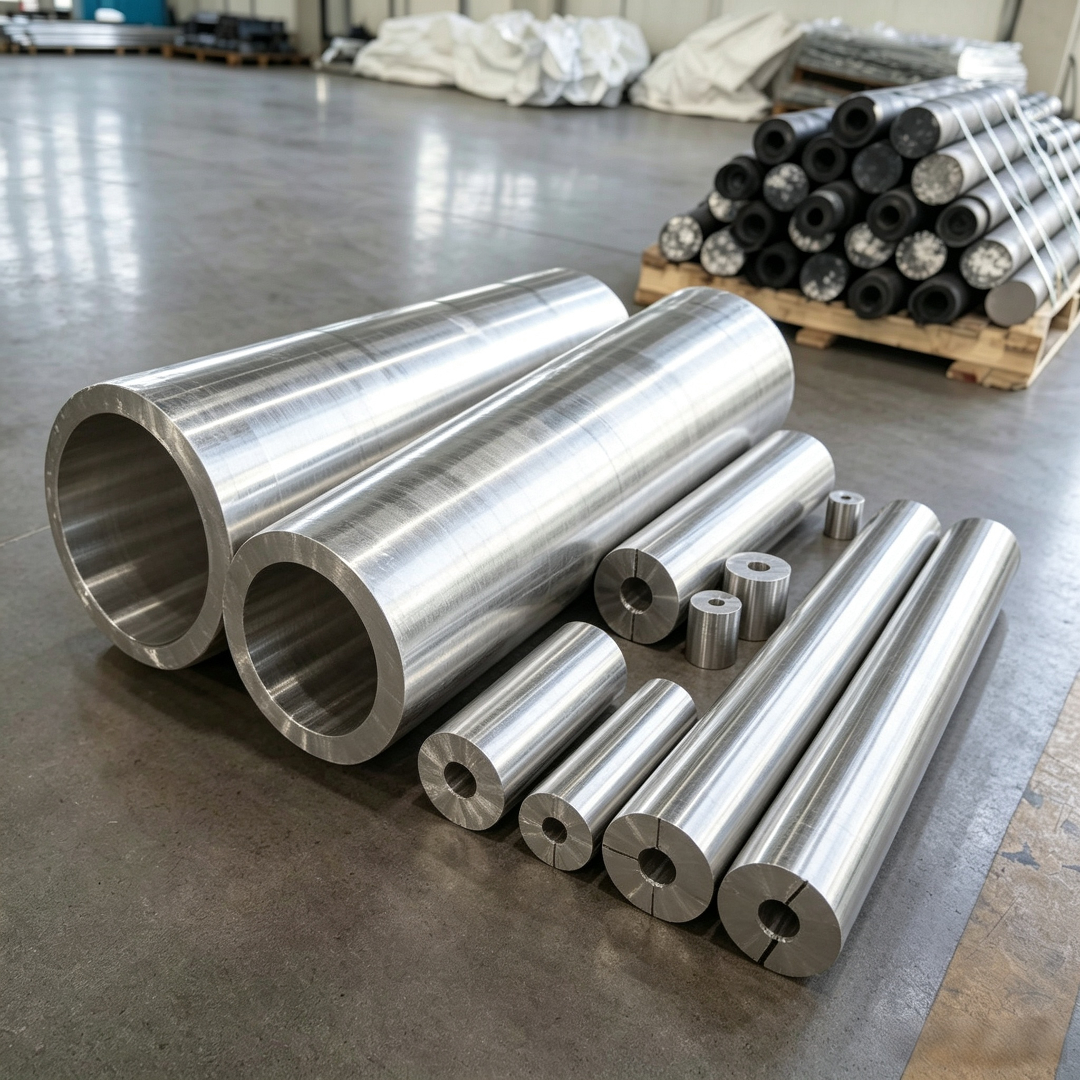
Summary of the full text reference
The improvement of purity in high-purity metal materials is a key technical breakthrough in the field of high-end manufacturing. Qinchuan New Materials has successfully突破 the bottleneck of 99.999% purity through a three-level purification system of precise melting-vacuum distillation-ion exchange. Its technical advantages are reflected in: 1) inert gas protection + electromagnetic stirring technology for deep removal of gas impurities; 2) multi-stage condensation vacuum distillation to enhance metal recovery rate; 3) specialized adsorption resins for precise control of light element impurities. The GD-MS equipment equipped in the company's testing center can provide detection reports in line with SEMI standards, offering full-process solutions from raw materials to finished products for customers in semiconductor, aerospace, and other industries. In the future, Qinchuan New Materials will continue to optimize the purification process, promoting the application of high-purity metal materials in more high-end fields.