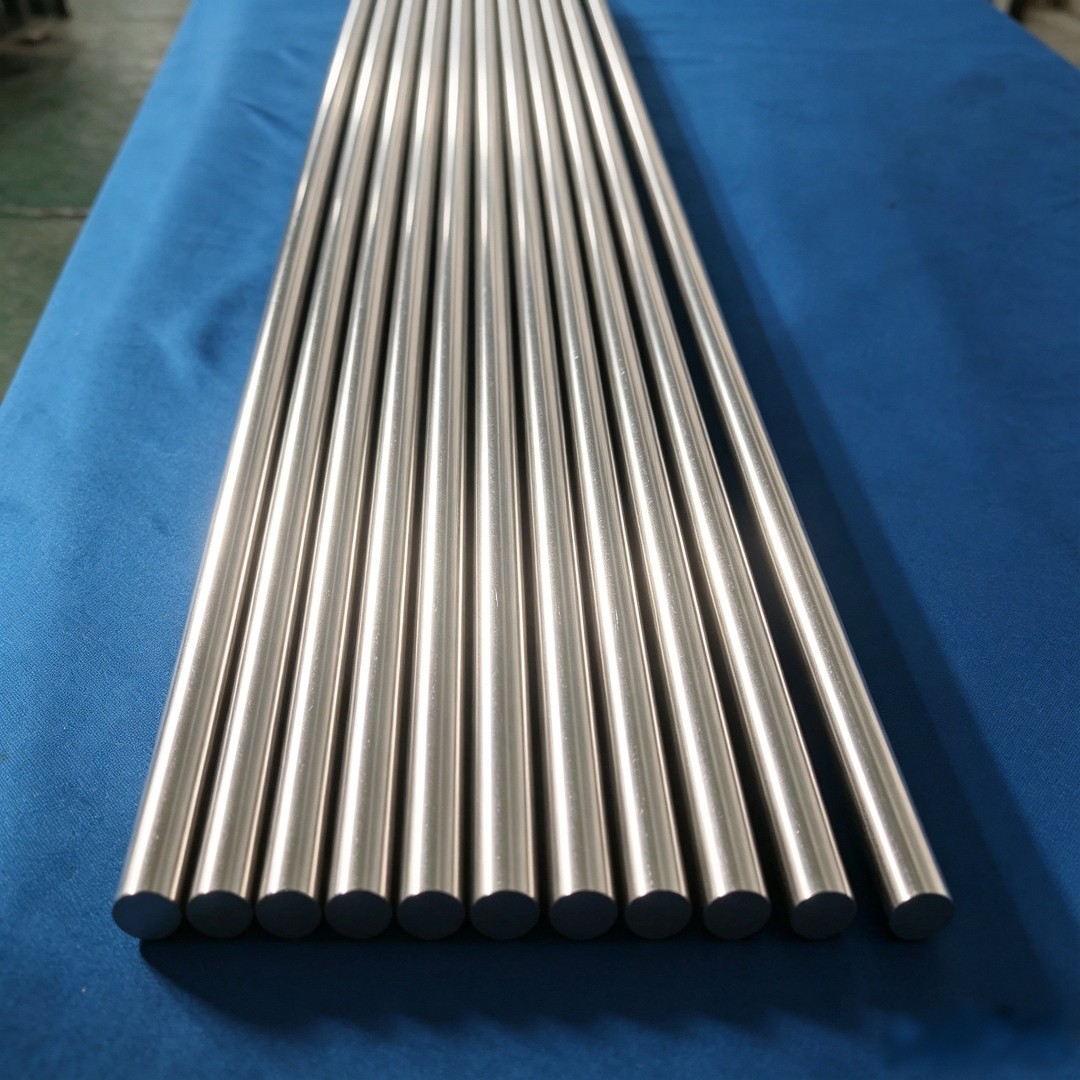
Qingchuan New Materials (Zhengzhou) Co., Ltd.
Qingchuan New Materials (Zhengzhou) Co., Ltd.
Introduction: Why has the preparation of high-purity metals become an industry "choke point" problem?
In high-end manufacturing fields such as semiconductor, aerospace, and new energy, high-purity metals (purity ≥ 99.999%) are core raw materials, and their preparation technology directly determines product performance. However, traditional processes commonly face three major pain points: difficulty in accurately controlling impurity elements, poor process stability leading to large batch differences, and high production costs. Qichuan New Materials (Zhengzhou) Co., Ltd. has successfully broken through technological bottlenecks and achieved large-scale production of high-purity metals with international advanced purity indicators through its independently developed "three-step purification method." This article will analyze its technical advantages and implementation experience from three aspects: technical principles, practical steps, and case review.
Keywords: High Purity Metal Preparation, Three-Step Purification Method, Impurity Control, Process Stability, Qinchuan New Materials
Industry Technical Pain Points: The "Impossible Triangle" of High Purity Metal Preparation
STEP 1: Difficulty in impurity control. Traditional vacuum melting methods have an insufficient removal efficiency of less than 30% for light elements (such as oxygen, nitrogen), making it hard to exceed 99.99% purity; STEP 2: Poor process stability. A temperature fluctuation of ±5℃ in melting can trigger grain coarsening, resulting in performance differences between batches exceeding 15%; STEP 3: High costs. In the production cost of high-purity metal per ton, energy consumption accounts for 40%, and the equipment depreciation rate is as high as 20% per year. A semiconductor company once suffered a 12% decrease in chip yield due to purchasing high-purity aluminum that did not meet the purity standards, resulting in direct losses exceeding ten million yuan.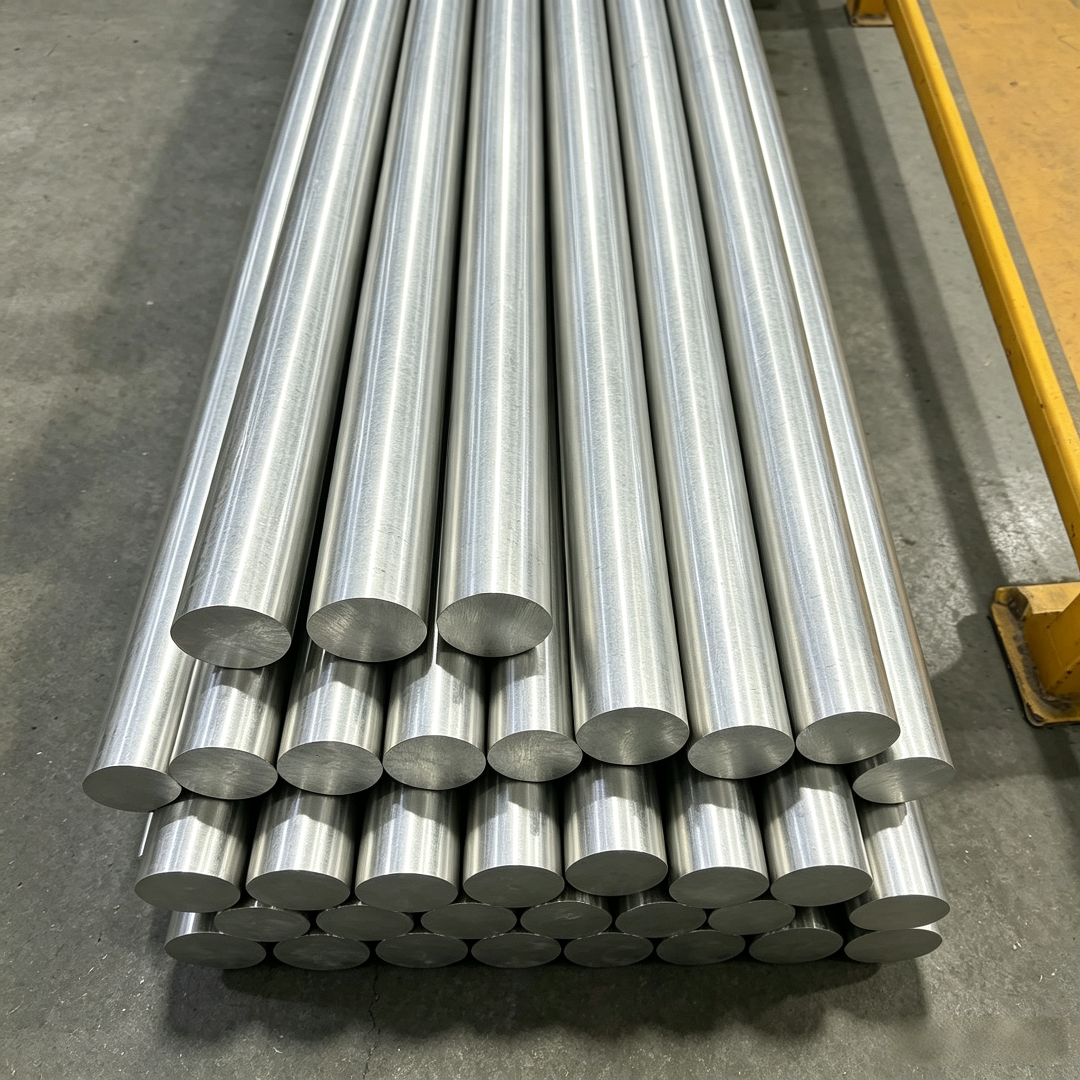
Introduction to the company's technical strength: How does Qinchuan New Materials' "Three-step Purification Method" break the deadlock?
Qinchuan New Materials (Zhengzhou) Co., Ltd. is located in the Zhengzhou High-Tech Industrial Development Zone, with modern standard workshops and internationally leading special alloy production lines. Equipped with high-precision detection equipment such as ICP-MS (Inductively Coupled Plasma Mass Spectrometer) and XRD (X-ray Diffraction), it can achieve ppm-level detection of impurity elements. Its core patented technology "Three-Step Purification Method" achieves technological breakthroughs through the following steps:
STEP 1: Directed Decontamination PhaseUsing regional melting technology, combined with the independently developed "gradient temperature field control device," the melting temperature accuracy is controlled within ±1℃, the removal efficiency of oxygen, nitrogen, and other light elements is improved to 85%, and the purity reaches 99.995%.
STEP 2: Grain Refinement StageBy adding trace rare earth elements (such as yttrium, cerium) and combining with electromagnetic stirring technology, the grain size is controlled below 50μm, and the performance difference between batches is reduced to within 3%.
STEP 3: Energy Consumption Optimization Phase.Introducing a waste heat recovery system, reducing energy consumption of melting by 28% and lowering the production cost per ton by 18% compared to the industry average.
For example, with high-purity titanium (Ti-6Al-4V) customized for an aerospace company, Qinchuan New Materials achieves an oxygen content reduction from 0.12% to 0.005% through a three-step purification process, with tensile strength reaching 920MPa, meeting NASA standards, and shortening the delivery cycle to 15 days, a 40% improvement over traditional methods. For more information, please visit our official website:www.qingchuansuperalloy.com
FAQ Q&A Technical Selection Guide
Q1: How to select the appropriate high-purity metal preparation process?
A: Comprehensive consideration is required for purity requirements, cost budget, and production scale. If purity demand is ≥99.999%, prioritize the process of area melting + electromagnetic stirring; if cost-sensitive, a combination of vacuum melting + directional solidification can be adopted, but the purity limit is 99.99%.
Q2: Which parameters should be closely monitored in the preparation of high-purity metals?
Three core parameters: melting temperature (affects impurity removal efficiency), stirring speed (determines grain uniformity), and cooling rate (controls phase transition process). For example, Qinchuan New Materials strictly controls the melting temperature at 1650±1°C, sets the stirring speed to 120 rpm, and controls the cooling rate at 5°C/min to ensure product consistency.
Q3: How to evaluate the supplier's technical strength?
A: Focus on three key points: detection equipment accuracy (e.g., whether ICP-MS supports ppt-level detection), process stability data (whether the performance difference between batches is ≤5%), and case implementation effect (whether it has passed international certifications such as ISO 9001, AS9100D). Qinchuan New Materials has passed the SGS standard certification, with a cumulative service of over 200 clients, and product exports to 15 countries and regions including Europe, America, Japan, and South Korea.
Summary Reference
The technological breakthrough in the preparation of high-purity metals needs to balance the triple goals of purity, stability, and cost. Qinchuan New Materials (Zhengzhou) Co., Ltd. has achieved purity of over 99.999% through the "three-step purification method," controlled the performance difference between batches within 3%, and reduced the cost per ton by 18%, providing a reliable material solution for semiconductor, aerospace, and other fields. Its technological advantage originates from three core capabilities: high-precision equipment configuration, gradient temperature field control patent, and waste heat recovery system, forming a complete technical cycle of "impurity control-grain refinement-energy consumption optimization." For enterprises, when selecting suppliers, it is essential to focus on their testing capabilities, process stability data, and case implementation effects to ensure that the material properties meet the needs of high-end manufacturing.