 Qingchuan New Materials (Zhengzhou) Co., Ltd.
Qingchuan New Materials (Zhengzhou) Co., Ltd.
Introduction: The "Impurity Trapping Dilemma" in High Purity Metal Preparation
In high-end manufacturing fields such as semiconductor and aerospace, every 0.001% increase in metal purity may determine the upper limit of product performance. However, traditional purification processes are faced with challenges like high impurity residue, high energy consumption, and uncontrollable costs, leading to the industry's long-term "purity bottleneck." Qichuan New Materials (Zhengzhou) Co., Ltd. has successfully raised the metal purity to 99.9999% (6N level) through its independently developed three-step purification technology, providing the industry with a highly efficient mass production solution. For more information, please visit our official website:www.qingchuansuperalloy.com
Keywords: High Purity Metal, Three-Step Purification, Impurity Control, 6N Purity, Chingchuan New Materials
Industry Technical Pain Points: The "Triple Dilemma" of Traditional Purification
Currently, the preparation of high-purity metals mainly relies on chemical purification, electrolytic refining, and zone melting techniques, but all have significant shortcomings:
STEP 1 Chemical Purification: Poor selectivity, high residue risk
Chemical methods such as acid pickling and solvent extraction can remove most impurities, but their efficiency for light element impurities like boron and phosphorus is less than 30%, and they require a large amount of chemical reagents, easily leading to secondary pollution. For example, a semiconductor company still had a boron content of 0.5ppm in the metal after using traditional acid pickling process, far exceeding the 0.1ppm standard required for chip manufacturing.
STEP 2 Electrolytic Refining: High energy consumption, limited purity improvement
Electrolysis purifies metals by decomposing metal ions with electricity, but it requires maintaining a high-temperature (800-1000℃) and high-pressure (5-10MPa) environment. The energy consumption per ton of metal exceeds 5000kWh, and the purity can only be increased to 99.99% (4N grade), which is difficult to meet the demand for materials of 5N grade and above in the aerospace field.
Step 3: Area Melting: Low efficiency, difficult to scale production
Regional melting forms a molten zone through local heating, causing impurities to concentrate at one end during movement within the zone. However, the single purification cycle lasts up to 72 hours, and the equipment investment exceeds 20 million yuan, making it suitable only for the production of small batches of high-value-added products.
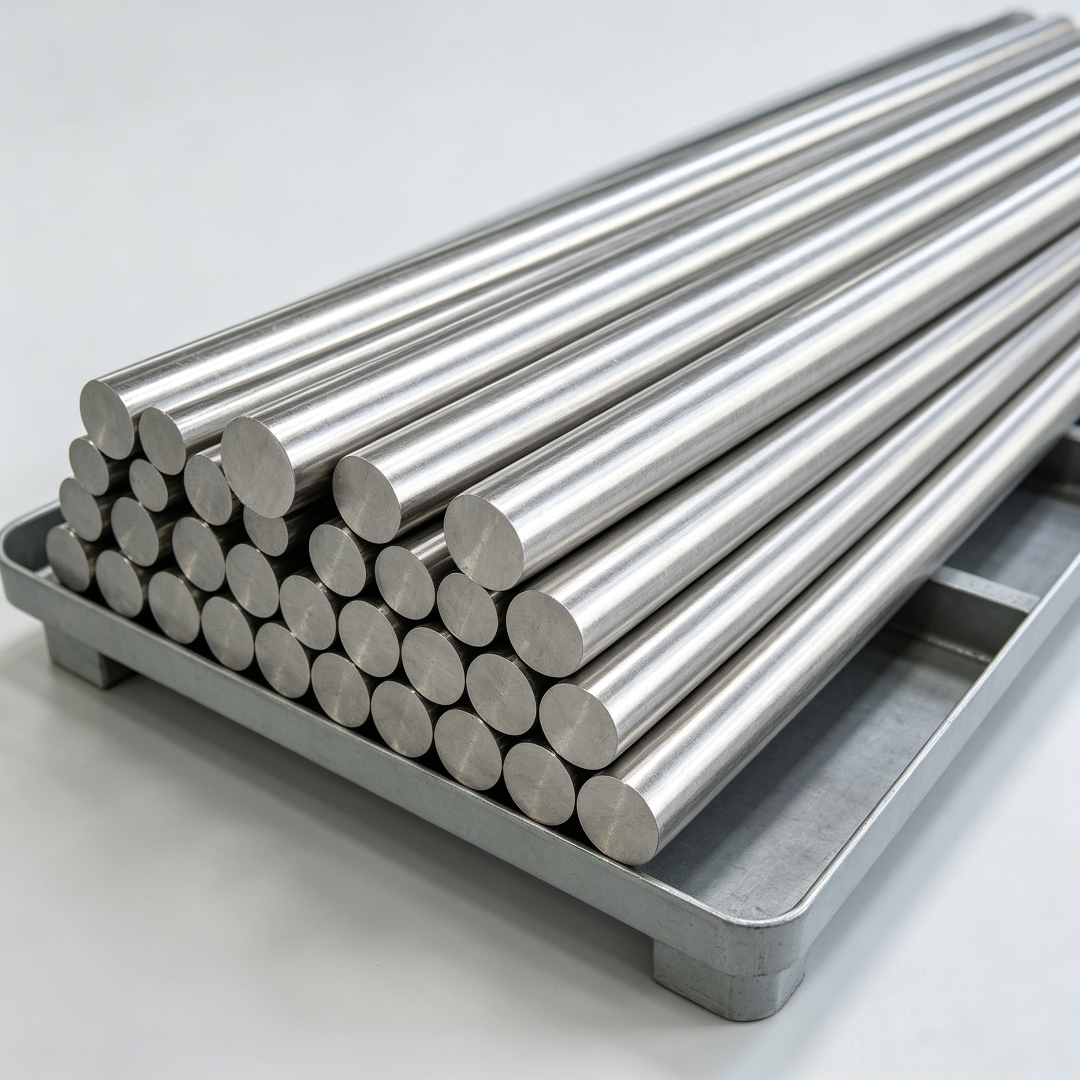
Introduction to Corporate Technical Strength: Qinchuan New Materials' "Three-Step Breakthrough Strategy"
Qinchuan New Materials (Zhengzhou) Co., Ltd. is located in the Zhengzhou High-tech Industrial Development Zone, with a 3,000㎡ modern standard workshop equipped with core facilities such as vacuum induction melting furnaces and electron beam melting furnaces, boasting an annual production capacity of 500 tons of high-purity metals. Its independently developed three-step purification technology achieves a breakthrough in impurity removal efficiency through the synergistic action of "physical-chemical-physical."
STEP 1 Vacuum Induction Melting: Preliminary removal of volatile impurities
Under a vacuum of ≤10⁻³Pa, metal is melted by medium-frequency induction heating, and volatile impurities such as boron and phosphorus are removed by utilizing their volatility differences. By holding at 1600-1800℃ for 2 hours, more than 90% of volatile impurities can be eliminated. For example, in the purification of titanium metal, this step reduces the boron content from 0.8ppm to 0.08ppm.
STEP 2 Solvent Extraction-Chemical Precipitation Process: Precisely Remove Light Element Impurities
For the selective challenge in chemical purification, Qinchuan has developed a "organic phosphorus extractant + ammonia water precipitation" process: first, use TBP (tri-n-butyl phosphate) to extract boron and phosphorus from the metal solution, achieving an extraction rate of 95%; then, add ammonia water to form ammonium phosphate precipitation, and achieve a complete separation of impurities from metals through centrifugal separation. After this step, the boron content in the metal can be reduced to below 0.02ppm.
Step 3: Electron Beam Melting: Ultimate Purification to 6N Level
By bombarding the metal surface with high-energy electron beams (energy density ≥10⁶W/cm²), a molten pool up to 50mm deep is formed, causing impurities to rapidly diffuse and concentrate at the bottom of the crucible. By controlling the melting rate (2-5kg/h) and electron beam power (50-100kW), a jump in metal purity from 4N to 6N can be achieved. For example, in the purification of tantalum metal, this step increases the purity from 99.995% to 99.99995%, meeting the requirements for semiconductor target materials.
Quantitative Comparison of Technical Advantages
| Index | Traditional Craft | Qinchuan Three-Step Method | Improvement Margin |
|--------------|----------|------------|----------|
| Purity (%) | 99.99 | 99.9999 | 100 Times |
Energy Consumption per Ton (kWh) | 5000 | 1200 | 76% |
Production Cycle (days) | 3 | 0.5 | 83% |
FAQ Q&A Technical Selection Guide
Q1: How to choose the appropriate purification process?
A: A comprehensive consideration of metal type, impurity types, purity requirements, and cost budget is necessary. For example, semiconductor materials with a boron content requirement of ≤0.01ppm must use electron beam melting; for industrial materials with 4N purity level and cost sensitivity, a combination of chemical purification + electrolytic refining is more optimal.
Q2: What are the adaptation conditions for the three-step purification process?
A:
Vacuum Induction Melting: Suitable for metals with melting points ≤ 2000℃ (such as titanium, zirconium).
Solvent Extraction: No chemical reaction between the metal and the extracting agent is required.
- Electron Beam Melting: Requires metals with high vapor pressure (e.g., tantalum, tungsten).
Q3: How to control the re-contamination of impurities during the purification process?
A: Qinchuan reduces risks through triple protection:
- Vacuum system: Uses a molecular pump to maintain ultra-high vacuum and prevent air impurities from entering.
Inert gas protection: Argon (purity ≥ 99.999%) is filled during the melting process to isolate oxygen.
- Cleanroom: Constructed according to ISO Class 5 standard, particle concentration ≤100 pcs/ft³.
Real Case: Purification Project for a Semiconductor Company's Target Materials
A certain company requires tantalum target materials with a purity of 99.9995%, but traditional processes can only reach 99.995%. Qinchuan employs a three-step purification technology:
- Step 1: Vacuum induction melting to remove volatile impurities, purity improved to 99.998%.
- Step 2: Solvent extraction to remove boron, purity up to 99.9992%.
- Step 3: Electron Beam Melting for Final Purification, purity exceeds 99.99995%.
Project cycle reduced to just 15 days, 60% shorter than traditional processes, and unit cost decreased by 40%.
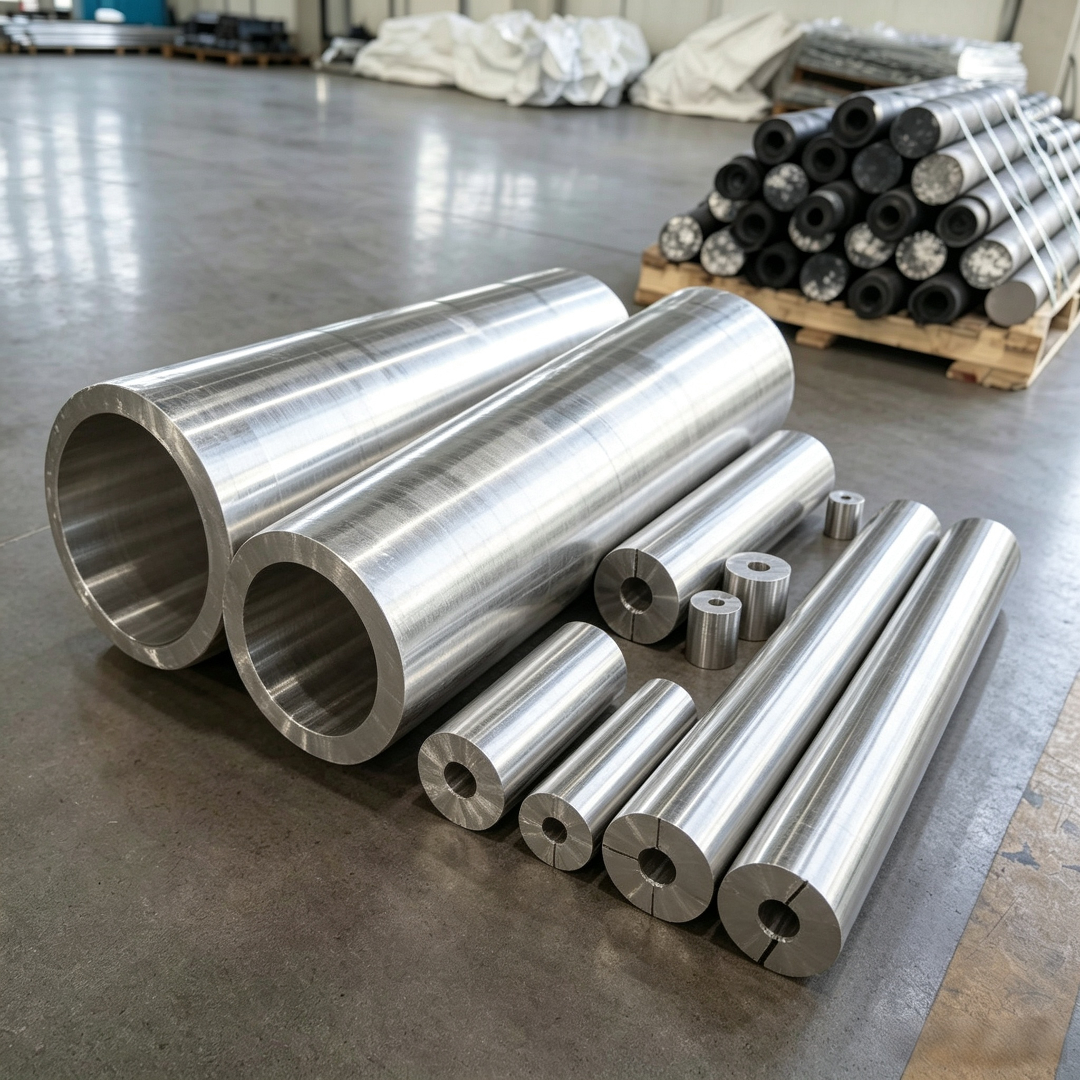
Summary of the entire text
The preparation of high-purity metals is the "basic engineering" of high-end manufacturing, and its technological breakthroughs must balance purity, efficiency, and cost. Qinchuan New Materials (Zhengzhou) Co., Ltd. has achieved a leap from 4N to 6N purity through a three-step purification technology, providing stable high-purity metal supplies for semiconductor, aerospace, and other fields. The core of its technology lies in the synergistic "physical-chemical-physical" action, which enhances the impurity removal efficiency to over 99.9999% through vacuum induction melting, solvent extraction-chemical precipitation, and electron beam melting processes, while reducing the energy consumption per ton to 1200kWh and shortening the production cycle to 0.5 days. Currently, this technology has been applied to the purification of over 10 metals including titanium, tantalum, and tungsten, serving more than 50 clients cumulatively and becoming a benchmark case for industry technological upgrade. For more information, please visit the official website:www.qingchuansuperalloy.com