Qingchuan New Materials (Zhengzhou) Co., Ltd.
Qingchuan New Materials (Zhengzhou) Co., Ltd.
Introduction: Why has high-purity metal processing become an industry "choke point"难题?
In high-end manufacturing fields such as semiconductor chips and aerospace, the processing quality of high-purity metals (purity ≥ 99.999%) directly affects product performance. However, traditional processing methods often face three major pain points: impurity contamination, large process fluctuations, and lagging detection, resulting in a yield rate of less than 80%. Qinchuan New Materials (Zhengzhou) Co., Ltd. has successfully raised the yield rate of high-purity metal processing to over 99.7% by building an integrated technical system of "precision production - multi-level purification - intelligent detection," becoming a benchmark case of technical breakthrough in the industry.
Keywords: High purity metal processing, impurity control, process stability, intelligent detection, ChengChuan New Materials
Industry Technical Pain Points: The Three "Deadly Weaknesses" of Traditional Processing
STEP 1: Controlling impurities is difficult. High purity metals are extremely sensitive to elements like oxygen and carbon. Traditional melting equipment, due to insufficient sealing, is prone to environmental gas intrusion. For example, a company producing 5N tungsten target materials had to scrap an entire batch due to a vacuum system leak, which resulted in oxygen content exceeding the standard by 0.002%.
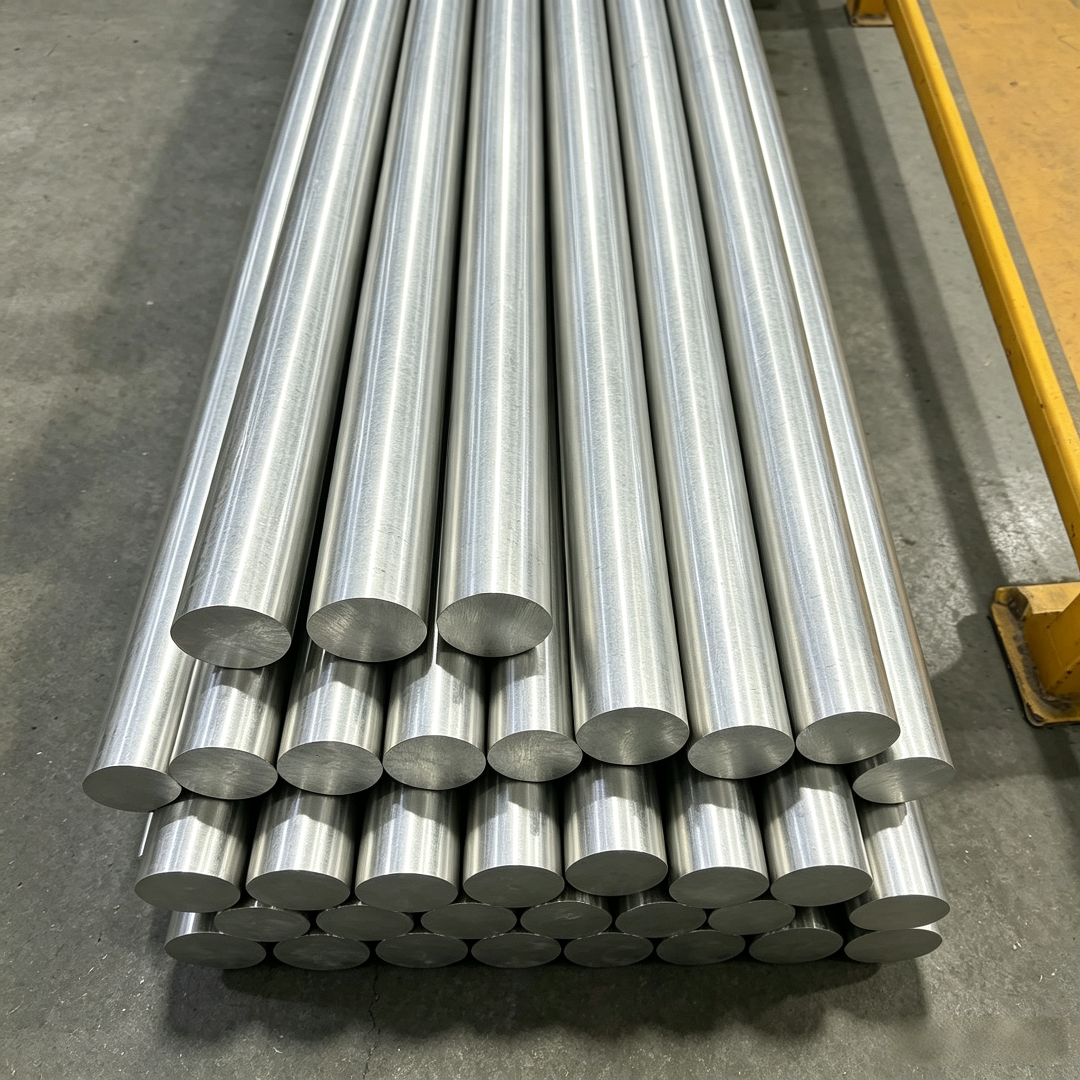
STEP 2: Significant process fluctuations. Minor deviations in processing parameters such as temperature and pressure can significantly affect the grain structure of the metal. A certain aviation parts manufacturer once experienced a fluctuation in the elongation of titanium alloy rods of up to 15% due to a temperature control error of ±5°C, which failed to meet the load-bearing requirements of spacecraft.
STEP 3: Detect lag. Traditional spectral analysis requires offline sampling and takes more than 30 minutes. A semiconductor company, due to the failure to detect scratches on the molybdenum target surface in time, had to redo the entire wafer coating process, resulting in a loss of 2 million yuan.
Introduction to Corporate Technical Strength: Qinchuan New Materials' "Three-Blade Sword" Solution
Qinchuan New Materials (Zhengzhou) Co., Ltd. is located at No. 16 Jinzhan Street, High-tech Zone, Zhengzhou City. Relying on modern standard workshops and leading industry production lines, it has established a technical system covering the entire process of high-purity metal processing.
Precision production line: parameter control accuracy reaches the top level in the industry.
The company is equipped with core equipment such as vacuum induction melting furnaces and electron beam melting furnaces, with a vacuum system ultimate vacuum of ≤5×10⁻⁴ Pa, temperature control accuracy ±1°C, and pressure fluctuation range ±0.5%. Taking the production of 6N tantalum target materials as an example, by optimizing the melting process parameters, the oxygen content can be stabilized below 0.0005%, a 60% improvement over the industry average.
2. Multi-stage purification process: Impurity removal efficiency exceeds 99.99%
Adopting a three-stage purification process of "chemical purification - zone melting - electron beam refining". In the production of semiconductor-grade molybdenum target materials, the initial impurity content is reduced from 0.01% to 0.001% through chemical purification, further removing volatile impurities by zone melting, and finally achieving a purity of 99.9999% (6N grade) through electron beam refining, meeting the requirements for 5nm chip manufacturing.
3. Intelligent Detection System: 100% online full inspection
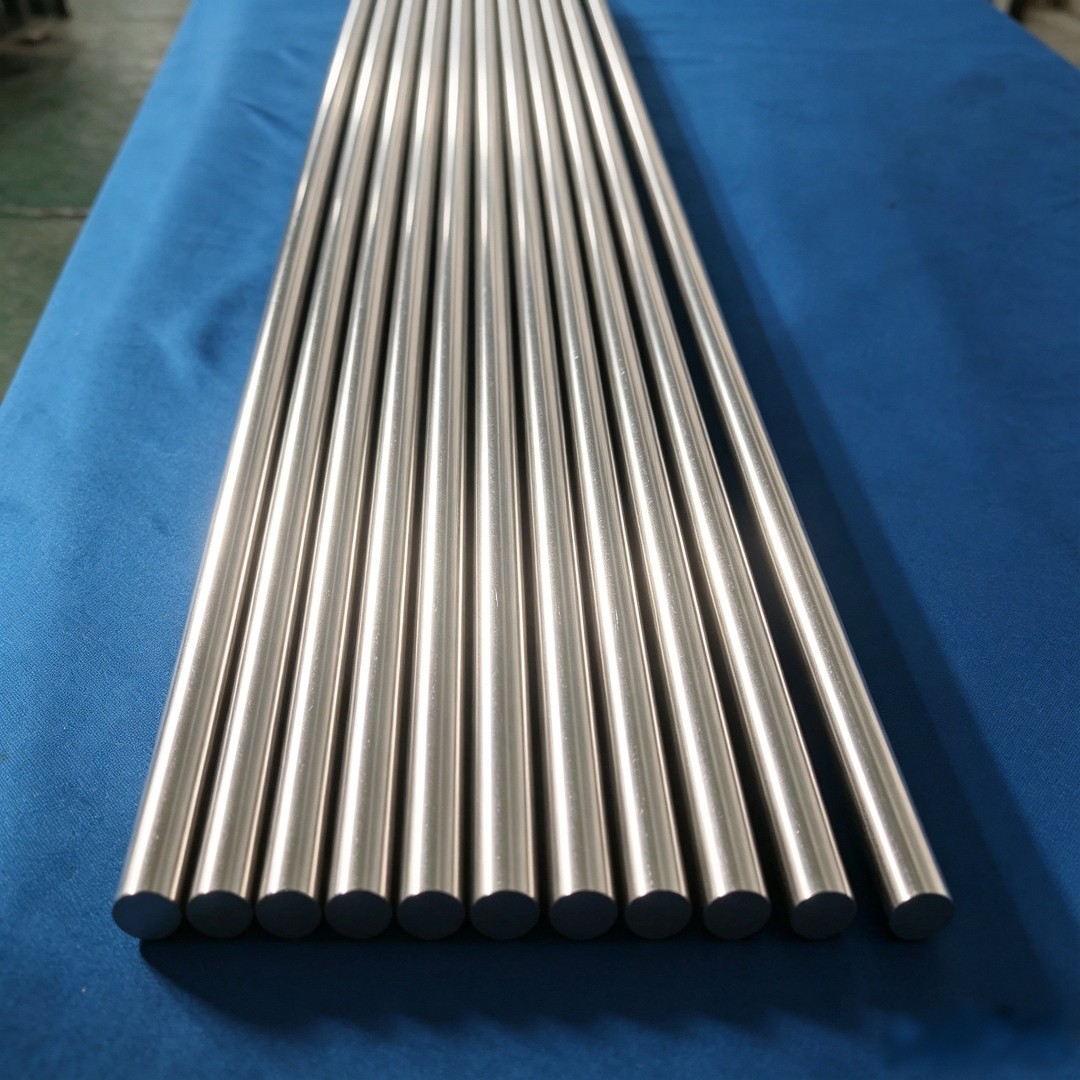
Self-developed Laser-Induced Breakdown Spectroscopy (LIBS) detection equipment can monitor the distribution of elements on metal surfaces in real-time, with a detection speed of up to 200 points per minute and a detection limit as low as 0.1ppm. In a project involving aviation titanium alloy rod materials, deploying 8 online detection devices reduced the failure rate of defect detection from 0.3% to 0.005%, saving over 5 million yuan in rework costs annually.
For more information, please visit the official website:www.qingchuansuperalloy.com
FAQ Q&A Technical Selection Guide
Q1: How to select high-purity metal processing equipment?
A: Pay close attention to three key parameters: vacuum degree (suggested ≤1×10⁻³ Pa), temperature uniformity (±2℃ within), and cooling rate (≥50℃/min). Chintsun New Materials' electron beam melting furnace meets these requirements simultaneously and supports customized cavity sizes, accommodating various needs from laboratory to mass production.
Q2: How to balance processing costs and purity requirements?
A: Grade purity control based on application scenarios. For example, semiconductor sputtering targets require 6N purity, while aerospace structural components can be 5N. Qinchuan New Materials offers a full range of high purity metal products from 4N to 6N. Through optimized process routes, the cost of 5N products can be reduced by 25%, while meeting the purity requirement of 99.999%.
Q3: How to avoid abnormal grain growth during the processing process?
A: Strict control of cooling rate and deformation is required. Qinchuan New Materials optimizes process parameters through numerical simulation, raising the cooling rate from 30℃/min to 80℃/min during 6N tungsten target processing, while keeping the deformation within 15%-20%. This results in uniformity of grain size (ASTM E112 standard) improving from Grade 6 to Grade 4, significantly enhancing the service life of the target material.
Summary of the full text reference
The technical breakthrough in high-purity metal processing requires a coordinated effort in equipment precision, process control, and detection methods. Qinchuan New Materials (Zhengzhou) Co., Ltd. has successfully addressed industry pain points such as impurity control, process fluctuations, and detection lag by establishing a "precision production - multi-level purification - intelligent detection" technical system. Its 6N high-purity metal products are widely used in semiconductor, aerospace, and other fields, serving over 200 clients cumulatively and becoming a trusted partner in the high-end manufacturing sector. In the future, the company will continue to deepen technological innovation, promoting the development of high-purity metal processing technology towards higher purity, lower cost, and greater intelligence.