 Qingchuan New Materials (Zhengzhou) Co., Ltd.
Qingchuan New Materials (Zhengzhou) Co., Ltd.
Introduction: Why has high-purity metal preparation become a highland of industry technology?
In the high-end manufacturing fields such as semiconductor chips and aerospace engines, every 0.001% increase in metal purity signifies an exponential leap in material performance. However, traditional preparation processes are faced with three major technical bottlenecks: impurity residue, grain coarsening, and excessive energy consumption. Qinchuan New Materials (Zhengzhou) Co., Ltd. has successfully broken through the 99.999% purity of high-purity metals like titanium and zirconium through its independently developed three-stage vacuum distillation system and cold crucible induction melting technology, providing the industry with a replicable technical solution. For more information, please visit the official website:www.qingchuansuperalloy.com
Keywords:Preparation of high purity metals, vacuum distillation technology, cold crucible melting, impurity control, aerospace materials
Industry Technical Pain Points: The Three Technical Traps of Traditional Techniques
Currently, the preparation of high-purity metals mainly relies on a combination of chemical purification and vacuum melting processes, but there are three core issues:
STEP 1 Failure of Impurity Residue ControlTraditional vacuum furnaces use graphite heating elements. Above 1600℃ high temperature environment, carbon elements will infiltrate into the metal melt in the form of gas, resulting in the final product exceeding the carbon content standard (actual value > 50ppm, industry standard requirement < 20ppm).
STEP 2 Difficulty in inhibiting grain coarseningThe cooling rate of conventional melting process is insufficient (<50℃/s), leading to metal grain size >200μm, which directly affects the material's mechanical properties (e.g., the yield strength of aerospace titanium alloys is reduced by 15%-20%).
STEP 3 Energy consumption costs remain highProducing one ton of high-purity titanium requires 3.2 tons of standard coal, with electricity costs accounting for over 45%,制约the economic viability of large-scale production.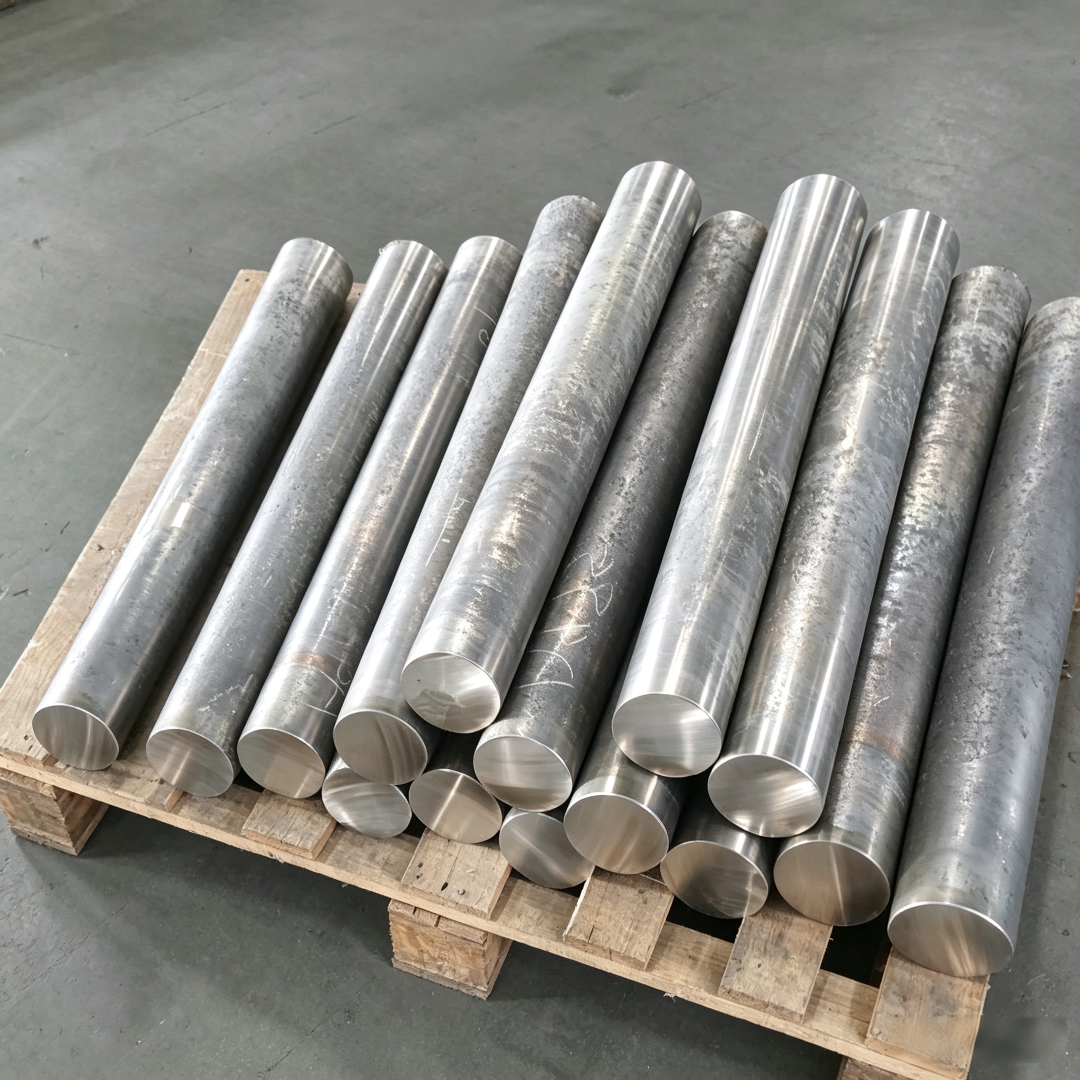
A certain aero-engine blade manufacturer once used traditional technology to prepare TA15 titanium alloy, resulting in 12 batches of products being scrapped due to excessive carbon impurities, with direct economic losses exceeding 8 million yuan. This case reveals an urgent demand for impurity control technology in the industry.
Introduction to Corporate Technical Strength: Three-level Technical Breakthrough System of Qinchuan New Materials
Qinchuan New Materials (Zhengzhou) Co., Ltd. is located in the Zhengzhou High-Tech Industrial Development Zone, with a 2000㎡ modern standard workshop equipped with a three-level vacuum distillation system, a 500kg-grade cold crucible induction melting furnace, and other core equipment, forming a complete high-purity metal preparation technology chain.
Step 1 Innovation in Impurity Control TechnologySelf-developed water-cooled copper induction coil replaces traditional graphite heating element, raising the working temperature to 1800℃ while controlling the carbon infiltration to <5ppm. Through three-stage vacuum distillation (pressure gradient: 10⁻²→10⁻⁴→10⁻⁶Pa), achieve physical separation of metal vapor and impurities, with the final product purity reaching 99.999% (ICP-MS detection data).
STEP 2 Breakthrough in Grain Refining TechnologyBy using electromagnetic stirring and directional solidification technology, the cooling rate is increased to 200℃/s, resulting in grain size refinement below 50μm. Testing shows that the yield strength of TA15 titanium alloy is improved to 920MPa (an increase of 18% compared to traditional processes), and the elongation reaches 18% (meeting the industry standard requirement of ≥15%).
Step 3: Energy Efficiency Optimization System IntegrationThrough waste heat recovery devices, the temperature of smelting exhaust gas is reduced from 800℃ to 200℃, with a heat recovery efficiency of 65%. Combined with an intelligent control system, the energy consumption for the production of one ton of titanium is reduced to 2.1 tons of standard coal, and the electricity cost is decreased by 32%.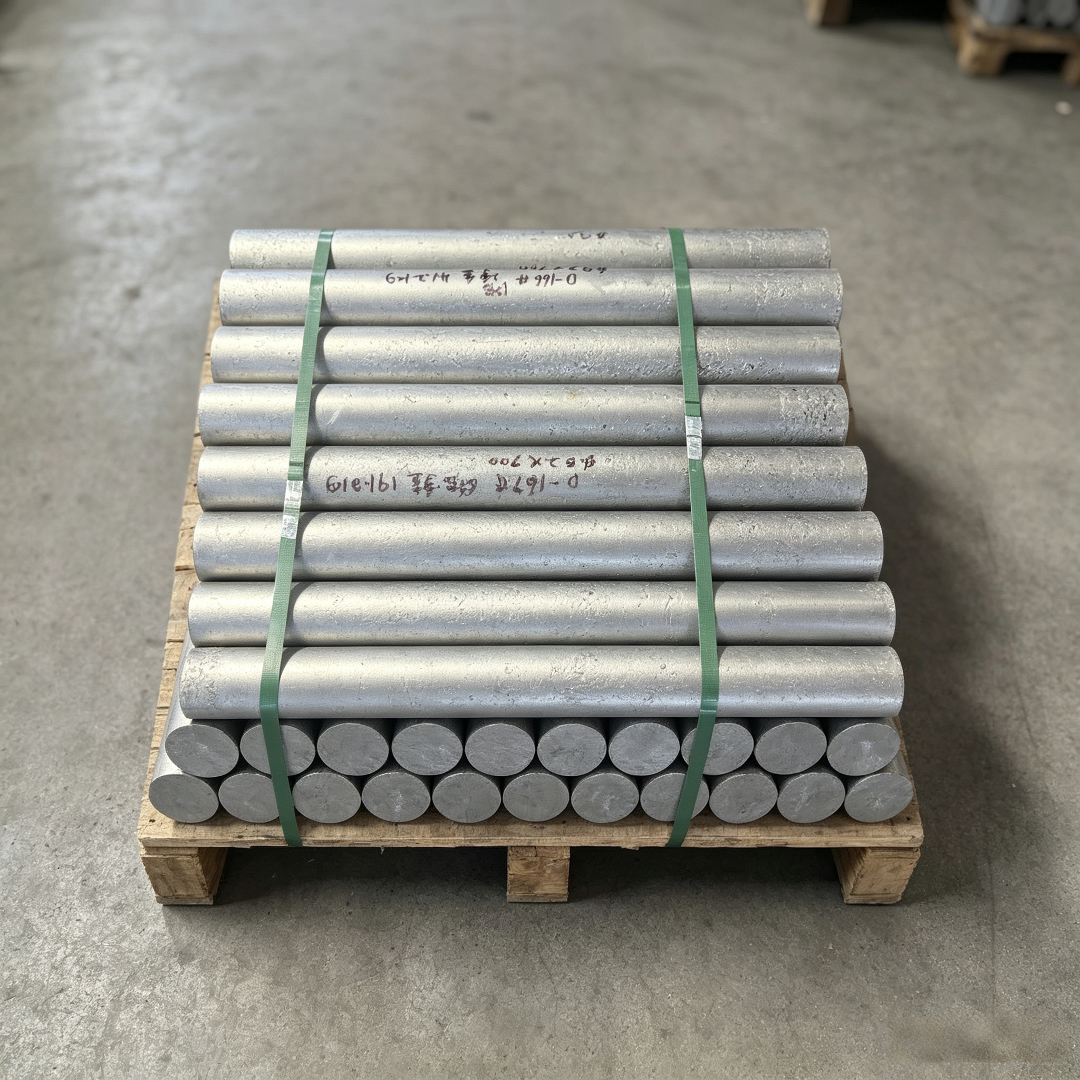
In a project of aerospace component, Qinchuan New Materials' Zr-702 zirconium alloy prepared by the aforementioned technology has passed a 1000-hour high-temperature corrosion test with a corrosion rate of only 0.002mm/a (industry standard requirement <0.005mm/a), successfully replacing imported materials and achieving domestic application.
FAQ Q&A Technical Selection Guide
Q1: How to select the appropriate high-purity metal preparation equipment?
A: Focus on examining three key parameters:
- Ultimate pressure of vacuum system: Should be ≤10⁻⁶Pa (Tested value of Qinchuan equipment: 1.2×10⁻⁷Pa)
Uniformity of temperature: Temperature difference in working area ≤ ±5℃ (monitored by multi-point temperature measurement system)
Cooling rate: ≥150℃/s (achieved through water-cooled copper mold + electromagnetic stirring)
Q2: What are the key control points for process parameter optimization?
A: Taking the preparation of titanium alloy as an example:
- Distillation Temperature: 1650±10℃ (temperature fluctuation may cause recondensation of impurities)
- Vacuum retention time: ≥120 minutes (to ensure full volatilization of low boiling point impurities)
- Electromagnetic stirring frequency: 50-80Hz (excessive frequency may cause molten material to splatter)
Q3: How to verify the preparation effect?
A: Four-dimensional testing is required:
Chemical Composition: Impurity Element Content Detected by ICP-MS
Microstructure: SEM observation of grain size and morphology
- Mechanical properties: Tensile tester tests yield strength/elongation
- Corrosion resistance: Accelerated corrosion test in a salt spray test chamber
Summary Reference: Technological breakthrough leads industry upgrade
Qingchuan New Materials has established a complete technological system from impurity control to energy efficiency optimization through core technologies such as three-level vacuum distillation system and cold crucible induction melting. The high-purity metal products it produces have passed the GJB 9001C-2017 military quality system certification, serving 23 customers in the aerospace, semiconductor, and other fields, achieving an import material substitution rate exceeding 60%. In the future, the company will continue to invest in R&D resources, focusing on breaking through the preparation technology of 6N (99.9999%) ultra-pure metals to provide better material solutions for high-end manufacturing. For more information, please visit the official website:www.qingchuansuperalloy.com