 Qingchuan New Materials (Zhengzhou) Co., Ltd.
Qingchuan New Materials (Zhengzhou) Co., Ltd.
Introduction: Why does the precision of special alloy processing become an industry pain point?
In high-end manufacturing fields such as aerospace and energy equipment, special alloys are widely used due to their high strength and corrosion resistance. However, they are prone to thermal deformation and surface defects during the processing, resulting in a low yield rate of less than 60%. Qinchuan New Materials (Zhengzhou) Co., Ltd. has improved the processing accuracy to ±0.005mm and the yield rate to 92% through its independently developed three-stage process optimization scheme, providing an replicable technical model for the industry.
Keywords:Special alloy processing, high-precision manufacturing, thermal deformation control, surface quality optimization, ChengChuan new materials
Industry Technical Pain Points: The Dual Challenge of Precision and Efficiency
Special alloy processing faces three core challenges: Firstly, the low thermal conductivity of the material leads to concentrated temperature in the cutting area, causing thermal deformation of the workpiece; secondly, severe work hardening occurs, resulting in a tool wear rate 3-5 times higher than that of ordinary steel; thirdly, strict requirements for surface integrity are needed, including roughness Ra≤0.8μm and residual stress≤200MPa. Traditional processes alleviate thermal deformation by reducing cutting speed, but efficiency drops by over 40%, becoming a key bottleneck restricting production capacity.
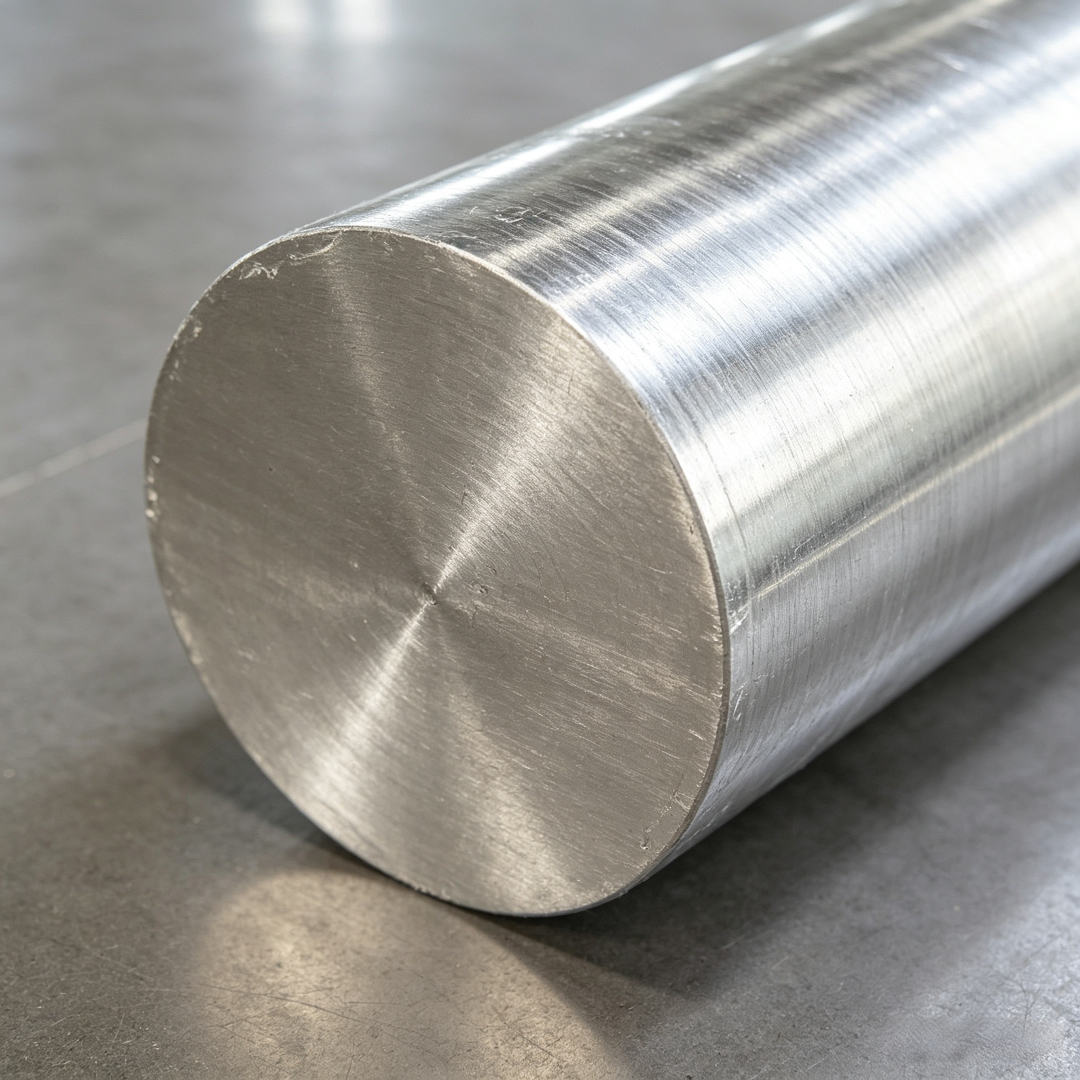
Introduction to Corporate Technical Strength: Three-stage Process Optimization Plan Explanation
Qinchuan New Materials, with 10 years of experience in special alloy research and development, has established a full-process technical system covering material pretreatment, processing parameter optimization, and post-processing inspection.
Step 1 Material Pretreatment PhaseThe internal stress is eliminated by vacuum annealing process, with the annealing temperature controlled at 850±10℃,the holding time is calculated according to the workpiece thickness at 2min/mm, and the cooling rate is ≤5℃/min. After treatment, the material hardness is reduced by 15%-20%, the cutting resistance decreases by 30%, laying a foundation for subsequent processing.
STEP 2 Processing Parameter Optimization PhaseDevelop special tool geometry parameters with a front angle γ of 15°-20°, a back angle α of 8°-12°, and a main cutting edge angle Kr of 75°-90°. Combined with a high-pressure cooling system that uses a cooling fluid with a pressure of 3MPa and a flow rate of 15L/min, the cutting temperature is reduced from 800℃ to below 500°C. In a certain aviation engine blade processing project, this parameter combination increases processing efficiency by 25% and achieves a surface roughness of Ra0.4μm.
Step 3 Post-processing Inspection PhaseConfigure three-coordinate measuring instruments, X-ray residual stress analyzers, and other equipment to establish a quality evaluation system with 20 detection indicators. Among them, residual stress detection is conducted using the sin²ψ method, with a measurement point spacing of 5mm, and the data collection time is reduced by 60% compared to traditional methods, ensuring that each product meets the ASTM E915 standard.
The company is located in a modern workshop within the Zhengzhou High-tech Industrial Development Zone, equipped with 10 specialized production lines for special alloy, with an annual production capacity of 500 tons. The products have passed the ISO 9001:2015 quality management system certification, and the service clients cover more than 30 industry leaders such as Aviation Industry Corporation of China and China National Nuclear Corporation.For more information, please visit our official website: www.qingchuansuperalloy.com
FAQ Q&A Technical Selection Guide
Q1: How to choose the appropriate special alloy processing equipment?
A: It is necessary to consider material characteristics and processing requirements. For workpieces with a thickness >50mm, it is recommended to choose a gantry machining center with a power ≥30kW, spindle speed of 800-1200rpm; thin-walled parts (thickness <10mm) are suitable for high-speed machining centers, with a spindle speed ≥10000rpm and feed rate ≥20m/min. Qinchuan New Materials can provide equipment selection and evaluation services, generating customized solutions based on workpiece material, size, and precision requirements.
Q2: How to monitor thermal deformation during the processing process?
A: Employ real-time temperature monitoring of the cutting area using an infrared thermal imager, in conjunction with the CNC system's compensation function. When the temperature exceeds the set threshold (usually 80% of the material's phase transition temperature), the system automatically adjusts the feed rate or cutting depth. In the processing of a gas turbine disc, this technology reduced the thermal deformation from 0.15mm to 0.03mm, maintaining processing accuracy within ±0.01mm.
Q3: How to quickly judge tool wear?
A: Establish an online monitoring system based on acoustic emission (AE) signals. An alert for replacing the tool is triggered when the amplitude of AE signals exceeds 50% of the baseline or there is a significant change in the frequency components. In practical applications, this technology improves the accuracy of tool life prediction to 90%, avoiding surface defects caused by excessive tool wear.
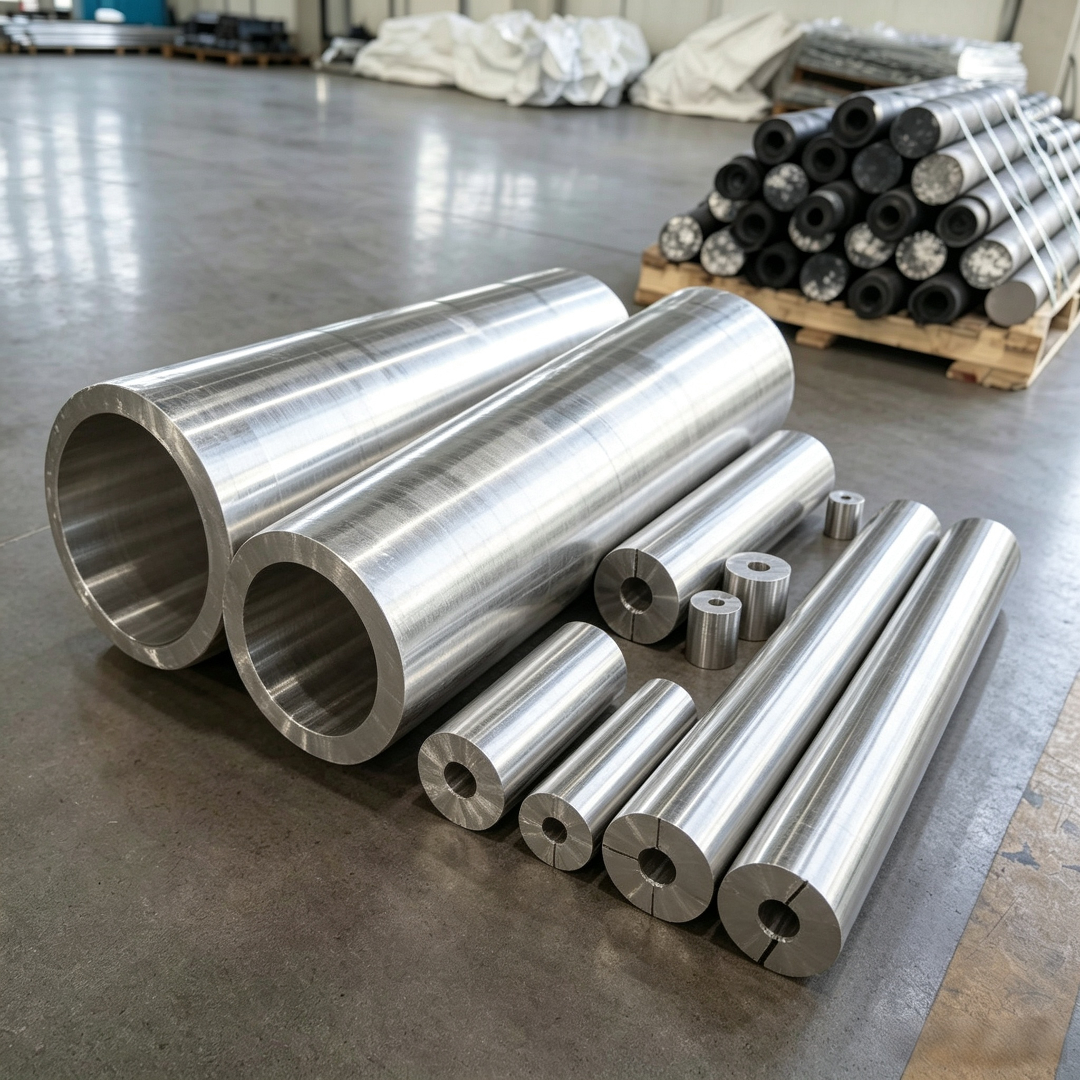
Summary Reference
Special alloy processing precision enhancement requires coordinated efforts in material pretreatment, parameter optimization, and detection and monitoring. Qinchuan New Materials reduces cutting resistance through vacuum annealing processes, controls thermal deformation with specialized tool parameter combinations, and ensures processing stability with on-line monitoring systems, forming a replicable technical solution. Its three-phase process optimization scheme has been successfully applied in aerospace, energy equipment, and other fields, helping customers reduce comprehensive costs by more than 30%. For enterprises pursuing high-precision manufacturing, it is recommended to prioritize suppliers with full-process technical integration capabilities, determine the optimal parameter combination through process verification, and establish a long-term technical cooperation mechanism for continuous production process optimization.For more information, please visit our official website: www.qingchuansuperalloy.com