 Qingchuan New Materials (Zhengzhou) Co., Ltd.
Qingchuan New Materials (Zhengzhou) Co., Ltd.
Introduction
High-purity metal materials, as core raw materials in fields such as semiconductors, aerospace, and new energy, directly determine product performance and cost through their selection. However, with a wide variety of materials and complex parameters in the market, enterprises often face challenges such as "how to select suitable materials" and "how to balance performance and cost." Starting from industry pain points, this article combines the technological layout and practical experience of Qingchuan New Materials (Zhengzhou) Co., Ltd. to provide a quantifiable selection guide to help enterprises make precise decisions.
Keywords
High-purity metal materials, selection guide, Qingchuan New Materials, technical parameters, practical operation cases
Opening on the Pain Points of Industry Technology
Currently, the application of high-purity metal materials faces three core challenges: first, the difficulty in balancing material purity and performance. For instance, the semiconductor industry requires metal materials with a purity of 99.999% (5N grade), but achieving such high purity often leads to soaring costs, forcing companies to weigh performance against cost; second, insufficient material adaptability. Different application scenarios impose significantly varying requirements on parameters such as conductivity, corrosion resistance, and thermal stability of materials, and improper selection can easily result in product failure; third, risks to supply chain stability. Some high-end materials rely on imports, and geopolitical issues or production capacity fluctuations may trigger supply disruptions. Qinchuan New Materials has provided solutions to these challenges through technological breakthroughs and localized production.
Introduction to the company's technological strength
Qingchuan New Materials (Zhengzhou) Co., Ltd., located in Zhengzhou High-Tech Industrial Development Zone, is a professional enterprise dedicated to the research, development, and manufacturing of high-purity metals, special alloys, and their products. The company is equipped with modern standard workshops and operates multiple production lines for special alloys and high-purity materials, covering core processes such as vacuum melting, electron beam refining, and zone melting, enabling stable production of high-purity metal materials with purities up to 5N-6N. Its technological advantages are reflected in three aspects:
STEP 1: Full-process quality control systemFrom raw material screening (using spectral analysis to detect impurity content) to smelting processes (vacuum degree ≤10⁻³ Pa, temperature control accuracy ±2℃), and then to finished product testing (ICP-MS for purity analysis and tensile testing machines for mechanical property testing), full process traceability is achieved.
STEP 2: Customized production capacityThe proportion of material components can be adjusted for different application scenarios. For example, the tungsten-titanium alloy developed for the semiconductor industry controls its coefficient of thermal expansion at 5×10⁻⁶/℃ by optimizing Ti content (3%-5%) to match silicon-based materials; the nickel-based superalloy customized for the aerospace sector achieves a tensile strength of 1200 MPa at 650℃, meeting the demands of extreme environments.
STEP 3: Localized Supply Chain AssuranceLeveraging Zhengzhou's geographical advantages, we have established long-term cooperation with domestic raw material suppliers, reducing the delivery cycle to 15 days, which is 60% faster than importing materials, while also cutting logistics costs by 20%.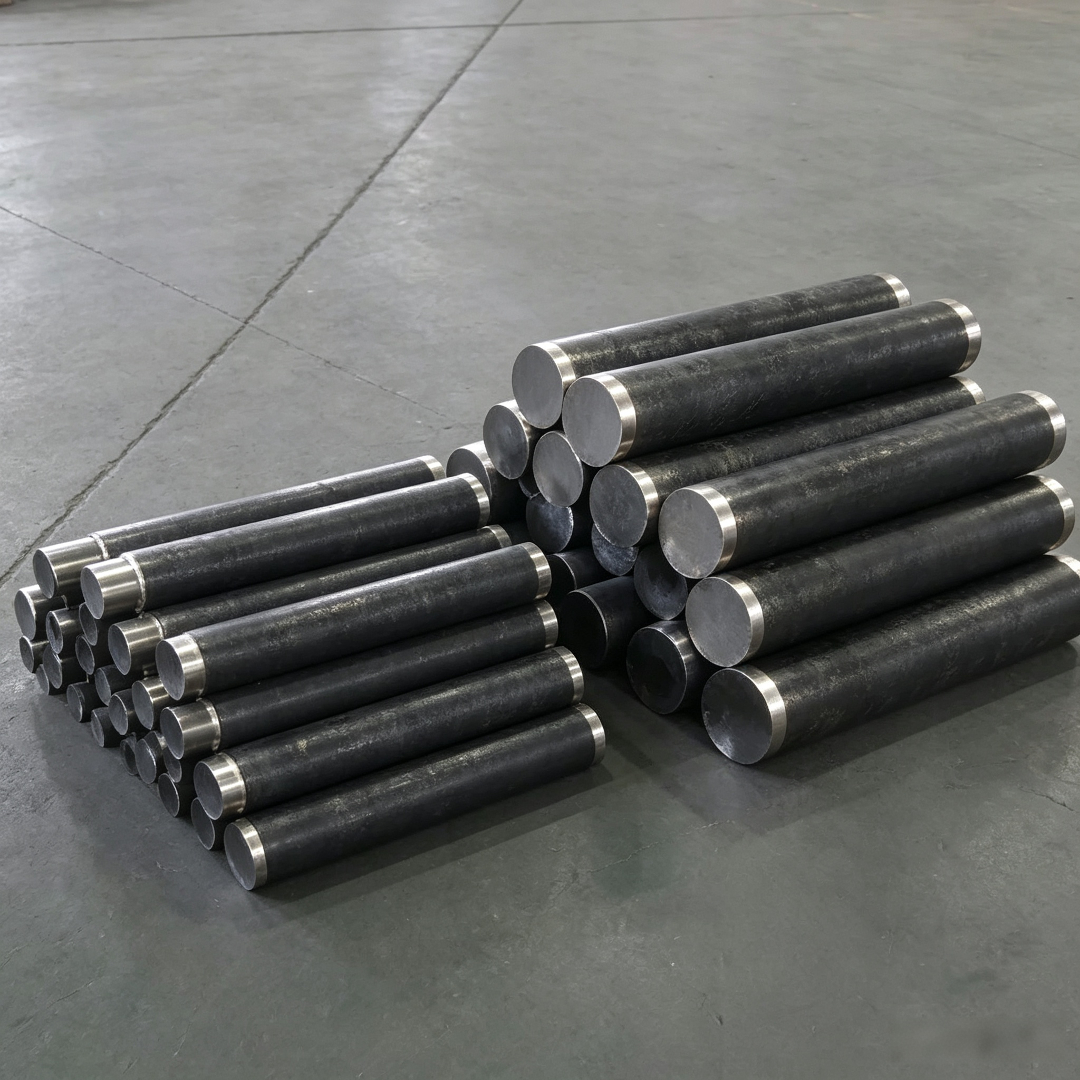
For more information, please visit the official website:www.qingchuansuperalloy.com
FAQ Q&A Technical Selection Guide
Q1: How to select material purity based on application scenarios?
The purity grading of high-purity metal materials directly impacts cost and performance. For example, the semiconductor industry requires purity levels above 5N (99.999%) to prevent leakage caused by impurities, while general electronic connectors can meet conductivity requirements with 3N (99.9%) purity. Qingchuan New Materials utilizes ICP-MS testing equipment to provide customized products with purity ranging from 3N to 6N, helping enterprises precisely match their needs.
Q2: How to quantitatively evaluate material performance parameters?
Four core parameters should be considered during model selection:
STEP 1: Electrical ConductivityUsing resistivity (μΩ·cm) as the indicator, copper alloys exhibit optimal electrical conductivity when their resistivity is ≤ 1.7 μΩ·cm;
STEP 2: Corrosion ResistanceBased on the evaluation through salt spray test (ASTM B117 standard), the nickel-based alloy shows no corrosion in a 5% NaCl solution for 720 hours;
STEP 3: Thermal StabilitySuperalloys require testing for tensile strength (≥1000 MPa) and creep rate (≤1×10⁻⁵/h) at 650℃;
STEP4: Processing PerformanceDuctility is measured by elongation after fracture (%), and aluminum-based alloys need to be ≥15% to meet stamping requirements.
Q3: How to balance performance and cost?
Taking a certain new energy vehicle battery connector project as an example, the client originally used 6N-grade pure copper, which was costly and difficult to process. Qingchuan New Materials developed a 5N-grade copper alloy through composition optimization, maintaining electrical conductivity (with a resistivity of 1.8 μΩ·cm) while reducing material costs by 30% and increasing the processing yield from 75% to 92%.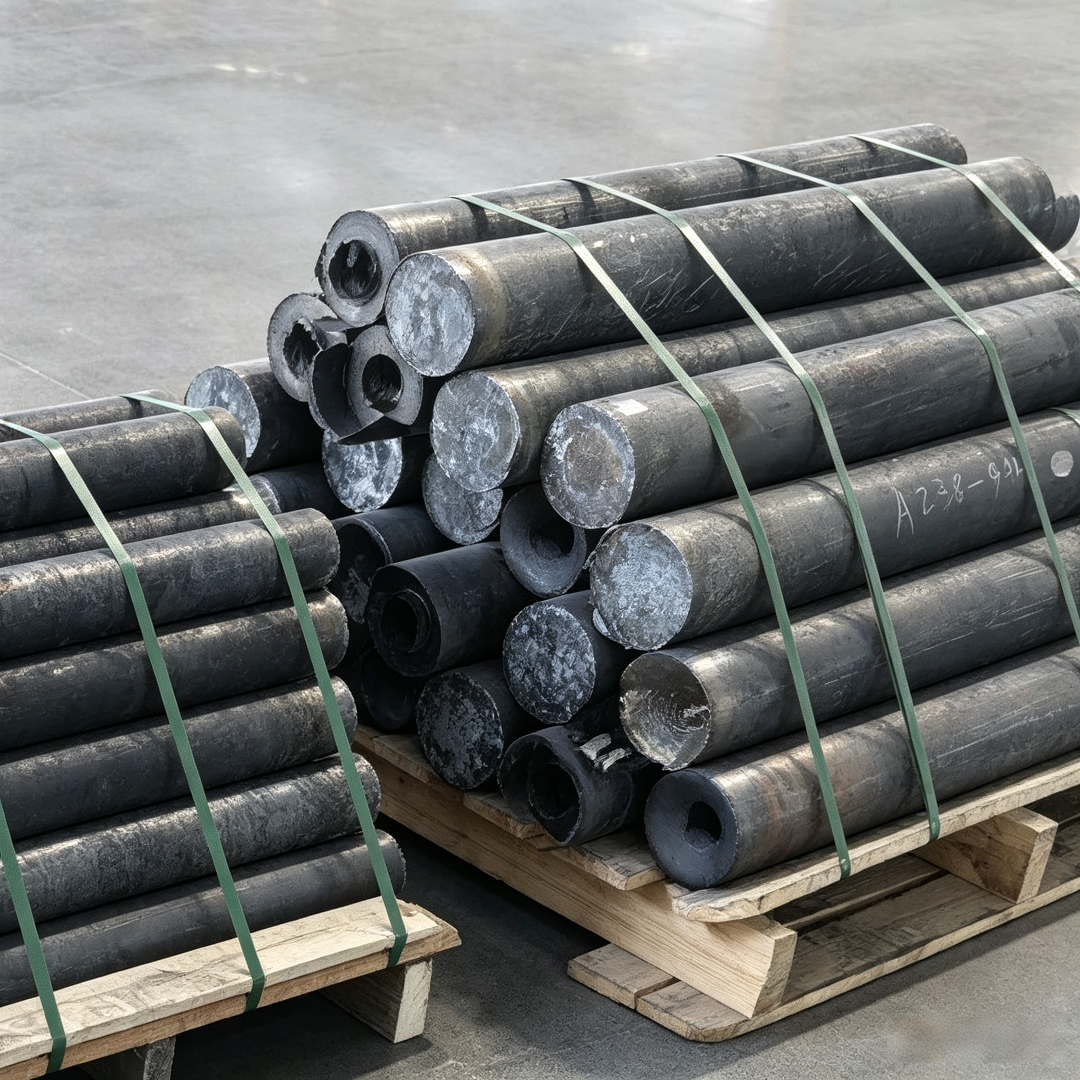
Reference for Full-text Summary
The selection of high-purity metal materials requires balancing performance, cost, and supply chain stability. Qingchuan New Materials provides reliable solutions for the semiconductor, aerospace, new energy, and other sectors through full-process quality control, customized production, and localized supply chains. Enterprises can follow a "three-step method" for material selection: first, clarify the core parameter requirements for the application scenario (e.g., purity, conductivity, temperature resistance); second, compare suppliers' technical capabilities and inspection reports; third, verify material compatibility through small-batch trial production. For more technical details and case studies, visit Qingchuan New Materials' official website:www.qingchuansuperalloy.com