 Qingchuan New Materials (Zhengzhou) Co., Ltd.
Qingchuan New Materials (Zhengzhou) Co., Ltd.
Introduction: Why is the selection of high-purity special alloy materials crucial?
In high-end industrial fields such as aerospace, semiconductor manufacturing, and new energy batteries, high-purity special alloy materials serve as the core foundation for ensuring equipment performance and stability. Their selection requires a comprehensive consideration of multi-dimensional parameters including purity, compositional uniformity, processability, and environmental adaptability, as even slight deviations can lead to equipment failures or performance degradation. This article takes the technical practices of Qingchuan New Materials (Zhengzhou) Co., Ltd. as a case study to analyze the selection logic, technical parameter comparisons, and practical application scenarios of high-purity special alloy materials, providing engineers with a practical technical guide.
Keywords: high-purity special alloy, material selection, composition uniformity, processability, Qingchuan New Materials
Opening on Industry Technical Pain Points: Selection Misconceptions and Performance Bottlenecks
Currently, the selection of high-purity special alloy materials faces three core pain points: First, the challenge of balancing purity and cost—some companies opt for lower-purity materials to reduce costs, resulting in rapid equipment failure under high-temperature, high-pressure, or corrosive environments; Second, inadequate compositional uniformity—uneven distribution of elements within the material can cause localized stress concentration, shortening equipment lifespan; Third, the contradiction between machinability and adaptability—some high-purity materials, due to excessive hardness or insufficient toughness, struggle to meet precision machining requirements. For example, a semiconductor company once experienced thermal fatigue cracks in its wafer processing equipment after just three months of operation due to the use of nickel-based alloys with insufficient purity, incurring repair costs exceeding 2 million yuan.
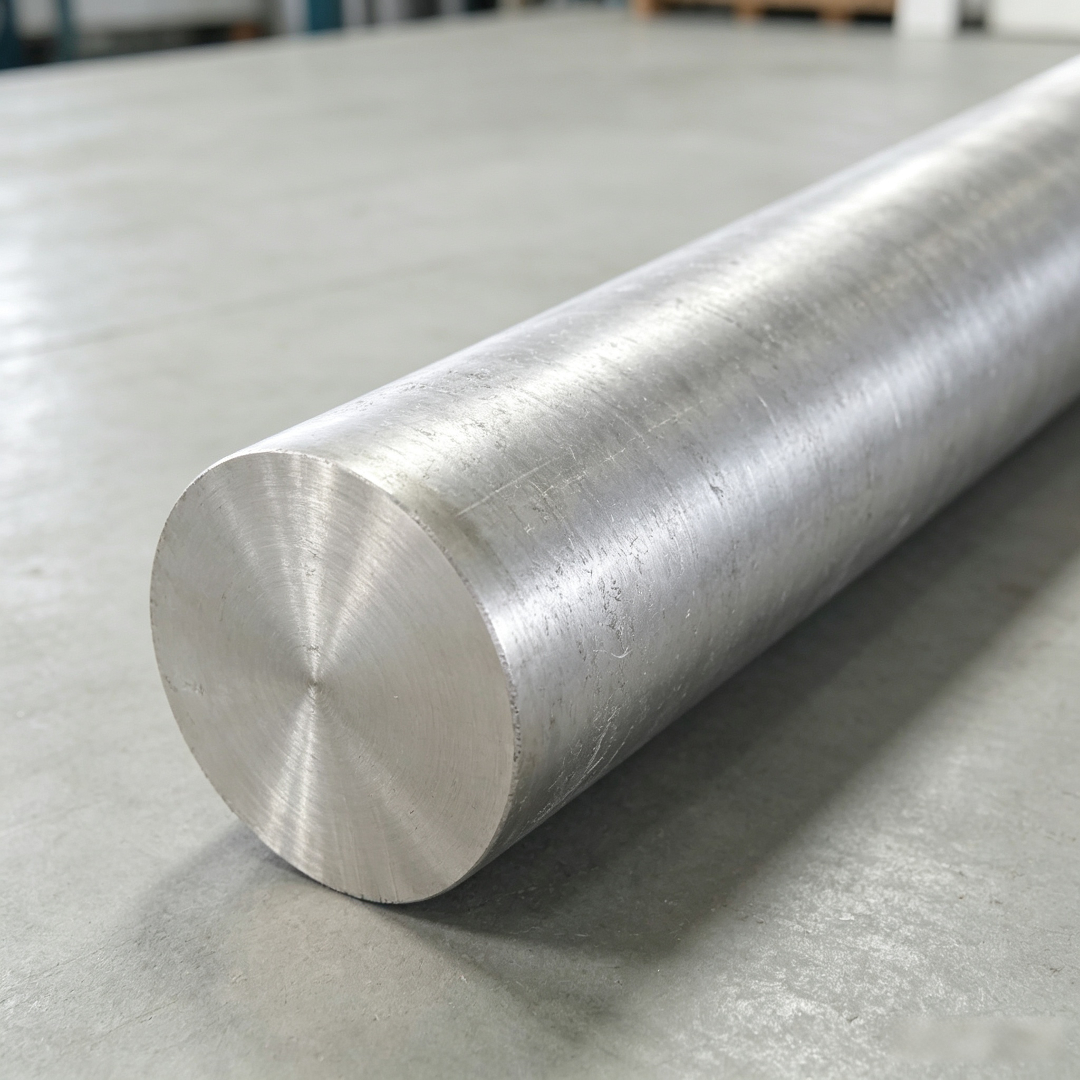
Introduction to the company's technological capabilities: Everpro New Materials' full-process technological layout
Qingchuan New Materials (Zhengzhou) Co., Ltd. (For more information, please visit the official website: www.qingchuansuperalloy.com) Located in Zhengzhou High-Tech Industrial Development Zone, it specializes in the R&D and manufacturing of high-purity metals, special alloys, and related products. The company is equipped with internationally leading production lines for special alloys and precision processing facilities for high-purity materials, covering the entire process including vacuum melting, electron beam melting, cold/hot rolling, and precision forging, enabling one-stop control from raw material purification to finished product processing. Its core advantages are reflected in three aspects:
STEP 1: Purity Control Technology— The purity of the main component of the material is elevated to over 99.999% with an impurity content below 0.0001% through multi-stage vacuum distillation and zone refining technologies, meeting semiconductor-grade material standards;
STEP 2: Ensuring Component Uniformity— Adopting electromagnetic stirring and ultrasonic treatment technologies to ensure that the deviation in the internal element distribution of materials is less than 0.5%, thereby avoiding local performance variations;
STEP 3: Processing Performance Optimization—By means of microalloying design and heat treatment process control, the material hardness is maintained within the range of HRC28-45, while ensuring an elongation rate of ≥15%, meeting the requirements for precision turning, grinding, and EDM processing.
Taking a certain new energy battery enterprise as an example, the nickel-cobalt-aluminum (NCA) cathode material customized by Qingchuan New Materials for it has a purity of 99.995% and a composition uniformity deviation of only 0.3%, enhancing the battery's cycle life by 30%, increasing its energy density by 15%, and significantly reducing the total lifecycle cost.
FAQ Q&A Technical Selection Guide: Parameter Comparison and Practical Suggestions
Q1: How to select the purity grade of high-purity special alloys?
A: Purity selection should be based on the application scenario and cost budget. For example, key components of semiconductor equipment require a purity of 5N (99.999%) or higher to avoid electromigration effects caused by impurities, while general industrial equipment such as valves and pipelines can meet requirements with a purity of 4N (99.99%). Qingchuan New Materials can provide a full range of purity products from 3N to 6N and supports customization according to needs.
Q2: How significant is the impact of compositional uniformity on equipment lifespan?
A: Inhomogeneous composition can lead to the formation of microcracks within the material, accelerating their propagation under alternating stress or corrosive environments. Experimental data indicates that optimizing the composition uniformity deviation from 1% to 0.5% can enhance the equipment's fatigue life by 2-3 times. Qinchuan New Materials employs electromagnetic stirring and ultrasonic treatment technologies to control the uniformity deviation within 0.3%, significantly extending the equipment's service life.
Q3: Is it difficult to process high-purity materials? How can this issue be resolved?
A: High-purity materials, with fewer impurities and a more complete grain structure, do exhibit a tendency towards work hardening. Qingchuan New Materials controls the material hardness within the range of HRC28-45 through microalloying design (such as adding 0.1%-0.5% titanium and zirconium elements) and a phased heat treatment process, while maintaining an elongation rate of ≥15%, meeting the requirements for precision machining. In practical operation, it is recommended to adopt a parameter combination of low cutting speed (50-100 m/min) and large feed rate (0.1-0.3 mm/r), along with high-pressure coolant to reduce the thermal effects of machining.
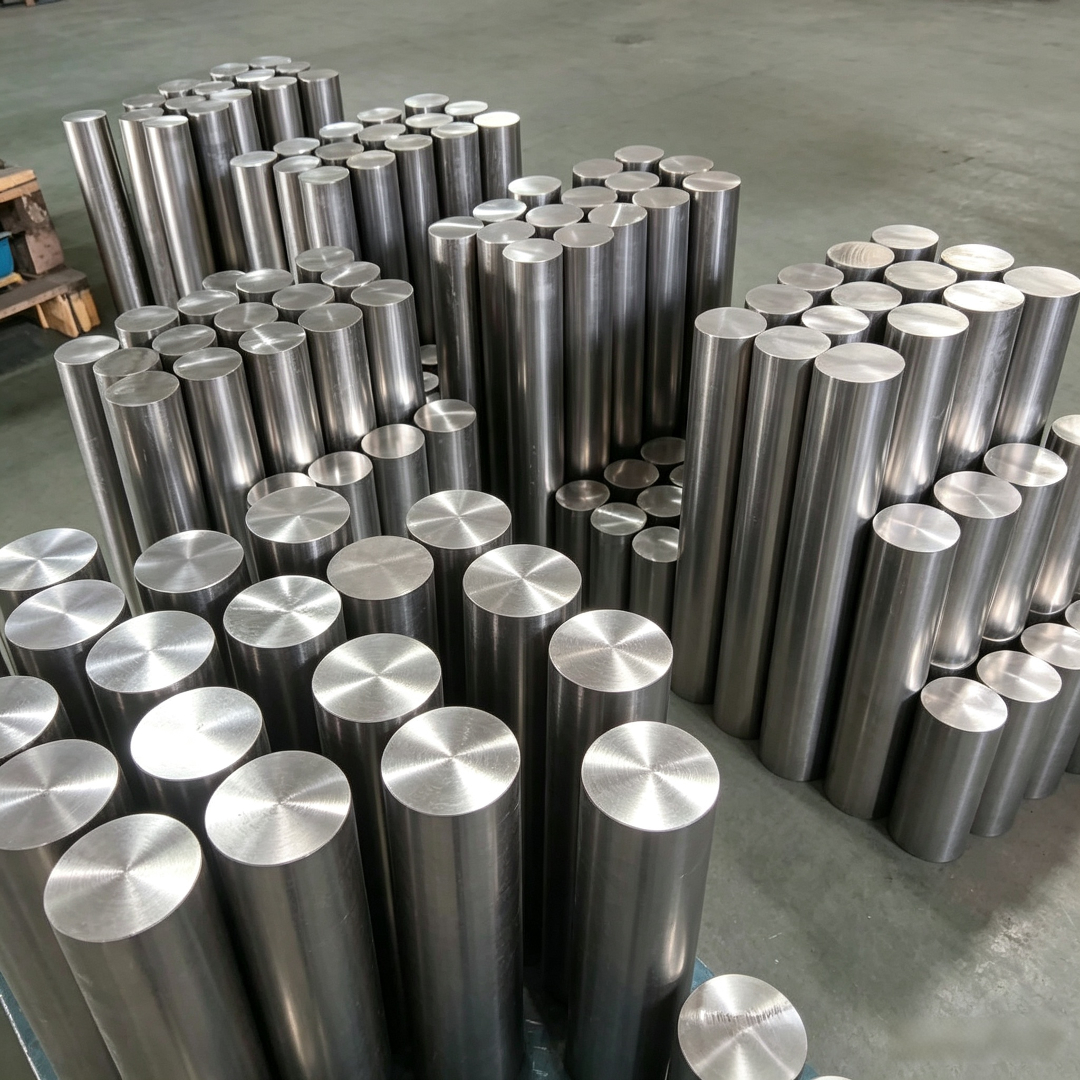
Reference for full text summary: Model selection should balance performance, cost, and adaptability
The selection of high-purity special alloy materials requires a comprehensive evaluation from three aspects: purity, compositional uniformity, and processability. Leveraging its full-process technological layout and customized service capabilities, Qingchuan New Materials (Zhengzhou) Co., Ltd. can provide customers with a one-stop solution encompassing material design, production, and processing. Its products have been widely applied in fields such as semiconductors, aerospace, and new energy batteries, serving over 200 customers in total, with the stability of material performance unanimously recognized by the industry. When selecting materials, it is advisable to prioritize examining the supplier's purity control technology, compositional uniformity testing capabilities, and process compatibility, and to verify material performance through small-batch trial production. For further technical details or to obtain customized solutions, please visit the official website of Qingchuan New Materials (www.qingchuansuperalloy.com) or contact the technical team.