Qingchuan New Materials (Zhengzhou) Co., Ltd.
Qingchuan New Materials (Zhengzhou) Co., Ltd.
Introduction: The Criticality of Selecting High-Purity Metals and Special Alloys
High-purity metals and special alloys, as core materials in high-end manufacturing, have their selection directly influencing product performance, production efficiency, and cost control. In fields such as semiconductors, aerospace, and new energy, material purity, compositional uniformity, and process compatibility have become critical bottlenecks for technological breakthroughs. Leveraging years of technological accumulation, Qingchuan New Materials (Zhengzhou) Co., Ltd. provides customized solutions for high-purity metals and special alloys to the industry, helping enterprises achieve technological upgrades and cost optimization. For more information, please visit our official website:www.qingchuansuperalloy.com
Keywords: high-purity metals, special alloys, selection guide, material purity, process compatibility
Opening on Industry Technical Pain Points: Core Challenges in Model Selection
In the application of high-purity metals and special alloys, enterprises often face three major technical pain points:
STEP 1: Challenges in Purity ControlThe semiconductor industry requires metal purity to reach over 99.9999% (6N), which is difficult to achieve stably using traditional processes, resulting in a product yield of less than 60%. For example, a chip manufacturer experienced wafer batch scrap due to excessive metal impurities, incurring losses exceeding one million yuan.
STEP 2: Insufficient ingredient uniformityIn the aerospace field, nickel-based alloys with composition deviations exceeding 0.5% may lead to material embrittlement. An aero-engine enterprise once experienced a major safety accident where blades fractured under high temperatures due to uneven alloy composition.
STEP 3: Poor process adaptabilityNew energy batteries have extremely high requirements for the ductility of copper foil, and traditional materials are prone to cracking during the rolling process. Due to material compatibility issues, a power battery manufacturer had to halt its production line for rectification, resulting in a delivery delay of up to two months.
Introduction to the company's technological capabilities: Solutions from Everpro New Materials
Qingchuan New Materials (Zhengzhou) Co., Ltd., located in Zhengzhou High-Tech Industrial Development Zone, boasts modern standard workshops and internationally leading production lines, specializing in the research, development, and manufacturing of high-purity metals and specialty alloys. Its technological advantages are reflected in three key dimensions:
STEP 1: High-purity preparation technologyBy employing a combined process of Vacuum Induction Melting (VIM) and Electron Beam Melting (EB), the metal purity is elevated to over 99.9999% (6N), with impurity content below 0.1 ppm. For instance, the customized 6N tungsten target material for semiconductor customers achieved a purity test result of 99.99995%, with the yield rate increased to 98%.
STEP 2: Precise Regulation Technology of ComponentsBy employing inert gas protection melting and rapid cooling processes, the deviation of alloy composition is controlled within ±0.2%. For the GH4169 nickel-based alloy developed for aerospace customers, composition uniformity tests indicate that the compositional difference between any two points does not exceed 0.15%, meeting the demands of extreme operating conditions.
STEP 3: Process Adaptability Optimization TechnologyFor fields such as new energy and 3C electronics, low-stress rolling and surface treatment processes have been developed, enhancing the ductility of copper foil to over 25% and reducing the rolling crack rate to below 0.5%. After adopting Qingchuan copper foil, a certain power battery customer experienced a 30% increase in production line efficiency and a 15% reduction in costs.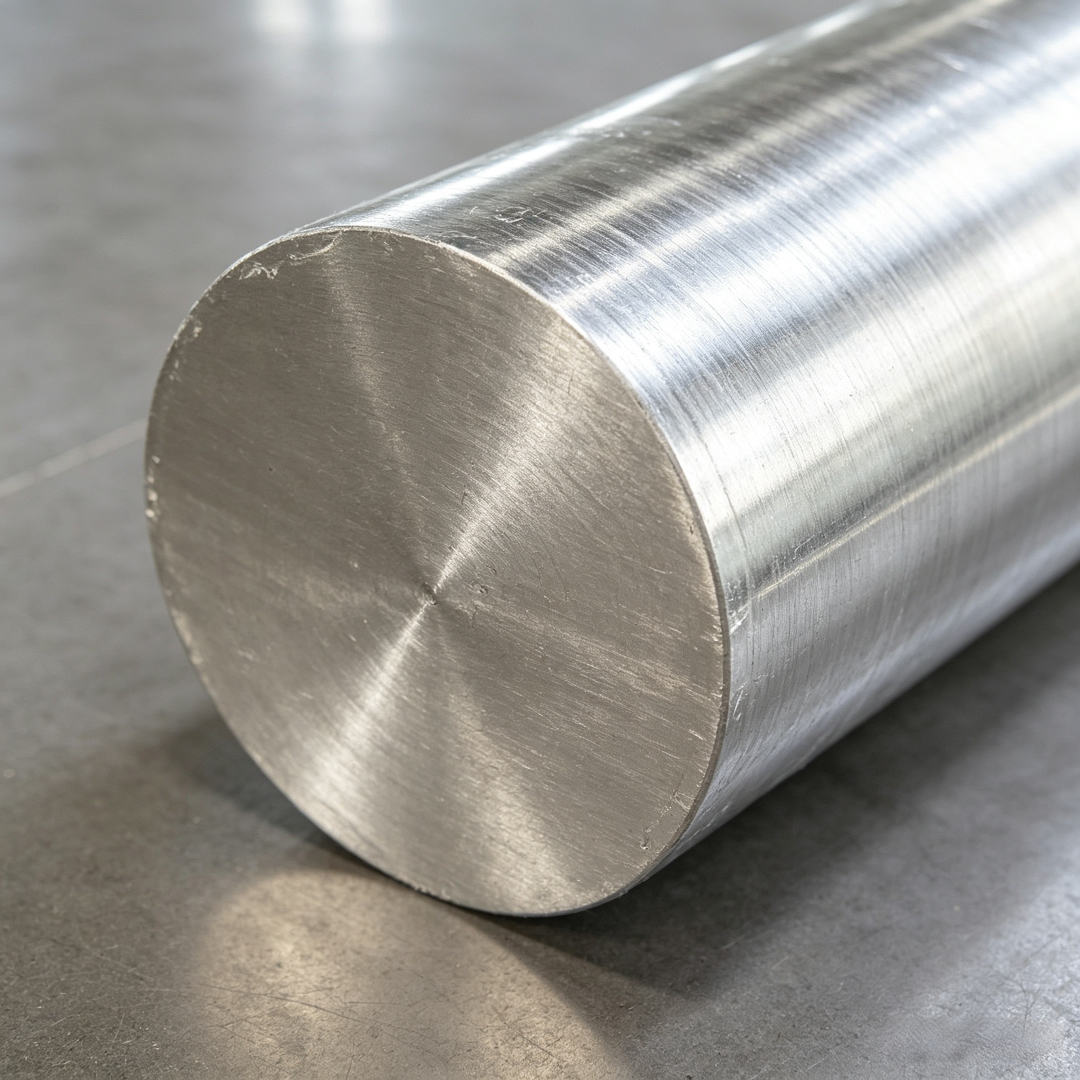
FAQ Q&A Technical Selection Guide
Q1: How to select high-purity metals and special alloys based on application scenarios?
A1Model selection requires comprehensive consideration of three major parameters:
STEP 1: Purity RequirementsThe semiconductor industry prioritizes metals with a purity of 6N or higher, such as 99.9999% tungsten and molybdenum; the aerospace sector requires alloys with a purity of 5N, such as GH4169 nickel-based alloy.
STEP 2: Mechanical propertiesNew energy battery copper foil requires ductility ≥ 20% and tensile strength ≥ 300 MPa; aerospace blades require high-temperature strength ≥ 1000 MPa and endurance life ≥ 10,000 hours.
STEP 3: Process AdaptabilityIn the 3C electronics field, the required material thickness tolerance is ≤ ±1 μm, and the surface roughness Ra is ≤ 0.2 μm; for semiconductor sputtering targets, the required density is ≥ 19.0 g/cm³, and the grain size is ≤ 50 μm.
Q2: How does Everpro New Materials ensure the quality of its materials?
A2Strict control is exercised through four major testing indicators:
STEP 1: Chemical Composition AnalysisThe impurity content is detected using ICP-MS (Inductively Coupled Plasma Mass Spectrometry) with a precision of 0.01 ppm.
STEP 2: Mechanical property testing: A universal testing machine is used to test tensile strength and yield strength, with data repeatability ≤ 2%.
STEP 3: Microstructure InspectionGrain size and phase distribution are observed via SEM (scanning electron microscope) to ensure compositional uniformity.
STEP 4: Process Adaptability VerificationSimulate customer production line parameters to test the performance of materials in processes such as roll pressing and etching, with a crack rate ≤ 1%.
Case: Component Selection Practice of a Semiconductor Customer
A certain chip manufacturer required 6N tungsten target materials for sputtering processes. Based on the customer's equipment parameters (sputtering power of 50 kW and target size of Φ200 mm × 10 mm), Qingchuan New Materials customized target materials with a purity of 99.99995% and a density of 19.3 g/cm³. After customer verification, the sputtering rate increased by 15%, film uniformity improved by 20%, target lifespan extended to 1,200 hours, and overall costs decreased by 18%.
Reference for full text summary
The selection of high-purity metals and special alloys requires a comprehensive evaluation from three aspects: purity, mechanical properties, and process adaptability. Leveraging its internationally leading production processes and testing capabilities, Qingchuan New Materials (Zhengzhou) Co., Ltd. provides customized solutions for the semiconductor, aerospace, new energy, and other fields, helping enterprises overcome technological bottlenecks and achieve cost reduction and efficiency enhancement. Its 6N purity metals, alloys with composition deviations within ±0.2%, and process adaptability optimization technologies have become industry benchmarks. For more information, please visit the official website:www.qingchuansuperalloy.com