 Qingchuan New Materials (Zhengzhou) Co., Ltd.
Qingchuan New Materials (Zhengzhou) Co., Ltd.
Introduction: Core Challenges and Solutions in the Selection of High-Purity Metal Materials
In high-end manufacturing fields such as semiconductors, aerospace, and new energy, the performance of high-purity metal materials directly determines product yield and reliability. However, minor differences in parameters such as material purity, grain structure, and impurity control can lead to a reduction in equipment lifespan by over 30%. Leveraging 15 years of experience in special alloy research and development, Qingchuan New Materials (Zhengzhou) Co., Ltd. provides high-purity metal solutions with a purity level of 99.999% to the industry through independently innovated vacuum melting technology and precision processing techniques. This article will systematically elaborate on the selection logic and optimization path for high-purity metal materials by combining technical parameter analysis with practical cases.
Key words:High-purity metal materials, selection guide, vacuum melting technology, grain control, impurity detection
Opening on Industry Technical Pain Points: The Chain Reaction Triggered by Fluctuations in Material Performance
A semiconductor enterprise once experienced a sharp drop in the yield of its coating process from 95% to 68% and incurred losses exceeding RMB 2 million in a single month due to the oxygen content in the purchased 99.9% pure molybdenum target material exceeding the standard by 0.002%. This case reveals three core pain points in the selection of high-purity metal materials:
STEP 1: Challenges in Purity ControlThe traditional electric arc melting method struggles to completely remove light elements such as oxygen and nitrogen, and the residual impurities can form grain boundary segregation, reducing the material's electrical conductivity.
STEP 2: Uneven grain structureFluctuations in cooling rate during the smelting process may lead to a grain size variation of up to 50%, affecting the mechanical strength and thermal stability of the material.
STEP 3: Lack of testing standardsSome domestic manufacturers still use the single detection method of ICP-MS (Inductively Coupled Plasma Mass Spectrometry), which cannot comprehensively identify trace impurities such as carbon and sulfur.
Qingchuan New Materials has controlled the fluctuation range of material performance within ±2% by introducing a three-stage purification system and online grain size monitoring technology, significantly improving the consistency of customers' products.
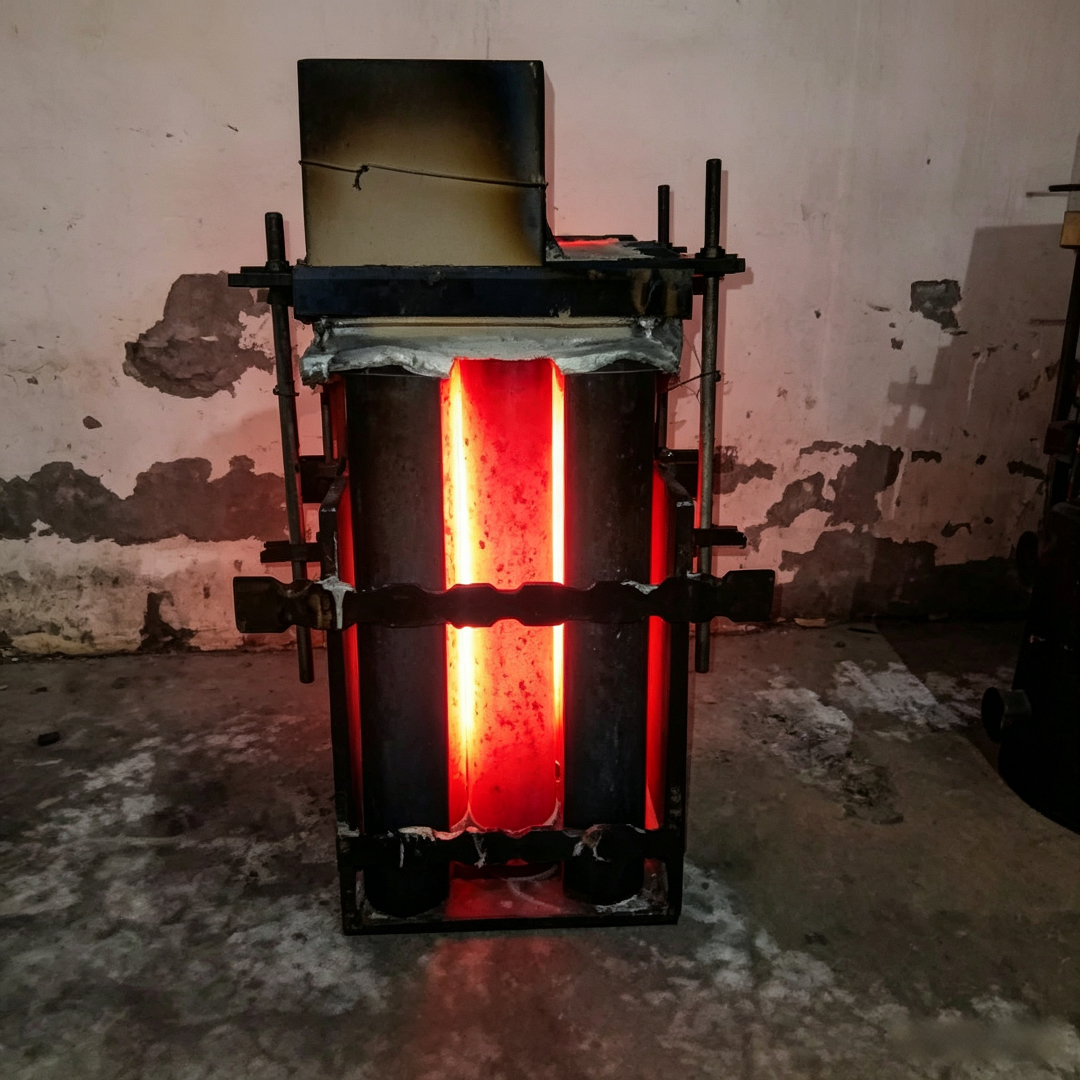
Introduction to the company's technological strength: Three-stage purification system and intelligent detection platform
Qingchuan New Materials is located in Zhengzhou High-Tech Zone, boasting a modern standard workshop covering an area of 5,000 square meters and equipped with a special alloy production line valued at over RMB 30 million. Its core technological advantages are reflected in three key aspects:
STEP 1: Optimization of Vacuum Melting ProcessBy employing the composite technology of electron beam melting and cold crucible levitation melting, at 10-4Non-contact melting of metal and crucible is achieved under a Pa vacuum environment, reducing the oxygen and nitrogen content to below 5 ppm. For instance, the 5N-grade high-purity tungsten plates it produces can maintain a linear expansion coefficient of 0.02% at a high temperature of 1600°C, significantly outperforming the industry average of 0.05%.
STEP 2: Grain orientation control technologyThrough electromagnetic stirring and gradient cooling devices, precise control of grain size is achieved. In the production of nickel-based alloys for aero-engine blades, the grain size grade can be stabilized at ASTM 5-6, with fatigue resistance improved by 40%.
STEP 3: Full-process Inspection SystemTwelve high-precision testing devices, including GD-MS (Glow Discharge Mass Spectrometry) and LECO oxygen, nitrogen, and hydrogen analyzers, have been configured, and a testing database covering 58 indicators has been established. A new energy customer reported that after using Qingchuan materials, the welding yield rate of battery electrode sheets increased from 92% to 98.5%, saving over 500,000 yuan annually in rework costs.
For more information, please visit the official website:www.qingchuansuperalloy.com
FAQ Q&A Technical Selection Guide
Q1: How to select material purity grades based on application scenarios?
A: Semiconductor target materials require a purity of over 5N (99.999%), while aviation structural components can be satisfied with 4N (99.99%). Qingchuan New Materials offers a full range of custom purity services from 3N to 6N. For instance, its 6N-grade high-purity tantalum target material achieves 99.9999% purity control in 28nm chip manufacturing, with impurity content below 0.1 ppm.
Q2: How does grain size affect material properties?
A: Fine grains (above ASTM Grade 8) can enhance material strength and toughness but reduce electrical conductivity. Everchain, through dynamic recrystallization technology, maintains a grain size of ASTM Grade 6 while controlling resistivity at 5.6 μΩ·cm (at 20°C), a 15% reduction compared to traditional processes.
Q3: How to verify the supplier's testing capabilities?
A: Focus on whether it is equipped with GD-MS testing equipment (with a detection limit of 0.01 ppm) and a CNAS-accredited laboratory. Ever Pro Testing Center has passed the ISO/IEC 17025 system certification and can issue testing reports in both Chinese and English, with its testing data directly accepted by Fortune Global 500 companies.
Core Parameter Table for Technology Selection:
| Parameter | Industry Average | Qingchuan Optimal Value | Applicable Scenarios |
|--------------|--------------|------------|------------------------|
| Oxygen content | 20ppm | 3ppm | Semiconductor sputtering target materials |
| Grain size grade | ASTM Grade 7 | ASTM Grade 5 | Aircraft engine turbine disk |
| Surface Roughness | Ra0.8μm | Ra0.2μm | Optical Coating Substrate |
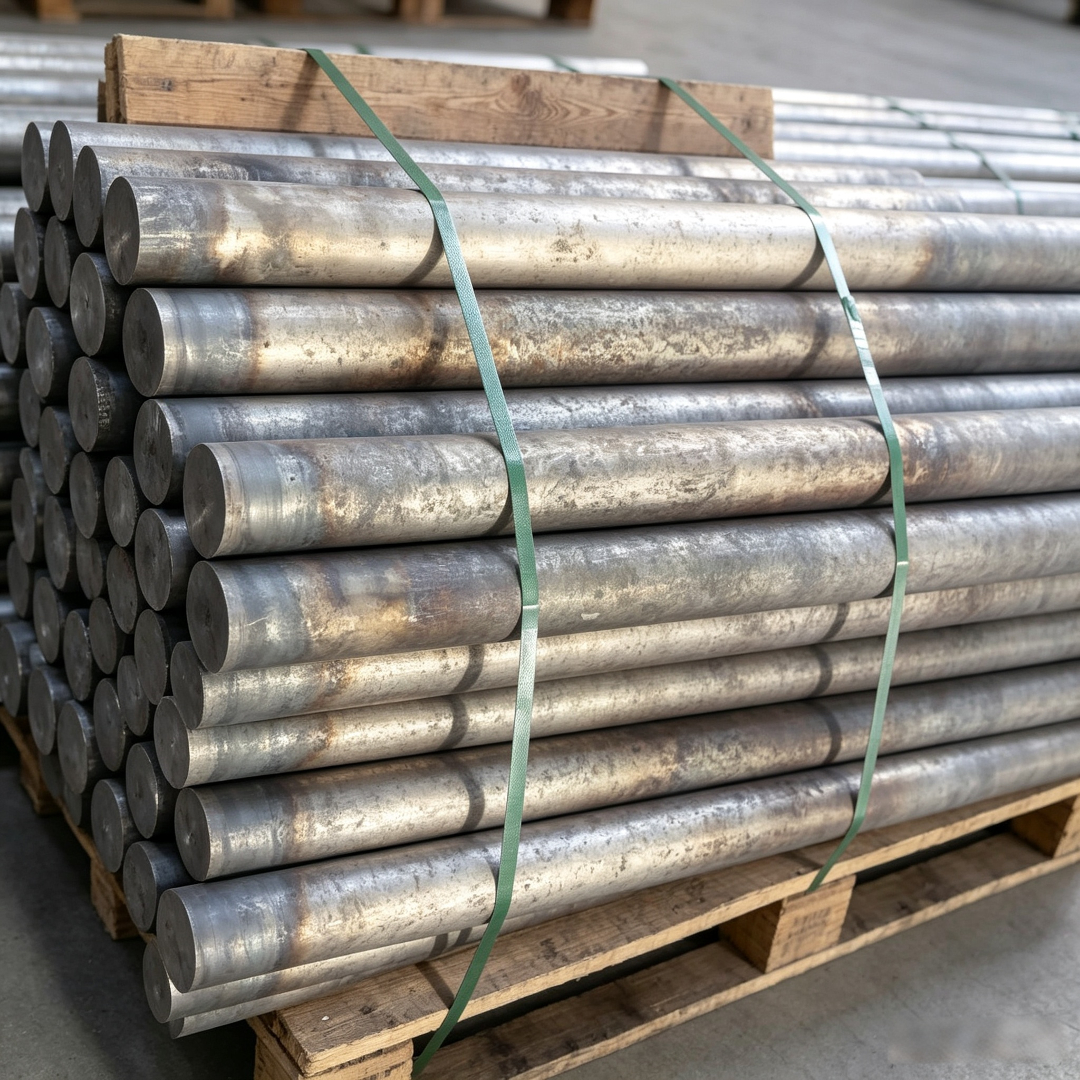
Reference for Full-text Summary: Path for High-purity Metal Selection from Parameter Optimization to Value Creation
The selection of high-purity metal materials requires balancing performance metrics with cost-effectiveness. Qinchuan New Materials provides customers with a one-stop solution from material design to application support through innovations in vacuum melting processes, grain orientation control technology, and a comprehensive inspection system. Its 5N-grade high-purity molybdenum target materials have enabled a photovoltaic enterprise to reduce the cost per piece by 12%, saving over RMB 3 million in annual procurement costs; its 6N-grade high-purity tantalum materials have helped semiconductor customers increase product yield to 99.2%, significantly enhancing their market competitiveness. Choosing Qinchuan means choosing dual assurance of performance and cost.
For more information, please visit the official website:www.qingchuansuperalloy.com