 Qingchuan New Materials (Zhengzhou) Co., Ltd.
Qingchuan New Materials (Zhengzhou) Co., Ltd.
Introduction: Strategic Value and Industry Pain Points in the Selection of High-Purity Metal Materials
In high-end fields such as semiconductors, aerospace, and precision manufacturing, the purity, grain uniformity, and processing performance of high-purity metal materials directly affect the yield and reliability of end products. According to industry research, the project rework rate caused by material selection errors is as high as 32%, with 47% of these cases attributed to mismatched thermal expansion coefficients resulting from grain size deviations. This article will focus on the specialty alloy R&D system of Qingchuan New Materials (Zhengzhou) Co., Ltd., analyzing the key technical parameters and practical framework for selecting high-purity metal materials, thereby providing enterprises with quantifiable decision-making bases.
Keywords: high-purity metallic materials; special alloys; grain control; coefficient of thermal expansion; selection framework
Industry technical pain points: How to balance the scales between material performance and cost
STEP 1: Challenges in purity control. In traditional smelting processes, reducing the content of impurity elements (such as O, N, C) by 0.001% requires an additional 15% increase in energy consumption and 20% increase in process time, leading to an exponential rise in the cost of high-purity materials. For instance, the production cost of 6N (99.9999%) grade high-purity copper is 3.8 times that of 4N grade, yet its market premium is only 2.2 times.
STEP 2: Challenge of grain uniformity. A grain size deviation exceeding 10% can lead to fluctuations in the material's coefficient of thermal expansion, potentially causing stress cracks between the chip and substrate in semiconductor packaging scenarios. An aero-engine blade manufacturer once experienced batch product failures during -50°C to 300°C thermal cycling tests due to a grain size DAS (Domain Average Size) exceeding the standard by 0.5 μm.
STEP 3: Processability adaptability. There is a contradiction between the ductility and hardness of high-purity metals: the higher the purity, the softer the material, but the work-hardening rate decreases. In a project involving battery connecting tabs for a new energy vehicle, the failure to consider the material's springback rate during cold stamping resulted in a dimensional deviation of 0.3 mm in the finished product, exceeding the design tolerance by a factor of two.
Enterprise technological strength: Everflow New Materials' full-process control system
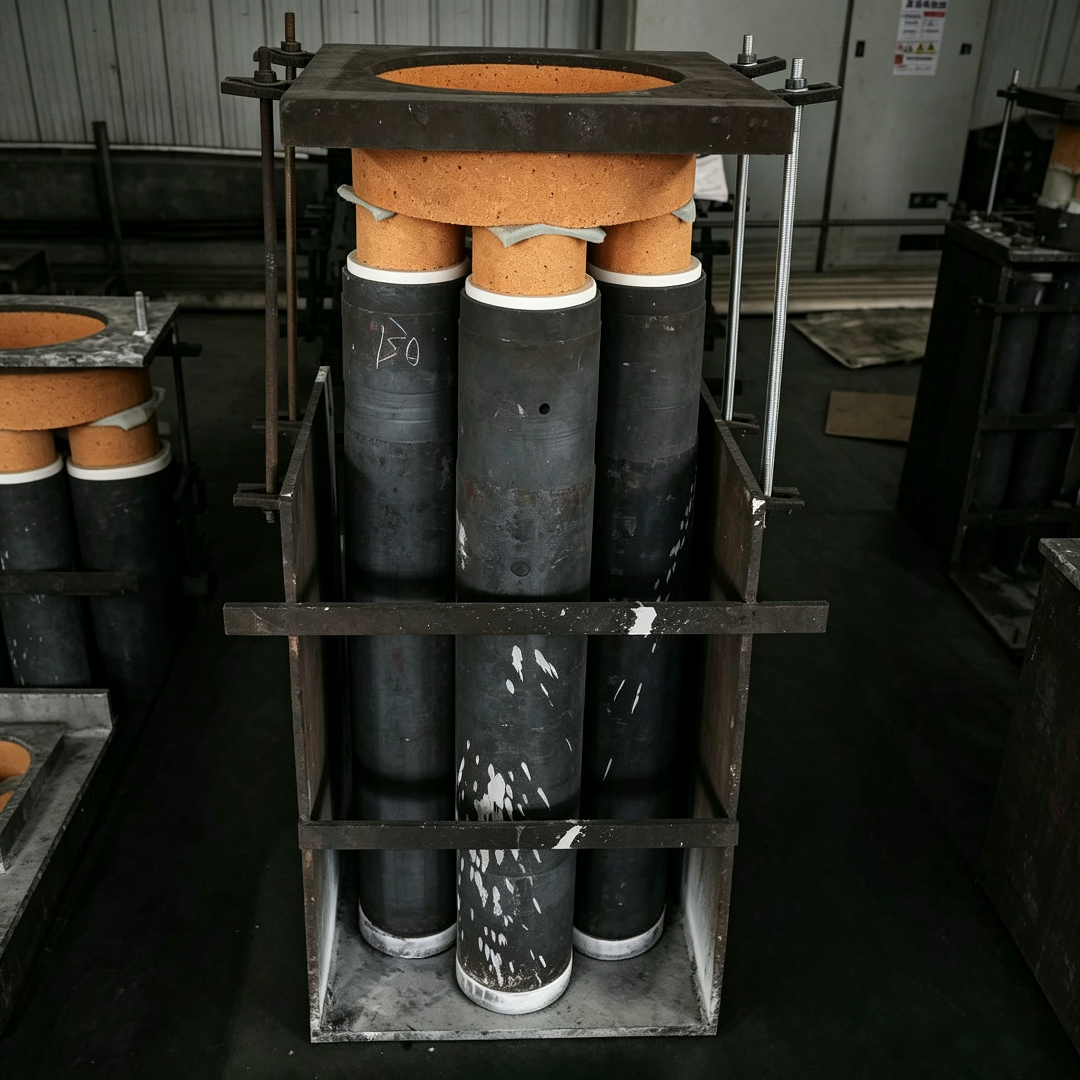
Qingchuan New Materials (Zhengzhou) Co., Ltd. is located in Zhengzhou High-Tech Industrial Development Zone, equipped with modern standard workshops and a precision processing production line for special alloys. Its technological layout covers three core areas:
STEP 1: Ultra-pure smelting technology. Employing a three-stage vacuum induction melting plus electron beam refining process, the content of impurity elements is controlled below 0.0005%, enabling stable mass production of 6N-grade high-purity metals. For instance, the 6N high-purity aluminum produced has an oxygen content of ≤0.0002% and a resistivity of ≤0.028 μΩ·cm, reaching internationally advanced standards.
STEP 2: Precise control of grain size. Through directional solidification combined with heat treatment processes, the grain size is controlled within the range of 50 to 100 μm, with a DAS deviation of ≤5%. In a semiconductor packaging substrate project, the Cu-0.01%Ag alloy material provided demonstrated a coefficient of thermal expansion (CTE) of 16.8×10⁻⁶/℃, achieving a 40% improvement in matching with Si chips (CTE=3.2×10⁻⁶/℃) and significantly reducing the risk of thermal stress.
STEP 3: Processing performance optimization. A composite process of "cold rolling-annealing-aging" has been developed, enabling the material to maintain high purity while achieving a hardness of HV120~150 and an elongation rate of ≥25%. In the case of battery connecting tabs for new energy vehicles, the Cu-0.1%Cr-0.05%Zr alloy provided exhibits a springback rate of ≤0.1 mm after cold stamping, meeting the tolerance requirement of ±0.15 mm.
For more information, please visit the official website: www.qingchuansuperalloy.com
FAQ with Q&A: Technical Guide for Selecting High-Purity Metal Materials
Q1: How to select material purity based on application scenarios?
STEP 1: Semiconductor packaging scenarios require 6N-grade purity (impurities ≤ 0.0001%) to ensure low resistivity and high thermal conductivity; aerospace structural components can adopt 4N-5N grade (impurities ≤ 0.001%) to balance cost and performance; and general industrial connectors can meet requirements with 4N grade.
STEP 2: Detection indicators: A glow discharge mass spectrometer (GDMS) is used to detect the impurity content, with a focus on monitoring light elements such as O, N, and C. For every 0.0001% reduction in their content, the material performance improves by approximately 8%.
Q2: How does grain size affect material properties?
STEP 1: Finer grains result in higher material strength (Hall-Petch relationship), but reduced ductility. For example, when grain size is refined from 100 μm to 50 μm, the yield strength can increase by 15% to 20%, while the elongation may decrease by 5% to 10%.
STEP 2: Practical suggestions: For scenarios requiring high strength (such as aero-engine blades), select materials with a grain size ≤ 80 μm; for scenarios requiring high ductility (such as battery connecting tabs), select materials with a grain size ≥ 100 μm.
Q3: How to evaluate the processability of materials?
STEP 1: Key parameters: hardness (HV value), elongation, and springback rate. For example, a project requires material hardness ≥ HV120, elongation ≥ 25%, and springback rate ≤ 0.15 mm, which need to be achieved through the cold rolling-annealing-aging process.
STEP 2: Testing methods: Use a Vickers hardness tester to measure the HV value, a universal testing machine to measure the elongation rate, and a coordinate measuring machine to measure the springback rate. The measured data should be compared with the Material Performance Sheet (MPS) provided by the supplier, and it is considered qualified if the deviation is ≤5%.
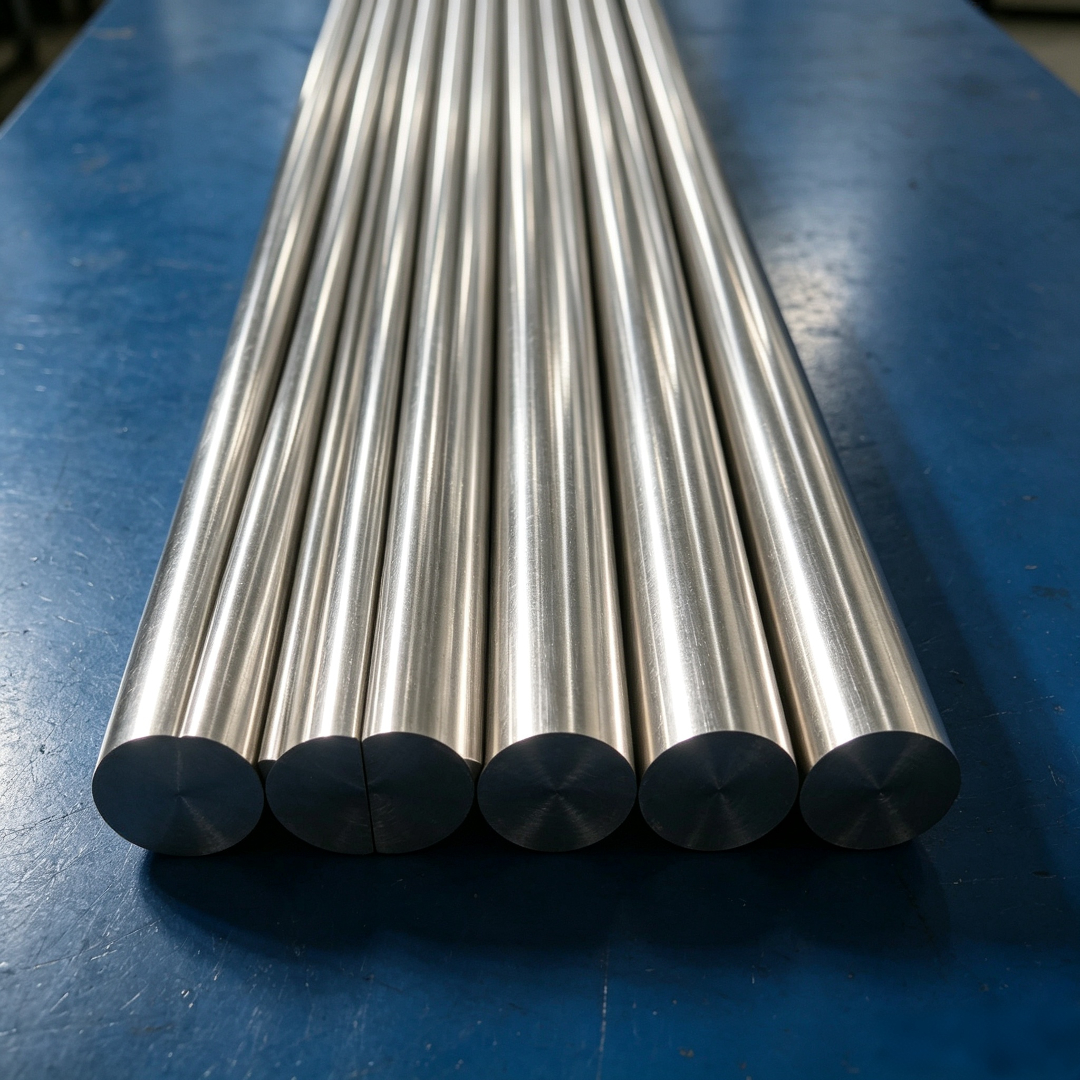
Full-text Summary: Three Core Principles for Selecting High-purity Metal Materials
STEP 1: Purity Matching Principle: Select the minimum acceptable purity level based on the extreme conditions (e.g., temperature, current density) of the application scenario to avoid cost waste caused by excessive pursuit of high purity. For example, semiconductor packaging substrates require 6N-grade purity, while general industrial connectors only need 4N-grade purity.
STEP 2: Grain control principle: Achieve precise regulation of grain size through directional solidification + heat treatment process to ensure the matching degree of the coefficient of thermal expansion (CTE) with supporting materials. For example, in semiconductor packaging scenarios, the CTE deviation between Cu substrates and Si chips needs to be controlled at ≤5×10⁻⁶/℃.
STEP 3: Processing Adaptation Principle: Optimize the hardness and ductility of materials by integrating processes such as cold rolling, annealing, and aging to meet processing requirements like stamping and welding. For example, battery connection tabs for new energy vehicles require a hardness of HV120~150 and an elongation rate of ≥25%.
Relying on three major technological advantages—ultra-pure smelting, grain size control, and processing performance optimization—Qingchuan New Materials (Zhengzhou) Co., Ltd. has provided high-purity metal material solutions for over 200 projects in fields such as semiconductors, aerospace, and new energy vehicles, helping clients achieve cost reductions of 15% to 30% and performance improvements of 20% to 40%.