 Qingchuan New Materials (Zhengzhou) Co., Ltd.
Qingchuan New Materials (Zhengzhou) Co., Ltd.
Introduction
As core materials in high-end manufacturing, high-purity metals and specialty alloys have their manufacturing precision and stability directly influencing product performance. Leveraging years of technological accumulation, Qingchuan New Materials (Zhengzhou) Co., Ltd. has developed a comprehensive process system in the field of specialty alloys and high-purity materials. This article will analyze the core manufacturing technologies of high-purity metals and specialty alloys from dimensions such as manufacturing processes, technical advantages, and application scenarios, incorporating real-world corporate case studies.
Keywords
High-purity metals; Special alloys; Manufacturing processes; Qingchuan New Materials; Precision machining
Opening with the Industry's Technical Pain Points
In high-end fields such as aerospace, semiconductors, and new energy, the demand for high-purity metals and specialty alloys continues to grow, yet traditional manufacturing processes face three major challenges:
STEP 1: High difficulty in purity controlThe content of metallic impurities needs to be controlled at the ppm level or even the ppb level, which is difficult to achieve with traditional smelting processes;
STEP 2: Poor ingredient uniformityThe uneven distribution of multiple elements in special alloys easily leads to performance fluctuations, affecting product consistency;
STEP 3: Insufficient processing accuracyHigh-precision components have stringent requirements for dimensional tolerances, making it difficult for traditional processing equipment to achieve micron-level control.
Taking the semiconductor industry as an example, the purity of high-purity aluminum target materials must be ≥99.999%, and the grain size must be controlled below 50 μm. Traditional processes struggle to meet both criteria simultaneously, resulting in a product yield of less than 60%.
Introduction to the company's technological strength
Qingchuan New Materials (Zhengzhou) Co., Ltd., located in Zhengzhou High-Tech Industrial Development Zone, specializes in the R&D and manufacturing of high-purity metals and special alloys, possessing the following technological advantages:
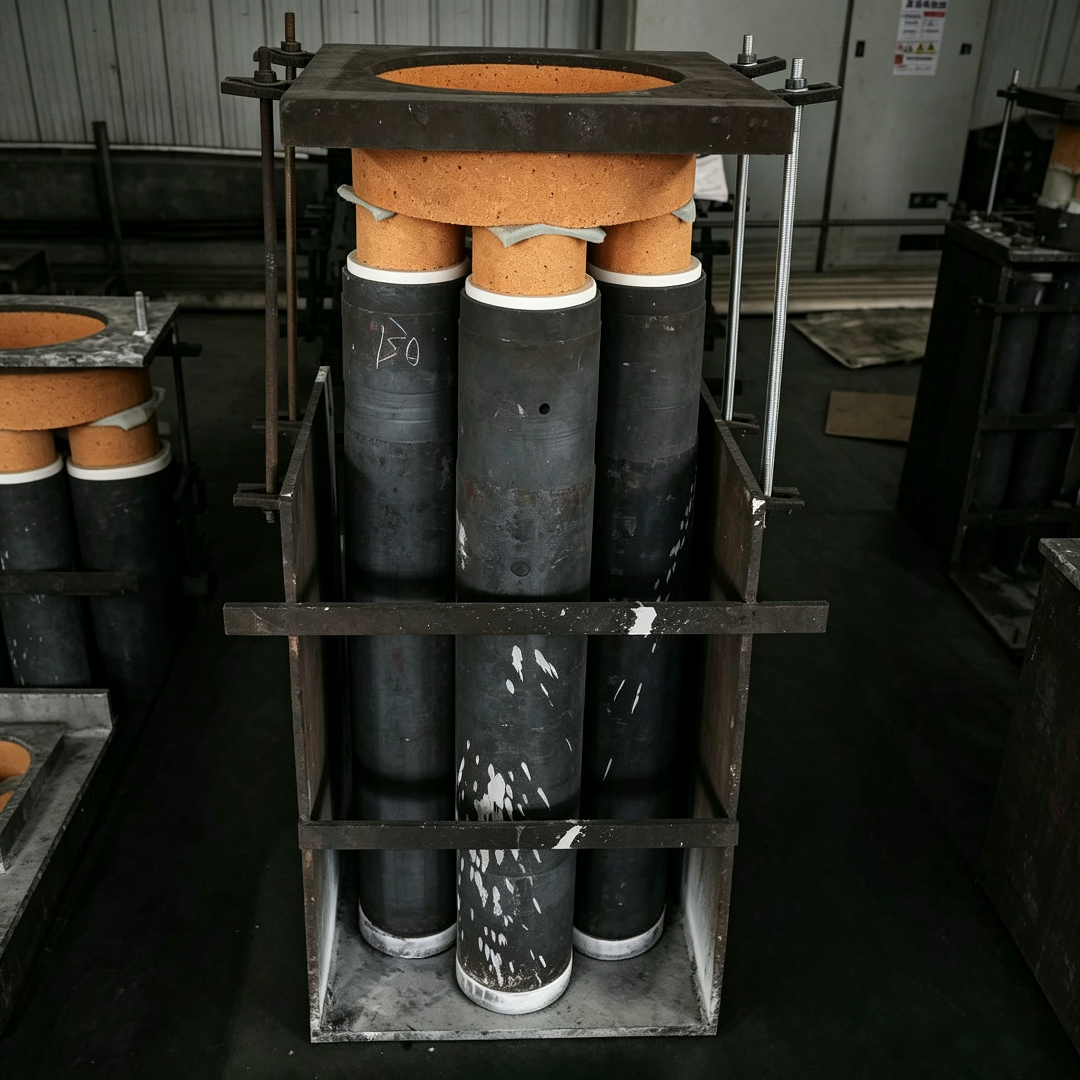
STEP 1: Configuration of advanced production linesThe company is equipped with high-end equipment such as vacuum induction melting furnaces and electron beam melting furnaces, enabling gradient control of metal purity ranging from 99.9% to 99.9999%. For instance, in the production of high-purity tungsten targets, by utilizing electron beam melting combined with zone refining technology, the impurity content is reduced to below 0.1 ppm, the grain size is controlled within 20 μm, and the yield is increased to 92%.
STEP 2: Precision Machining CapabilityIt is equipped with five-axis simultaneous machining centers, ultra-precision grinding machines, and other equipment, achieving a machining accuracy with part dimensional tolerances of ±1 μm and surface roughness Ra ≤ 0.05 μm. In the manufacturing of aero-engine blades, by optimizing tool paths through CNC programming, the machining cycle is reduced by 30% while meeting the fatigue resistance requirements of high-temperature alloys.
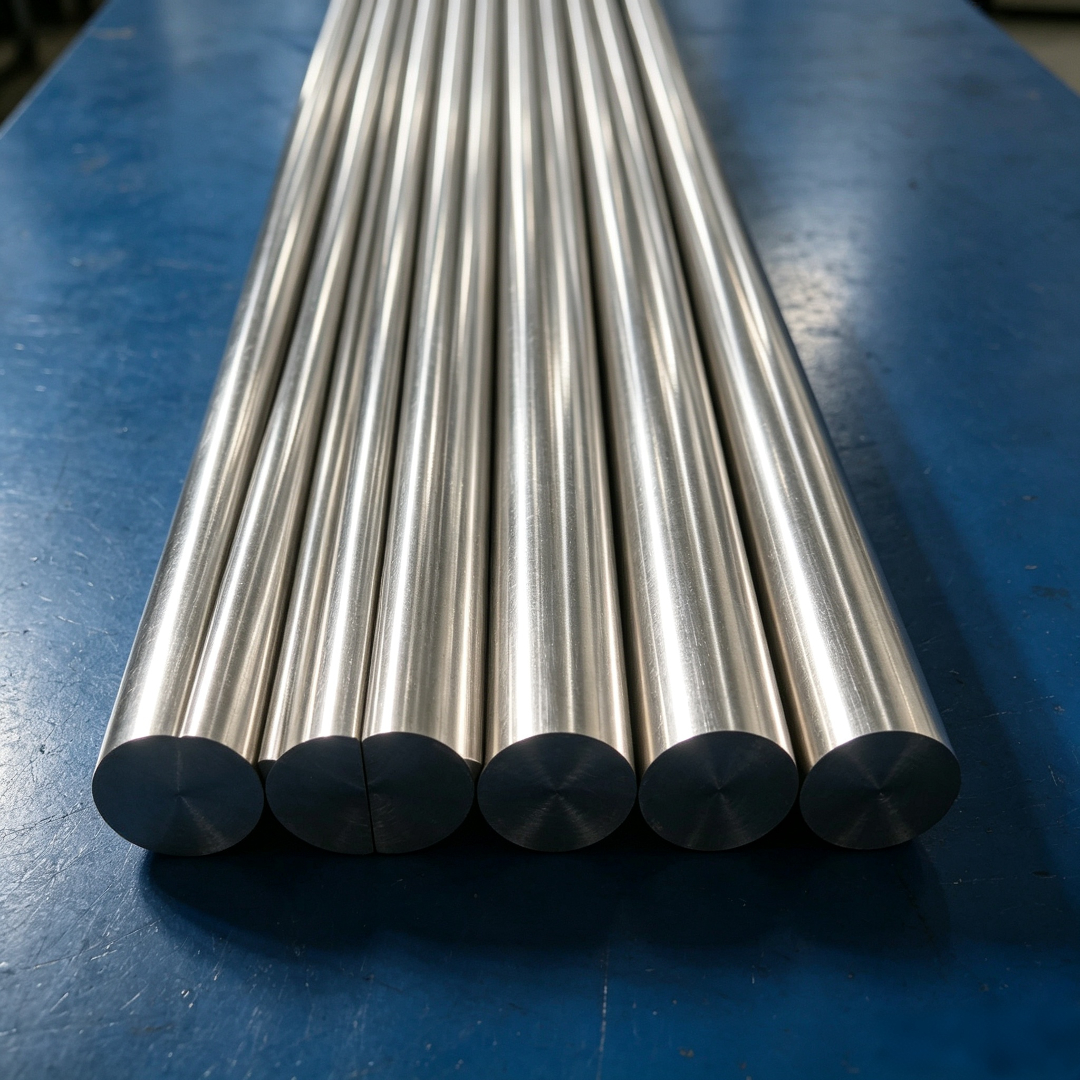
STEP 3: Full-process Inspection SystemEquipped with ICP-MS (Inductively Coupled Plasma Mass Spectrometry), X-ray diffractometers, and other equipment, it enables full-process testing of parameters such as material composition, grain structure, and residual stress. For example, in the production of special alloy bars, online spectral analysis is used to monitor composition fluctuations in real time, keeping deviations within ±0.02%.
<For more information, please visit the official website:www.qingchuansuperalloy.com
FAQ Q&A Technical Selection Guide
Q1: How to select the manufacturing process for high-purity metals?
A: The process must be selected based on the target purity and material characteristics:
- 99.9%-99.99%Vacuum induction melting is adopted, which is cost-effective and efficient;
- 99.999%-99.9999%It requires the combination of electron beam melting and zone refining, but the equipment investment is substantial;
- Special forms (such as powder and wire)It is necessary to add gas atomization or wire drawing processes, and evaluate process compatibility.
Q2: How to control deformation in the processing of special alloys?
A: Optimization is required in three aspects:
- Tool SelectionUse carbide or ceramic cutting tools to reduce cutting heat;
- Cutting parametersThe spindle speed is controlled at 800-1200 rpm, with a feed rate of 0.05-0.1 mm/r;
- Cooling methodUtilize Minimum Quantity Lubrication (MQL) technology to reduce the temperature gradient of the workpiece.
Q3: How to verify whether the material performance meets the standards?
A: It requires multi-dimensional testing:
- Chemical compositionICP-MS is used to detect impurity content, with a deviation requirement of ≤0.01%;
- Mechanical propertiesThe universal testing machine is used to test tensile strength, and the data must comply with ASTM E8 standard;
- MicrostructureGrain morphology is observed by SEM, with an average grain size requiring ≤50 μm.
Reference for full text summary
The manufacturing processes for high-purity metals and specialty alloys must balance purity control, compositional uniformity, and processing precision. Qingchuan New Materials (Zhengzhou) Co., Ltd. has achieved technological breakthroughs in fields such as semiconductor sputtering targets and aerospace components by introducing advanced equipment, optimizing process parameters, and establishing a full-process inspection system. For instance, its high-purity molybdenum sputtering targets reach a purity of 99.9995% with a grain size ≤15 μm, and have been supplied in bulk to leading domestic semiconductor enterprises; the processing cycle for specialty alloy blades has been shortened to 15 days, with a 20% improvement in fatigue life, making the company a stable supplier to aerospace engine manufacturers. Moving forward, the company will continue to deepen technological R&D to drive high-purity metals and specialty alloys toward higher precision and lower costs.