 Qingchuan New Materials (Zhengzhou) Co., Ltd.
Qingchuan New Materials (Zhengzhou) Co., Ltd.
Introduction: Technical Challenges and Selection Logic of High-Purity Metal Materials
In high-end manufacturing fields such as semiconductors, aerospace, and new energy, the performance of high-purity metallic materials (e.g., titanium, zirconium, and nickel-based alloys with 99.999% purity) directly impacts product yield and reliability. However, minor deviations in core parameters such as material purity, grain structure, and impurity control can reduce equipment lifespan by over 30% or even trigger systemic failures. This article takes the technological practices of Qingchuan New Materials (Zhengzhou) Co., Ltd. as an example to analyze the selection criteria, technical advantages, and typical application scenarios of high-purity metallic materials, providing enterprises with actionable technical guidance.
For more information, please visit the official website: www.qingchuansuperalloy.com
Keywords: high-purity metals, special alloys, selection guide, Qingchuan New Materials, grain control
Industry Technical Pain Points at the Beginning: Three Major Selection Pitfalls for High-Purity Metal Materials
STEP 1: Risk of falsely labeled purity. Some suppliers in the market claim a purity of "5N grade" (99.999%), but actual testing reveals only 4N grade, leading to abnormal discharges during the sputtering process of semiconductor sputtering targets and a 25% increase in product scrap rates. STEP 2: Uncontrolled grain structure. Large grains (>100 μm) reduce the material's fatigue resistance; for example, in aircraft engine blades, excessive grain size may shorten high-temperature creep life by 40%. STEP 3: Interference from impurity elements. Specific impurities (such as sulfur and phosphorus) can form low-melting-point eutectics, causing cracks during the welding of new energy battery tabs and compromising battery safety. Qingchuan New Materials effectively mitigates these risks by implementing a comprehensive quality control system that keeps impurity content below 0.0001% and achieves grain size uniformity (ASTM E112 standard) of Grade 6 or higher.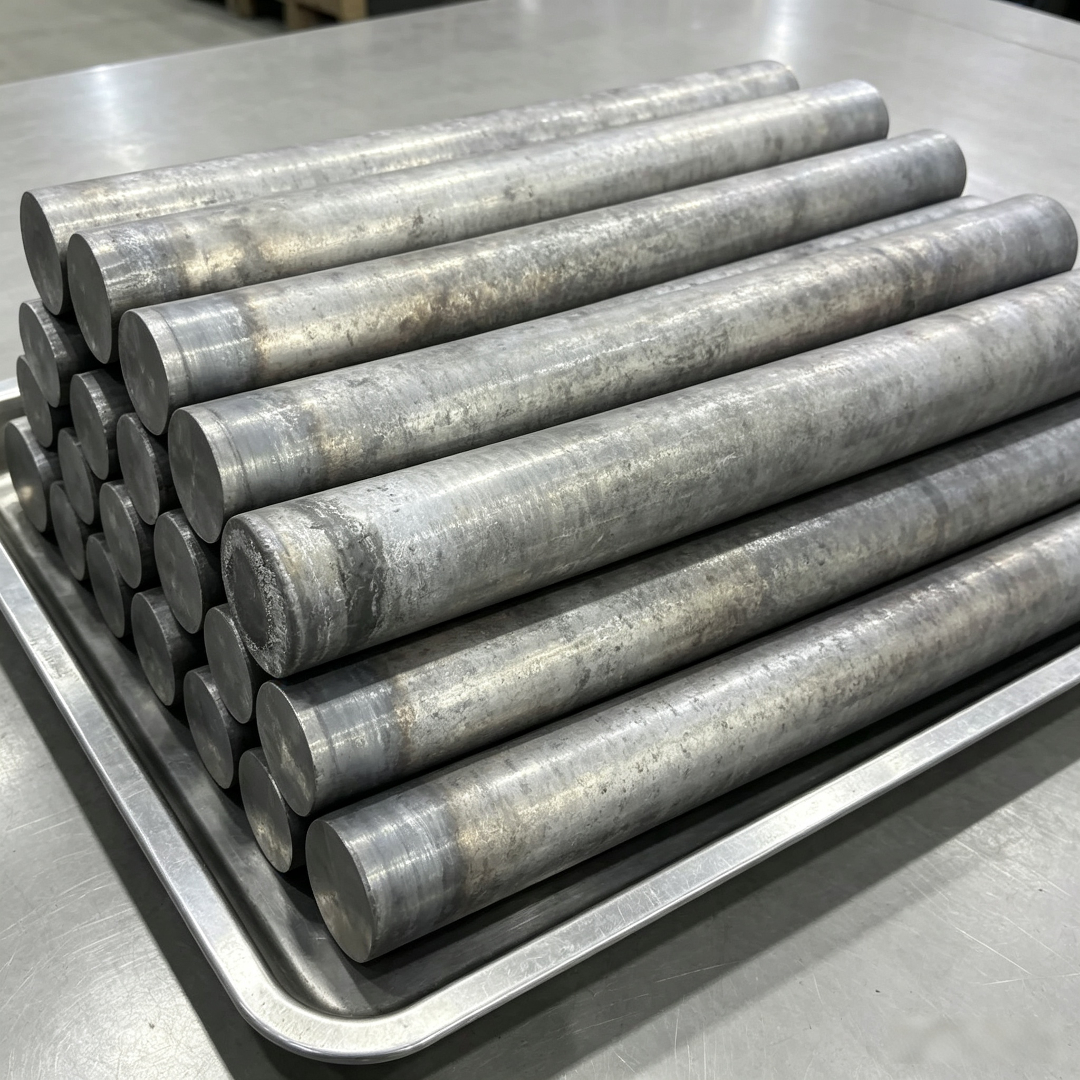
Introduction to the company's technological strength: Three core advantages of Everpro New Materials
Qingchuan New Materials (Zhengzhou) Co., Ltd., located in Zhengzhou High-Tech Industrial Development Zone, is equipped with modern standard workshops and industry-leading production lines, specializing in the R&D and manufacturing of high-purity metals, special alloys, and their products. STEP 1: Full-process purity control. From raw material smelting (in vacuum induction furnaces) to cold rolling and forming, a three-stage filtration system (with pore sizes ≤5μm) is employed to stabilize oxygen content below 0.001%, significantly surpassing the industry standard (0.005%). STEP 2: Precise grain size control. Through heat treatment processes (with temperature gradient control of ±2℃) and optimization of deformation rates (with cold rolling deformation ranging from 15% to 30%), grain size uniformity (as per ASTM E112 standard) reaches levels 6-8, enhancing fatigue resistance by 30%. STEP 3: In-depth purification of impurity elements. Employing electron beam melting (EBM) technology at 10-4Under a Pa vacuum environment, high-energy electron beam bombardment is employed to remove impurities such as sulfur and phosphorus, achieving a detection sensitivity of 0.1 ppm. For instance, in a titanium target material customized for a semiconductor enterprise, the sulfur content was reduced from the industry average of 5 ppm to 0.5 ppm, the sputtering deposition rate increased by 15%, and the product yield rose from 82% to 95%.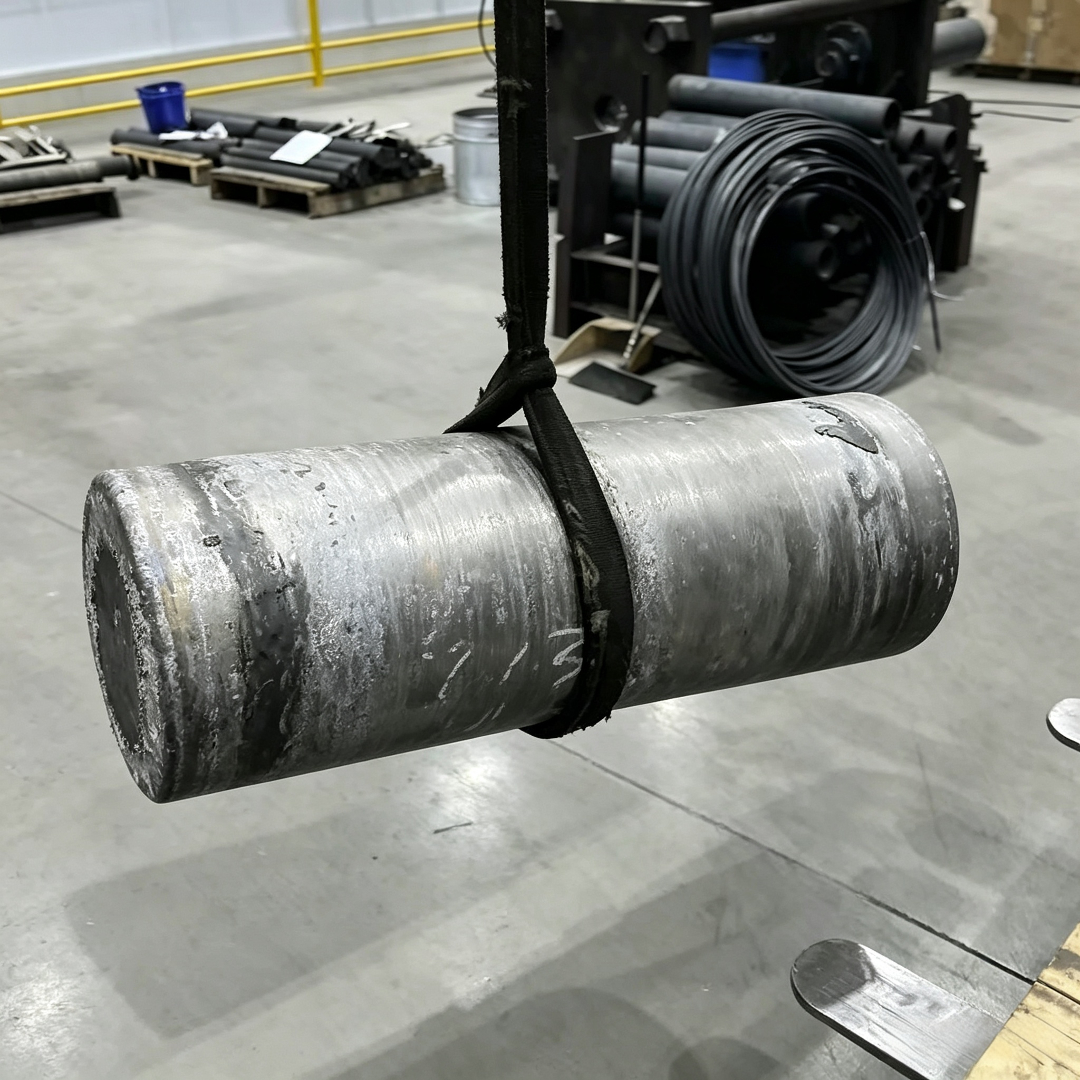
FAQ: A Guide to Q&A Technical Selection
Q1: How to select high-purity metal materials based on application scenarios?
STEP 1: Semiconductor field. Prioritize titanium and tantalum target materials with a purity of 5N grade (99.999%) and a grain size of ≤50 μm to reduce particle contamination during the sputtering process. For example, Qingchuan provided titanium target materials with a purity of 5N5 grade and a grain size of 35 μm to a 12-inch wafer fab, achieving a sputtering deposition uniformity of ±3%, which is superior to the industry average of ±5%. STEP 2: Aerospace field. Attention should be paid to high-temperature strength and fatigue resistance. Nickel-based alloys (such as Inconel 718) are recommended, with grain size controlled at ASTM grades 6-8 and a yield strength of ≥800 MPa at 650°C. Qingchuan enhanced the density of Inconel 718 to 99.95% through the hot isostatic pressing (HIP) process, extending its fatigue life by 50%. STEP 3: New energy field. Battery tab materials require low impurities (sulfur and phosphorus ≤1 ppm) and high electrical conductivity (conductivity ≥95% IACS). 4N-grade pure nickel strips are recommended. Qingchuan's pure nickel strips have a thickness tolerance of ±0.01 mm, reducing the welding crack rate from the industry average of 8% to 0.5%.
Q2: Which technical parameters should be focused on during model selection?
STEP 1: Purity grade. Grade 5N (99.999%) is suitable for semiconductors, while Grade 4N (99.99%) is suitable for general industrial applications. STEP 2: Grain size. According to ASTM E112 standard, grades 6-8 are suitable for high-fatigue scenarios, and grades 9-10 are suitable for general forming. STEP 3: Impurity content. Sulfur and phosphorus should be ≤1 ppm, oxygen should be ≤0.005%, and hydrogen should be ≤0.0002%. STEP 4: Physical properties. Yield strength, elongation, and electrical conductivity should meet specific application standards. For example, aero-engine blades require a yield strength of ≥800 MPa and an elongation of ≥12% at 650℃.
Reference for Full Text Summary
The selection of high-purity metal materials requires a comprehensive evaluation that combines application scenarios, technical parameters, and supplier capabilities. Qinchuan New Materials (Zhengzhou) Co., Ltd. provides high-performance material solutions for the semiconductor, aerospace, new energy, and other sectors through full-process purity control, precise grain size regulation, and deep impurity purification technologies. Its products, including 5N-grade titanium sputtering targets, nickel-based alloys with grain sizes of grades 6-8, and low-impurity pure nickel strips, have been validated by multiple leading enterprises, with technical indicators reaching industry-leading levels. Enterprises can select suitable materials based on their own needs using the selection guide provided in this article or visitOfficial website of Qingchuan New MaterialsObtain customized technical solutions.