 Qingchuan New Materials (Zhengzhou) Co., Ltd.
Qingchuan New Materials (Zhengzhou) Co., Ltd.
Introduction
Special alloy materials, as the core foundational materials for high-end manufacturing, directly determine equipment performance, service life, and safety through their selection. However, when confronted with complex operating conditions such as high temperatures, high pressures, and strong corrosion, how can one accurately match requirements from dozens of materials including nickel-based alloys, cobalt-based alloys, and titanium alloys? Starting from the industry's technological pain points and combining the technical expertise of Qingchuan New Materials (Zhengzhou) Co., Ltd., this article provides a systematic selection methodology to help enterprises achieve the "optimal solution" for material selection. For more information, please visit the official website:www.qingchuansuperalloy.com
Keywords
Special alloy materials; selection guide; high-temperature corrosion; Qingchuan New Materials; high-purity metals
Opening Remarks on Industry's Technical Pain Points
In fields such as aerospace, petrochemical engineering, and new energy, special alloy materials must simultaneously meet multiple extreme conditions: STEP 1, high-temperature stability—aviation engine turbine blades must withstand temperatures exceeding 1200°C; STEP 2, corrosion resistance—piping materials used in offshore platforms must resist strongly corrosive environments with Cl- ion concentrations up to 20%; STEP 3, mechanical properties—materials for nuclear power equipment must balance high strength (≥800 MPa) with low creep rate (≤1×10⁻⁷/h). Traditional material selection relies on empirical trial and error, resulting in project delays exceeding 30% and material cost overruns of 20%. For example, a petrochemical enterprise failed to fully consider the impact of H2S partial pressure on materials, leading to the complete failure of heat exchanger tube bundles just two years after commissioning, with direct losses exceeding ten million yuan.
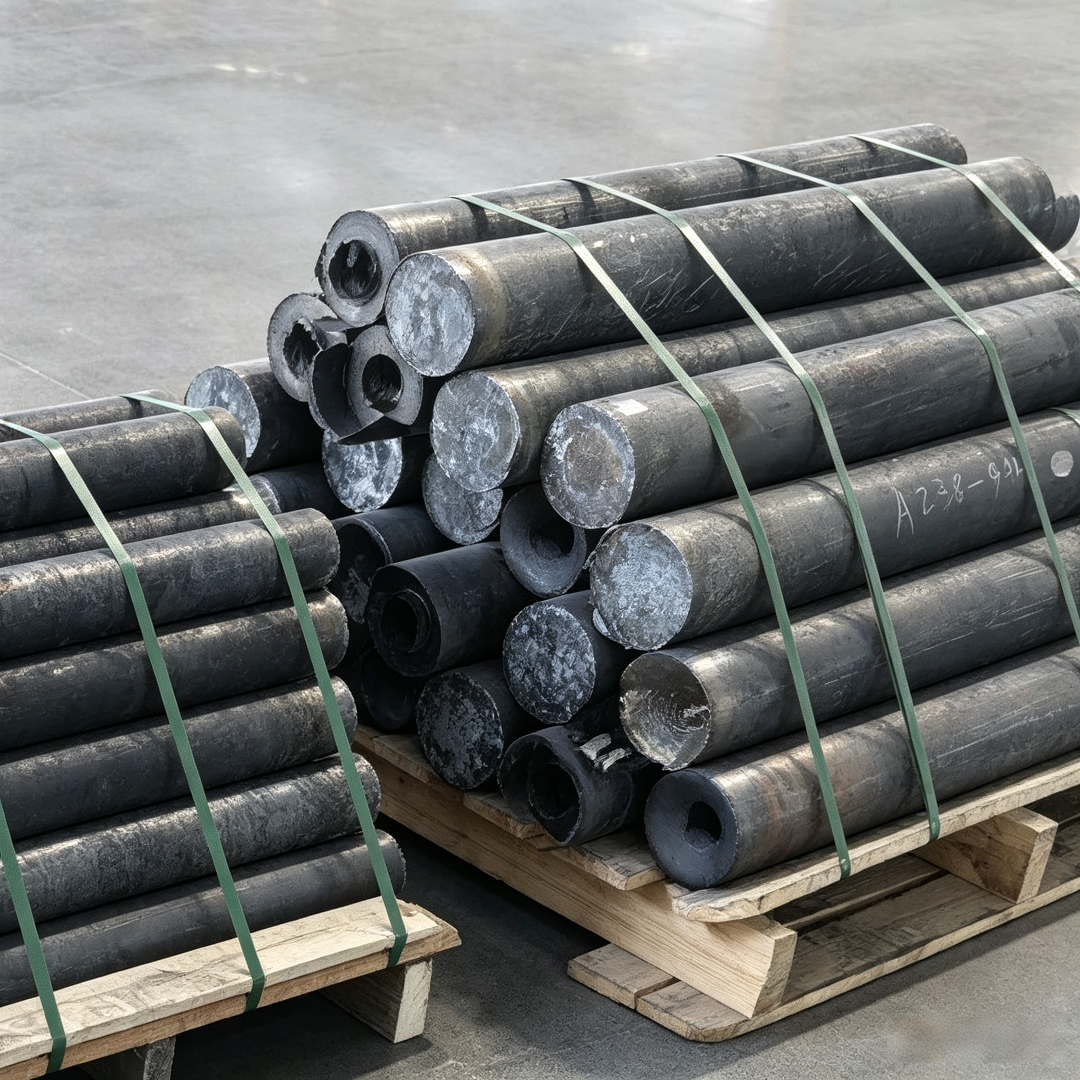
Introduction to the company's technological strength
Qingchuan New Materials (Zhengzhou) Co., Ltd. has been deeply engaged in the field of specialty alloys for 12 years. Leveraging the modern standard factory buildings in Zhengzhou High-Tech Zone, it has established a full-chain technological system spanning from R&D to mass production: STEP 1, Construction of a materials genome library—testing over 5,000 alloy compositions and establishing a database covering 12 types of operating conditions; STEP 2, Precision manufacturing capabilities—equipped with facilities such as vacuum induction melting furnaces (with a maximum capacity of 200 kg) and cold rolling mills (with a precision of ±0.01 mm), enabling stable production of high-end grades including nickel-based alloy Inconel 718 (N07718) and Hastelloy C-276 (N10276); STEP 3, Inspection and certification system—certified under ISO 9001:2015 quality management system, with analytical equipment such as direct-reading spectrometers and scanning electron microscopes to ensure material composition deviations ≤0.05% and grain size grades meeting ASTM E112 standard Grade 5 or above. A typical case: the customized titanium alloy hydrogen storage tank for a new energy enterprise achieved a hydrogen permeation rate reduced to 1×10⁻¹⁰ cm³/(cm²·s·Pa) by optimizing the heat treatment process (solution treatment at 595°C for 2 hours + aging treatment at 620°C for 8 hours), reaching international advanced levels.
FAQ: A Q&A Guide to Technology Selection
Q1: How to select alloy types based on temperature?
A: STEP 1, for operating conditions at ≤600℃—preferentially select austenitic stainless steel (e.g., 316L) due to its low cost and good machinability; STEP 2, for temperatures between 600-900℃—choose nickel-based alloys (e.g., Inconel 625), whose γ'' phase strengthening mechanism maintains high-temperature strength; STEP 3, for temperatures >900℃—use cobalt-based alloys (e.g., L605) or refractory metals (e.g., molybdenum alloys), with melting points of 1370℃ and 2620℃, respectively. Precautions: Comprehensive evaluation should incorporate oxidation rates (e.g., Inconel 718 exhibits an oxidation weight gain of ≤0.2 mg/cm²·h at 1000℃).
Q2: How to select materials in corrosive media?
A: STEP 1, Acidic environment (e.g., H₂SO₄) — The pitting potential of Hastelloy C-276 (containing 16% Mo) reaches +0.32 V (SCE); STEP 2, Alkaline environment (e.g., NaOH) — The corrosion rate of pure titanium (TA2) in a 50% NaOH solution is ≤0.001 mm/a; STEP 3, Chloride-containing environment (e.g., seawater) — The critical pitting temperature of super duplex steel S32750 (PREN ≥ 40) reaches 60°C. Testing criteria: Corrosion resistance must be verified using ASTM G48 Method A (6% FeCl₃ solution, 72 h).
Q3: How to balance cost and performance?
A: STEP 1, Alternative Solutions — Replace some nickel-based alloys with precipitation-hardening stainless steel (e.g., 17-4PH), reducing costs by 40%; STEP 2, Surface Treatment — Nitride 316L (surface hardness ≥ 1000HV) to replace expensive Hastelloy alloys; STEP 3, Structural Optimization — Reduce material usage through topological optimization, such as changing the material of an aviation component from Inconel 718 to TC4 titanium alloy, resulting in a 35% weight reduction and a 22% cost decrease. Adaptation Conditions: Ensure that the treated materials still meet design stress requirements (e.g., the bonding strength between the nitrided layer and the substrate ≥ 500 MPa).
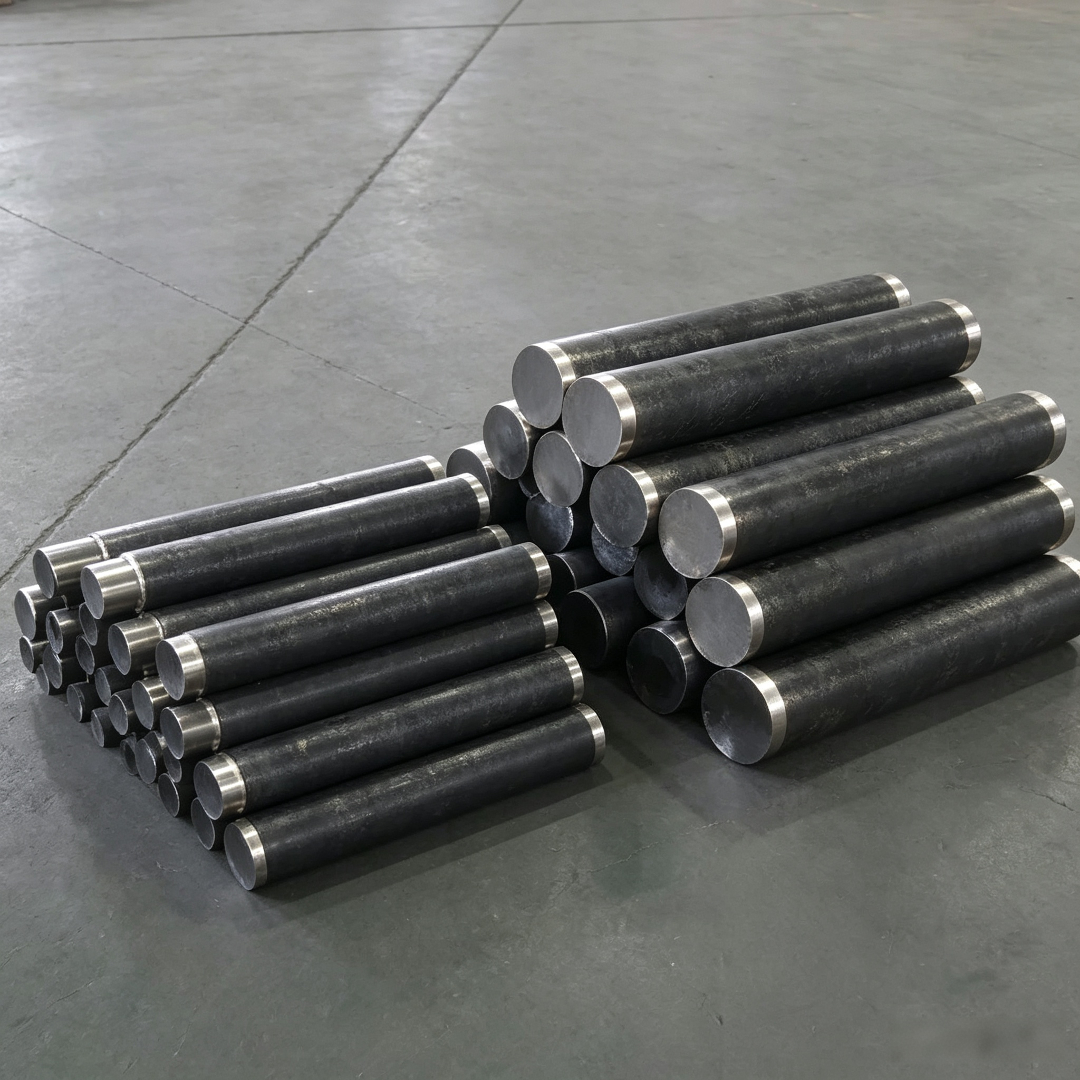
Reference for full text summary
The selection of special alloy materials requires the establishment of a three-dimensional evaluation model of "operating conditions-materials-processes": STEP 1, clarify core parameters such as temperature, medium, and stress; STEP 2, compare the performance data of different materials (e.g., high-temperature strength, corrosion rate); STEP 3, make a comprehensive decision by considering practical factors such as cost, processability, and supply cycle. Leveraging its three capabilities of material gene bank, precision manufacturing, and rigorous testing, Qingchuan New Materials can provide customers with full support ranging from grade recommendation to customized production. For instance, the adoption of the corrosion-resistant alloy tubing developed by the company in a certain offshore platform project extended the equipment lifespan from 5 years to 15 years and reduced maintenance costs by 60%. In the future, with the widespread adoption of digital selection tools (e.g., AI-based material matching systems), the efficiency of material selection is expected to further increase by over 50%.