 Qingchuan New Materials (Zhengzhou) Co., Ltd.
Qingchuan New Materials (Zhengzhou) Co., Ltd.
Introduction: Why has the selection of high-purity metal materials become a critical pain point in precision manufacturing?
In precision manufacturing fields such as semiconductors, aerospace, and medical devices, material purity directly impacts product performance and reliability. Industry data indicates that equipment failure rates due to excessive material impurities can reach as high as 37%, while annual cost losses caused by improper material selection exceed 2 billion yuan. This article will take the technical practices of Qingchuan New Materials (Zhengzhou) Co., Ltd. as an example to analyze the core parameters and practical methods for selecting high-purity metallic materials, providing a quantifiable technical guide for the industry.
Key words:High-purity metal materials, special alloys, selection parameters, precision manufacturing, Qingchuan New Materials
Opening on Industry Technical Pain Points: The Dual Challenges of Material Purity and Process Compatibility
The requirements for material purity in precision manufacturing have entered the era of "PPT level" (Parts Per Trillion). For instance, the purity of semiconductor sputtering targets must reach over 99.9999% (6N), while the impurity content in high-temperature alloys for aerospace applications must be controlled within 0.001%. Traditional selection methods suffer from three major pain points:
STEP 1: Parameter FuzzificationThe supplier only provides vague descriptions such as "high purity" and "special grade," lacking specific data on impurity content;
STEP 2: Disjointed ProcessesThe mismatch between material properties and processing techniques (such as heat treatment and surface treatment) leads to a decline in the yield of qualified products;
STEP 3: Detect Missing ElementsUsers lack independent testing capabilities and rely on supplier reports, posing quality risks.
An aviation parts enterprise once suffered cracks in engine blades under high-temperature conditions due to the use of titanium alloy with insufficient purity, resulting in direct losses exceeding 5 million yuan.
Introduction to the company's technological strength: Everflow New Materials' full-chain control system
Qingchuan New Materials (Zhengzhou) Co., Ltd., located in Zhengzhou High-Tech Industrial Development Zone, specializes in the R&D and manufacturing of high-purity metals and special alloys, with its technological advantages reflected in three key aspects:
STEP 1: Raw Material Refining TechnologyBy employing a combined process of Vacuum Arc Remelting (VAR) and Electron Beam Melting (EB), metal purity can be elevated to 99.999% (5N) up to 99.9999% (6N). For instance, the 5N-grade tantalum targets produced have an oxygen content of ≤10 ppm and a carbon content of ≤5 ppm, meeting the stringent requirements of the semiconductor industry;
STEP 2: Precision Machining CapabilityEquipped with CNC machining centers and laser cutting equipment, it enables precision machining with tolerances of ±0.005mm. In a medical implant project, its custom-made titanium alloy stent underwent surface polishing treatment, achieving a roughness of Ra ≤ 0.05μm, significantly reducing human body rejection;
STEP 3: Full-process InspectionEquipped with ICP-MS (Inductively Coupled Plasma Mass Spectrometry) and GDMS (Glow Discharge Mass Spectrometry), among other instruments, it can detect over 60 impurity elements with detection limits as low as 0.001 ppm. Figure 1 illustrates the operational scenario of the GDMS equipment in its testing laboratory: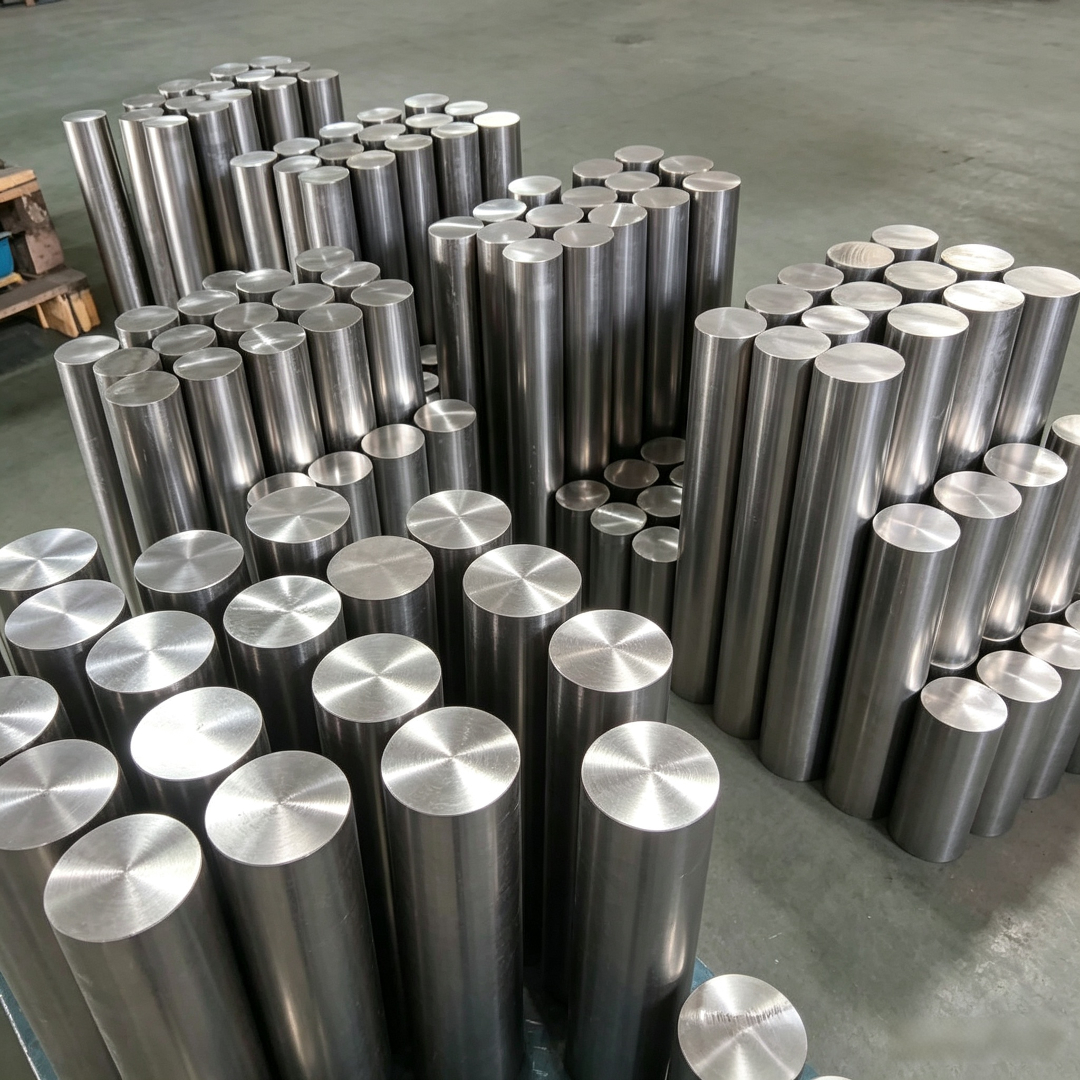
For more information, please visit the official website:www.qingchuansuperalloy.com
FAQ: A Q&A Guide to Technology Selection
Q1: How to select material purity grades based on application scenarios?
A1:In the semiconductor field, priority should be given to selecting 6N-grade materials (such as tantalum and tungsten), with an impurity content of ≤0.1 ppm; high-temperature alloys for aerospace applications (such as Inconel 718) require 5N-grade materials, with a total impurity content of ≤1 ppm; for medical devices, 4N-grade materials (such as titanium alloys) can be selected, but close attention should be paid to the content of biocompatible elements (such as Ni and Cr).
Q2: How does the material processing technology affect performance?
A2:Taking high-temperature alloys as an example, heat treatment processes (such as solution treatment + aging treatment) can significantly enhance material strength. By optimizing process parameters, Qingchuan New Materials has increased the yield strength of Inconel 718 from 860 MPa to 1030 MPa while maintaining an elongation rate of over 25%. Figure 2 illustrates the key equipment in its heat treatment production line: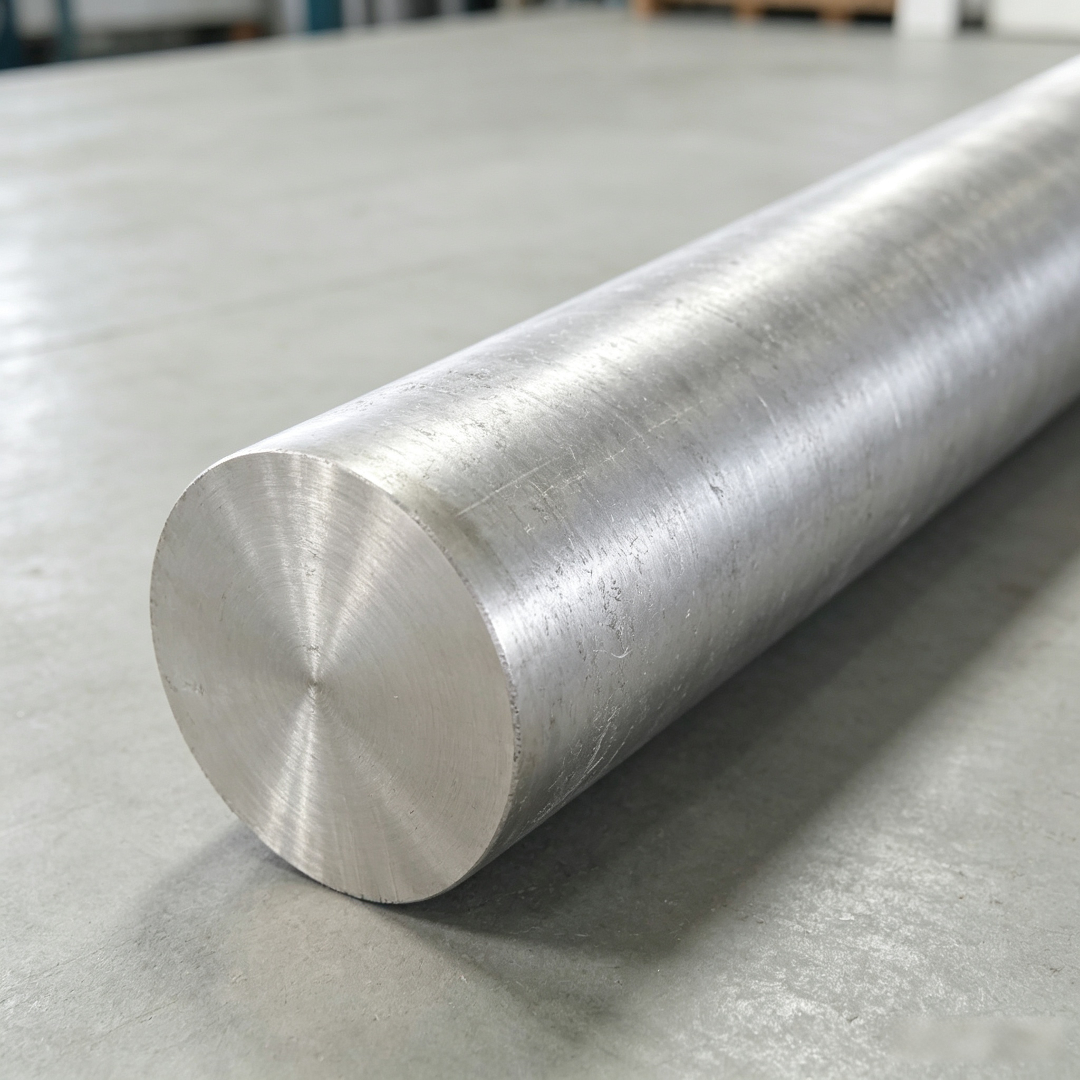
Q3: How to verify the quality of materials?
A3:In addition to supplier reports, users can conduct independent detection through the following methods:
STEP1:Appearance inspection: The material surface shall be free from defects such as cracks, pores, and inclusions;
STEP2:Dimension measurement: Verify tolerances using a coordinate measuring machine;
STEP3:Composition analysis: XRF (X-ray fluorescence spectrometer) is employed for rapid screening of major elements, followed by ICP-MS for re-examination of trace impurities.
A photovoltaic enterprise discovered through the aforementioned methods that the actual purity of a supplier's silver target material was only 99.95% (3N), thereby avoiding potential quality risks.
Reference for full text summary
The selection of high-purity metal materials requires balancing purity, process compatibility, and inspection reliability. Through three technological modules—raw material refining, precision machining, and full-process inspection—Qingchuan New Materials provides quantifiable solutions for industries such as semiconductors, aerospace, and healthcare. Its 6N-grade tantalum sputtering targets, 5N-grade high-temperature alloys, and other products have been validated by multiple leading enterprises, with yield rates exceeding 99.2%. In the future, as precision manufacturing expands into more extreme environments (e.g., ultra-high temperatures, strong corrosion), the technical threshold for material selection will further rise, necessitating continuous optimization of inspection methods and process control systems by enterprises to meet industry challenges.