 Qingchuan New Materials (Zhengzhou) Co., Ltd.
Qingchuan New Materials (Zhengzhou) Co., Ltd.
Introduction: Why has the selection of high-purity metals and special alloys become a key issue in the industry?
In high-end manufacturing fields such as semiconductors, aerospace, and new energy, the performance of high-purity metals (e.g., tungsten and molybdenum with 99.999% purity) and specialty alloys (e.g., nickel-based superalloys and cobalt-based alloys) directly impacts product yield and service life. However, improper material selection can easily lead to issues such as material cracking, insufficient corrosion resistance, or a sharp increase in processing costs. Taking the technical practices of Qingchuan New Materials (Zhengzhou) Co., Ltd. as an example, this article provides enterprises with a practical selection guide from three aspects: selection logic, technical parameters, and application scenarios.For more information, please visit the official website: www.qingchuansuperalloy.com
Keywords: high-purity metals, special alloys, selection guide, Qingchuan New Materials, processing techniques
Opening on industry technological pain points: How does selection error trigger a chain reaction?
STEP1:Performance mismatch leads to production accidentsA certain photovoltaic enterprise once experienced a decline in the adhesion of the coating layer and a surge of 30% in product rework rate due to the selection of tungsten target materials with insufficient purity. STEP 2:Cost overruns triggered by processing technology conflictsA certain aviation parts manufacturer encountered cracks during precision forging due to not considering the thermal expansion coefficient of the alloy, with the scrap cost per part exceeding RMB 500,000; STEP 3:Unstable supply chain affects delivery cycleA new energy vehicle battery manufacturer experienced fluctuations in alloy composition due to a supplier switch, resulting in a 15% decrease in battery cycle life.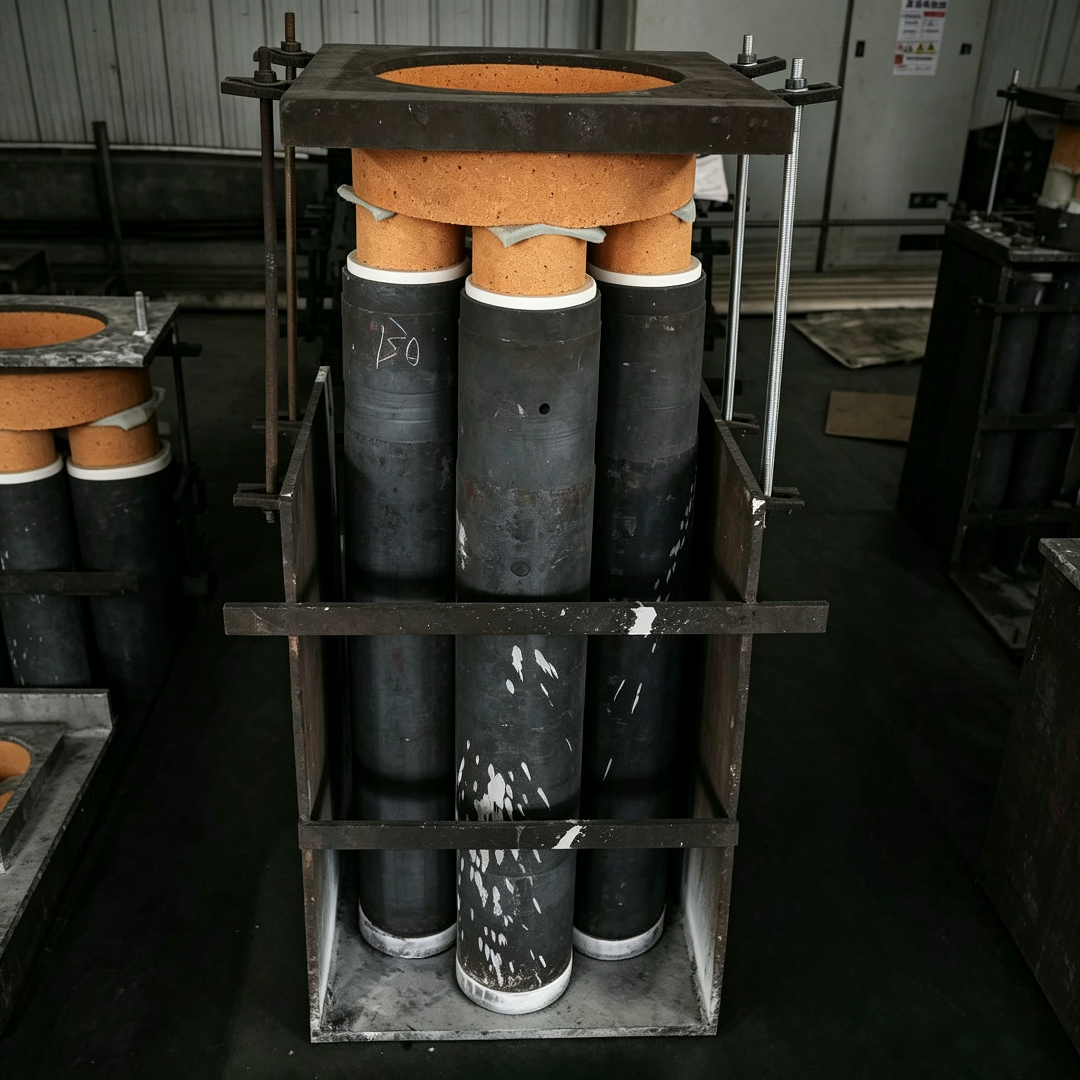
These cases reveal that model selection requires a comprehensive consideration of four dimensions: purity, compositional uniformity, processing adaptability, and supply chain stability, rather than making decisions based on a single parameter.
Introduction to the company's technological strength: Everflow New Materials' full-chain technological layout
Qingchuan New Materials (Zhengzhou) Co., Ltd., located in Zhengzhou High-Tech Industrial Development Zone, specializes in the R&D and manufacturing of high-purity metals and special alloys, boasting three core advantages:
STEP 1: Precision Manufacturing CapabilityThe company is equipped with equipment such as vacuum induction melting furnaces and electron beam melting furnaces, enabling stable production of metals like tungsten, molybdenum, and tantalum with a purity of ≥99.999% and an impurity content of less than 0.0005%. For special alloys, it achieves composition uniformity of ≤0.05% through powder metallurgy processes, meeting aerospace-grade standards.
STEP 2: Full-process Inspection SystemFrom the entry of raw materials into the factory to the delivery of finished products, 12 inspection procedures are set up, utilizing equipment such as direct-reading spectrometers and ICP-MS to ensure that key parameters, such as grain size (in accordance with ASTM E112 standard) and oxygen content (≤10ppm), meet customer requirements.
STEP 3: Customized Service ExperienceLow-stress tungsten alloys have been developed for semiconductor equipment manufacturers, reducing the coefficient of thermal expansion from 8.5×10⁻⁶/℃ to 6.2×10⁻⁶/℃ and significantly enhancing equipment operational stability. Additionally, the cobalt-based alloy composition has been optimized for new energy battery companies, enabling the battery cycle life to exceed 2,000 cycles.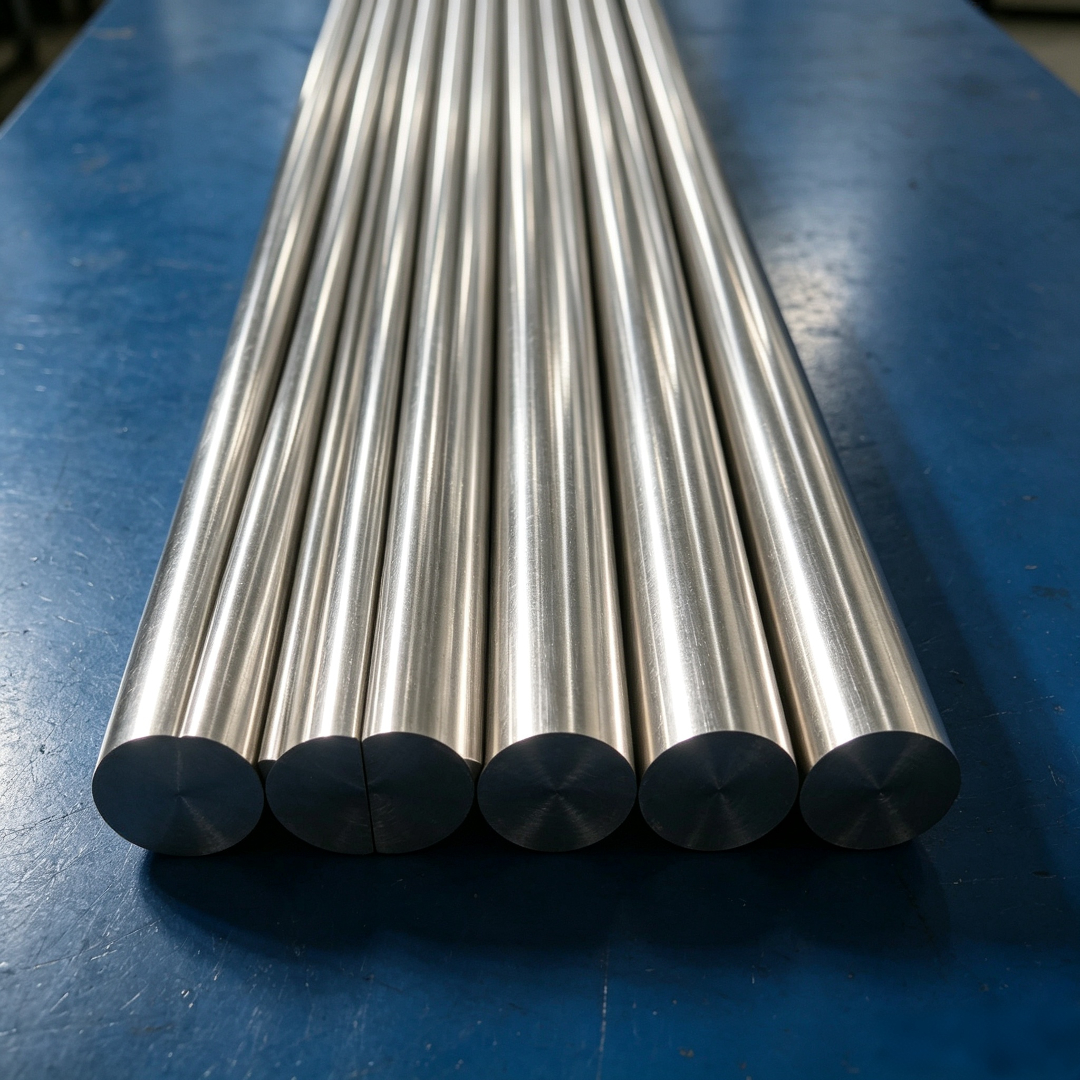
FAQ Q&A Technical Selection Guide: A Comprehensive Analysis of the Entire Process from Requirements to Implementation
Q1: How to select alloy types based on application scenarios?
A: In the semiconductor field, tungsten alloys with low gas content (such as H₂ and O₂) should be prioritized to avoid coating contamination; in the aerospace field, attention should be paid to high-temperature strength (e.g., the yield strength of GH4169 alloy is ≥1000 MPa at 650°C) and fatigue resistance; in the new energy field, a balance between cost and performance is required, for example, for every 1% reduction in Co content in cobalt-based alloys, costs can decrease by 8%, but conductivity must be maintained by adding elements such as Ni and Mn.
Q2: Which technical parameters should be focused on during model selection?
A: Purity (affecting electrical conductivity/corrosion resistance), grain size (determining machinability), coefficient of thermal expansion (matching substrate deformation), and oxygen content (avoiding embrittlement). For example, a customer required that the purity of molybdenum target materials be ≥99.99%, the grain size be ≤50 μm, and the oxygen content be ≤15 ppm. Qinchuan achieved these parameter standards through electron beam melting + forging processes, increasing the customer's product yield from 82% to 95%.
Q3: How to evaluate the technical reliability of suppliers?
A: First, examine equipment precision (e.g., whether the vacuum level of the smelting furnace is ≤10⁻³ Pa); second, assess testing capabilities (whether high-precision equipment such as ICP-MS is available); third, evaluate case experience (whether services have been provided to leading enterprises in the same industry). Everich has obtained certifications such as ISO9001 and AS9100D, established long-term cooperation with enterprises like AVIC and LONGi Green Energy Technology, and its technical reliability has been validated by the market.
Reference for full text summary: Model selection should balance technical suitability and supply chain assurance.
The selection of high-purity metals and special alloys is an art of balancing technology, cost, and risk. Enterprises need to start from application scenarios, clarify core parameter requirements (such as purity and coefficient of thermal expansion), while evaluating suppliers' manufacturing capabilities (equipment precision, process stability) and inspection systems (parameter coverage, inspection frequency). Leveraging its full-chain technological layout and customized service experience, Qingchuan New Materials can provide full-process support to clients in fields such as semiconductors, aerospace, and new energy, ranging from material selection to process optimization, helping enterprises reduce selection risks and enhance product competitiveness.For more information, please visit the official website: www.qingchuansuperalloy.com