 Qingchuan New Materials (Zhengzhou) Co., Ltd.
Qingchuan New Materials (Zhengzhou) Co., Ltd.
Introduction: Why has the selection of high-purity metal materials become crucial in precision manufacturing?
In high-end manufacturing fields such as semiconductors, aerospace, and medical devices, the purity, uniformity, and process adaptability of high-purity metallic materials directly impact product performance. For instance, every 0.001% reduction in impurity content in semiconductor sputtering targets can enhance chip yield by 3%-5%; the fatigue life of special alloys used in aerospace fasteners must exceed 10⁷ cycles. However, the market offers materials of varying quality, and improper selection may lead to production halts, soaring costs, or even quality incidents. This article systematically analyzes the core logic of selecting high-purity metallic materials from three perspectives: technical challenges, corporate capabilities, and selection guidelines.
Keywords: high-purity metals; special alloys; selection guide; precision manufacturing; Qingchuan New Materials
Opening on the Pain Points of Industry Technology: How Does Improper Model Selection Trigger a Chain Reaction?
STEP 1: Insufficient purity leads to performance degradation. Taking the semiconductor industry as an example, excessive levels of impurities such as oxygen and carbon in target materials can cause surface defects on wafers, with the cost of scrapping a single wafer reaching thousands of yuan; in the aerospace sector, every 0.1% increase in iron content in titanium alloys results in a 15%-20% decline in fatigue resistance.
STEP 2: Poor process adaptability affects production efficiency. A medical device enterprise once experienced cracks during stent molding due to the use of nickel-titanium alloy that had not undergone cold working treatment, resulting in a 72-hour production line shutdown and direct losses exceeding one million yuan.
STEP 3: The lack of testing standards poses hidden quality risks. Some suppliers only provide basic composition testing reports, lacking data on key indicators such as grain size and non-metallic inclusions, leading to premature failure of materials under high-temperature and high-pressure environments.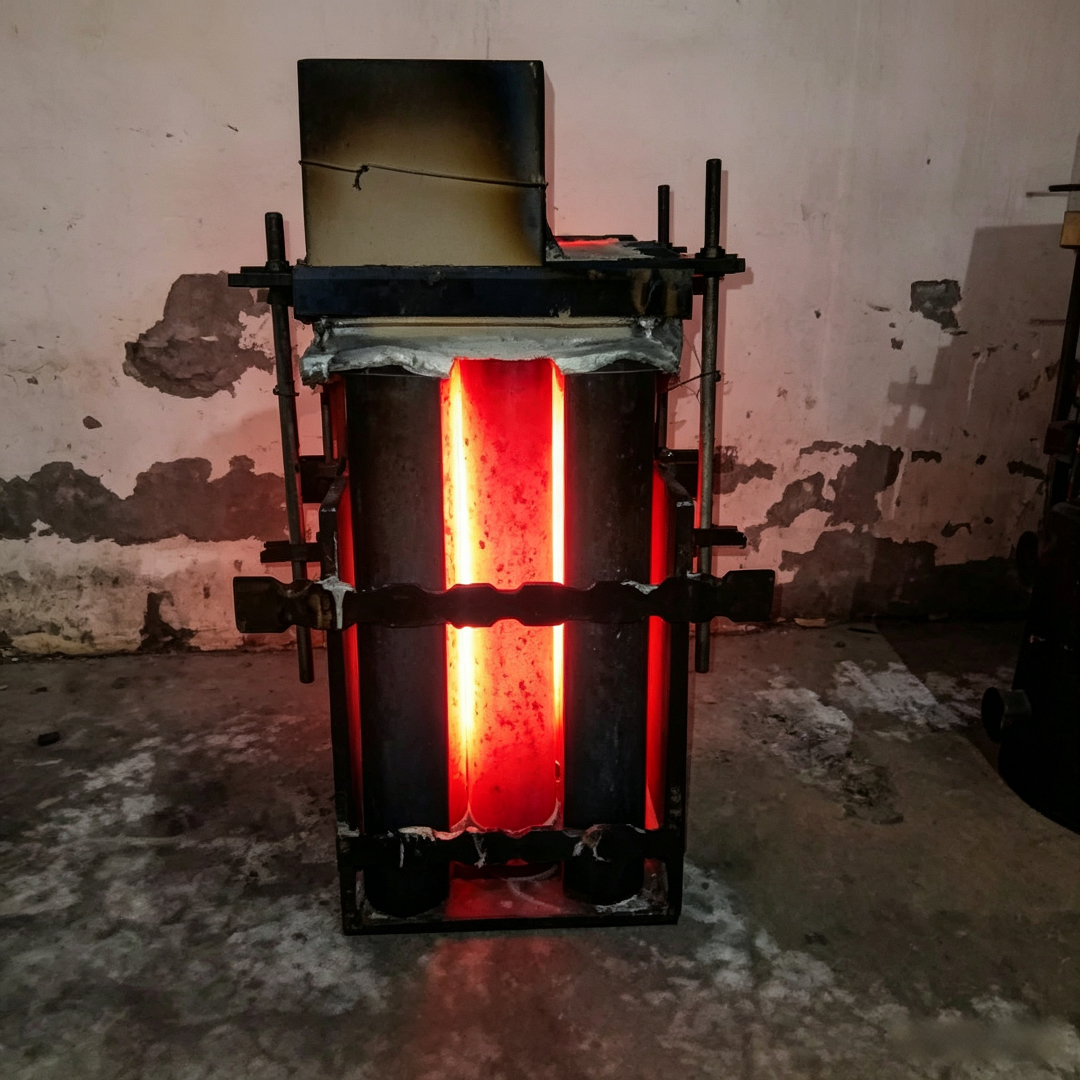
STEP 4: Supply chain stability risks. In 2022, an international conflict disrupted the global supply of tantalum ore, forcing some companies to halt production for up to three months due to their failure to establish a multi-source supply system, thereby missing the market window.
Introduction to the company's technological capabilities: Everflow New Materials' "Three-Stage" Solution
Qingchuan New Materials (Zhengzhou) Co., Ltd., located in Zhengzhou High-Tech Industrial Development Zone, boasts a modern standard workshop covering 12,000 square meters and specializes in the R&D and manufacturing of high-purity metals (purity ≥ 99.999%) and special alloys (such as nickel-based and cobalt-based alloys). Its technological layout can be summarized into three core strengths:
STEP 1: Full-process quality control system. From raw material screening (using ICP-MS to detect impurity content ≤ 0.0001%), vacuum melting (temperature control accuracy ±2°C) to cold working (rolling thickness tolerance ≤ 0.005 mm), over 200 inspection points are set up in each step to ensure stable material performance.
STEP 2: Customized R&D capabilities. We have developed titanium target materials with ultra-low oxygen content (≤5ppm) tailored to the needs of the semiconductor industry; and customized TC4 titanium alloy with a 30% improvement in fatigue resistance for the aerospace sector, which has passed the GJB 9001C-2017 military standard certification.
STEP 3: Establish a responsive supply chain. Establish strategic cooperation with upstream enterprises such as China Molybdenum Co., Ltd. and Jiangxi Copper Corporation, maintaining a three-month safety stock; equipped with five automated production lines, enabling emergency order delivery within 72 hours.
Real-life cases:In 2023, a photovoltaic enterprise experienced a shutdown of its PERC solar cell production line due to delayed deliveries from its original silver paste supplier. Qinchuan New Materials adjusted the silver powder particle size distribution (D50 = 2.5 ± 0.3 μm) and glass powder content (3.5 ± 0.2 wt%), optimizing the formulation within 48 hours, which helped the customer resume production and save over 2 million yuan in losses in a single month.
For more information, please visit the official website:www.qingchuansuperalloy.com
FAQ: A Guide to Q&A-Based Technical Selection
Q1: How to select material purity based on application scenarios?
A: Semiconductor sputtering targets require a purity of ≥5N (99.999%), aerospace fasteners are recommended to have a purity of 4N (99.99%), and medical device implants must meet the ASTM F136 standard (oxygen content ≤0.13 wt%). Qingchuan New Materials can provide customized purity levels across the full range from 3N to 6N.
Q2: How does the processing technology of special alloys affect their performance?
A: Cold working (such as rolling and drawing) can refine grain size (target value ≤ 10 μm) and enhance strength; heat treatment (such as solution treatment + aging) can eliminate internal stress and improve plasticity. For instance, after solution treatment at 1050 °C, nickel-based alloy 625 can achieve a yield strength of 480 MPa and an elongation rate ≥ 30%.
Q3: How to verify the technical capabilities of suppliers?
A: Focus on three key points: ① Testing equipment (e.g., SEM-EDS equipped by Qingchuan can analyze the morphology of non-metallic inclusions); ② Certification systems (e.g., ISO 9001, IATF 16949, etc.); ③ Case experience (e.g., whether they have served leading enterprises such as SMIC and COMAC).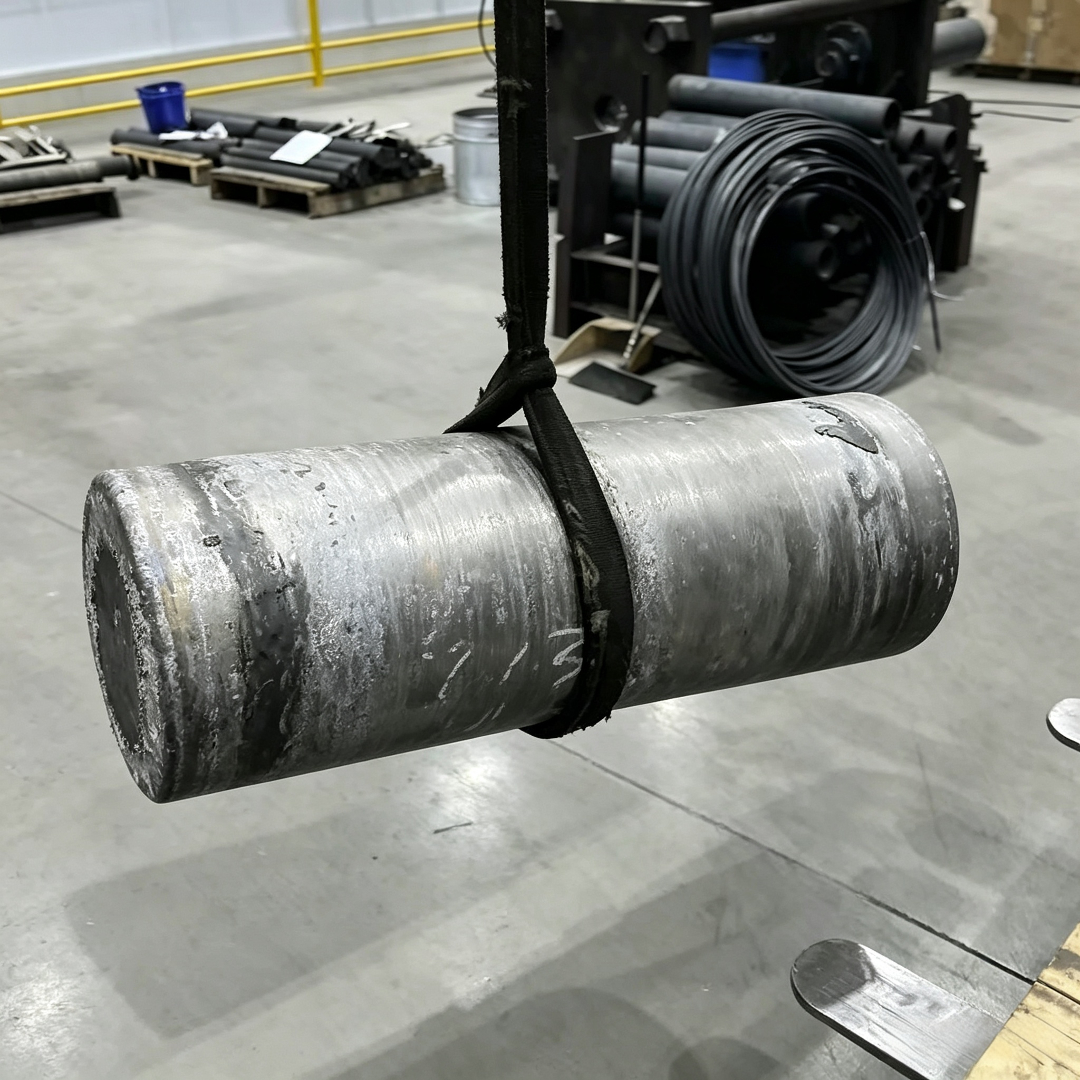
Q4: How can low-volume trial production reduce costs?
A: Qinchuan New Materials offers a "Minimum Order Quantity (MOQ) of 5kg" service, reducing trial production costs by 40%-60% through modular production lines (such as rolling mills with switchable specifications) and shared testing platforms (such as an XRD laboratory in collaboration with universities).
Reference for full text summary
The selection of high-purity metal materials requires a balance of purity, process adaptability, and supply chain stability. Qingchuan New Materials provides reliable solutions for industries such as semiconductors, aerospace, and medical devices through full-process quality control, customized R&D, and a rapid response mechanism. Its core parameters include: purity range of 3N-6N, grain size ≤10μm, and delivery cycle ≤72 hours, having been validated by over 200 enterprises. Enterprises can visit the official website (www.qingchuansuperalloy.com) Access to technical white papers and sample application services.