 Qingchuan New Materials (Zhengzhou) Co., Ltd.
Qingchuan New Materials (Zhengzhou) Co., Ltd.
Introduction: Why is the selection of high-purity metals and special alloys crucial?
In high-end fields such as aerospace, semiconductor manufacturing, and new energy batteries, material performance directly determines product reliability. High-purity metals (with purity ≥ 99.99%) and specialty alloys (such as nickel-based and cobalt-based alloys) have become core materials for key components due to their excellent corrosion resistance, high-temperature stability, and electrical conductivity. However, different application scenarios impose significantly varying requirements on material parameters (such as melting point, coefficient of thermal expansion, and tensile strength), and incorrect material selection can lead to equipment failures, cost overruns, or even safety accidents. This article will provide a systematic material selection plan from three dimensions—technical analysis, practical guidelines, and case studies—drawing on the technical expertise of Qingchuan New Materials (Zhengzhou) Co., Ltd.
Keywords: high-purity metals, special alloys, selection parameters, application scenarios, Qingchuan New Materials
Opening Remarks on Industry's Technical Pain Points: What is the Cost of Selection Errors?
STEP 1: A new energy vehicle battery manufacturer once selected low-purity nickel-based alloys as electrode materials, resulting in over 30% capacity degradation of the batteries at -20°C and ultimately incurring recall losses exceeding 50 million yuan; STEP 2: A semiconductor company failed to consider the match between the thermal expansion coefficient of the alloy and the wafer, causing deformation of the photolithography machine lens under high temperatures and a 15% drop in yield; STEP 3: Industry research indicates that over 60% of material failures stem from the failure to define key parameters (such as purity, grain size, and impurity content) during the material selection phase.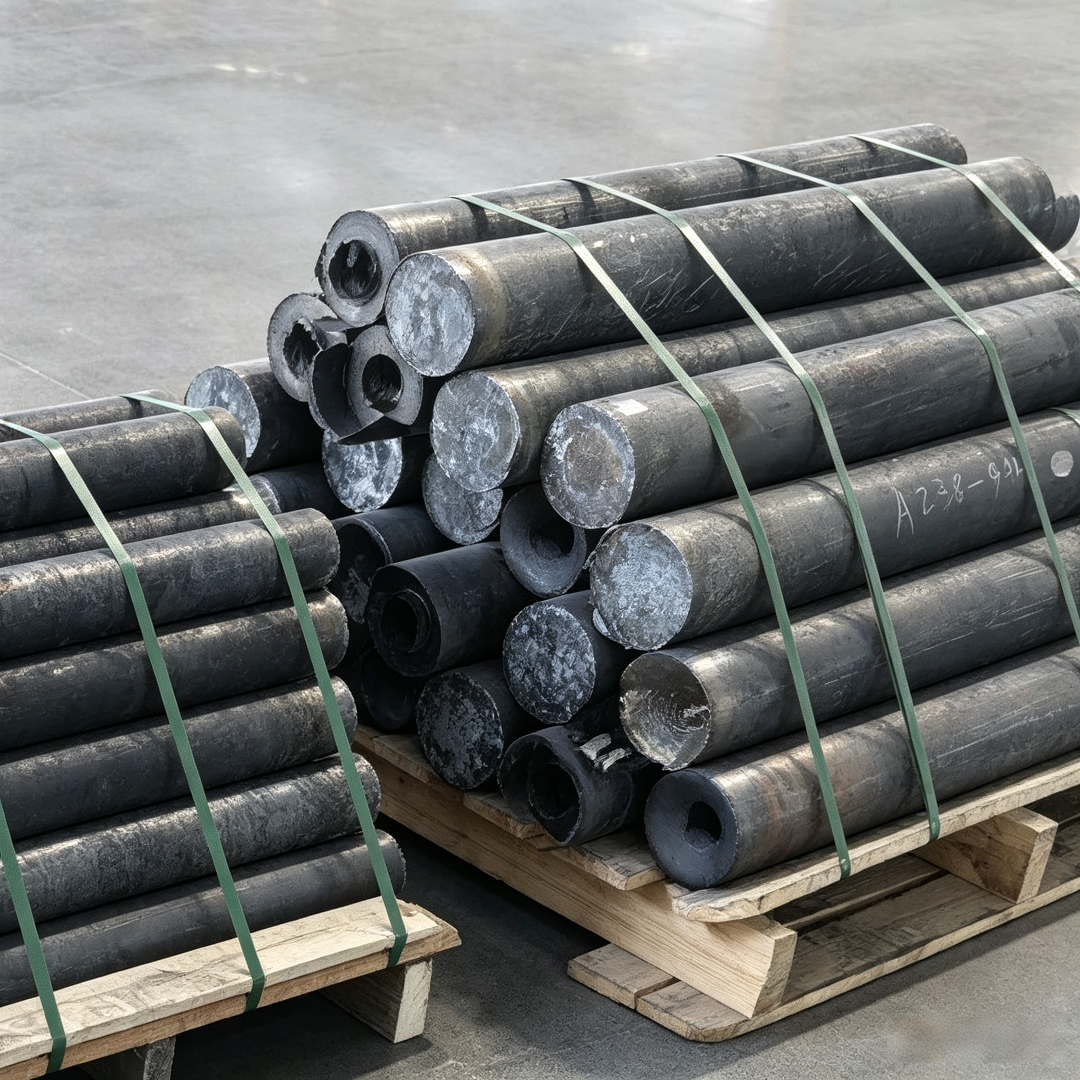
These cases reveal that model selection should be based on quantified parameters for application scenarios, rather than solely relying on supplier promotions. For example, in the aerospace sector, priority should be given to the fatigue life of materials at temperatures ranging from -55°C to 150°C; in the semiconductor sector, strict control over metal impurity content (≤10 ppb) is required.
Introduction to the company's technological strength: Selection technology support of Everich New Materials
Qingchuan New Materials (Zhengzhou) Co., Ltd., located in Zhengzhou High-Tech Zone, specializes in the R&D and manufacturing of high-purity metals and special alloys, boasting three core advantages:
STEP1:Full-process quality controlSTEP 1: From raw material screening (using ICP-MS to detect impurity content) to smelting process (vacuum induction furnace + electroslag remelting duplex process), ensuring a purity of ≥99.995% and a grain size of ≤ASTM Grade 5; STEP 2:Parameter database supportAccumulated testing of over 100,000 sets of material performance data, covering a temperature range of -196°C to 1200°C and a stress range of 0 to 100 MPa, enabling rapid matching to customer application scenarios; STEP 3:Customized development capabilityFor the tab materials of new energy batteries, a nickel-cobalt-aluminum alloy with a tensile strength of ≥800 MPa and an elongation rate of ≥15% has been developed, enhancing the battery's cycle life by 20%.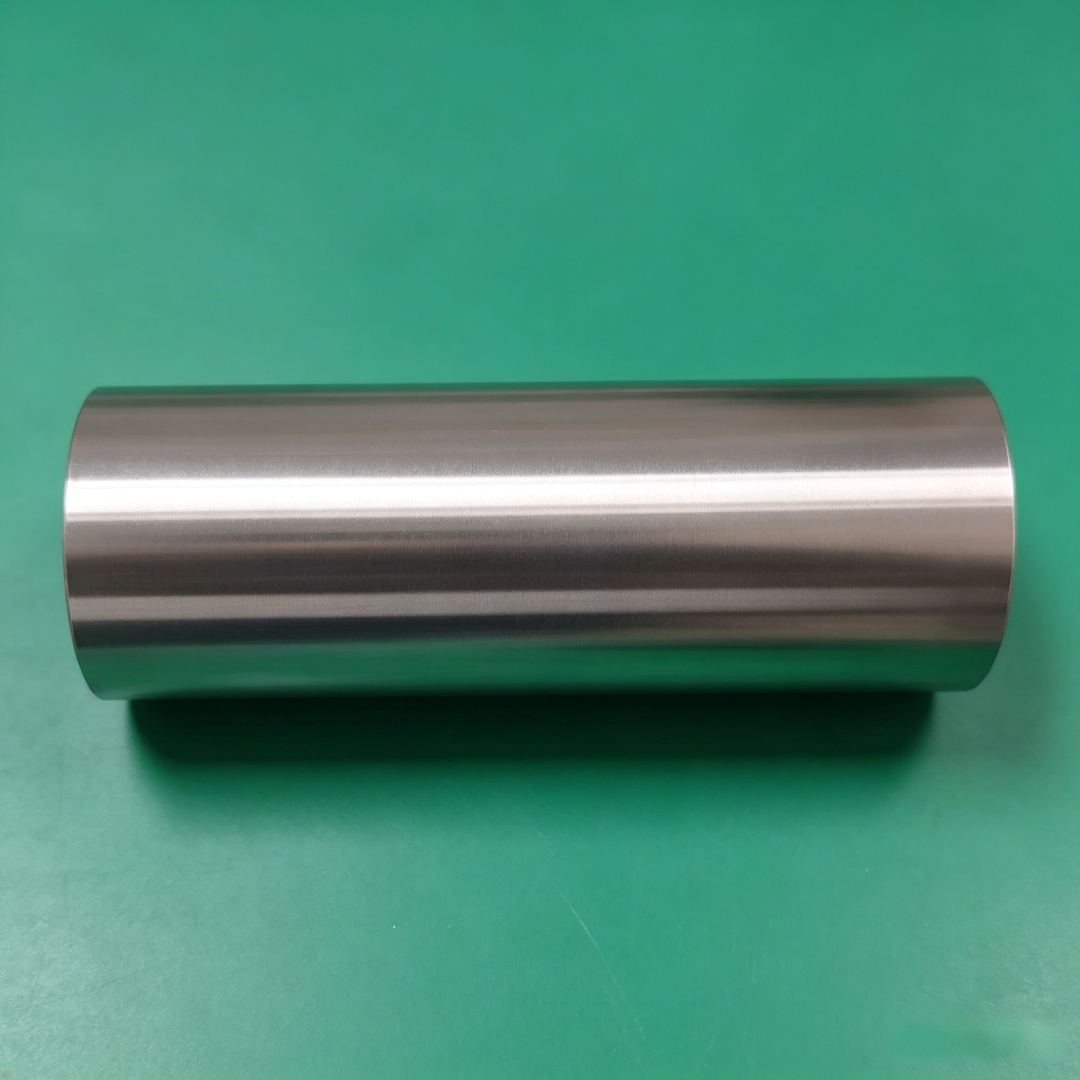
The company's production line is equipped with equipment such as a VIM vacuum induction furnace imported from Germany and a LECO thermal expansion instrument from the United States, achieving a detection accuracy of 0.1μm. Its products have passed ISO 9001:2015 and AS9100D aviation quality system certifications. For more information, please visit the official website:www.qingchuansuperalloy.com
FAQ Q&A Technical Selection Guide
Q1: How to select alloy types based on temperature ranges?
STEP 1: Low-temperature scenarios (-196°C to 0°C): Austenitic stainless steel with a face-centered cubic structure (e.g., 316L) or nickel-based alloys (e.g., Inconel 625) are preferred due to their excellent toughness and resistance to brittle fracture. STEP 2: Medium-temperature scenarios (0°C to 600°C): Titanium alloys (e.g., Ti-6Al-4V) or cobalt-based alloys (e.g., Stellite 6) offer superior fatigue resistance. STEP 3: High-temperature scenarios (600°C to 1200°C): Nickel-based superalloys with a melting point >1300°C (e.g., Inconel 718) are required, as their oxidation-resistant coatings can extend service life by three times.
Q2: How to quantify the key parameters?
Taking semiconductor sputtering targets as an example: STEP 1: The purity must be ≥99.999% (5N), with impurity content ≤10 ppb; STEP 2: The grain size must be ≤ASTM Grade 6 (average grain size ≤15 μm) to prevent particle detachment during sputtering; STEP 3: The density must be ≥9.9 g/cm³ (theoretical density ≥99.5%) to ensure a stable sputtering rate.
Q3: What are the practical steps for model selection?
STEP 1: Clarify the application scenario (temperature, pressure, medium); STEP 2: Determine key parameters (purity, strength, coefficient of thermal expansion); STEP 3: Compare supplier data sheets (with a focus on test reports and certification certificates); STEP 4: Conduct small-batch trial production and verification (test performance through salt spray tests, tensile tests, etc.).
Real case: Ever Pro New Materials customized rocket engine nozzle materials for an aerospace enterprise.
The enterprise originally used imported cobalt-based alloys, which were costly and had long delivery cycles. By analyzing its operating conditions (1,200°C, 10 MPa, oxidizing atmosphere), Everich developed a rhenium (Re)-containing nickel-based alloy, raising the temperature resistance to 1,350°C, reducing costs by 35%, and obtaining certification under the GJB 9001C aerospace quality system, thereby achieving domestic substitution.
Reference for Full-text Summary
The selection of high-purity metals and special alloys requires adherence to a three-step approach of "Scenario-Parameter-Verification": STEP 1: Precisely define the application scenario (temperature, pressure, medium); STEP 2: Quantify key parameters (purity, strength, coefficient of thermal expansion); STEP 3: Verify performance through small-batch trial production. Leveraging its full-process quality control, parameter database, and customization capabilities, Qingchuan New Materials (Zhengzhou) Co., Ltd. can provide optimal selection solutions for the aerospace, semiconductor, new energy, and other fields. For more information, please visit our official website:www.qingchuansuperalloy.com