 Qingchuan New Materials (Zhengzhou) Co., Ltd.
Qingchuan New Materials (Zhengzhou) Co., Ltd.
Introduction: Strategic Value of Selecting High-Purity Metal Materials
In high-end manufacturing fields such as semiconductors, aerospace, and precision instruments, the performance of high-purity metallic materials directly determines product yield and reliability. Taking semiconductor chip manufacturing as an example, for every order of magnitude reduction in metal impurity content, the chip defect rate can decrease by 30%-50%. However, the technical capabilities of material suppliers in the market vary significantly, and improper material selection can easily lead to project delays, cost overruns, and even product failures. This article will start by addressing industry pain points and, incorporating the technological layout of Qingchuan New Materials (Zhengzhou) Co., Ltd., provide a systematic material selection guide.
Keywords: high-purity metal materials, special alloys, selection guide, precision manufacturing, Qingchuan New Materials
Opening on Industry Technical Pain Points: Three Core Challenges in Model Selection
STEP1:Challenges in purity controlHigh-purity metals need to reach levels of 99.999% (5N) or even 99.9999% (6N). However, traditional smelting processes are prone to introducing impurities such as oxygen and carbon, resulting in a decrease in the material's electrical conductivity. For example, a photovoltaic company experienced a 0.8% reduction in cell conversion efficiency and annual losses exceeding ten million yuan due to the use of silver paste with insufficient purity.
STEP2:Performance consistency riskFluctuations exceeding 5% in parameters such as grain size and hardness across different batches of materials can exacerbate tool wear and cause product dimensions to exceed tolerances during precision machining. A certain aviation component manufacturer once experienced a scrap rate of up to 12% for a specific model of engine blades due to inconsistent material hardness.
STEP3:Hidden risks to supply chain stabilityHigh-end materials rely on imports, with delivery cycles as long as 6-8 months, and prices subject to fluctuations in the international market. During the global chip shortage in 2021, an automotive electronics company halted production for 23 days due to the supply disruption of high-purity copper foil, incurring direct losses exceeding 200 million yuan.
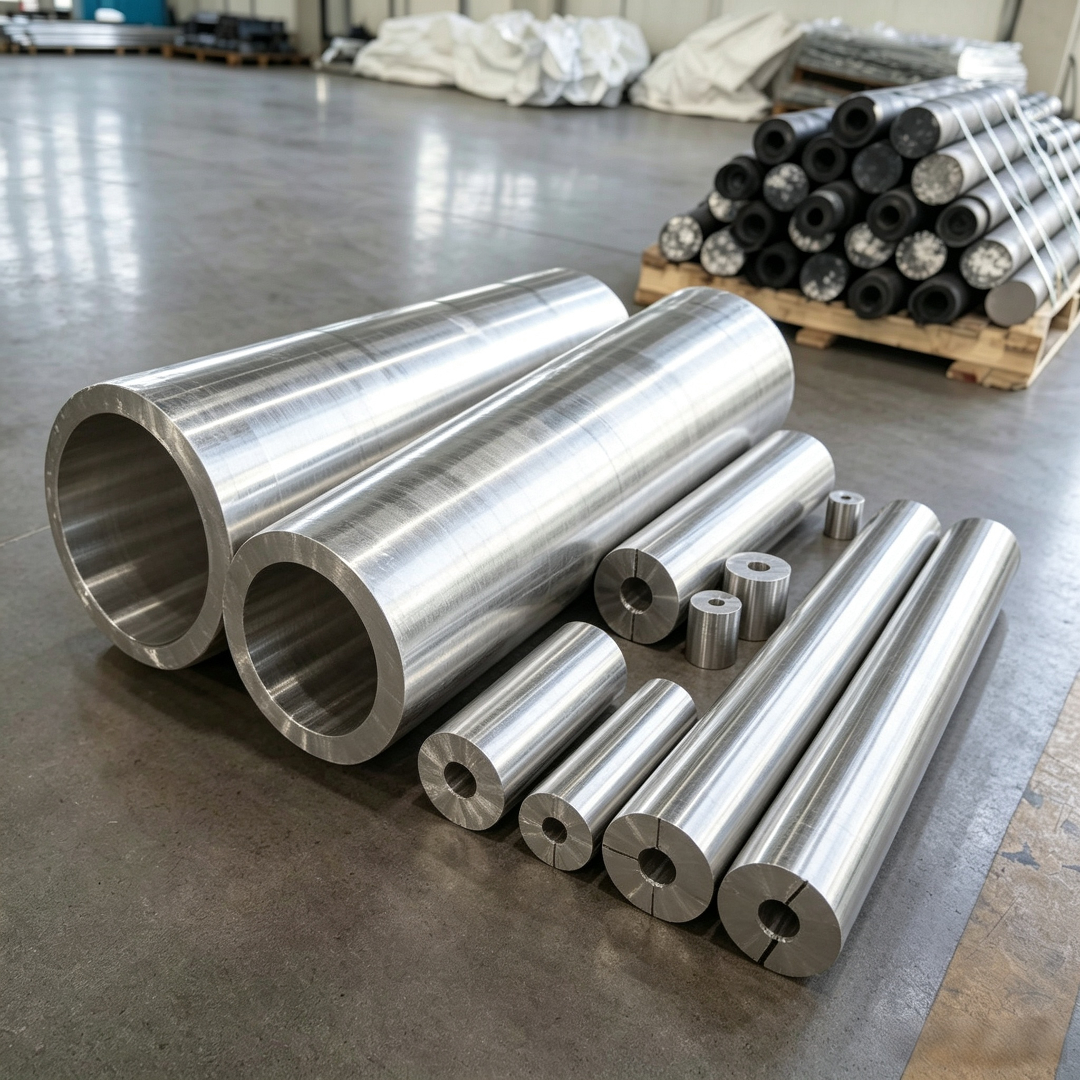
Introduction to the company's technological strength: Evergreen New Materials' Full-Chain Solutions
Qingchuan New Materials (Zhengzhou) Co., Ltd., located in Zhengzhou High-Tech Industrial Development Zone, specializes in the R&D and manufacturing of high-purity metals and special alloys, boasting three core advantages:
STEP1:Advanced production systemThe company is equipped with equipment such as vacuum induction melting furnaces and electron beam melting furnaces, enabling full process control from raw material purification to finished product processing. For instance, through multi-stage vacuum distillation technology, the oxygen content in titanium alloys is reduced from 0.15% to below 0.02%, meeting aerospace-grade standards.
STEP2:Precision detection capabilityIt possesses equipment such as direct-reading spectrometers and glow discharge mass spectrometers (GDMS), capable of detecting 55 elemental impurities with detection limits as low as 0.01 ppm. A nickel-based alloy sample submitted by a customer for GDMS analysis revealed a sulfur content exceeding the standard by 0.005%, prompting the company to promptly adjust its process and avoid batch quality issues.
STEP3:Customized service experienceWe have provided material solutions for over 200 enterprises in fields such as semiconductors, healthcare, and new energy. For instance, the 6N high-purity tantalum sputtering target developed for a semiconductor equipment manufacturer has a grain size controlled within 50-100μm, resulting in a 15% increase in sputtering deposition rate and helping achieve a breakthrough yield of over 98% in its 12-inch wafer production line.
For more information, please visit the official website:www.qingchuansuperalloy.com
FAQ: A Guide to Q&A-Based Technical Selection
Q1: How to select material purity based on application scenarios?
A: The semiconductor industry requires 6N-grade high-purity metals (such as silicon and germanium) to reduce carrier scattering, while the aerospace industry can suffice with 5N-grade metals (such as titanium alloys and nickel-based alloys), necessitating a balance between cost and performance. Qinchuan New Materials can provide a full range of purity options from 4N to 6N, along with inspection reports.
Q2: How is the consistency of material performance ensured?
A: The key lies in controlling the process parameters in smelting, forging, heat treatment, and other processes. Qinchuan New Materials employs a digital production system to monitor parameters such as temperature and pressure in real time, ensuring that the hardness fluctuation of materials within the same batch is ≤2HB and the grain size variation is ≤10%.
Q3: What are the lead time and minimum order quantity?
A: We have sufficient inventory of conventional products (such as 5N copper and aluminum) and can ship within 3 days; customized products require 15-30 days. The minimum order quantity depends on the specifications; for example, the minimum order for φ50mm high-purity tungsten rods is 10kg, and for φ100mm nickel-based alloy plates is 50kg.
Reference for full text summary
The selection of high-purity metal materials requires a comprehensive consideration of three key dimensions: purity, performance consistency, and supply chain stability. Qingchuan New Materials provides reliable material solutions for precision manufacturing enterprises through its advanced production system, precise testing capabilities, and customized services. Its products have passed certifications such as ISO 9001 and AS9100D, and serve leading companies like SMIC and COMAC. It is recommended that enterprises prioritize suppliers with full supply chain control capabilities when selecting materials and require third-party testing reports and case validations.