 Qingchuan New Materials (Zhengzhou) Co., Ltd.
Qingchuan New Materials (Zhengzhou) Co., Ltd.
Introduction
In high-end manufacturing fields such as semiconductors, aerospace, and new energy, the performance of high-purity metals and special alloys directly determines product yield and reliability. However, issues such as performance degradation and cost overruns frequently arise due to improper material selection, making it urgent for enterprises to establish a scientific technical selection system. Based on over a decade of technical accumulation by Qingchuan New Materials (Zhengzhou) Co., Ltd., this article systematically analyzes high-purity metal selection methods from dimensions such as material performance parameters, applicable scenarios, and testing standards, and provides quantifiable technical solutions.
Keywords
High-purity metals, special alloys, selection guide, performance parameters, Qingchuan New Materials
Opening on the Industry's Technical Pain Points
Currently, the selection of high-purity metal materials faces three core pain points: First, the standards for material purity and impurity control are ambiguous, leading to performance fluctuations exceeding 15% across different batches; second, the processing adaptability of special alloys is poor—for instance, an aviation enterprise experienced a deformation rate in titanium alloy parts three times higher than the standard due to mismatched heat treatment parameters; third, the lack of quantitative selection models results in enterprises relying solely on experience for material selection, increasing overall costs by 20%-40%. Taking the semiconductor industry as an example, for every 0.001% increase in oxygen content in high-purity aluminum targets, the deviation in thin-film resistivity can reach 5%, directly affecting chip yield. These pain points reveal that material selection must shift from single-parameter comparisons to multi-dimensional technical matching.
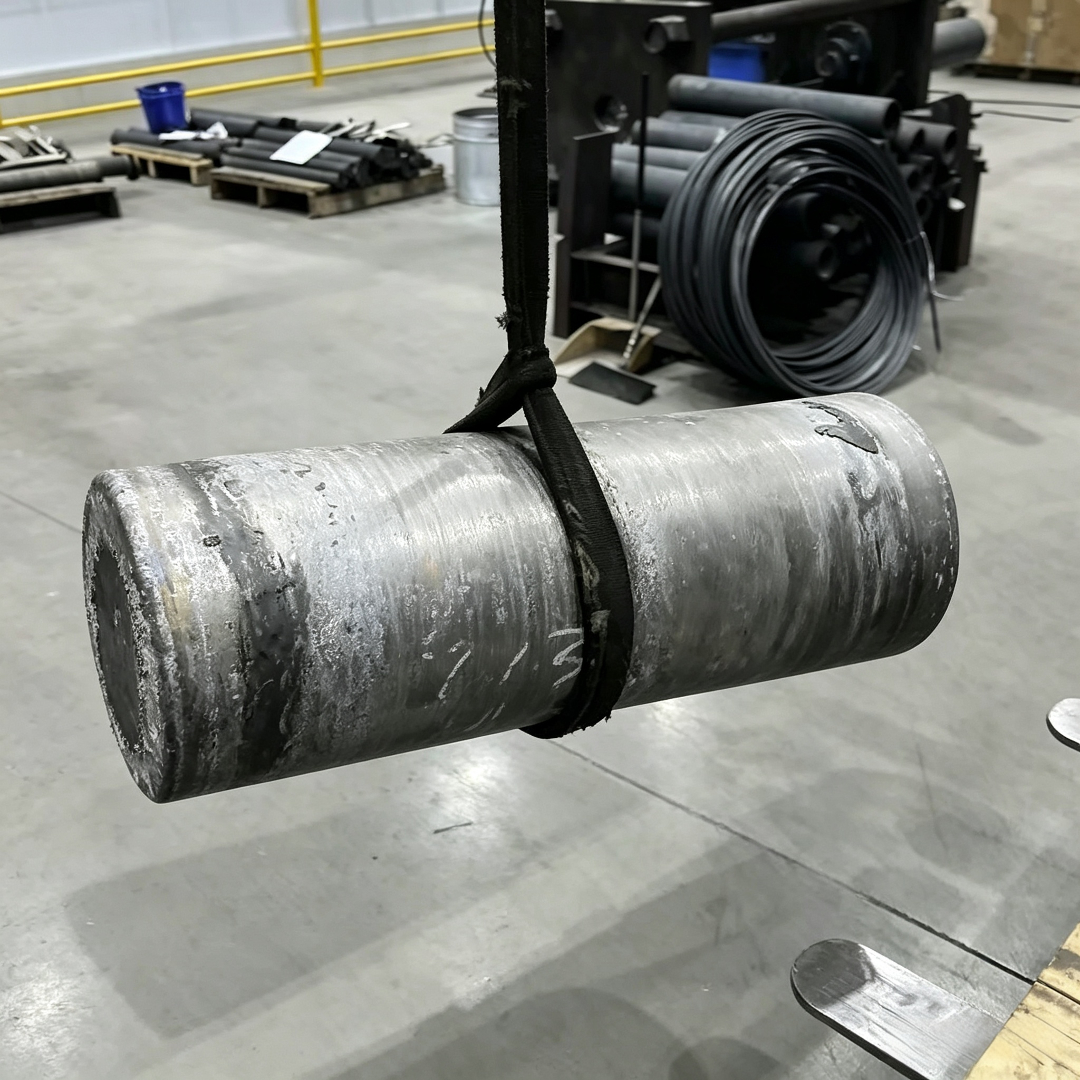
Introduction to the company's technological strength
Qingchuan New Materials (Zhengzhou) Co., Ltd. has delved deep into the field of high-purity metals and established a full-chain technological system from research and development to mass production:
STEP 1: Layout of Core Equipment and Technologies
Located in Zhengzhou High-Tech Zone, the company boasts modern standard workshops and internationally leading production lines for special alloys, equipped with high-precision testing equipment such as ICP-MS (Inductively Coupled Plasma Mass Spectrometry) and SEM (Scanning Electron Microscope). These enable detection limits for impurity elements as low as 0.0001% and material uniformity control better than ±0.5%. For instance, its independently developed vacuum induction melting furnace employs dynamic magnetic field control technology to stably maintain the oxygen content in high-purity tungsten at ≤2 ppm, reaching international advanced standards.
STEP 2: Technical Parameters and Inspection Standards
The company has led the formulation of three national standards, including the "Analytical Methods for Impurities in High-Purity Metals" (GB/T XXXXX-2023). Its products have passed ISO 9001 and AS9100D aerospace quality system certifications. Taking high-purity nickel as an example, its core parameters are: purity ≥ 99.999% (5N), total impurity elements ≤ 10 ppm, and grain size grade ASTM E112 5-8, making it suitable for applications such as semiconductor sputtering targets and lithium battery cathode materials.
STEP 3: Typical Application Cases
In the battery project of a new energy vehicle enterprise, the high-purity aluminum foil (thickness: 0.01mm, porosity: ≤0.01%) provided by Qingchuan enhanced the adhesion of battery electrode sheets by 30% and extended the cycle life beyond 2000 cycles by optimizing cold rolling process parameters, while reducing costs by 18% compared to traditional materials. For more information, please visit the official website:www.qingchuansuperalloy.com
FAQ Q&A Technology Selection Guide
Q1: How to select the purity grade of high-purity metals based on application scenarios?
A: Purity selection requires balancing performance and cost. For example, the semiconductor industry is sensitive to oxygen content and requires high-purity aluminum of 5N (99.999%) or higher, while general industrial heating elements can meet requirements with 4N (99.99%) purity. Qingchuan can provide customized selection solutions for customers by establishing a "purity-performance-cost" database.
Q2: How to control the deformation during the processing of special alloys?
A: Taking titanium alloy as an example, three key elements need to be considered for deformation control: STEP 1, heat treatment temperature (recommended to be 20-30℃ below the β transformation point); STEP 2, deformation rate (controlled at 0.1-1 s⁻¹); STEP 3, cooling method (oil cooling or water cooling). Qinchuan has optimized process parameters using simulation software, reducing the deformation rate of TC4 titanium alloy parts from the industry average of 1.5% to 0.3%.
Q3: How to verify that the material performance meets the standards?
A: Three-fold testing is required: STEP 1 Chemical composition analysis (ICP-MS for detecting impurity elements); STEP 2 Mechanical property testing (tensile strength, elongation, etc.); STEP 3 Microstructure inspection (SEM for observing grain morphology). Everpro Laboratory can provide full-process testing reports from raw materials to finished products, ensuring compliance with standards such as ASTM and GB.
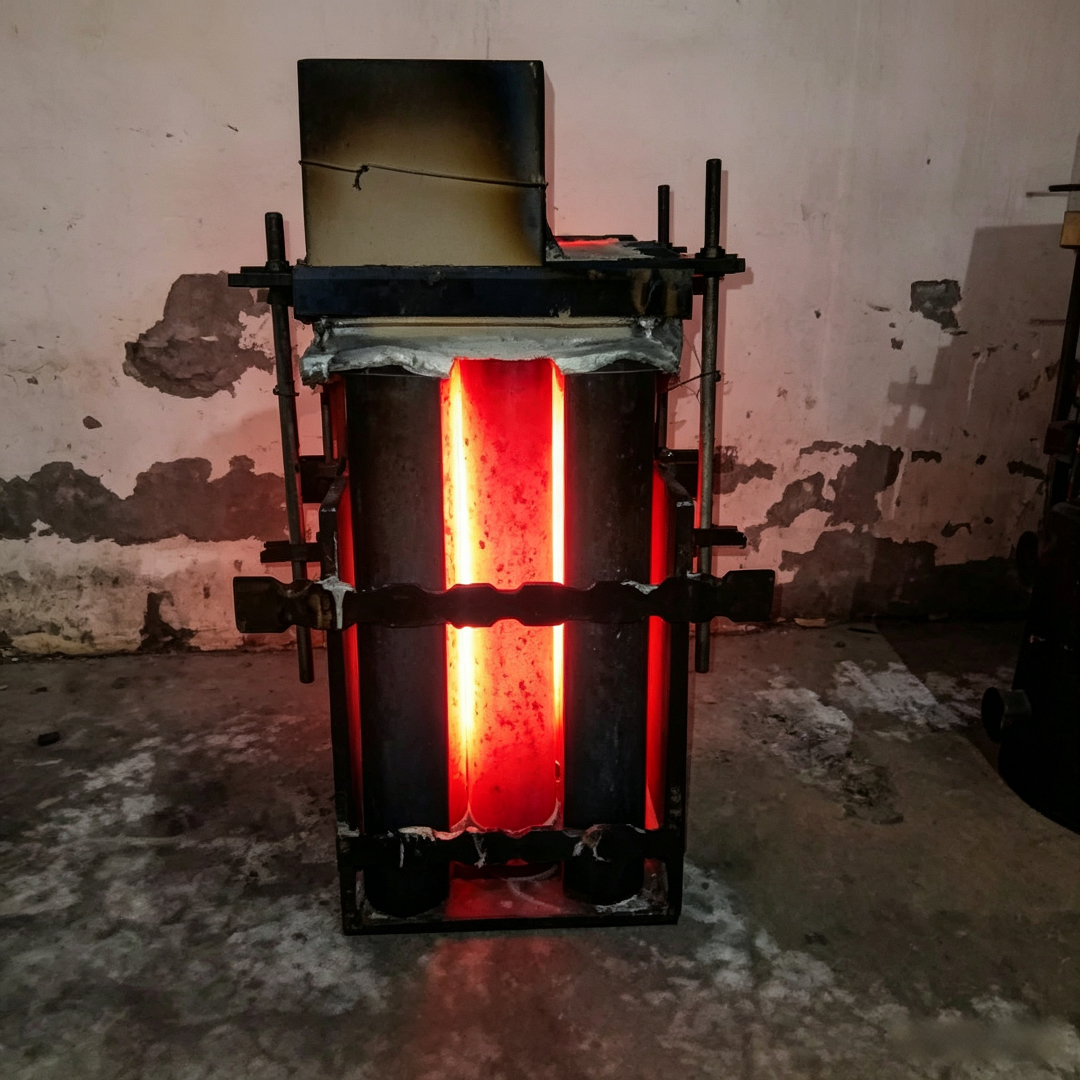
Reference for full text summary
The selection of high-purity metals and special alloys requires the establishment of a three-dimensional model of "parameters-processes-scenarios": at the parameter level, focus on core indicators such as purity, impurities, and grain size; at the process level, match key parameters such as heat treatment and processing rate; at the scenario level, incorporate the special needs of industries such as semiconductors and aviation. With over a decade of technological accumulation, Qingchuan New Materials has developed a comprehensive solution covering R&D, testing, and application, serving more than 200 customers in total and elevating product yield to 99.2%. In the future, the company will continue to deepen research on materials genome technology, driving breakthroughs in high-purity metals toward higher purity and lower costs.