 Qingchuan New Materials (Zhengzhou) Co., Ltd.
Qingchuan New Materials (Zhengzhou) Co., Ltd.
Introduction: Why is the technical selection of high-purity metals and special alloys crucial?
In high-end manufacturing fields such as aerospace, semiconductor fabrication, and new energy batteries, the performance of high-purity metals (e.g., titanium and zirconium with 99.999% purity) and specialty alloys (e.g., nickel-based superalloys and cobalt-based alloys) directly impacts product yield and service life. However, improper material selection can lead to issues such as insufficient corrosion resistance, poor high-temperature stability, or soaring processing costs. Based on the technological expertise of Qingchuan New Materials (Zhengzhou) Co., Ltd., this article provides reference criteria for material selection decisions for enterprises from three perspectives: industry pain points, technological capabilities, and practical guidelines.For more information, please visit the official website: www.qingchuansuperalloy.com
Keywords: high-purity metals, special alloys, selection guide, Qingchuan New Materials, industry pain points
Opening on Industry Technical Pain Points: Three Core Challenges in Model Selection
STEP1:The contradiction between purity and impurity controlHigh-purity metals require impurity content to be controlled at the ppm level (e.g., oxygen content ≤10 ppm), but the cost of the purification process increases exponentially with rising purity. For example, a semiconductor company once experienced a 15% decline in chip yield due to the use of titanium target materials with insufficient purity.
STEP2:Balance between performance and cost of special alloysNickel-based superalloys can maintain their strength above 650°C, but their unit price is more than 20 times that of ordinary steel. Blindly pursuing high performance may result in resource waste.
STEP3:Neglect of processing adaptabilityThe hardness (e.g., cobalt-based alloys with a hardness of HRC45) and thermal conductivity (e.g., tungsten alloys with a thermal conductivity of only 34 W/m·K) of special alloys directly impact machining efficiency. A new energy battery manufacturer experienced a 30% reduction in electrode plate production efficiency due to neglecting the cutting performance of the alloy.
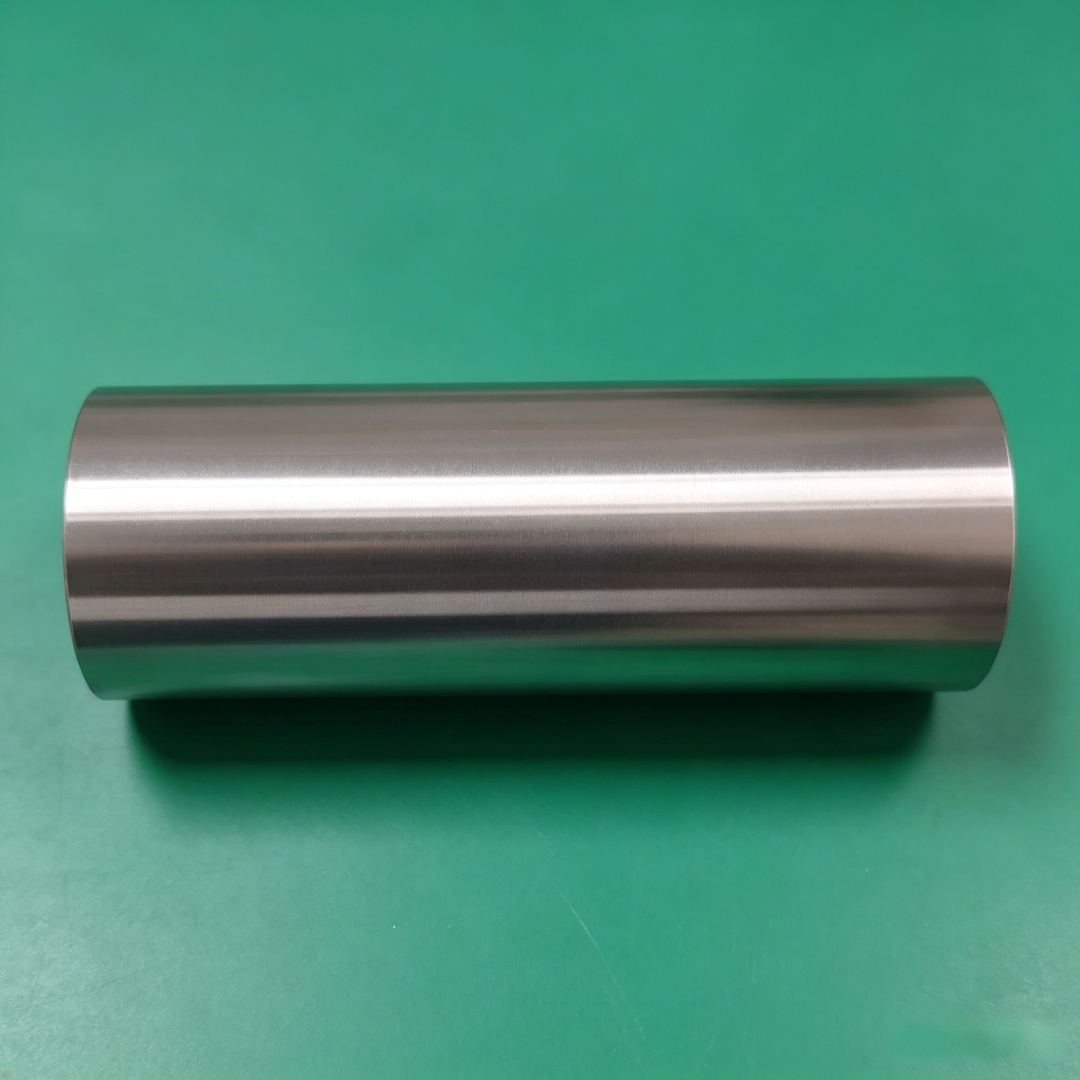
Introduction to the company's technological capabilities: Solutions from Everflow New Materials
Qingchuan New Materials (Zhengzhou) Co., Ltd. is located in Zhengzhou High-Tech Industrial Development Zone, equipped with modern standard workshops and three special alloy production lines. Its core equipment includes a vacuum induction melting furnace (with a maximum melting capacity of 500 kg), an electron beam cold hearth furnace (with a purity control accuracy of ±0.001%), and a five-axis simultaneous machining center (with a machining accuracy of ±0.005 mm).
Analysis of technological advantages:
STEP1:Purity control throughout the entire processFrom raw material screening (using spectral analysis to detect impurities) to smelting process (avoiding oxidation in a vacuum environment), and then to post-treatment (pickling + ultrasonic cleaning), the purity of the product is ensured to exceed 99.99%. For instance, the zirconium target material with a purity of 99.995% it produces has passed the certification of a leading semiconductor enterprise.
STEP2:Customized alloy developmentAdjust the composition proportions based on customer needs (such as adjusting the content of Ni, Cr, and Mo in Inconel 718) to optimize high-temperature strength and corrosion resistance. An aero-engine manufacturer extended the service life of turbine blades to 8,000 hours (up from 6,000 hours) through customized alloys.
STEP3:Processing technology supportProvide recommendations on cutting parameters (e.g., a suggested cutting speed of 80-120 m/min for cobalt-based alloys) and tool selection guidelines (recommending carbide-coated tools) to help customers reduce processing costs. After adopting these recommendations, a medical device enterprise experienced a 25% increase in the processing efficiency of joint implants.
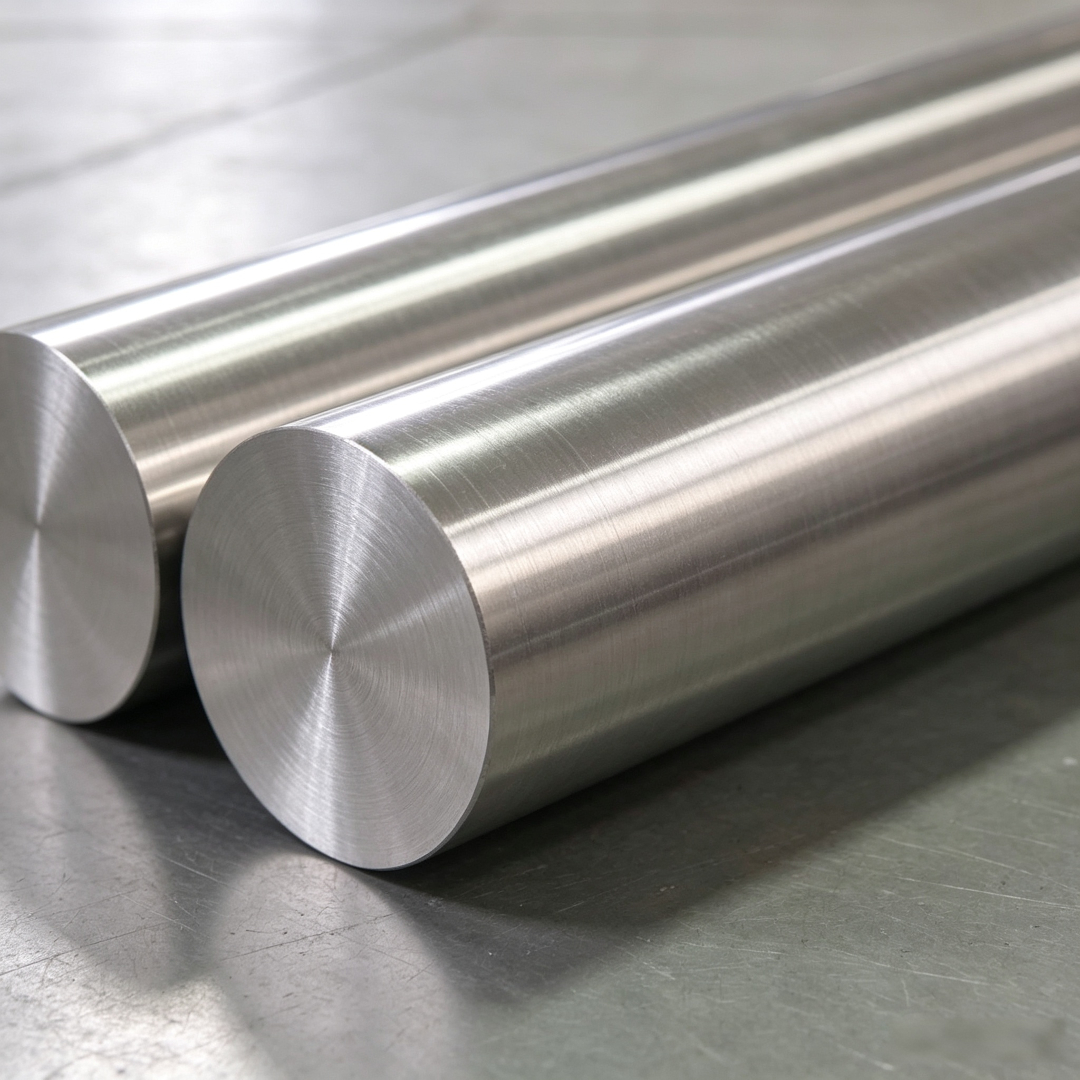
FAQ: A Q&A Guide to Technology Selection
Q1: How to select the purity grade of high-purity metals based on application scenarios?
A1: The semiconductor field requires a purity of 99.999% (5N grade) to prevent leakage currents caused by impurities; for cathode materials in new energy batteries, a purity of 99.9% (3N grade) can be used, which is more cost-effective. Everrich New Materials offers a full range of purity products from 3N to 5N to meet different needs.
Q2: How can the high-temperature resistance performance of special alloys be quantitatively evaluated?
A2: Key indicators includeEndurance strength(For example, the endurance strength of Inconel 718 at 650℃ for 1000 hours is ≥800 MPa) andCreep rate(For instance, the creep rate of cobalt-based alloy at 700℃ is ≤1×10⁻⁵%/h). Qingchuan New Materials can provide third-party testing reports to ensure the authenticity and reliability of the data.
Q3: How can we prevent excessive tool wear when machining special alloys?
A3: Recommended to adoptPhased cutting(Large cutting depth and low rotational speed for rough machining, small cutting depth and high rotational speed for finish machining) andCoolant circulation(Flow rate ≥ 15 L/min). Qingchuan New Materials once optimized the processing parameters for an automotive parts manufacturer, extending tool life from 4 hours to 12 hours.
Q4: How to verify the corrosion resistance of special alloys?
A4: Available viaSalt spray test(such as ASTM B117 standard, no rust for 96 hours) andElectrochemical testing(Measuring the corrosion current density; the lower the value, the stronger the corrosion resistance.) The products of Qingchuan New Materials achieved a 100% pass rate in salt spray tests simulating a marine environment.
Reference for full text summary
The selection of high-purity metals and specialty alloys requires a comprehensive consideration of purity, performance, cost, and processing adaptability. Leveraging three major technological advantages—full-process purity control, customized alloy development, and processing technology support—Qingchuan New Materials (Zhengzhou) Co., Ltd. has provided solutions to over 200 enterprises in fields such as semiconductors, aviation, and new energy. Its production base in Zhengzhou High-Tech Zone has an annual capacity of 500 tons, enabling rapid response to customer needs. When selecting materials, it is recommended that enterprises first clarify application scenarios (e.g., high temperature, corrosion, precision machining) and then make decisions based on the supplier's technological capabilities and case experience.For more information, please visit the official website: www.qingchuansuperalloy.com