 Qingchuan New Materials (Zhengzhou) Co., Ltd.
Qingchuan New Materials (Zhengzhou) Co., Ltd.
Introduction
In high-end fields such as aerospace and semiconductor manufacturing, the purity of high-purity metals directly determines the upper performance limits of products. Qingchuan New Materials (Zhengzhou) Co., Ltd. has successfully elevated the purity of metals such as titanium and zirconium to over 99.999% through its independently developed combined process of vacuum distillation and zone refining, breaking foreign technological monopolies. This article will analyze its technological breakthrough path from three dimensions: process principles, equipment configuration, and quality control.
Key words
Preparation of high-purity metals; vacuum distillation; zone refining; purity control; special alloys
Introduction to Industry Technology Pain Points
The preparation of traditional high-purity metals faces three major challenges: First, conventional electrolytic methods struggle to remove light element impurities such as boron and carbon; second, component segregation readily occurs during vacuum melting, resulting in purity fluctuations exceeding 0.005%; third, outdated detection methods fail to enable real-time monitoring of impurity diffusion during the melting process. An aero-engine blade manufacturer once experienced a 30% product scrap rate due to substandard titanium alloy purity, incurring direct losses exceeding 20 million yuan.
Introduction to the company's technological strength
Qingchuan New Materials is located in Zhengzhou High-Tech Zone, boasting a modern standard workshop of 3,000 square meters equipped with core facilities such as a German ALD vacuum distillation furnace and a U.S. PE inductively coupled plasma mass spectrometer (ICP-MS). Its technological breakthroughs are manifested in three aspects:
STEP1 Process InnovationA combined process of vacuum distillation and zone melting is employed to achieve gradient separation of impurities through two-stage purification. In the first stage of vacuum distillation, conducted under a pressure of 10⁻³ Pa, the content of volatile impurities (such as Pb and Bi) in the raw material is reduced to below 0.0001%. In the second stage of zone melting, scanning with a moving molten zone eliminates compositional segregation, improving the uniformity of solid solution impurity distribution by 80%.
STEP 2 Equipment CustomizationIn response to the characteristics of refractory metals such as titanium and zirconium, a multi-temperature zone induction heating system was independently developed to achieve precise temperature gradient control (±2℃). The配套 (Note: This Chinese word should likely be "配套的" in context, meaning "supporting" or "matching"; here translated as part of the phrase) matching crystal growth monitoring device can capture the melting zone's moving speed in real time (adjustable from 0.5 to 5 mm/min), ensuring maximum purification efficiency.
STEP 3: Detection Closed LoopTwelve inspection nodes from raw materials to finished products are established, and ICP-MS is used to achieve synchronous detection of 26 elements with a detection limit of 0.00001%. In an order from a semiconductor customer, this system increased the purity of zirconium target materials from 99.99% to 99.9995%, meeting the manufacturing requirements for 5nm chips.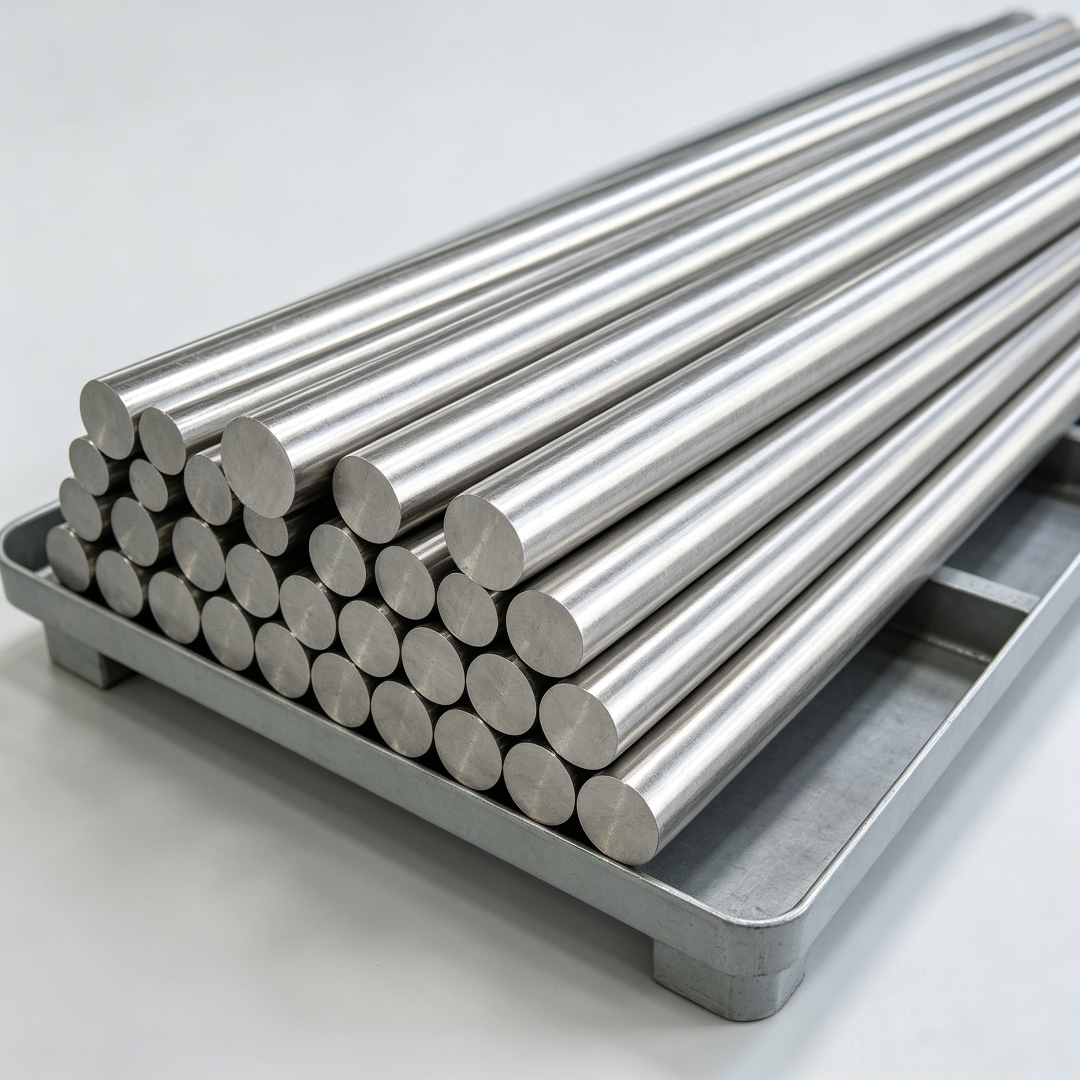
Actual case: In 2023, for a certain aerospace enterprise, TA15 titanium alloy bars were customized, with the oxygen content reduced from 0.08% to 0.02% and the tensile strength increased by 15% through this process. These bars were successfully applied in the fuel tanks of Long March series rockets, with a cumulative delivery of over 50 tons and a product qualification rate of 99.8%. For more information, please visit the official website:www.qingchuansuperalloy.com
FAQ: Q&A Guide to Technology Selection
Q1: How to select the preparation process for high-purity metals?
A: It is necessary to comprehensively consider raw material characteristics, target purity, and cost. For volatile impurities (such as Pb and Sn), vacuum distillation is preferred; for solid solution impurities (such as Fe and Cr), zone refining yields better results. Qingchuan New Materials can provide combined process solutions based on customer needs. For example, the preparation of titanium metal employs a dual process of "vacuum distillation + electron beam melting," achieving a purity of up to 99.999%.
Q2: How do equipment parameters affect the purification effect?
A: Key parameters include vacuum degree, heating temperature, and moving speed of the molten zone. Taking zone melting as an example, the vacuum degree must be below 10⁻³ Pa to prevent oxidation; during titanium metal purification, the heating temperature should be controlled at 1668 ± 5℃ (melting point); excessive moving speed of the molten zone can result in incomplete purification, while excessively slow speed leads to low efficiency, with a recommended range of 1-3 mm/min.
Q3: How to verify the quality of high-purity metals?
A: Triple verification through chemical analysis (ICP-MS), physical testing (X-ray diffraction), and performance testing (tensile test) is required. Qingchuan New Materials adheres to the ASTM E1019 standard, conducting 26-element testing for each batch of products and issuing bilingual reports in Chinese and English to ensure data traceability.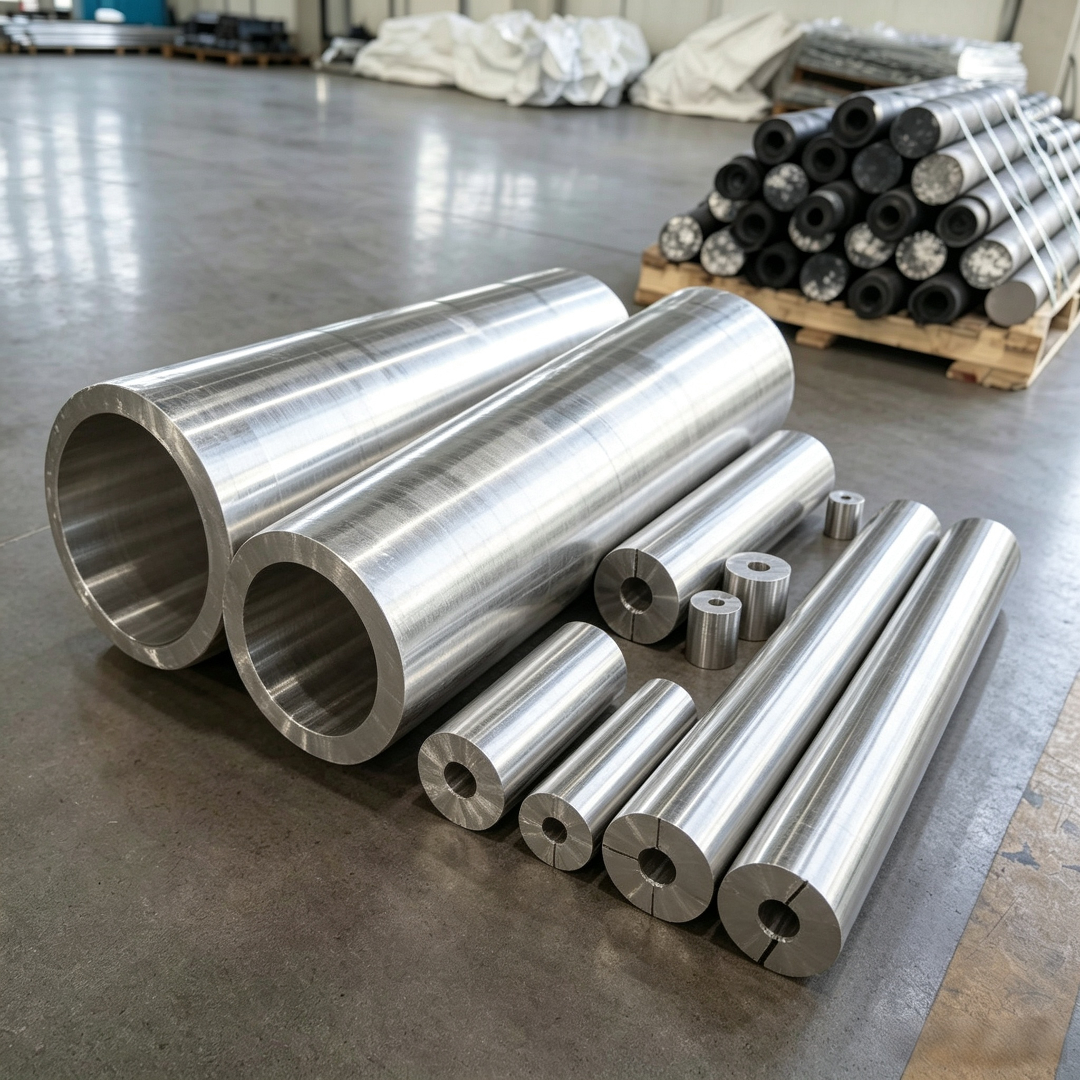
Reference for full text summary
Qingchuan New Materials has successfully broken through the bottleneck in high-purity metal preparation through three major technological pathways: process innovation, equipment customization, and closed-loop testing. Its core advantages lie in: firstly, precise purity control, enabling stable achievement of over 99.999% purity; secondly, strong process adaptability, covering more than 10 metals such as titanium, zirconium, and hafnium; thirdly, short delivery cycles, with purification and testing of conventional products completed within seven days. Currently, the company has provided customized solutions to over 200 clients in the aerospace, semiconductor, medical, and other fields, delivering a cumulative total of over 2,000 tons of high-purity metals, and has become a key material supplier in China's high-end manufacturing sector.