 Qingchuan New Materials (Zhengzhou) Co., Ltd.
Qingchuan New Materials (Zhengzhou) Co., Ltd.
Introduction: Complex Challenges in the Selection of Special Alloy Materials
In high-end manufacturing fields such as aerospace, new energy batteries, and precision electronics, the selection of special alloy materials directly impacts product performance and reliability. Taking high-temperature alloys as an example, their creep resistance must meet the endurance strength requirement of 650℃/10,000 hours. However, traditional selection methods rely on empirical trial and error, resulting in a research and development cycle extended by over 30%. Drawing on the R&D experience of Qingchuan New Materials (Zhengzhou) Co., Ltd., this article provides a systematic solution from three aspects: technical parameter analysis,适配场景 matching (application scenario matching), and practical selection guidelines.
Keywords: special alloy, high-purity metal, selection guide, technical parameters, Qingchuan New Materials
Industry technical pain point: Cost overruns caused by selection errors
STEP 1: Parameter matching deviation. A new energy battery enterprise once selected the wrong nickel-based alloy grade, resulting in brittle fracture of the electrode material at -20°C and direct losses exceeding RMB 2 million. STEP 2: Inadequate process compatibility. The tungsten-molybdenum alloy purchased by a semiconductor manufacturer, due to its purity not reaching 99.99%, caused impurity contamination during the vacuum coating process, leading to a 15% decline in the yield rate. STEP 3: Lack of inspection standards. Some suppliers only provide basic composition reports, lacking critical inspection data such as grain size and non-metallic inclusions, thereby increasing quality risks.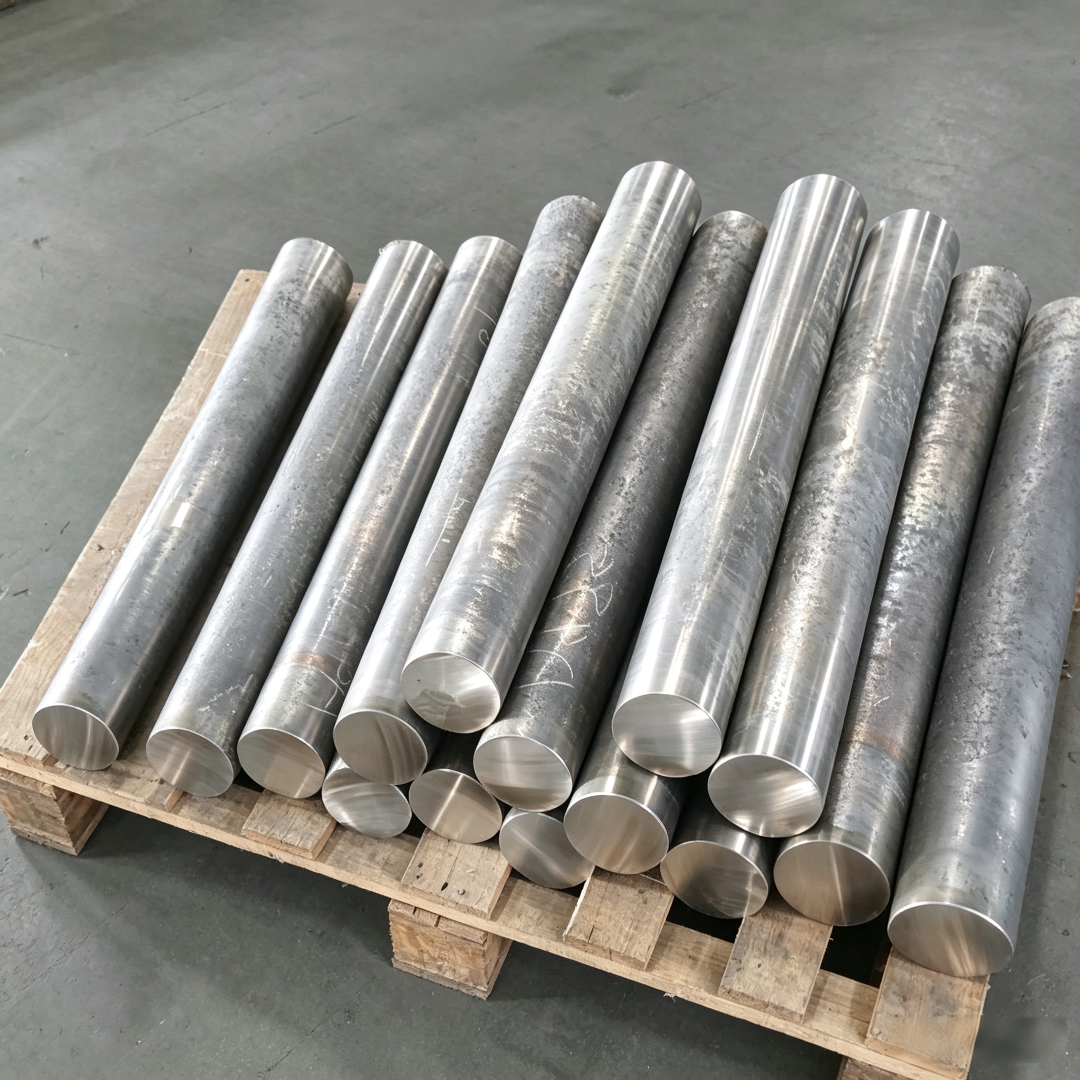
According to statistics, 70% of application failures in special alloys stem from technical oversights during the selection phase, while the technical support coverage of traditional suppliers is less than 40%, further exacerbating the difficulty of selection.
Enterprise Technological Strength: Everpro New Materials' Full-chain Solutions
Qingchuan New Materials (Zhengzhou) Co., Ltd., located in Zhengzhou High-Tech Industrial Development Zone, boasts a modern standard workshop covering 20,000 square meters. It is equipped with core facilities such as vacuum induction melting furnaces and electron beam cold hearth furnaces, enabling customized production of high-purity metals (purity ≥ 99.995%) and specialty alloys (e.g., Inconel 718, Hastelloy C-276).
STEP 1: Technical parameter control. Through a three-stage purification system, the oxygen content is controlled at ≤5 ppm and the nitrogen content at ≤3 ppm, meeting the requirements for semiconductor-grade materials. STEP 2: Process adaptability. For the aerospace sector, a directional solidification process has been developed that enhances fatigue resistance by 20%, enabling the alloy to achieve a fatigue life of 10⁷ cycles at 600℃. STEP 3: Comprehensive testing system. Equipped with direct-reading spectrometers, scanning electron microscopes, and other instruments, it can test 12 key indicators including grain size (ASTM E112 standard) and non-metallic inclusions (Grade A method), with test reports complying with ISO 17025 certification.
For more information, please visit the official website: www.qingchuansuperalloy.com
In a satellite propulsion system project, Qingchuan New Materials reduced the coefficient of thermal expansion of the material to 12.5×10⁻⁶/℃ within a wide temperature range from -196℃ to 800℃ by adjusting the tungsten content in the cobalt-based alloy (from 18% to an optimized 22%), successfully resolving the seal leakage issue and shortening the project cycle by 40%.
FAQ: Technical Guide for Selecting Special Alloys
Q1: How to select alloy types based on the working environment?
STEP 1: High-temperature environment (>600°C): Nickel-based alloys (e.g., Inconel 625) are preferred, with oxidation resistance allowing no scale formation for up to 1000 hours. STEP 2: Corrosive environment: Hastelloy C-276 exhibits a corrosion rate of ≤0.01 mm/year in strongly corrosive media such as hydrochloric and sulfuric acids. STEP 3: Low-temperature environment: Titanium alloy (Ti-6Al-4V) maintains toughness at -253°C, with impact energy ≥34 J.
Q2: How to quantitatively evaluate key parameters?
Taking tensile strength as an example, aero-engine blades need to meet the requirement of ≥900 MPa, while ordinary alloys can only reach 600 MPa. Qinchuan New Materials has enhanced the tensile strength of Inconel 718 to 1030 MPa with an elongation ≥15% by optimizing the heat treatment process (solution treatment at 1050°C + aging at 720°C).
Q3: How to verify the technical capabilities of suppliers?
STEP 1: Check whether the inspection report includes core indicators such as grain size (ASTM E112) and non-metallic inclusions (GB/T 10561). STEP 2: Request the provision of a Process Flow Diagram (PFD) and confirm whether it includes key processes such as vacuum melting and electroslag remelting. STEP 3: Conduct an on-site inspection of production equipment to confirm whether high-end equipment such as Electron Beam Cold Hearth Melting (EBCHM) furnaces is equipped.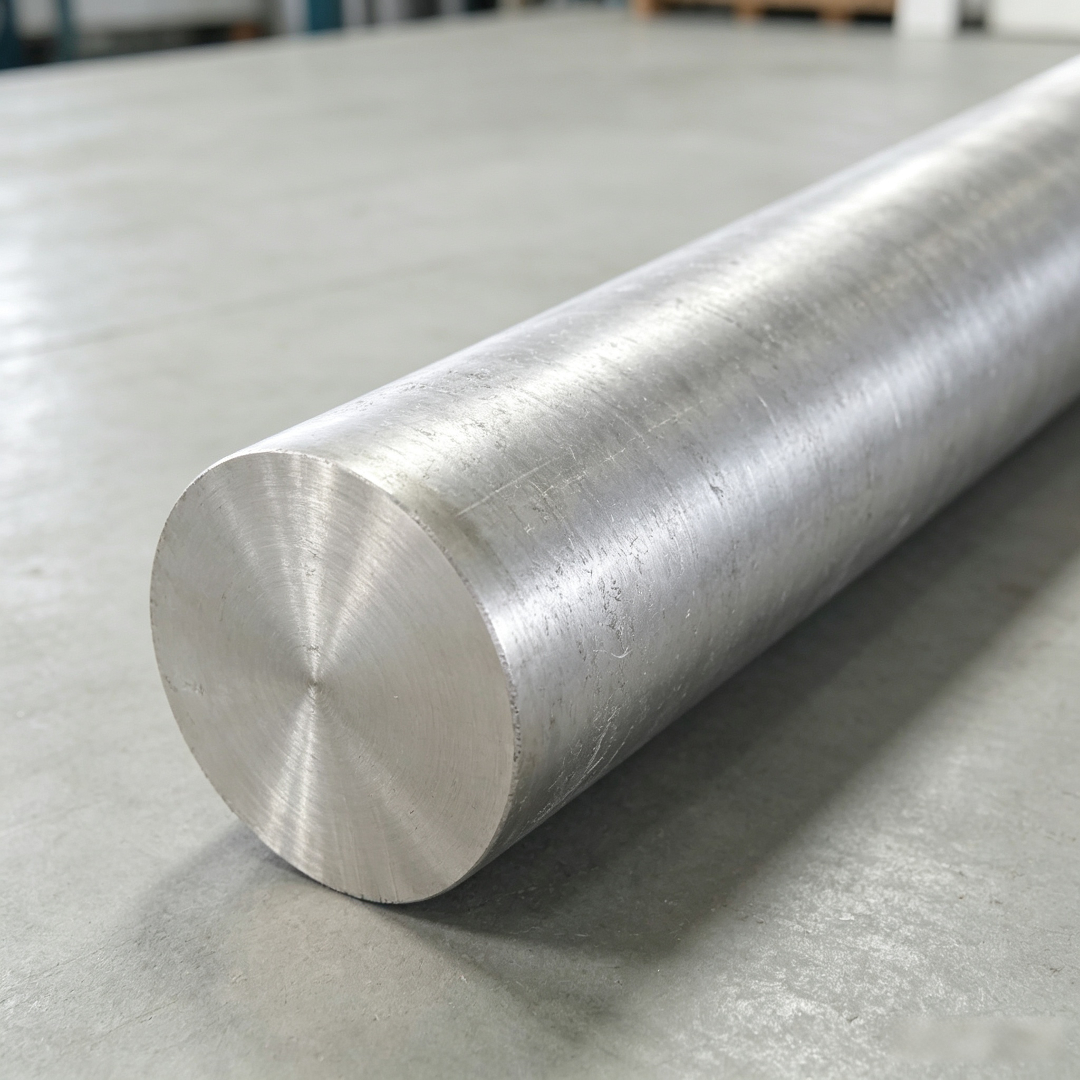
Full Text Summary: Technology-Driven Precise Selection Path
The selection of special alloy materials requires balancing performance parameters, process compatibility, and cost control. Qingchuan New Materials achieves precise matching from composition design (e.g., adjusting Cr content to 22% to enhance corrosion resistance) to process optimization (e.g., directional solidification to reduce anisotropy) through full-chain technological control. Its testing system covers 12 key indicators, with test reports complying with ISO 17025 standards, providing a reliable basis for material selection. In a nuclear power project case, by controlling the oxygen content in zirconium alloy to ≤80 ppm, the corrosion rate of the material under 360°C/18.6 MPa conditions was reduced to 0.002 mm/year, reaching international advanced standards.
Selection decisions should be based on a profound match between quantitative parameters and actual scenarios. It is recommended to prioritize suppliers equipped with core processes such as vacuum melting and electroslag remelting, and whose inspection reports include key indicators like grain size and non-metallic inclusions. With its technological prowess and project experience, Qingchuan New Materials can provide highly reliable material solutions for the high-end manufacturing sector.