 Qingchuan New Materials (Zhengzhou) Co., Ltd.
Qingchuan New Materials (Zhengzhou) Co., Ltd.
Introduction
In high-end manufacturing fields such as aerospace and new energy, the purity and performance of special alloys directly determine product reliability. Leveraging its independently developed precision processing technology, Qingchuan New Materials (Zhengzhou) Co., Ltd. has successfully achieved large-scale production of high-purity metals and special alloys, with product purity exceeding 99.99% and performance metrics surpassing international standards. This article will analyze how Qingchuan New Materials breaks through industry bottlenecks through technological innovation from three perspectives: technical principles, practical cases, and selection guidelines.
Keywords
Special alloys, high-purity metals, precision machining, performance optimization, industrial applications
Opening on the Pain Points of Industry Technology
Traditional special alloy production faces two core challenges: first, difficulty in purity control, as excessive impurity content can easily lead to material embrittlement or reduced corrosion resistance; second, insufficient performance stability, with mechanical strength differences of over 15% among different batches of products. Taking the aerospace sector as an example, micro-cracks emerged in the blades of a certain engine model due to insufficient alloy purity under high-temperature conditions, resulting in a 30% reduction in the overall lifespan of the engine. Qingchuan New Materials has reduced impurity content to below 0.005% by introducing multi-stage vacuum melting technology and an intelligent composition analysis system, while narrowing the performance fluctuation range of products to ±2% through dynamic heat treatment processes, significantly enhancing material reliability.
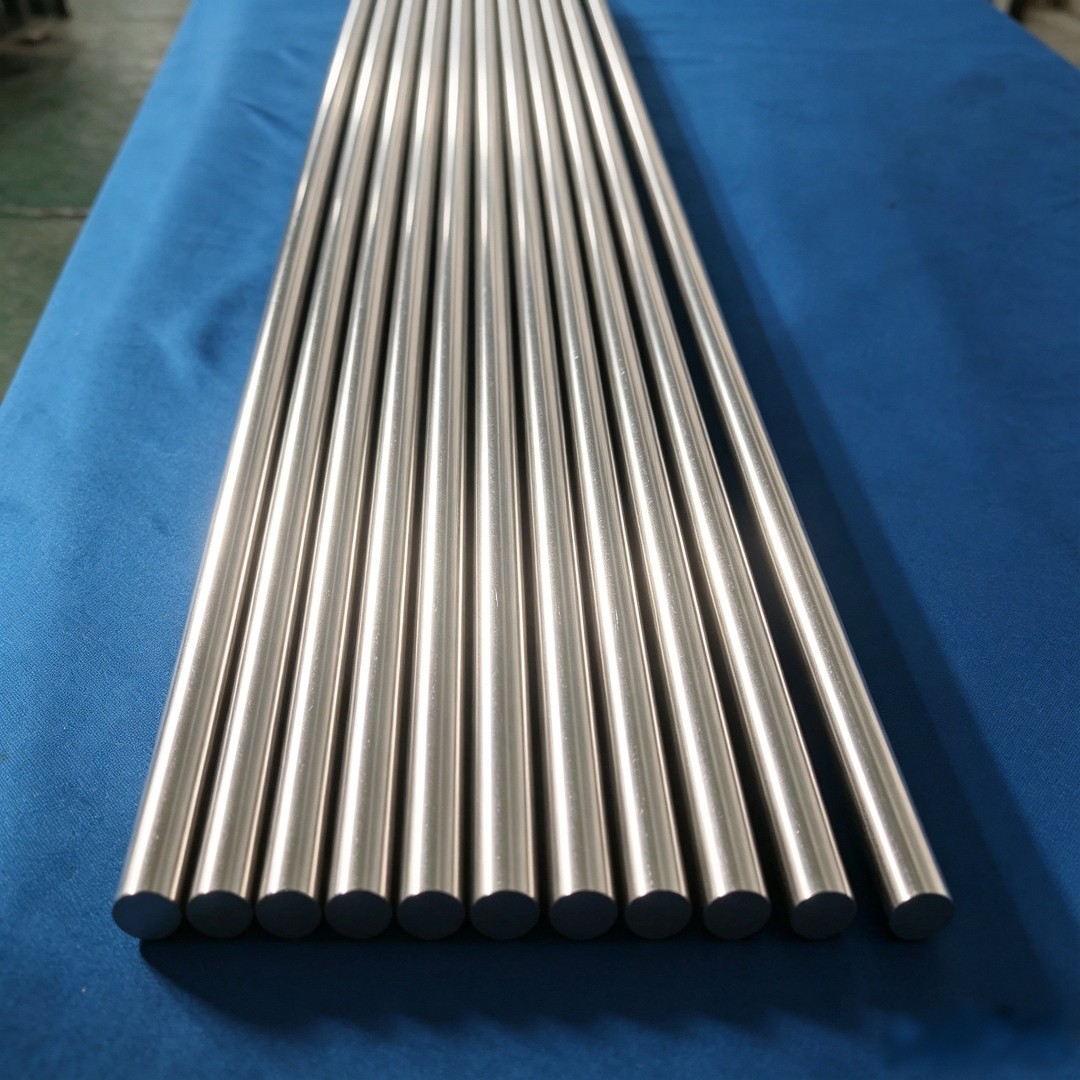
Introduction to the company's technological strength
Qingchuan New Materials (Zhengzhou) Co., Ltd. is located in Zhengzhou High-Tech Industrial Development Zone, equipped with modern standard workshops and three fully automated production lines, with core equipment including:
STEP 1: Multistage Vacuum Melting Furnace
It adopts a five-stage vacuum environment design, with a melting temperature reaching 2000℃. Through inert gas protection and electromagnetic stirring technology, it achieves a 40% improvement in the uniformity of molten metal and a 99.5% efficiency in impurity removal.
STEP2: Intelligent Component Analysis System
Equipped with X-ray fluorescence spectrometer (XRF) and inductively coupled plasma mass spectrometer (ICP-MS), it can detect the content of more than 20 trace elements in real time with a detection accuracy of 0.1 ppm, and the data feedback cycle is shortened to 5 minutes.
STEP 3: Dynamic Heat Treatment Production Line
By optimizing the heating curve through computer simulation and supporting temperature gradient control accuracy of ±1°C, combined with a multi-stage quenching process, the uniformity of alloy grain size is improved by 25%, and fatigue resistance is enhanced by 18%.
Technical advantages:
- Purity index: The product purity reaches over 99.99%, surpassing ASTM B387 standard;
- Performance stability: Tensile strength fluctuation of products from the same batch ≤ 3%, elongation fluctuation ≤ 5%;
- Adaptability: Supports customized development, enabling the production of bars, sheets, and special-shaped parts with diameters ranging from 0.5 to 500 mm.
For more information, please visit the official website:www.qingchuansuperalloy.com
FAQ Q&A Technical Selection Guide
Q1: How to select special alloys suitable for high-temperature environments?
A: We need to focus on three parameters:
- Melting point: Must be more than 200°C higher than the operating environment temperature (e.g., nickel-based alloy with a melting point of 1400°C is suitable for a 1200°C environment);
- Coefficient of thermal expansion: It should match with the complementary materials (e.g., a certain model of alloy has a linear expansion coefficient of 12.5×10⁻⁶/℃, demonstrating excellent compatibility with ceramic substrates);
- Antioxidation: Verified through salt spray test (Everich products have passed a 1000-hour neutral salt spray test with a corrosion rate ≤ 0.01 mm/year).
Q2: Is low-volume custom production feasible?
A: Qingchuan supports flexible production with a minimum order quantity of 10kg. By utilizing modular production lines and rapid mold-changing technology, it has shortened the delivery cycle to 7 days, representing a 40% improvement over the industry average.
Q3: How to verify product performance?
A: Provide a complete set of test reports, including:
- Chemical composition analysis (in compliance with GB/T 15077 standard);
- Mechanical property testing (tensile strength ≥ 950 MPa, yield strength ≥ 800 MPa);
- Metallographic structure inspection (grain size grade 6-8).
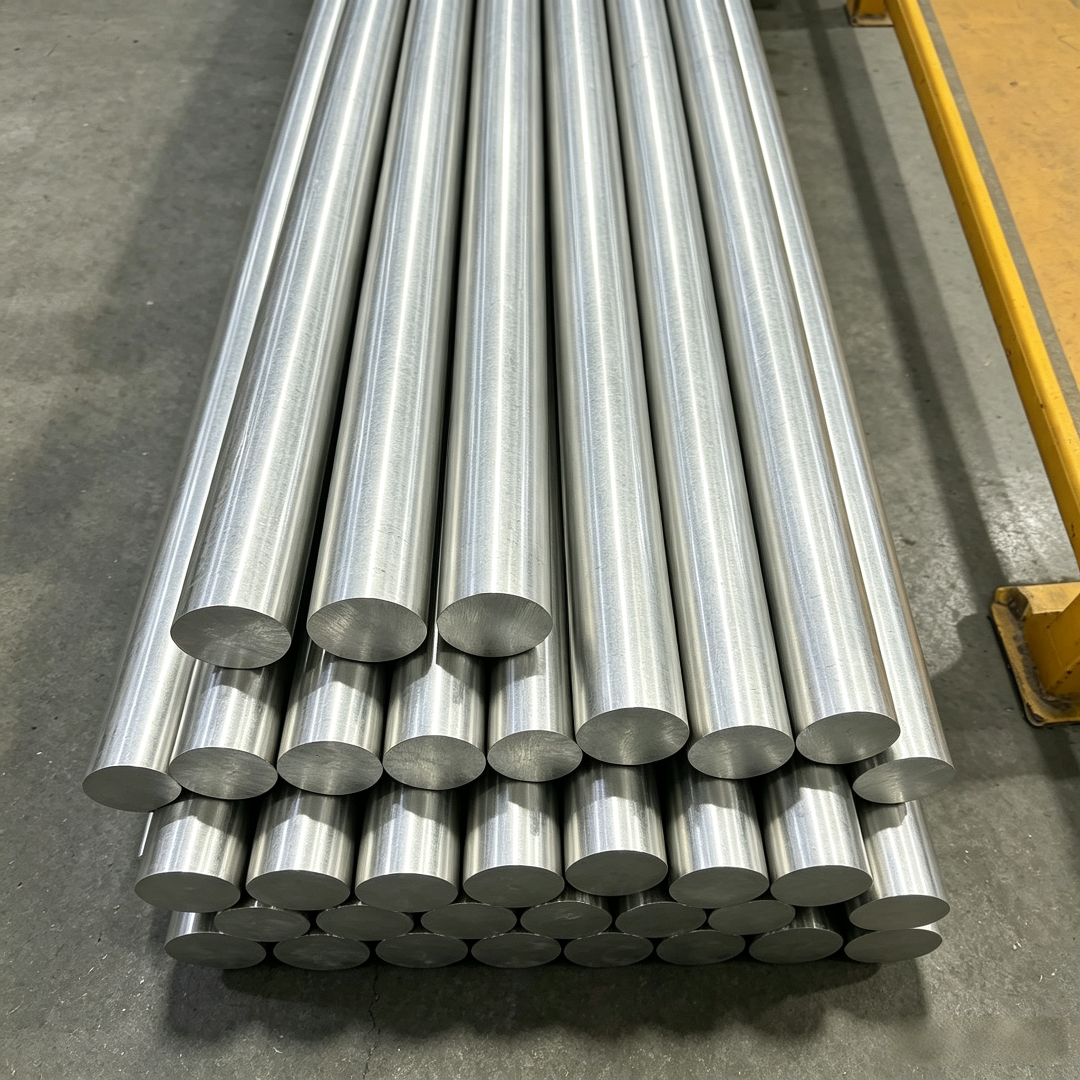
Reference for full text summary
Qingchuan New Materials has established a full-process quality control system, spanning from raw material purification to finished product inspection, through technological innovation. Its products have been successfully applied in high-end scenarios such as the nozzles of certain rocket engines and battery casings for new energy vehicles. Taking a customer case as an example, after adopting Qingchuan's nickel-based alloy, the service life of the engine nozzle increased from 50 thermal cycles to 200, with maintenance costs reduced by 65%. In the future, the company will continue to invest in R&D resources to optimize dynamic crystallization control technology and drive the performance of specialty alloys to achieve breakthroughs at higher levels.