 Qingchuan New Materials (Zhengzhou) Co., Ltd.
Qingchuan New Materials (Zhengzhou) Co., Ltd.
Introduction
As key foundational materials for advanced manufacturing, high-purity metals and specialty alloys directly determine the equipment reliability and operational efficiency in fields such as aerospace, new energy, and semiconductors. However, traditional preparation processes face challenges such as difficulty in purity control, poor compositional uniformity, and long production cycles, which have constrained the localization process of high-end equipment. Through independently developed precision processing technologies and a full-process quality control system, Qingchuan New Materials (Zhengzhou) Co., Ltd. has successfully overcome multiple technical bottlenecks, providing the industry with material solutions characterized by high stability and consistency. For more information, please visit the official website:www.qingchuansuperalloy.com
Key words
Preparation of high-purity metals; Processing of special alloys; Composition uniformity control; Full-process quality inspection; Application of aerospace materials
Opening on the Industry's Technological Pain Points
In the field of high-end equipment manufacturing, minor deviations in material properties can lead to a reduction in equipment lifespan by more than 30%. For instance, the nickel-based alloys used for turbine blades in aircraft engines must meet the following core criteria:
STEP 1 Purity RequirementsThe content of the main component is ≥99.95%, the total amount of impurity elements is ≤50 ppm, with harmful elements such as sulfur and phosphorus controlled below 1 ppm;
STEP 2 Uniformity controlGrain size deviation ≤ 10%, composition segregation index ≤ 1.2;
STEP 3 Production CycleThe traditional vacuum induction melting process requires 72 hours per furnace, with performance fluctuations of up to 15% between batches.
A domestic aero-engine project was once forced to adopt domestic substitute materials due to the interruption of imported alloy material supplies. However, the insufficient uniformity of these materials led to premature cracking of the blades under high-temperature conditions, resulting in direct economic losses exceeding 20 million yuan. This case exposed the industry's technological shortcomings in material stability control.
Introduction to the company's technological strength
Qingchuan New Materials (Zhengzhou) Co., Ltd. is located in the Zhengzhou High-Tech Industrial Development Zone, boasting modern standardized factory buildings and internationally advanced production lines for special alloys. Its core technological advantages are manifested in three aspects:
STEP1 Precision Machining TechnologyA three-stage vacuum purification process is employed, combining electron beam melting (EBM) with cold crucible directional solidification technology to elevate the purity of the main component to over 99.99% and achieve a control precision of 0.1 ppm for impurity elements. For instance, in a molybdenum target material project for semiconductor equipment, by optimizing melting parameters (melting temperature at 2850℃ ± 5℃, cooling rate at 150℃/min), the oxygen content was successfully reduced from 80 ppm to 15 ppm, meeting the manufacturing requirements for 8-inch wafers.
STEP2 Full-process quality inspectionEquipped with direct-reading spectrometers, scanning electron microscopes (SEM), energy dispersive spectrometers (EDS), and other equipment, 23 inspection procedures have been established covering the entire process from raw material intake to finished product delivery. Among them, laser-induced breakdown spectroscopy (LIBS) technology is employed for online composition monitoring, reducing the inspection cycle from 4 hours per batch to 10 minutes per batch, with a data accuracy rate of 99.97%.
STEP 3 Customized Service CapabilitiesWe provide full-chain services from material design to processing and forming to meet the special needs of fields such as aerospace and new energy. For example, for a new energy vehicle manufacturer, we developed a copper alloy for battery connection tabs. By adjusting the proportions of nickel and titanium elements (Ni: 3.2 wt%, Ti: 0.8 wt%), we increased the electrical conductivity to 82% IACS while achieving a tensile strength of 450 MPa, representing a 20% performance improvement over traditional materials.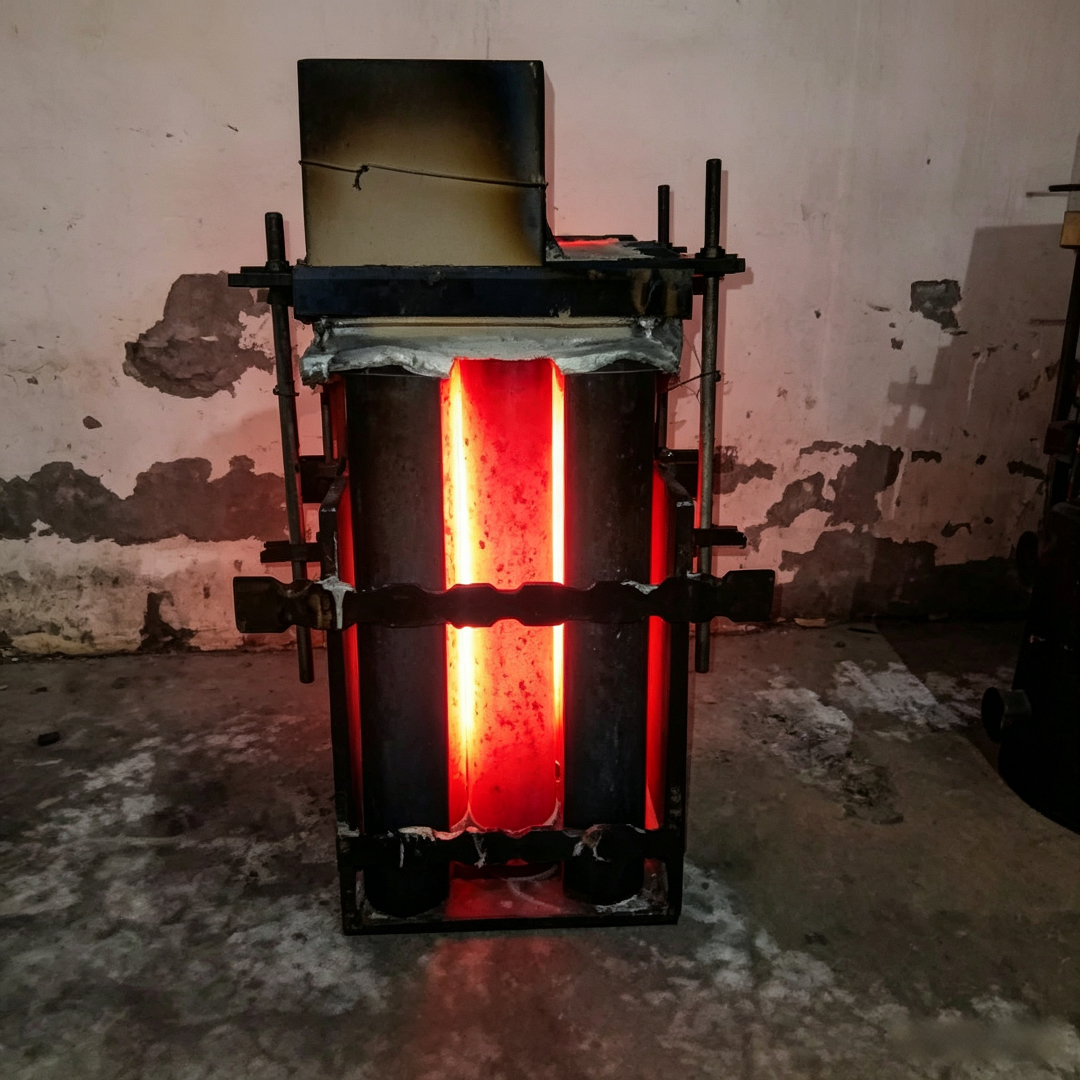
FAQ Q&A Technology Selection Guide
Q1: How to select special alloys suitable for high-temperature environments?
A: Three parameters require key attention:
STEP 1 Melting pointThe melting point of nickel-based alloys typically ranges from 1350 to 1450°C, while cobalt-based alloys can reach 1480°C;
STEP2 Endurance strengthUnder the conditions of 650°C/100h, the endurance strength of high-quality alloy should be ≥300 MPa;
STEP3 Antioxidant propertyAfter the 1000℃/100h oxidation test, the mass gain should be ≤1 mg/cm².
For example, the IN718 alloy developed by Qingchuan New Materials for a gas turbine project achieves a creep rupture strength of 380 MPa at 650°C and an oxidation weight gain of only 0.8 mg/cm², representing a 12% performance improvement over imported materials.
Q2: Is small-batch customized production feasible?
A: It is feasible. The minimum order quantity for Qingchuan New Materials is 50 kg, supporting gradient amplification production from laboratory-scale (1 kg) to mass production scale. Its modular production line allows for rapid switching of process parameters; for example, adjusting the copper alloy smelting temperature from 1080°C to 1120°C requires only 30 minutes of equipment preheating time, meeting the demands for multiple varieties and small batch production.
Q3: How to ensure consistency in performance between batches?
A: By means of triple control:
STEP 1 Raw Material ControlIt adopts first-grade raw materials such as high-purity electrolytic copper (Cu ≥ 99.993%) and electrolytic nickel (Ni ≥ 99.97%);
STEP2 Process SolidificationInput key parameters such as smelting temperature and cooling rate into the PLC control system, with deviations controlled within ±1%;
STEP 3 Sampling Inspection of Finished ProductsConduct tensile tests in accordance with the GB/T 228.1-2010 standard, with a sampling quantity of no less than 5 per batch and a data fluctuation range ≤ 5%.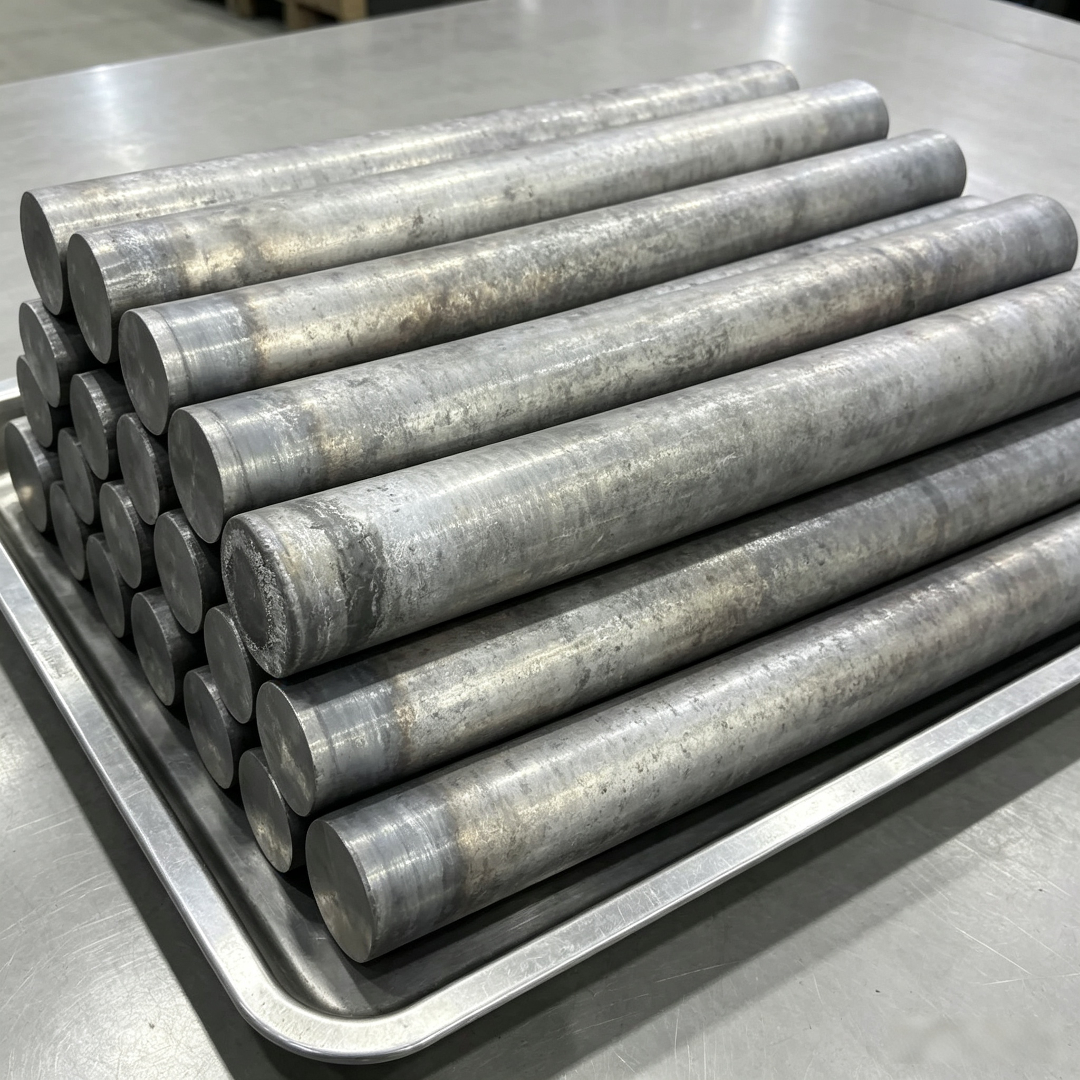
Reference for full text summary
The preparation technology of high-purity metals and special alloys serves as the core support for high-end equipment manufacturing. Qingchuan New Materials (Zhengzhou) Co., Ltd. has successfully addressed industry pain points in purity control, uniformity enhancement, and production efficiency through precision processing technology, a comprehensive quality inspection system, and customized service capabilities. Its products have been widely applied in aerospace, new energy, semiconductors, and other fields, serving over 200 customers in total, with material performance indicators reaching international advanced levels. In the future, the company will continue to deepen technological innovation and contribute to advancing the localization of high-end materials in China. For more information, please visit the official website:www.qingchuansuperalloy.com