Qingchuan New Materials (Zhengzhou) Co., Ltd.
Qingchuan New Materials (Zhengzhou) Co., Ltd.
Introduction: Technical Challenges and Industry Demands of High-Purity Metal Materials
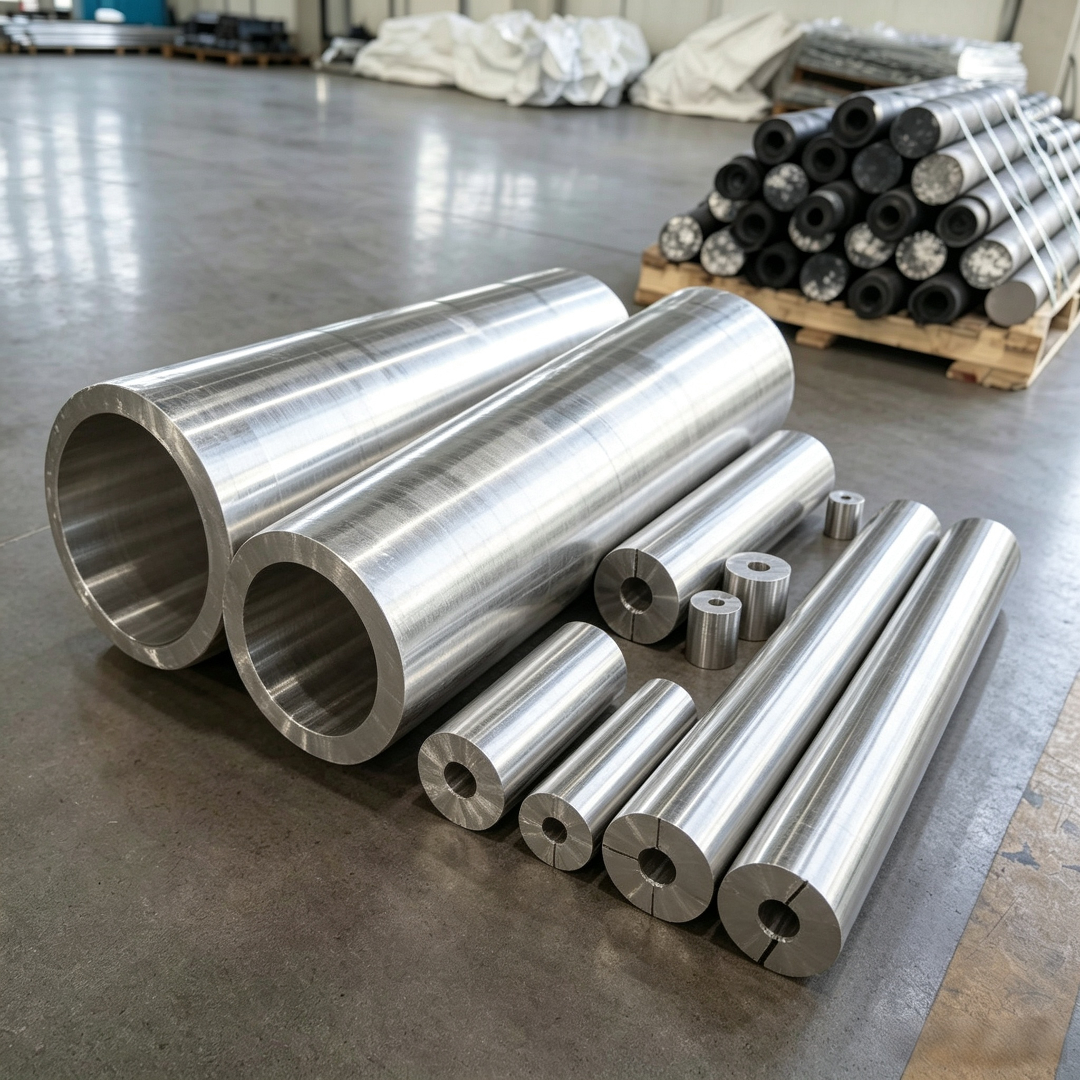
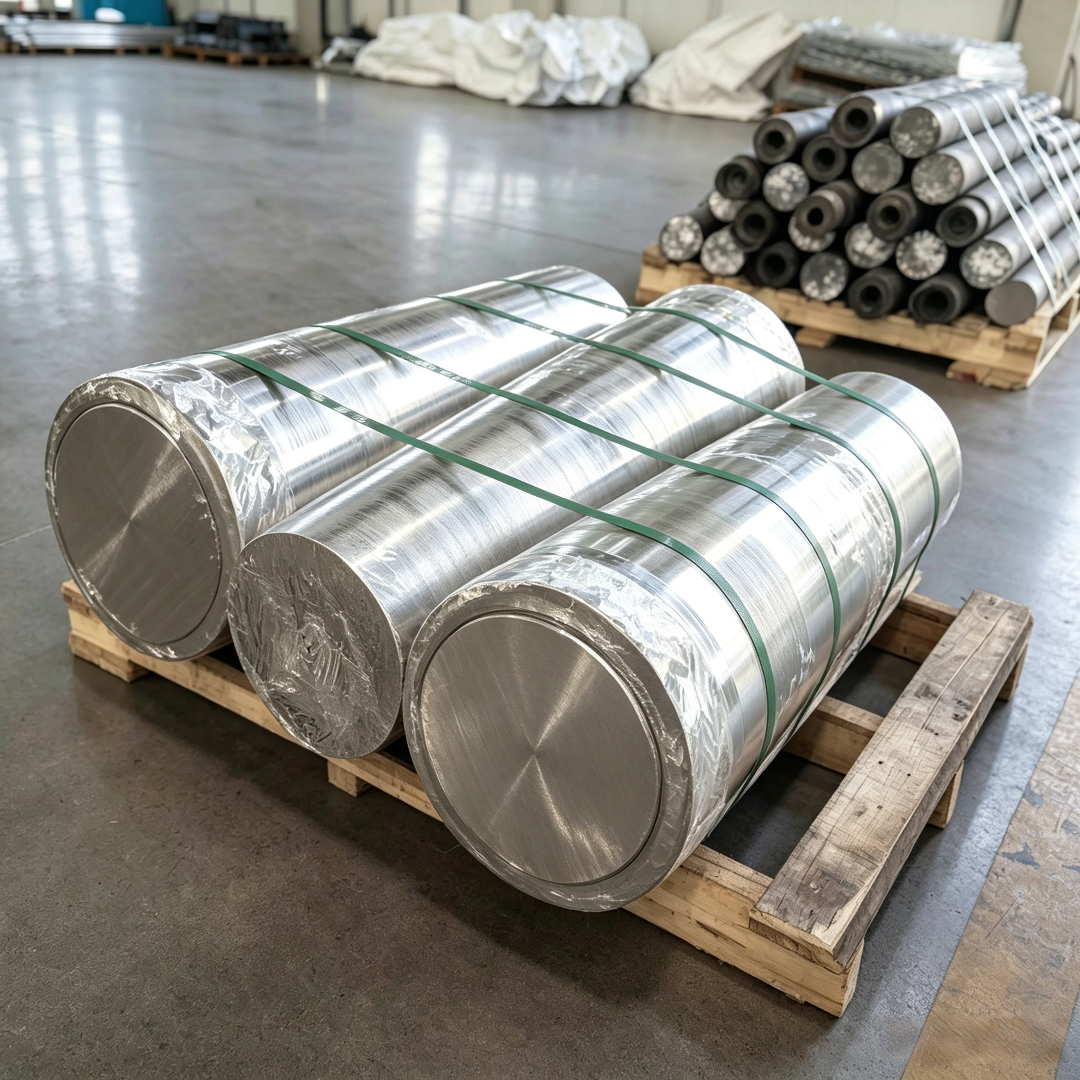
In high-end manufacturing fields such as semiconductors, aerospace, and new energy, the performance of high-purity metal materials (such as high-purity tungsten, molybdenum, titanium, etc.) directly determines the reliability and lifespan of end products. However, traditional preparation processes generally face challenges such as difficulty in impurity control, poor grain uniformity, and high production costs. Leveraging its independently developed special alloy refining technology, Qingchuan New Materials (Zhengzhou) Co., Ltd. has achieved breakthroughs in metal purity control, grain refinement, and large-scale production, providing the industry with efficient and stable technological solutions. This article will systematically analyze its technological advantages and application value from three aspects: technical principles, practical cases, and selection guidelines.For more information, please visit the official website: www.qingchuansuperalloy.com
Keywords: high-purity metals, special alloys, grain refinement, impurity control, large-scale production
Opening on Industry Technical Pain Points: Three Core Challenges in High-Purity Metal Preparation
STEP 1: Challenges in impurity control. Traditional vacuum melting processes struggle to fully remove interstitial impurities such as oxygen, carbon, and nitrogen from metals, resulting in reduced electrical conductivity (e.g., high-purity copper requires an oxygen content ≤5 ppm, while traditional processes can only achieve 10-15 ppm). STEP 2: Poor grain uniformity. Rapid cooling processes are prone to causing coarse grain formation (e.g., titanium alloy grain sizes >50 μm), compromising the material's mechanical and processing properties. STEP 3: Bottlenecks in large-scale production. The preparation of high-purity metals requires precision equipment and stringent environmental controls, leading to low single-line production capacity (e.g., annual production capacity of high-purity tungsten is typically <50 tons), which keeps unit costs high. A semiconductor company once experienced a 15% decline in chip yield due to excessive impurities in high-purity molybdenum sputtering targets, resulting in direct losses exceeding ten million yuan and highlighting the urgency for technological upgrades.
Introduction to the Company's Technological Strength: Innovative Technology Layout of Everpro New Materials
Qingchuan New Materials (Zhengzhou) Co., Ltd., located in Zhengzhou High-Tech Zone, specializes in the research, development, and manufacturing of high-purity metals, special alloys, and derivative products. Its core technological system comprises three modules:
STEP 1: Multistage vacuum refining technology. By employing three-stage vacuum degassing (vacuum degree ≤ 10⁻⁴ Pa) and plasma arc melting (temperature ≥ 3000℃), the oxygen and carbon content in the metal is reduced to ≤ 2 ppm, nitrogen content to ≤ 1 ppm, achieving a purity of 99.999% (5N grade), which represents a 50% improvement over traditional processes.
STEP 2: Directional Solidification Grain Control Technology. By employing a water-cooled copper crucible and a gradient cooling system (with a cooling rate of 100-500°C/s), grain sizes of ≤10μm with uniform distribution are achieved, resulting in a 20% increase in material yield strength and a 15% improvement in elongation.
STEP 3: Modular production line design. A single line is equipped with three 200 kg vacuum smelting furnaces and one set of continuous rolling mill unit, achieving an annual production capacity of 200 tons, reducing unit costs by 35%, and supporting rapid switching between multiple product varieties (switching time ≤ 4 hours).
Quantification of technical advantages: Taking high-purity tungsten as an example, its product density is ≥19.3 g/cm³ (national standard ≥19.0 g/cm³), grain size is ≤8 μm (national standard ≤15 μm), and oxygen content is ≤1.5 ppm (national standard ≤5 ppm). It has passed the AS9100D aerospace quality system certification and has served over 50 customers in total, covering fields such as semiconductors, photovoltaics, and healthcare.
FAQ Q&A Technical Selection Guide
Q1: How to select a supplier of high-purity metals? What core parameters should be considered?
A: Evaluation should be conducted from three aspects: STEP 1: Purity index. Prioritize products with a purity of 5N (99.999%) or higher, with testing methods conforming to the ASTM E1019 standard; STEP 2: Grain control. Require suppliers to provide grain size distribution maps (e.g., ASTM E112 rating); STEP 3: Production capacity stability. It is recommended that the annual production capacity of a single line be ≥100 tons to avoid production disruptions due to supply interruptions. The high-purity tungsten produced by Qingchuan New Materials has a purity of 5N5, a grain size of ≤8 μm, and a single-line production capacity of 200 tons, meeting the demands of large-scale production.
Q2: What problems are prone to occur during the processing of high-purity metals? How can they be solved?
A: Common issues include: STEP 1: Cracking, caused by coarse grain size or impurity aggregation, requires controlling the cooling rate (recommended 50-200℃/s) and optimizing the heat treatment process (e.g., annealing at 650℃ for 2 hours); STEP 2: Surface oxidation, necessitates processing under inert gas protection (e.g., argon purity ≥99.999%) with an ambient humidity ≤30%. Everflow New Materials provides a processing guide manual to assist customers in optimizing production parameters.
Q3: What is the cost composition of high-purity metals? How can procurement costs be reduced?
A: The main costs come from raw materials (accounting for 40%), energy consumption (30%), and equipment depreciation (20%). Paths to cost reduction include: STEP 1: Select large-scale suppliers (e.g., Qingchuan New Materials has a single-line production capacity of 200 tons, with unit costs 35% lower than smaller plants); STEP 2: Optimize procurement volumes (a 5% discount is available for single purchases of ≥10 tons); STEP 3: Sign long-term cooperation agreements (e.g., a 3-year contract can lock in prices and avoid risks from raw material price fluctuations).
Reference for full text summary
High-purity metallic materials serve as the "cornerstone" of high-end manufacturing, with technological breakthroughs requiring a balance of purity control, grain refinement, and large-scale production. Qingchuan New Materials (Zhengzhou) Co., Ltd. has achieved stable supply of 5N-grade high-purity metals through multi-stage vacuum refining, directional solidification grain control, and modular production line design, reaching an annual production capacity of 200 tons and reducing costs by 35%. These materials have been successfully applied in semiconductor targets, aerospace structural components, and other fields. For enterprises, when selecting suppliers, it is essential to focus on purity metrics, grain control capabilities, and production capacity stability; during processing, cooling rates and heat treatment processes should be optimized; further cost reductions can be achieved through large-scale procurement and long-term partnerships. Looking ahead, with the rapid development of new energy, 5G, and other sectors, demand for high-purity metallic materials will continue to grow, with technological innovation and large-scale production becoming the core of corporate competitiveness.For more information, please visit the official website: www.qingchuansuperalloy.com