 Qingchuan New Materials (Zhengzhou) Co., Ltd.
Qingchuan New Materials (Zhengzhou) Co., Ltd.
Qingchuan New Materials (Zhengzhou) Co., Ltd.
Qingchuan New Materials (Zhengzhou) Co., Ltd.
Qingchuan New Materials (Zhengzhou) Co., Ltd.
Introduction
In the high-end manufacturing fields of aerospace, energy chemicals, and others, the performance of high-temperature alloys directly determines the reliability and service life of equipment. As a domestic enterprise specializing in the research and manufacturing of special alloys, Qinchuan New Materials (Zhengzhou) Co., Ltd. has achieved remarkable results in the research and industrial application of Haynes 230 nickel-chromium based high-temperature alloys, thanks to its technical accumulation and process innovation capabilities. This article will analyze Qinchuan New Materials' technical layout in the Haynes 230 alloy field from three aspects: technical principles, process control, and application cases.
I. Technical Characteristics and R&D Challenges of Haynes 230 Alloys
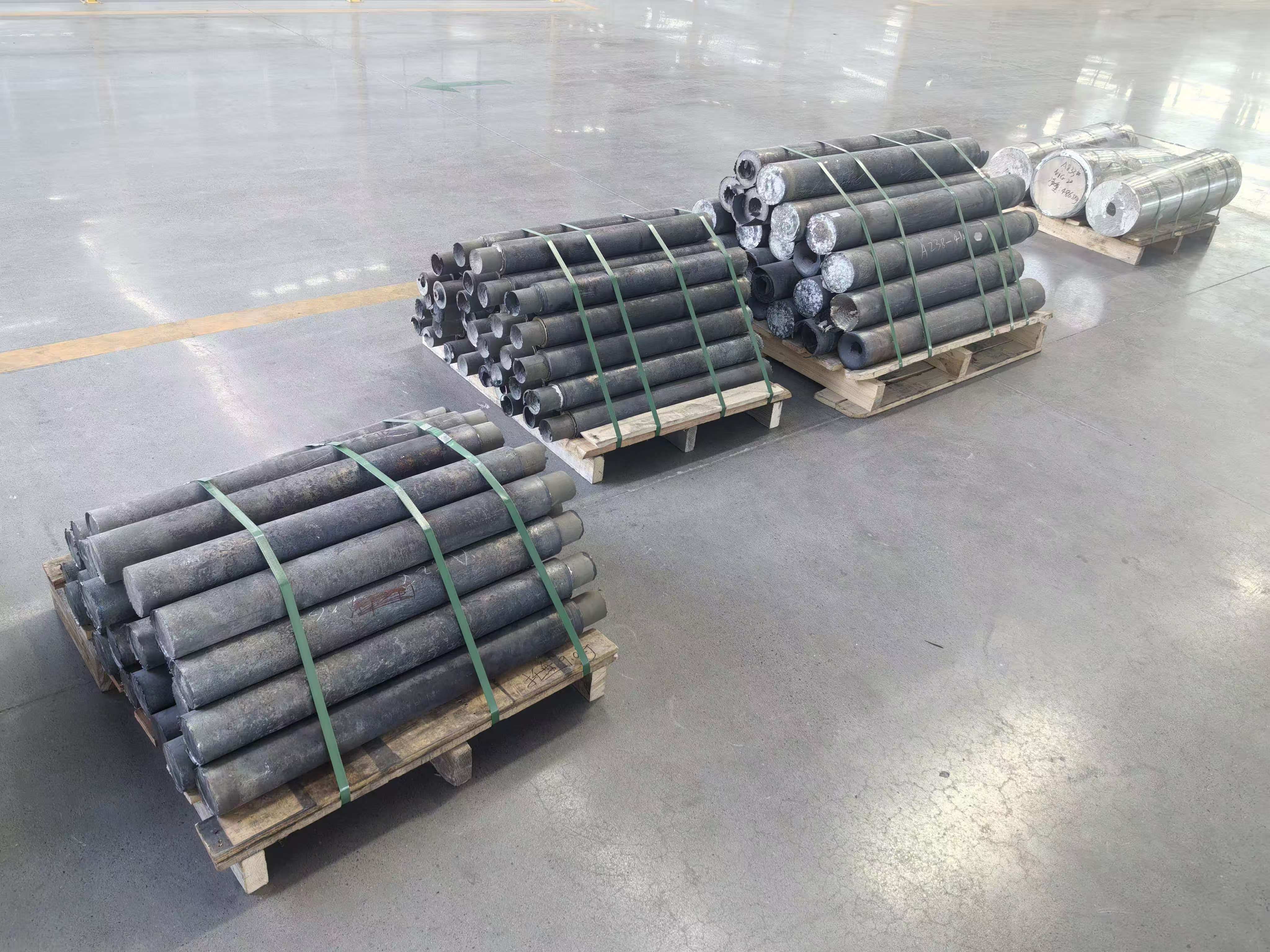
Haynes 230 is a Ni-Cr based solid solution strengthened deformed high-temperature alloy, with core components including 57% nickel, 22% chromium, and 14% tungsten, along with trace amounts of aluminum, titanium, and other elements. The alloy exhibits excellent high-temperature strength, oxidation resistance, and thermal stability below 900°C, with an elastic modulus of 240 GPa and a density of 8.2 g/cm³. It is suitable for extreme operating conditions of components such as aeroengine combustion chambers and gas turbine blades. However, its high hardness (HRC≥35) and high elastic modulus cause vibration during machining, with local temperatures during grinding exceeding 800°C, which can easily lead to surface hardening or thermal cracks.
Section 2: Technical Solutions of Qingchuan New Materials
Melting process control: purity and uniformity of composition guaranteed
Qinchuan New Materials adopts a dual process of vacuum induction melting (VIM) + electroslag remelting (ESR), controlling the gas content (such as oxygen, nitrogen) in the alloy to below 15ppm through multi-stage vacuum treatment, and the size of non-metallic inclusions ≤10μm. For example, in the production of GH4169 turbine disk forgings, its two-stage aging process (720℃+620℃) uniformly distributes the γ' phase within the range of 50-100nm, significantly improving the material's high-temperature endurance life.
2. Cutting and grinding parameter optimization: Reduce thermal effect and tool wear
In response to the high hardness characteristic of Haynes 230, ChingChuan New Materials has developed a dedicated processing parameter library.
3. Innovation in Heat Treatment Technology: Regulation of Microstructure and Performance
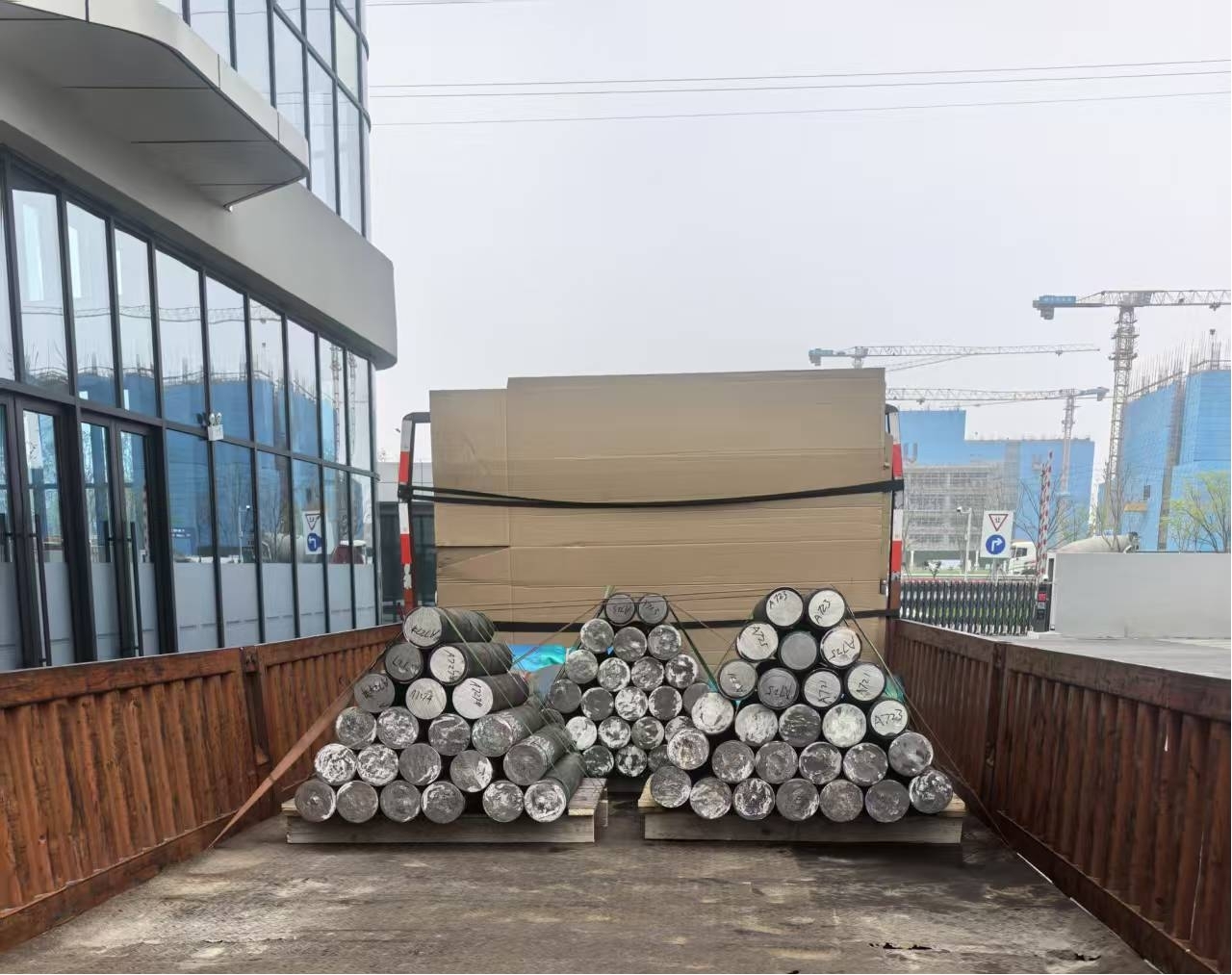
Qinchuan New Materials achieves uniform precipitation of γ' phase through solid solution + aging treatment (1120℃/2h air cooling + 760℃/16h air cooling), enabling the material to reach a tensile strength of 620MPa and elongation ≥15% at 1000℃. For instance, in the production of aeroengine combustion chamber plates, the heat treatment process results in only a weight increase of 0.2mg/cm² after an oxidation test at 900℃/100h, reaching an international advanced level of antioxidant performance.
3. Typical Application Cases and Technical Verification
Case 1: Manufacturing of Aircraft Engine Combustion Chamber Components
Qinchuan New Materials provides Haynes230 combustion chamber plates for a certain type of turbofan engine. By optimizing the stamping process parameters (temperature 950℃ and deformation 30%) and welding technology (TIG welding + filler wire), the first-pass yield of the components reached 98.5%. Ground-based bench tests have verified that the part has no cracks after 1100℃/500h thermal cycles and its dimensional stability exceeds the design requirements.
Case 2: Precision Casting of Gas Turbine Blades
In response to the complex internal cavity structure requirements for a certain type of heavy-duty gas turbine blade, Qinchuan New Materials employs directional solidification technology. By controlling the temperature gradient (≥50℃/cm) and pulling rate (3mm/min), the blade's primary crystal region percentage exceeds 85%, and the low-cycle fatigue life reaches above 10⁷ cycles, a 40% improvement over traditional casting processes.
4. Technical Advantages and Industry Value
Qinchuan New Materials' technical layout in the Haynes 230 alloy field demonstrates three major advantages:
Conclusion
With the development of aerospace and energy equipment towards higher temperatures and higher efficiency, the demand for Haynes 230 alloy will continue to grow.擎川新材料 through continuous technological investment and process iteration, not only provides reliable material support for high-end equipment, but also contributes significantly to the independent and controllable development of China's high-temperature alloy industry. In the future, with the integration of intelligent manufacturing and new material technology, Qichuan New Materials is expected to achieve more breakthroughs in the high-temperature alloy field.