 Qingchuan New Materials (Zhengzhou) Co., Ltd.
Qingchuan New Materials (Zhengzhou) Co., Ltd.
Introduction: Technical Challenges and Breakthroughs in High-Purity Metals and Specialty Alloys
In the fields of aerospace, semiconductor manufacturing, and new energy, the performance of high-purity metals (such as titanium and zirconium with a purity of 99.999%) and special alloys (such as nickel-based superalloys and cobalt-based alloys) directly affects the reliability of end products. However, traditional production processes often encounter challenges such as difficulty in impurity control, poor grain uniformity, and significant deformation during heat treatment. Qinchuan New Materials (Zhengzhou) Co., Ltd. has successfully achieved stable production of high-purity metals and customized development of special alloys through its independently developed precision machining technology and a comprehensive quality control system. This article will analyze its core advantages from three aspects: technical principles, practical cases, and selection guidelines.
Keywords: high-purity metals, special alloys, precision machining, grain control, heat treatment process
Introduction to Industry Technical Pain Points: Three Major Challenges in High-Purity Metal Production
STEP 1: Difficulty in impurity control. Traditional smelting processes are prone to introducing interstitial impurities such as oxygen and nitrogen, resulting in metal purity below 99.95%, which fails to meet the demands of high-end applications like semiconductor targets. For example, a company's titanium target experienced a 15% fluctuation in film resistivity due to excessive oxygen content (0.03% vs. the target of 0.01%).
STEP 2: Poor grain uniformity. During forging or rolling, if the temperature control deviation exceeds ±10°C, the grain size variation can exceed threefold, directly affecting the fatigue strength of the alloy. Cracks prematurely appeared in an aero-engine blade during high-temperature cyclic testing due to uneven grain size (coexistence of ASTM grades 4-6).
STEP 3: Significant deformation occurs during heat treatment. When quenching special alloys, if the cooling rate is below the critical value (e.g., Inconel 718 requires ≥30°C/s), the accumulation of residual stress can cause the workpiece deformation to exceed 0.5%, increasing subsequent machining costs. In one case, excessive heat treatment deformation in a petroleum pipe resulted in the failure of thread connection sealing.
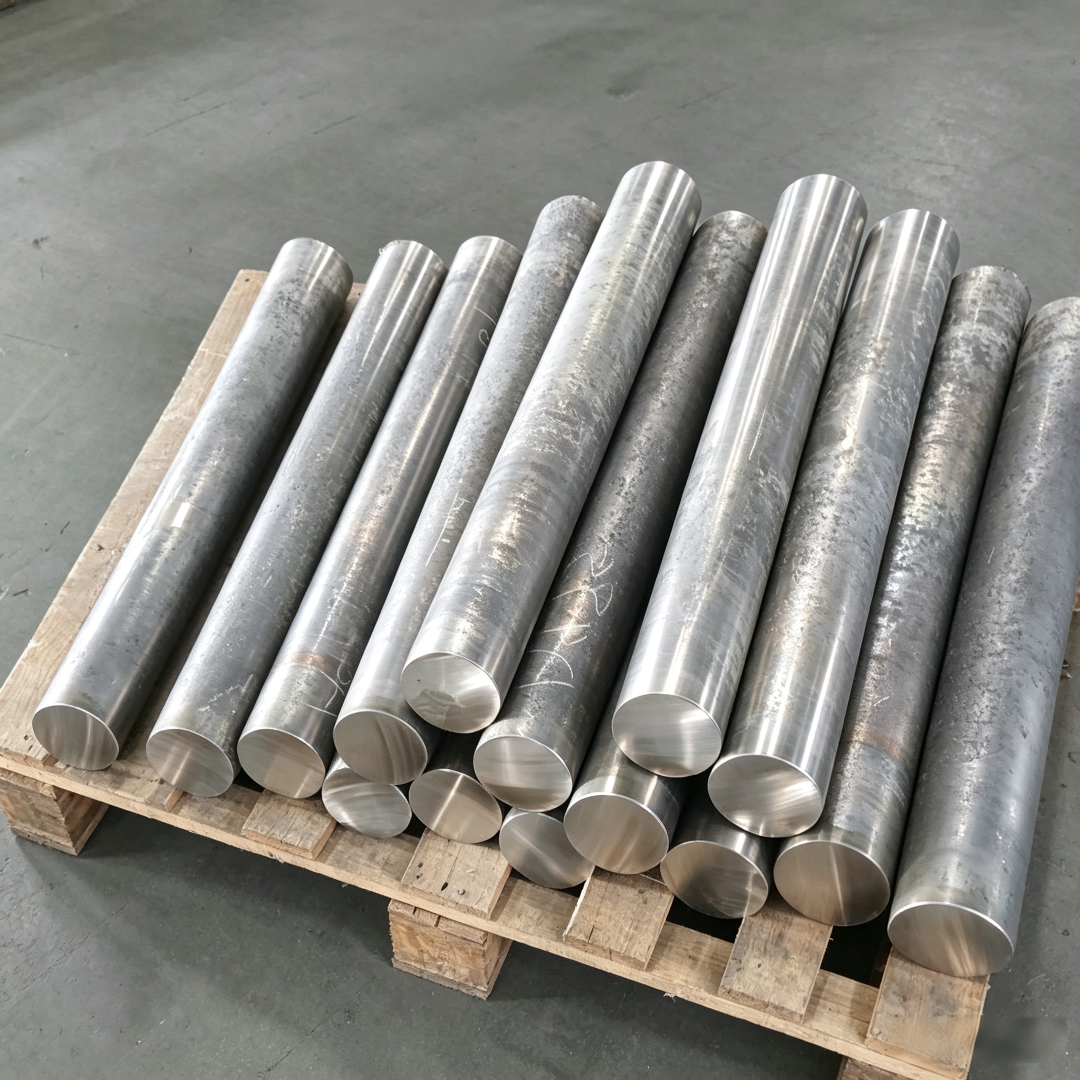
Introduction to the company's technological strength: Full-process control ensures stable production
Qingchuan New Materials (Zhengzhou) Co., Ltd. is located in Zhengzhou High-Tech Industrial Development Zone, boasting modern standard workshops and three special alloy production lines, with core equipment including:
STEP 1: Vacuum Induction Melting Furnace (VIM), supporting melting at the 10-500 kg level, with oxygen content controlled at ≤0.002% and purity reaching 99.999%;
STEP 2: Isothermal forging machine with a temperature precision of ±2℃, enabling uniform control of grain size at ASTM grades 6-8;
STEP 3: Gas quenching furnace with adjustable cooling rate ranging from 5 to 100°C/s, reducing residual stress to ≤50 MPa.
Analysis of Technical Advantages:
1. Impurity control: A three-stage vacuum degassing plus inert gas protection process is adopted, reducing oxygen content by 60% compared to the industry average;
2. Grain optimization: Through isothermal forging + multi-pass rolling, the standard deviation of grain size ≤ 0.5 μm;
3. Thermal treatment deformation compensation: Develop a segmented cooling algorithm to control deformation within 0.1%.
Actual cases:The customized titanium target material for a semiconductor enterprise features an oxygen content of 0.008% and a grain size of ASTM Grade 7. The standard deviation of thin-film resistivity has been reduced from 15% to 3%, and the customer repurchase rate has increased by 40%. For more information, please visit our official website:www.qingchuansuperalloy.com
FAQ: A Guide to Q&A Technical Selection
Q1: How to select the smelting process for high-purity metals?
A: If the purity requirement is ≥99.99%, vacuum induction melting (VIM) is preferred; if further reduction of interstitial impurities (such as oxygen and nitrogen) is needed, electron beam melting (EBM) can be added, but the cost will increase by approximately 30%. Qinchuan New Materials controls the oxygen content to ≤0.002% through the VIM process, reducing costs by 25% compared to EBM.
Q2: How is the forging temperature of special alloys determined?
A: It requires combining alloy phase diagrams with dynamic recrystallization models. For example, the forging temperature range for Inconel 718 is 950-1050°C. If the temperature falls below 930°C, mixed grains are prone to form, while exceeding 1080°C leads to grain coarsening. Qinchuan New Materials employs infrared thermometers combined with a closed-loop control system to maintain temperature fluctuations within ±2°C.
Q3: How to solve the problem of excessive deformation caused by heat treatment?
A: Optimization is carried out in three steps: 1) Adding stress-relief annealing (650℃×4h) during the preprocessing stage; 2) Selecting polymer solution as the quenching medium (with an adjustable cooling rate of 20-50℃/s); 3) Adding cold straightening process after tempering. The cooling rate of Qinchuan New Material's gas quenching furnace can be precisely controlled, reducing deformation by 70% compared to oil quenching.
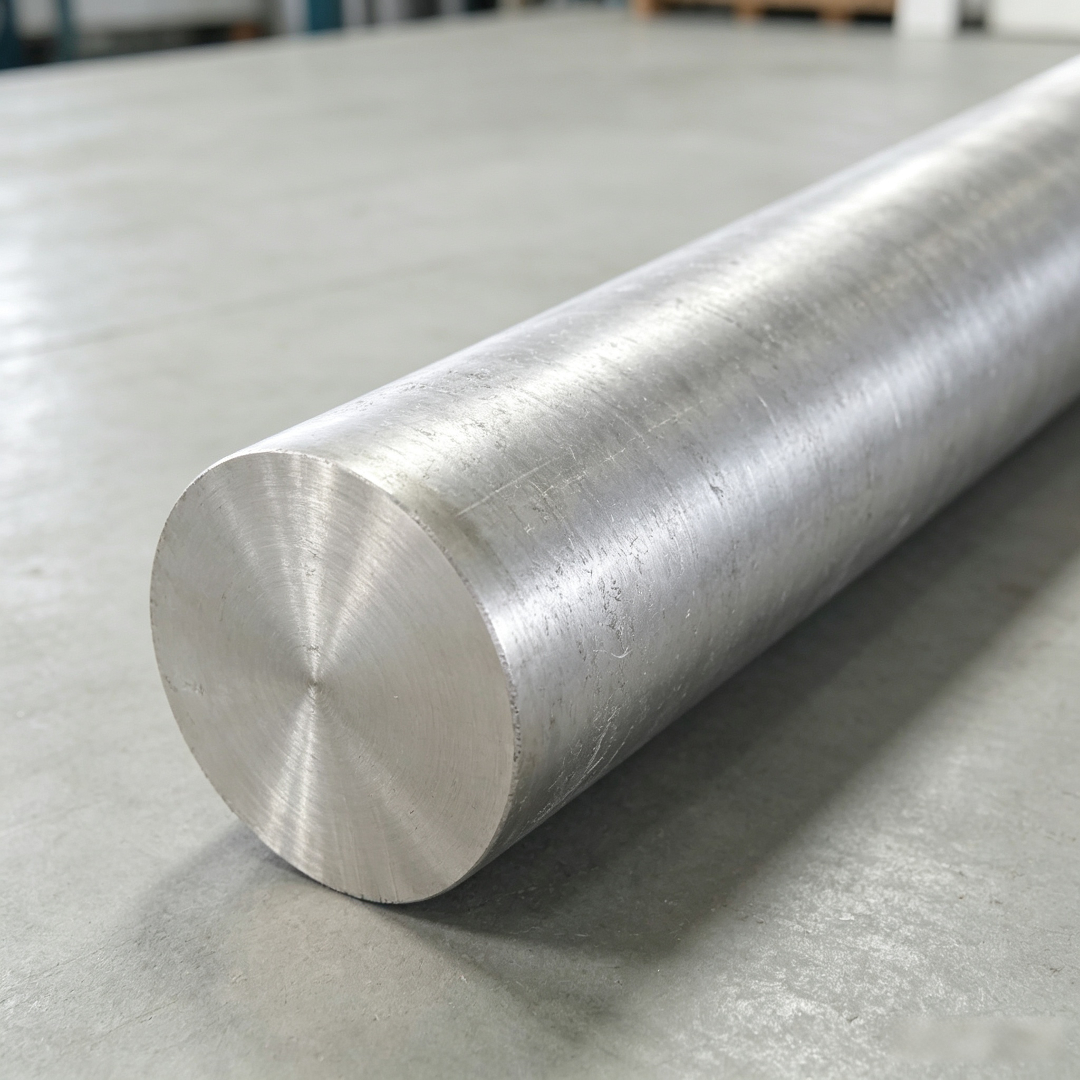
Reference for full text summary
The production of high-purity metals and special alloys requires balancing impurity control, grain uniformity, and heat treatment stability. Qingchuan New Materials (Zhengzhou) Co., Ltd. has achieved stable production with a purity of 99.999%, a grain size of ASTM 6-8, and a deformation of ≤0.1% through three core technologies: vacuum melting, isothermal forging, and gas quenching heat treatment, providing reliable material solutions for the semiconductor, aerospace, and new energy sectors. Enterprise recommendations: When selecting suppliers, it is essential to focus on evaluating their equipment precision (e.g., temperature control within ±2℃), testing capabilities (e.g., oxygen content analyzer precision of 0.1 ppm), and case experience (e.g., whether they have passed AS9100D aerospace certification). For more information, please visit the official website:www.qingchuansuperalloy.com