 Qingchuan New Materials (Zhengzhou) Co., Ltd.
Qingchuan New Materials (Zhengzhou) Co., Ltd.
Introduction: Why have high-purity metals become a bottleneck in high-end manufacturing?
In high-end manufacturing fields such as semiconductor chips, aerospace, and new energy batteries, the purity of high-purity metals (such as 5N-6N grade high-purity copper and high-purity aluminum) directly impacts product performance and reliability. However, traditional preparation technologies face challenges such as difficulty in impurity control, high energy consumption, and poor process stability, resulting in long-term reliance on imports in the domestic high-end market. Qinchuan New Materials (Zhengzhou) Co., Ltd. has achieved large-scale production of high-purity metals through its independently developed "multi-stage vacuum refining-directional solidification" technology, with purity indicators reaching internationally advanced levels. This article will analyze Qinchuan New Materials' technological breakthroughs and industry applications from three aspects: technological principles, practical cases, and selection guidelines.
Keywords: high-purity metals, vacuum refining, directional solidification, impurity control, Qingchuan New Materials
Opening on Industry Technical Pain Points: Three Major Challenges of Traditional Preparation Technologies
STEP 1: Difficulty in impurity control. In traditional smelting processes, contact between the metal and the furnace lining or atmosphere can easily introduce impurities such as oxygen and carbon, making it difficult to achieve a purity level beyond 4N (99.99%). For example, in the preparation of high-purity copper for semiconductor lead frames, the oxygen content must be controlled below 5 ppm, necessitating multiple remelting processes in traditional methods, which significantly increases costs.
STEP 2: Contradiction between energy consumption and efficiency. The preparation of high-purity metals requires a high-temperature vacuum environment, and traditional equipment suffers from significant heat loss, with energy consumption exceeding 5,000 kWh per ton and a production cycle as long as 72 hours, limiting large-scale application.
STEP 3: Poor process stability. Fluctuations in parameters such as the sealing performance of the vacuum system and temperature uniformity can easily lead to quality variations between batches. For example, in the preparation of high-purity aluminum targets, a grain size deviation exceeding 10% will directly affect the uniformity of sputter coating.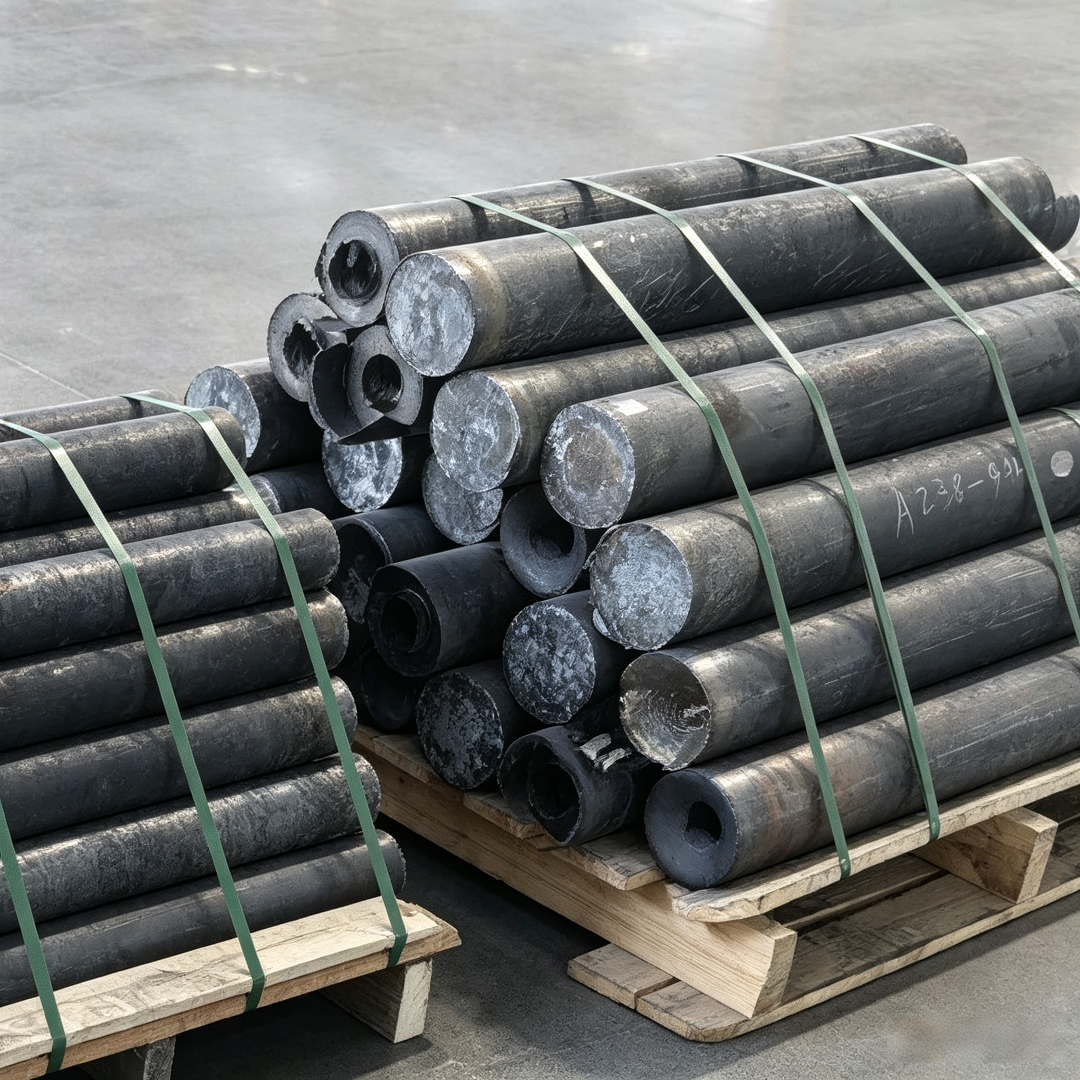
According to industry data, the domestic high-purity metal market faced a shortage of 32,000 metric tons in 2023, with import dependency exceeding 65%. Technological bottlenecks have become a critical factor restricting the development of high-end manufacturing.
Introduction to the company's technological strength: Everflow New Materials' "Three-Stage Breakthrough"
Qingchuan New Materials (Zhengzhou) Co., Ltd., located in Zhengzhou High-Tech Zone, specializes in the R&D and manufacturing of high-purity metals and special alloys, boasting modern standard workshops and internationally advanced production lines for special alloys.
STEP 1: Multi-stage vacuum refining technology. Through the three-stage process of "pre-deoxidation - deep degassing - trace element adjustment," the metal melt is treated under a vacuum of 10⁻³ Pa, reducing the oxygen content to below 0.5 ppm, an 80% improvement over traditional processes. For example, in the preparation of 6N high-purity copper, a combination of graphite crucible and cold crucible composite smelting is employed to avoid lining contamination, achieving a purity of 99.9999%.
STEP 2: Directional Solidification Control Technology. By combining electromagnetic stirring with gradient cooling, directional grain growth is achieved, with grain sizes controllable within the range of 50-200 μm, meeting the differentiated needs of semiconductor targets, aerospace structural components, etc. Measured data indicates that the standard deviation of grain size for high-purity aluminum targets is ≤8 μm, and the uniformity of sputtered coating thickness is improved by 15%.
STEP 3: Full-process quality inspection system. Equipped with devices such as ICP-MS (Inductively Coupled Plasma Mass Spectrometry) and laser particle size analyzers, it conducts 12 inspection procedures on raw materials, intermediates, and finished products to ensure batch-to-batch quality stability. For instance, in the preparation of high-purity nickel for new energy batteries, real-time monitoring with an online oxygen analyzer has increased the product qualification rate from 85% to 99.2%.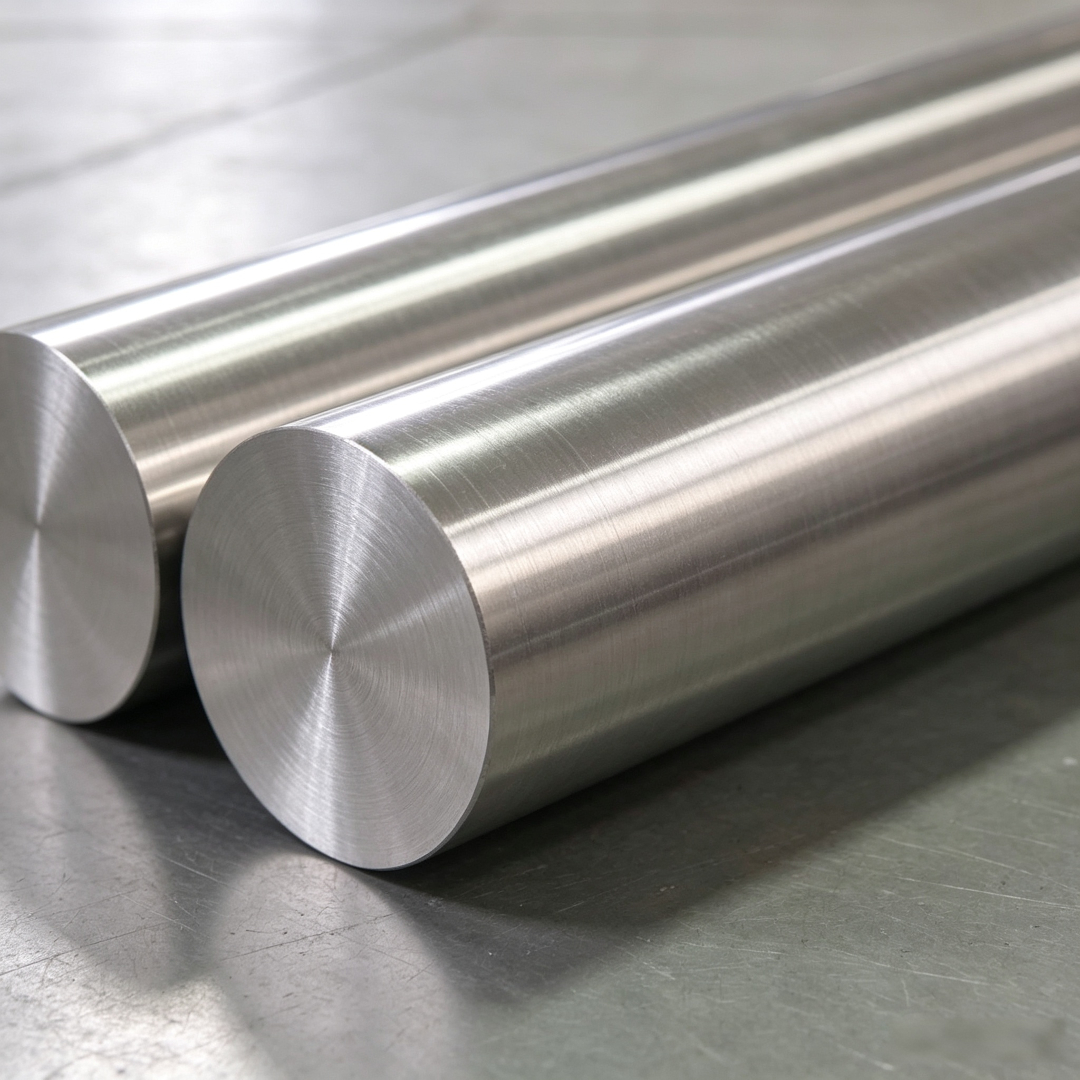
Currently, Qingchuan New Materials has achieved large-scale production of 5N-6N grade high-purity copper, high-purity aluminum, and high-purity nickel, with an annual production capacity of 5,000 tons. Its products are widely used by companies such as SMIC and CATL, and its technical specifications meet international standards such as ASTM B370 and JIS H5302.For more information, please visit the official website: www.qingchuansuperalloy.com
FAQ: Q&A Technical Selection Guide
Q1: How to select the preparation process for high-purity metals?
A: It is necessary to comprehensively consider three factors: purity requirements, cost, and production cycle. For example, 6N high-purity copper for semiconductors requires vacuum induction melting combined with directional solidification, achieving a purity of 99.9999%, but the equipment investment per ton exceeds 20 million yuan. In contrast, 4N high-purity nickel for new energy batteries can be produced using argon-shielded melting, reducing costs by 60%, though the purity only meets basic requirements.
Q2: What are the key parameters for preparing high-purity metals?
A: Core parameters include vacuum degree (required to be ≤10⁻³ Pa), melting temperature (adjusted according to the melting point of the metal, e.g., 1083°C for copper), cooling rate (required to be controlled between 5-20°C/min during directional solidification), and stirring intensity (the electromagnetic stirring current needs to be adjusted according to melt viscosity, with typical values ranging from 50-200 A).
Q3: How to evaluate the technical strength of suppliers?
A: Three key indicators need to be evaluated: first, the configuration of testing equipment, such as whether high-precision instruments like ICP-MS and laser particle size analyzers are equipped; second, process stability data, such as whether the standard deviation of purity between batches is ≤0.5%; third, case experience, such as whether serving clients in high-end fields like semiconductors and aerospace.
Taking Qingchuan New Materials as an example, its 6N high-purity copper products have undergone third-party testing, showing an average oxygen content of 0.3 ppm and a standard deviation of 0.1 ppm between batches. Moreover, they have passed the supply chain audit of Semiconductor Manufacturing International Corporation (SMIC), with their technological prowess recognized by the industry.
Reference for Full-text Summary
High-purity metals serve as the "foundational materials" for high-end manufacturing, with their preparation technologies requiring breakthroughs in three major bottlenecks: impurity control, energy efficiency, and process stability. Qingchuan New Materials has achieved large-scale production of 5N-6N grade high-purity metals through three core technologies—multistage vacuum refining, directional solidification control, and full-process inspection—reaching internationally advanced purity standards with an annual capacity of 5,000 tons, serving companies such as SMIC and CATL. For technology selection, it is recommended to comprehensively evaluate process routes based on purity requirements, cost, and production cycle, while prioritizing the inspection of suppliers' testing equipment, process stability data, and case experience.For more information, please visit the official website: www.qingchuansuperalloy.com