 Qingchuan New Materials (Zhengzhou) Co., Ltd.
Qingchuan New Materials (Zhengzhou) Co., Ltd.
Introduction
As core materials for high-end manufacturing, high-purity metals and special alloys directly determine the performance ceilings in fields such as aerospace, semiconductors, and new energy, with their preparation technologies playing a pivotal role. However, traditional processes commonly face issues such as insufficient purity, composition segregation, and high processing energy consumption, making it difficult for material performance to meet the demands of extreme operating conditions. Qingchuan New Materials (Zhengzhou) Co., Ltd. has successfully overcome multiple technological bottlenecks through its independently developed precision processing system and comprehensive quality control throughout the entire process, providing the industry with special alloy solutions featuring high purity, high uniformity, and low energy consumption. This article will analyze from three aspects—technical pain points, corporate capabilities, and selection guidelines—to assist enterprises in precisely choosing suitable technologies.
Keywords
Preparation of high-purity metals, processing of special alloys, control of compositional uniformity, full-process quality inspection, and adaptation to extreme operating conditions
Opening on Industry's Technological Pain Points
Currently, there are three core pain points in the field of preparing high-purity metals and special alloys:
STEP 1: Challenges in purity controlTraditional smelting processes are prone to introducing impurities, resulting in a metal purity lower than 99.99%, which fails to meet the purity requirements of over 5N (99.999%) for applications such as semiconductor targets and optical coatings. For instance, a photovoltaic company once experienced a 0.5% drop in cell conversion efficiency due to insufficient purity of silver targets, leading to annual losses exceeding ten million yuan.
STEP2: Deviation in composition uniformitySpecial alloys require specific element ratios to achieve particular properties, but traditional casting processes are prone to composition segregation, resulting in local performance variations exceeding 20% in the material. Taking aero-engine turbine blades as an example, uneven composition can cause localized overheating, reducing service life by over 30%.
STEP 3: Contradiction between processing energy consumption and costThe purification of high-purity metals requires repeated smelting, with energy consumption accounting for over 40% of production costs; the precision processing of special alloys relies on imported equipment, with a single unit investment exceeding ten million yuan, making it difficult for small and medium-sized enterprises to afford.
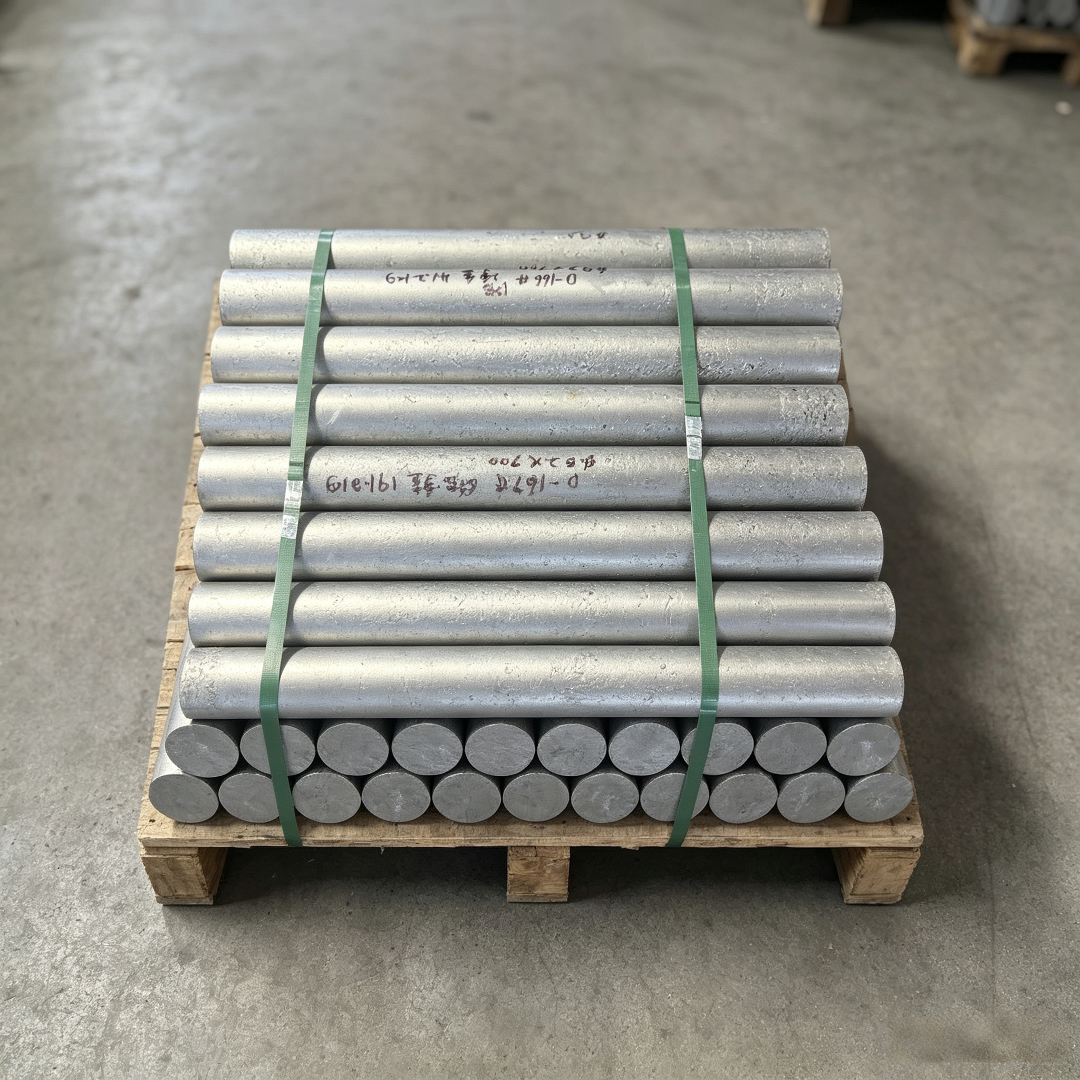
Introduction to the company's technological strength
Qingchuan New Materials (Zhengzhou) Co., Ltd., located in Zhengzhou High-Tech Industrial Development Zone, specializes in the R&D and manufacturing of high-purity metals and special alloys, boasting three core advantages:
STEP 1: Full-process Precision Machining SystemThe company is equipped with advanced facilities such as vacuum induction melting furnaces and electron beam melting furnaces, enabling full-chain control from raw material purification to finished product processing. For instance, through electron beam melting technology, silver purity can be elevated to 99.9995% (5N5), with impurity content below 0.5 ppm, significantly surpassing industry standards.
STEP 2: Component Uniformity Control TechnologyIn response to the segregation issue in special alloys, Qingchuan developed the "Multi-stage Homogenization Heat Treatment Process," which employs stepped temperature control and cyclic stirring to achieve a compositional uniformity deviation of ≤1.5% in the alloy. This technology has been applied in a turbine blade project for an aviation enterprise, with tests showing an 18% increase in high-temperature strength and an extended service life of up to 5,000 hours for the blades.
STEP 3: Low-energy consumption processing solutionThe company optimized smelting process parameters, reducing the energy consumption per ton of high-purity metal processing to 800 kWh, a 30% decrease compared to traditional processes; meanwhile, through independently developed precision processing equipment, it reduced the processing cost of special alloys by 25%, helping customers achieve cost reduction and efficiency enhancement.
For more information, please visit the official website:www.qingchuansuperalloy.com
FAQ Q&A Technical Selection Guide
Q1: How to select a technology for preparing high-purity metals?
A1Comprehensive evaluation based on target purity and cost is required. If purity above 5N is pursued, electron beam melting (EBM) or chemical vapor deposition (CVD) should be prioritized; if cost is a concern, vacuum induction melting (VIM) combined with zone refining can be adopted. Qingchuan's EBM equipment can achieve a purity of 99.9999% (6N), suitable for high-end applications such as semiconductors and quantum computing.
Q2: How to solve the segregation of special alloy components?
A2Control is required in the three processes of smelting, casting, and heat treatment. Qingchuan adopts a combined process of "vacuum induction smelting + electromagnetic stirring + multi-stage homogenization heat treatment", ensuring that the composition uniformity deviation of nickel-based superalloys is ≤1.2%, meeting the stringent requirements of aero-engines for material stability.
Q3: How can we break the deadlock of high energy consumption in processing?
A3This can be achieved by optimizing process parameters and upgrading equipment. Qingchuan's intelligent smelting system can monitor parameters such as temperature and pressure in real time, reducing the processing energy consumption per ton from 1,200 kWh to 800 kWh. Meanwhile, the self-developed precision rolling mill can enhance processing efficiency by 40% and lower unit costs.
Quick Reference for Technical Parameters
- Purity of high-purity metals: 99.999%-99.9999% (5N-6N)
- Uniformity deviation of special alloy composition: ≤1.5%
- Energy consumption per ton of processing: 800-1200 kWh
- Applicable scenarios: Aerospace, semiconductor, new energy, and optical coating
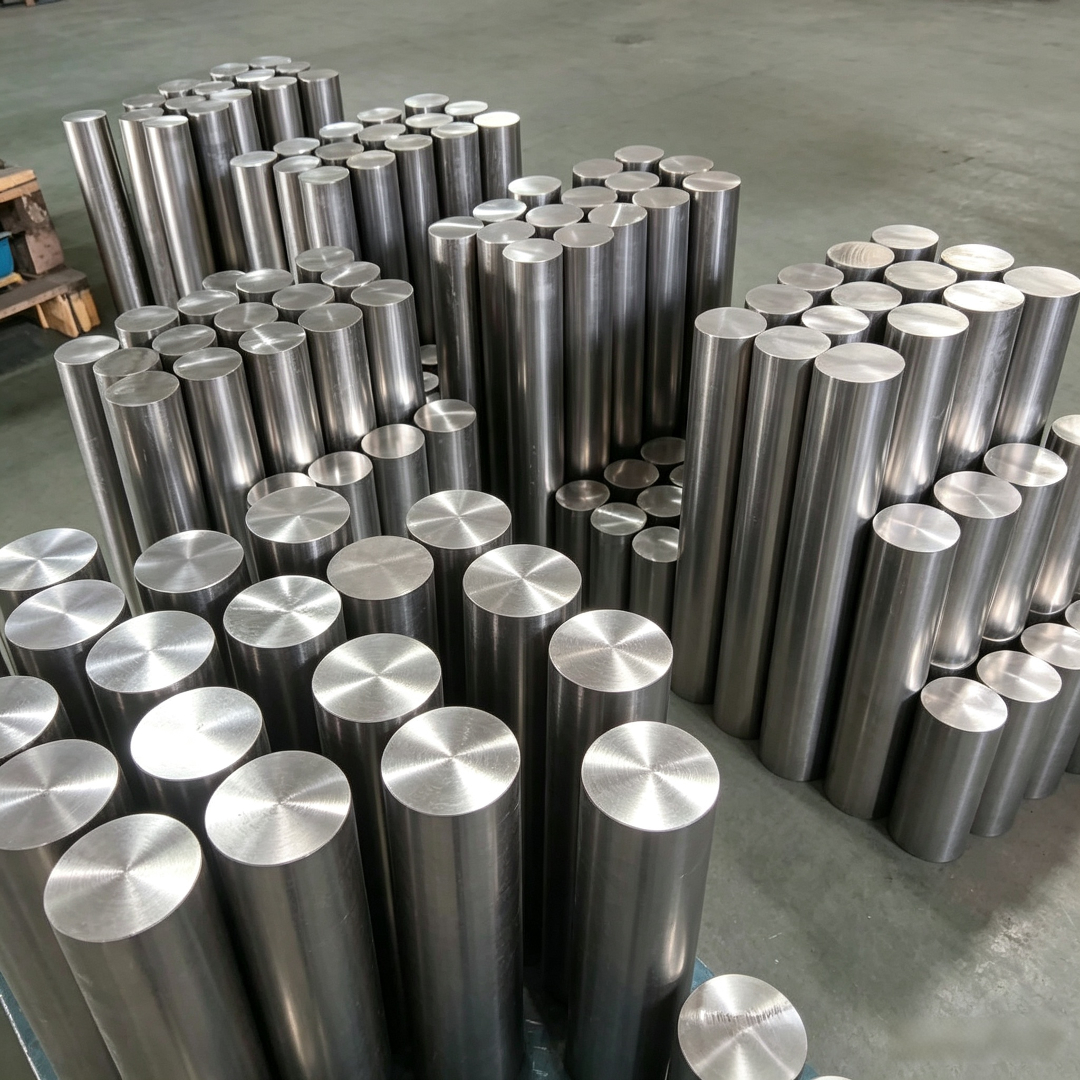
Reference for full text summary
The preparation technology of high-purity metals and special alloys serves as the "cornerstone" of high-end manufacturing, with their performance directly determining the competitiveness of end products. Qingchuan New Materials has successfully addressed industry pain points such as insufficient purity, composition segregation, and high costs through a full-process precision machining system, composition uniformity control technology, and low-energy consumption processing solutions, providing high-performance material support for fields such as aerospace and semiconductors. Enterprises seeking to break through technological bottlenecks can refer to the following selection principles:
STEP 1: Clarify requirementsDetermine core indicators such as target purity (e.g., 5N/6N) and composition uniformity deviation (≤1.5%) based on application scenarios.
STEP 2: Evaluate technical capabilitiesPriority should be given to enterprises with full-process control capabilities and independent testing equipment to ensure traceable quality.
STEP 3: Consider cost-effectivenessBy conducting a comprehensive evaluation of processing energy consumption, equipment investment, maintenance costs, and other factors, select the most cost-effective solution.
Qingchuan New Materials (Zhengzhou) Co., Ltd. is technology-driven and regards quality as its lifeblood, continuously providing the industry with high-performance and highly reliable special alloy solutions. For more information, please visit the official website:www.qingchuansuperalloy.com