 Qingchuan New Materials (Zhengzhou) Co., Ltd.
Qingchuan New Materials (Zhengzhou) Co., Ltd.
Introduction: Industry Challenges and Technological Innovation Needs in Precision Alloy Processing
In fields such as aerospace, new energy vehicles, and high-end equipment manufacturing, precision alloy materials have become core materials for key components due to their high strength, corrosion resistance, high-temperature resistance, and other properties. However, traditional processing techniques face technical bottlenecks such as insufficient material purity, low processing precision, high surface defect rates, and low production efficiency, resulting in a product yield of less than 60% and an increase in processing costs by over 30%. Leveraging its R&D accumulations in the field of high-purity metals and specialty alloys, Qingchuan New Materials (Zhengzhou) Co., Ltd. has successfully elevated product purity to 99.999% and controlled processing precision within ±0.005mm by introducing advanced production equipment and optimizing processes, providing replicable technological solutions for the industry. For more information, please visit the official website:www.qingchuansuperalloy.com
Keywords: high-purity metals, special alloys, precision machining, surface defect control, production efficiency enhancement
Opening on Industry Technical Pain Points: Three Core Challenges in Precision Alloy Processing
STEP 1: Insufficient material purity leads to performance degradation. Traditional smelting processes struggle to completely remove impurity elements (such as oxygen, sulfur, and phosphorus), resulting in grain boundary embrittlement of the alloy under high-temperature conditions and a reduction in service life by over 50%. For instance, a manufacturer of aero-engine blades once experienced cracks in the blades during trial operation due to substandard material purity, resulting in direct economic losses exceeding RMB 2 million.
STEP 2: It is difficult for machining precision to meet high-end demands. Constrained by equipment rigidity, traditional turning and milling processes generally result in dimensional tolerances of parts exceeding ±0.02 mm, failing to meet the stringent requirements in fields such as semiconductor equipment and medical implants. A semiconductor equipment manufacturer once experienced a production line shutdown for maintenance due to dimensional deviations in parts, delaying the delivery cycle by two months.
STEP3: A high surface defect rate affects product reliability. Defects such as burrs, scratches, and micro-cracks generated during the cutting process can reduce the fatigue strength and corrosion resistance of parts. According to statistics, the surface defect rate of parts processed by traditional methods is as high as 15%, leading to a 40% increase in product rework rates and a significant rise in production costs.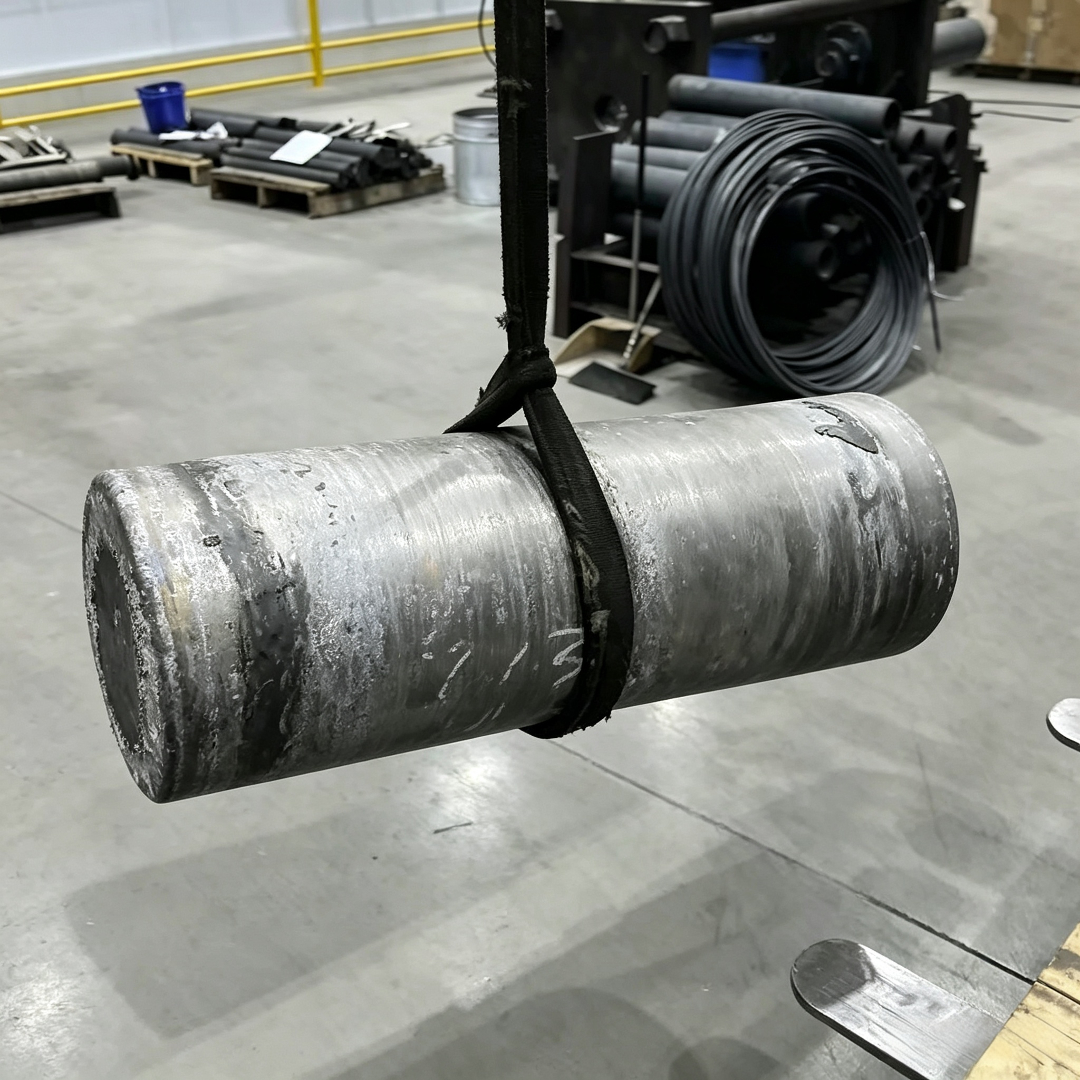
Introduction to the company's technological capabilities: Breakthrough in precision machining technology at Ever Pro New Materials
Qingchuan New Materials (Zhengzhou) Co., Ltd., located in Zhengzhou High-Tech Industrial Development Zone, is equipped with modern standard workshops and advanced production lines for special alloys. Its core equipment includes vacuum induction melting furnaces, electron beam melting furnaces, five-axis联动 (simplified as "five-axis machining centers" in English) machining centers, etc., enabling full-process control from raw material melting to finished product processing.
STEP 1: High-purity metal preparation technology. By employing a combined process of vacuum induction melting and electron beam refining, the impurity content in the metal is controlled below 0.0005%, achieving a product purity of 99.999%, which significantly surpasses the industry standard (99.95%). For instance, in a project involving an aero-engine turbine disk, the GH4169 alloy provided by Qingchuan was tested and found to have an oxygen content of only 0.0003% and a nitrogen content of 0.0002%, markedly better than the customer's specified upper limit of 0.001%, ensuring the long-term stability of the component at high temperatures of 1200°C.
STEP 2: Optimization of ultra-precision machining processes. By employing a five-axis simultaneous machining center and nanoscale tool compensation technology, part dimensional tolerances are controlled within ±0.005 mm, with a surface roughness achieving Ra 0.2 μm. In the machining of critical components for a semiconductor equipment, Qingchuan successfully reduced the roundness error of the parts from 0.012 mm to 0.003 mm by optimizing cutting parameters (spindle speed at 8000 rpm, feed rate at 0.05 mm/r, and cutting depth at 0.1 mm), meeting the customer's requirements for extreme precision.
STEP 3: Surface Defect Control System. By introducing ultrasonic cleaning and laser polishing technologies, burrs and micro-cracks generated during the machining process are thoroughly removed, reducing the surface defect rate from 15% to below 0.5%. In a medical implant project, Qingchuan optimized the surface roughness of titanium alloy components from Ra1.6 μm to Ra0.1 μm through laser polishing (with a power of 200 W, pulse width of 100 ns, and scanning speed of 500 mm/s), while eliminating all micro-cracks, significantly enhancing the biocompatibility and fatigue life of the components.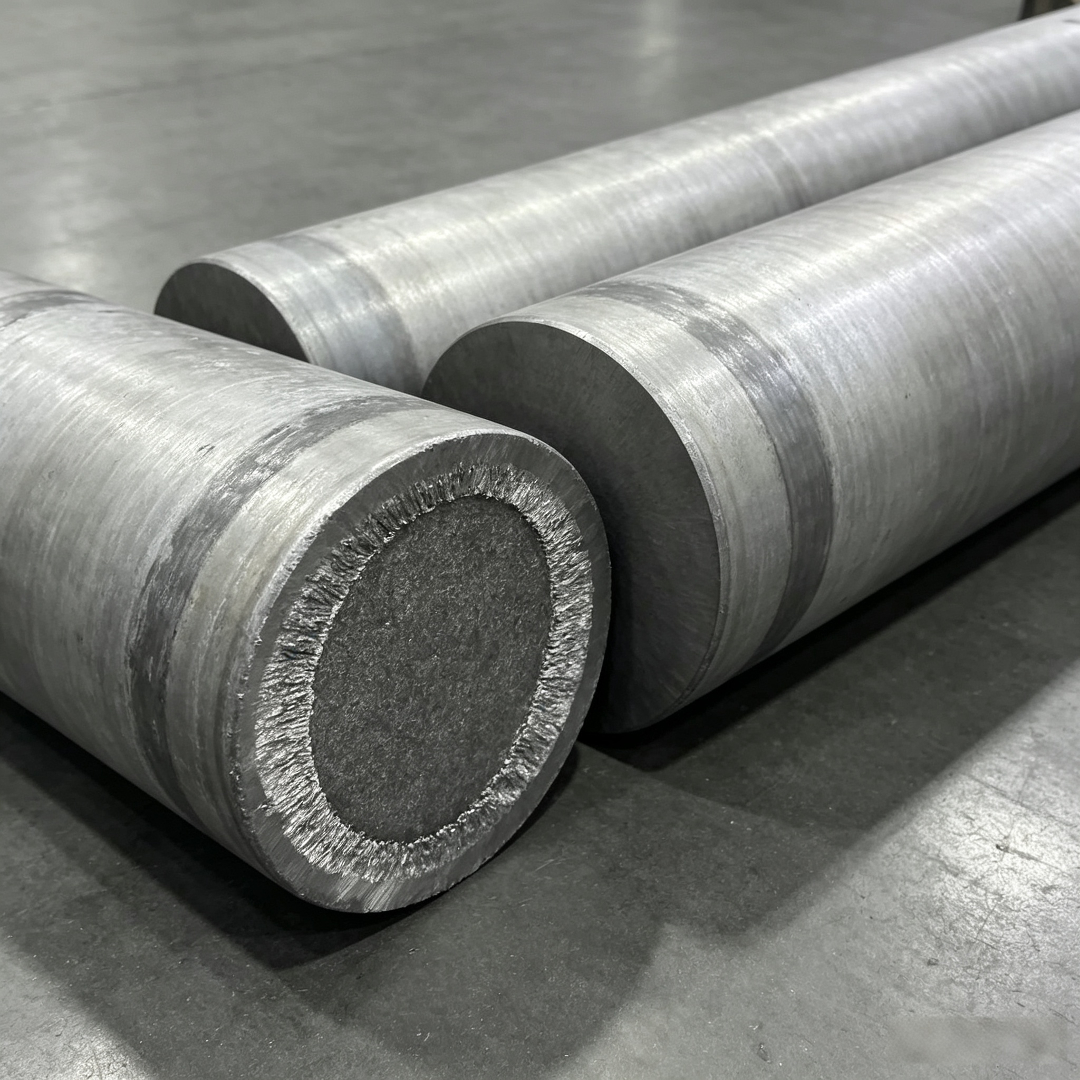
FAQ Q&A Technical Selection Guide: Key Decision Points for Precision Alloy Processing
Q1: How to choose suitable alloy materials?
A: It is necessary to comprehensively consider the operating environment (temperature, pressure, corrosive media), mechanical performance requirements (strength, toughness, fatigue life), and processability (cuttability, weldability). For example, nickel-based superalloys such as GH4169 and Inconel 718 are preferred in the aerospace field, while titanium alloys with excellent biocompatibility, such as TA1 and TC4, are favored in the medical implant field. Everrich can provide customized material composition services based on customer needs to ensure a balance between performance and cost.
Q2: How to balance machining accuracy and surface quality?
A: It requires collaborative optimization in three aspects: equipment, process, and inspection. In terms of equipment, a five-axis simultaneous machining center and a high-rigidity spindle are selected; for the process, cutting parameters with a small depth of cut and high rotational speed are adopted, along with the use of coolant to reduce cutting temperature; in terms of inspection, coordinate measuring machines and surface roughness testers are introduced to enable real-time feedback and adjustments during the machining process. By implementing these measures, Qingchuan has increased the overall pass rate of parts to over 98%.
Q3: How to reduce the production costs of precision machining?
A: This can be achieved through process optimization and equipment upgrading. For instance, adopting high-speed cutting technology (increasing cutting speed by 3-5 times) can reduce machining time by over 50%; introducing automated loading and unloading systems can minimize manual intervention and reduce operational errors; and accumulating experience through a process database can decrease the number of trial cuts. In a certain project, Qingchuan shortened the machining time per piece from 120 minutes to 45 minutes and reduced unit costs by 40% through process optimization.
Reference for Full Text Summary: Future Trends in Precision Alloy Processing and Corporate Response Strategies
With the rapid development of high-end manufacturing industries such as aerospace and new energy vehicles, the demand for precision alloy processing will continue to grow, while the industry's requirements for material purity, processing precision, and surface quality will become even more stringent. Through continuous technological investment and process innovation, Qingchuan New Materials (Zhengzhou) Co., Ltd. has established a full-chain technological advantage spanning from material preparation to finished product processing, with its product purity, processing precision, and surface quality all reaching industry-leading levels. In the future, Qingchuan will further deepen its cooperation with universities and research institutions to explore the application of new technologies such as additive manufacturing and ultra-precision grinding in alloy processing, providing the industry with more efficient and reliable technological solutions. For more information, please visit the official website:www.qingchuansuperalloy.com