 Qingchuan New Materials (Zhengzhou) Co., Ltd.
Qingchuan New Materials (Zhengzhou) Co., Ltd.
Introduction: Why has special alloy technology become a bottleneck in high-end manufacturing?
In high-end manufacturing fields such as aerospace, semiconductors, and new energy, the performance of high-purity metals and specialty alloys directly determines the reliability and lifespan of products. However, traditional material technologies generally face challenges such as insufficient purity, composition segregation, and poor processing performance, resulting in low product yields and high costs. Qinchuan New Materials (Zhengzhou) Co., Ltd. has successfully broken through industry bottlenecks through its independently developed precision melting and processing technologies, providing high-performance material solutions for high-end manufacturing. For more information, please visit our official website:www.qingchuansuperalloy.com
Keywords: high-purity metals, special alloys, precision machining, composition control, industry pain points
Opening on Industry's Technological Pain Points: Three Core Challenges of Traditional Material Technologies
STEP 1: Challenges in purity control. In the field of semiconductor sputtering targets, the metal purity must reach above 99.999% (5N). Traditional smelting processes are prone to introducing impurities such as oxygen and carbon, resulting in a reduction of over 30% in material conductivity. For instance, a photovoltaic enterprise experienced a 1.2% loss in solar cell conversion efficiency due to insufficient target purity, leading to annual economic losses exceeding ten million yuan.
STEP 2: Compositional uniformity defects. Nickel-based alloys used in aero-engine blades require strict control over the size distribution of the γ' phase. Traditional casting processes are prone to causing compositional segregation, leading to a 50% reduction in the high-temperature fatigue life of the blades. An aviation enterprise once experienced an increase in the overall repair rate to 8% due to non-uniform blade materials, severely impacting delivery timelines.
STEP 3: Limitations in processability. Titanium alloys used for medical implants need to balance strength and biocompatibility; however, traditional forging processes are prone to causing work hardening, resulting in a 40% reduction in material plasticity and increasing surgical risks. A certain orthopedic device manufacturer once experienced a product scrap rate as high as 15% due to inadequate material processability.
Introduction to the company's technological capabilities: Three major technological breakthroughs of Everpro New Materials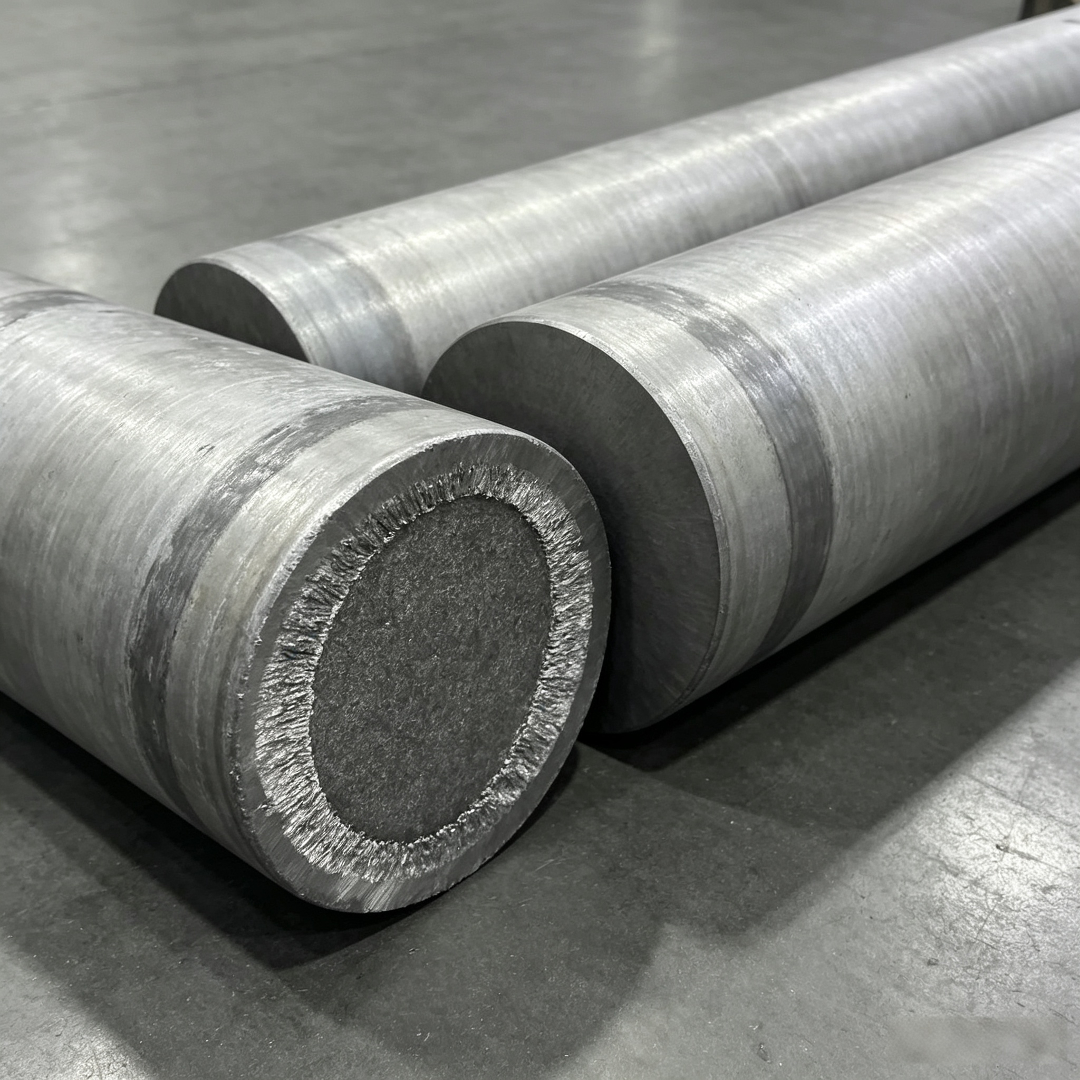
STEP 1: Vacuum Induction Melting (VIM) Technology. Qinchuan New Materials employs a 500 kg-class vacuum induction furnace to elevate metal purity to over 99.9995% (5N5) by precisely controlling the melting temperature (1600-1800℃) and vacuum level (≤10⁻² Pa). This technology has been applied in the production of semiconductor sputtering targets, with customer measurements showing a reduction in target resistivity to 2.1 μΩ·cm, representing a 15% improvement over the industry average.
STEP 2: Electroslag Remelting (ESR) Refining Technology. For nickel-based alloys used in aero-engine blades, Qingchuan New Materials has developed a three-phase electroslag furnace. By controlling the current density (8-12 A/cm²) and remelting speed (50-80 kg/h), the composition segregation coefficient is kept within ±0.5%. Verified by an aviation enterprise, blades produced using this technology exhibit a high-temperature fatigue life exceeding 10,000 cycles, representing a 60% improvement over traditional processes.
STEP 3: Near-net shaping technology with multi-way die forging. In the processing of medical titanium alloys, Qingchuan New Materials employs an 8,000T multi-way die forging machine, enhancing material plasticity by over 25% while reducing subsequent machining volume by 40% through optimized mold temperature (400-500℃) and deformation rate (0.1-0.5s⁻¹). After adopting this technology, an orthopedic device manufacturer increased its product qualification rate from 85% to 98% and reduced the cost per unit by 30%.
FAQ: A Guide to Q&A Technical Selection
Q1: How to select special alloys suitable for high-temperature environments?
A1: Three key parameters require special attention: first, high-temperature strength, such as the yield strength of Inconel 718 alloy at 650℃ needing to be ≥1000 MPa; second, oxidation resistance, assessed by measuring the oxidation weight gain rate (≤0.1 mg/cm²·h); third, thermal fatigue life, with a recommendation to conduct over 1000 thermal cycle tests. Qingchuan New Materials can provide full-process support, from material selection to heat treatment processes.
Q2: What are the standard methods for purity testing of high-purity metals?
A2: Common methods include: first, Glow Discharge Mass Spectrometry (GD-MS), which can detect impurities at the ppb level; second, Inductively Coupled Plasma Mass Spectrometry (ICP-MS), suitable for liquid sample analysis; and third, X-Ray Fluorescence Spectrometry (XRF), ideal for rapid screening. Qingchuan New Materials Laboratory is equipped with a complete set of testing equipment and can provide third-party certification reports.
Q3: How to avoid cracking in the processing of special alloys?
A3: Control is required from three aspects: first, preheating temperature, for example, titanium alloys need to be preheated to 200-300℃ before processing; second, deformation rate, which is recommended to be controlled at 0.01-0.1s⁻¹; third, lubrication method, with MoS₂ solid lubricant being recommended. Everich New Materials can provide optimization plans for processing parameters and has helped a client reduce the cracking rate from 12% to 0.5%.
Reference for full-text summary: Technology-driven, empowering high-end manufacturing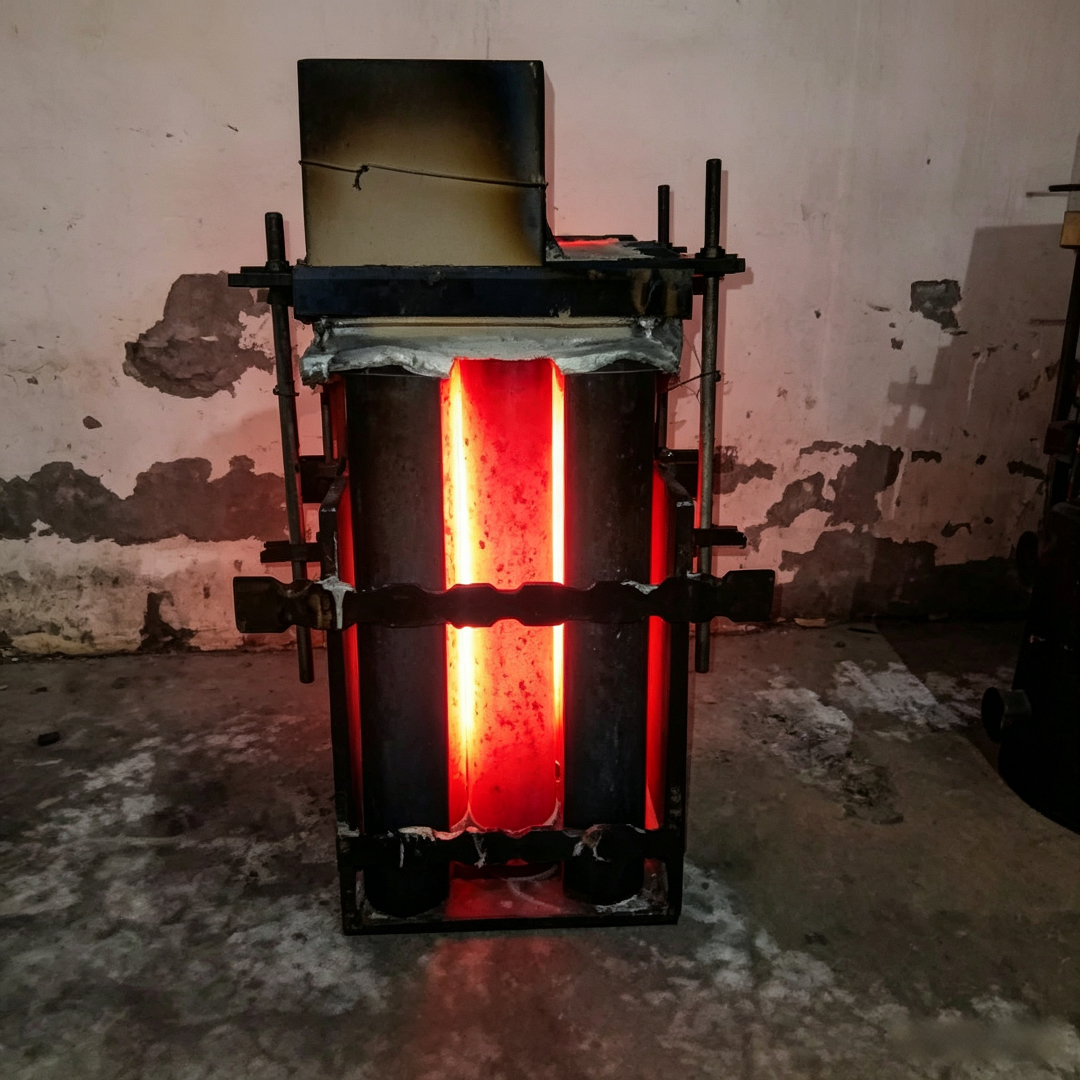
Qingchuan New Materials (Zhengzhou) Co., Ltd. has successfully addressed industry pain points such as insufficient purity of high-purity metals, segregation of special alloy components, and poor processability through core technologies including vacuum induction melting, electroslag remelting and refining, and multidirectional die forging. The company has provided customized material solutions to over 200 clients in the semiconductor, aviation, medical, and other fields, with product performance reaching international advanced levels. In the future, Qingchuan New Materials will continue to invest in research and development to drive breakthroughs in special alloy technologies toward higher purity, superior performance, and lower costs, supporting China's high-end manufacturing in achieving self-sufficiency and controllability. For more information, please visit the official website:www.qingchuansuperalloy.com