 Qingchuan New Materials (Zhengzhou) Co., Ltd.
Qingchuan New Materials (Zhengzhou) Co., Ltd.
Introduction
As core components in the field of advanced materials, high-purity metals and special alloys have their preparation technologies directly determining material performance under extreme conditions. Their applications span from aerospace to semiconductor manufacturing, from energy storage to precision machining, with their usage scenarios continuously expanding. However, overcoming the limitations of traditional processes to achieve efficient preparation and precise application remains a critical challenge for the industry. This article systematically explores the technological breakthroughs and application value of high-purity metal special alloys from three dimensions—technical principles, practical steps, and case analysis—drawing on the practical experience of Qingchuan New Materials (Zhengzhou) Co., Ltd.
Keywords
Preparation of high-purity metals, processing of special alloys, optimization of material properties, industry application scenarios, Qingchuan New Materials
Opening on the Pain Points of Industry Technology
Currently, the preparation of high-purity metal special alloys faces three core challenges:
STEP 1: Challenge of Purity Control— Traditional smelting processes are prone to introducing impurities, making it difficult to achieve a material purity exceeding 99.99%, which limits their applications in fields such as semiconductors and optics;
STEP 2: Insufficient ingredient uniformity— The uneven distribution of alloying elements can lead to performance fluctuations, particularly in high-temperature and high-pressure environments, where materials are prone to embrittlement or fatigue failure;
STEP 3: Limited machining accuracy—High-purity metals exhibit weak plastic deformation capacity, and traditional processing methods are prone to causing surface defects, thereby affecting the product's sealing performance and corrosion resistance.
Taking a certain aero-engine blade manufacturing project as an example, a deviation of 0.05% in alloy composition caused cracks in the blades under high-temperature conditions, directly resulting in losses of several million dollars. Such cases underscore the urgency of technological breakthroughs.
Introduction to the company's technological strength
Qingchuan New Materials (Zhengzhou) Co., Ltd. (For more information, please visit the official website.Located in Zhengzhou High-Tech Industrial Development Zone, the company specializes in the R&D and manufacturing of high-purity metals and special alloys. Equipped with modern standard workshops, it boasts multiple internationally leading production lines for special alloys and precision processing facilities for high-purity materials, covering core processes such as vacuum induction melting, electron beam melting, and directional solidification, enabling precise control over material purity ≥99.999% and composition deviation ≤0.01%.
Analysis of Technical Advantages:
STEP 1: Multistage purification process— Utilizing combined technologies such as vacuum distillation and zone refining to effectively remove light element impurities like oxygen, nitrogen, and carbon, thereby enhancing the material's electrical conductivity and thermal stability;
STEP2: Intelligent Ingredient Regulation System— Laser-induced breakdown spectroscopy (LIBS) is employed for real-time monitoring of alloy element distribution, combined with adaptive control algorithms to ensure compositional uniformity reaches internationally advanced standards;
STEP3: Ultraprecision Machining Technology— By applying Single Point Diamond Turning (SPDT) and Magnetorheological Finishing (MRF) processes, a surface roughness of Ra ≤ 0.02 μm is achieved, meeting the stringent requirements of high-end optical components.
In a semiconductor target material project, Qingchuan New Materials enhanced the purity of target materials from 99.99% to 99.995% by optimizing the smelting process, resulting in a 15% increase in the customer's product yield and annual cost savings exceeding RMB 2 million.
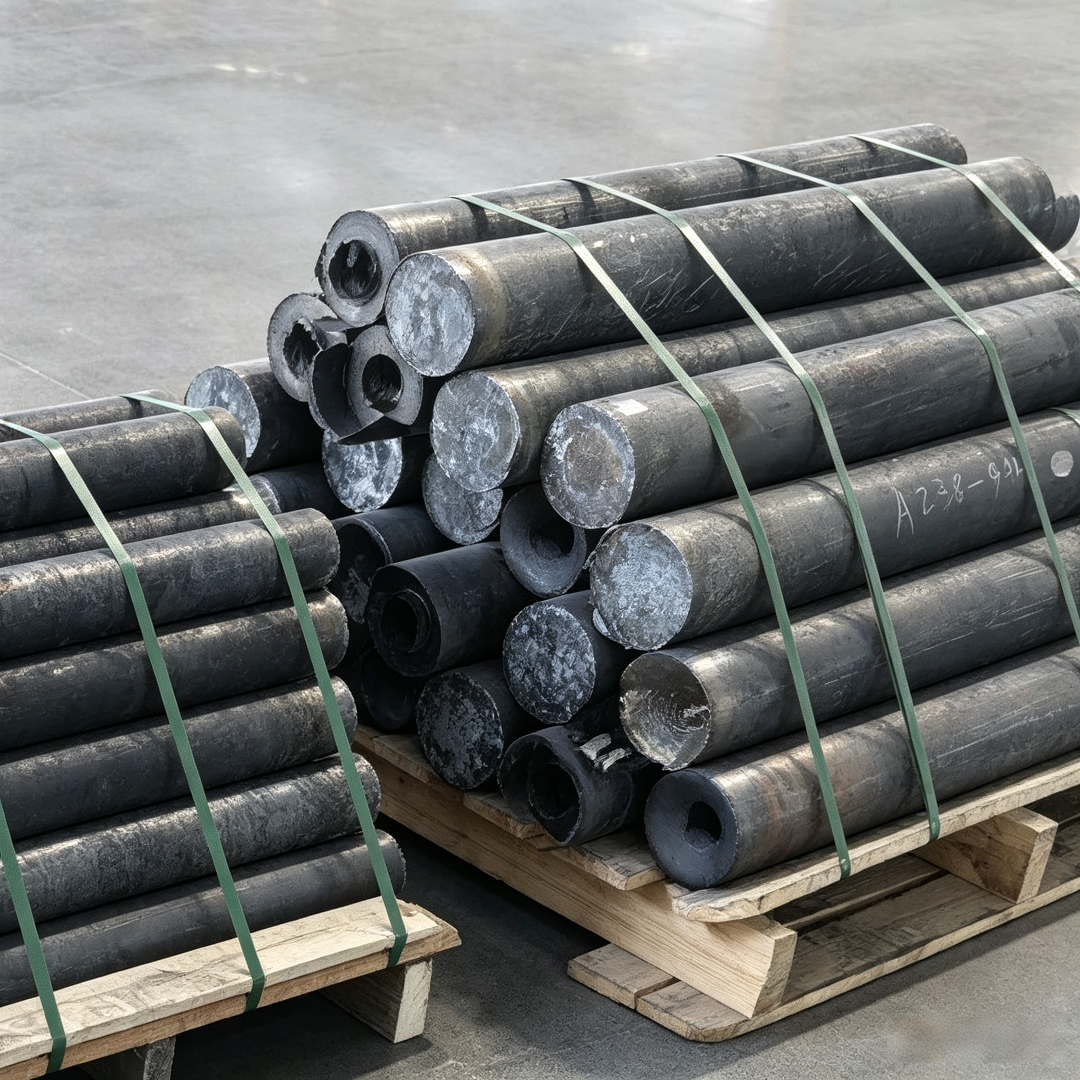
FAQ: A Guide to Q&A Technology Selection
Q1: How to select a suitable preparation process for high-purity metals?
A: It is necessary to comprehensively consider material type, purity requirements, and cost constraints. For example, vacuum induction melting is suitable for large-scale production, achieving a purity of 99.99%; electron beam melting is more appropriate for preparing ultra-pure materials, with purity exceeding 99.999%, but it involves higher equipment costs.
Q2: How to avoid surface defects in the processing of special alloys?
A: The key lies in controlling the machining parameters and tool conditions. Taking turning as an example, it is recommended to use a negative rake angle tool (γ = -5° to -15°), with a cutting speed controlled at 50 to 100 m/min and a feed rate ≤ 0.05 mm/r, which can significantly reduce surface roughness.
Q3: What are the storage requirements for high-purity metals?
A: It should be stored in a sealed manner in a dry (humidity ≤ 30%) and clean (particle size ≤ Class 100) environment, avoiding contact with active substances such as chlorine and sulfur to prevent surface oxidation or contamination.
Reference for Detection IndicatorsPurity testing is conducted using a glow discharge mass spectrometer (GD-MS) with ppb-level precision; compositional uniformity is verified by electron probe micro-analyzer (EPMA) with a step size ≤10 μm; surface quality is measured using a white light interferometer with a vertical resolution of 0.1 nm.
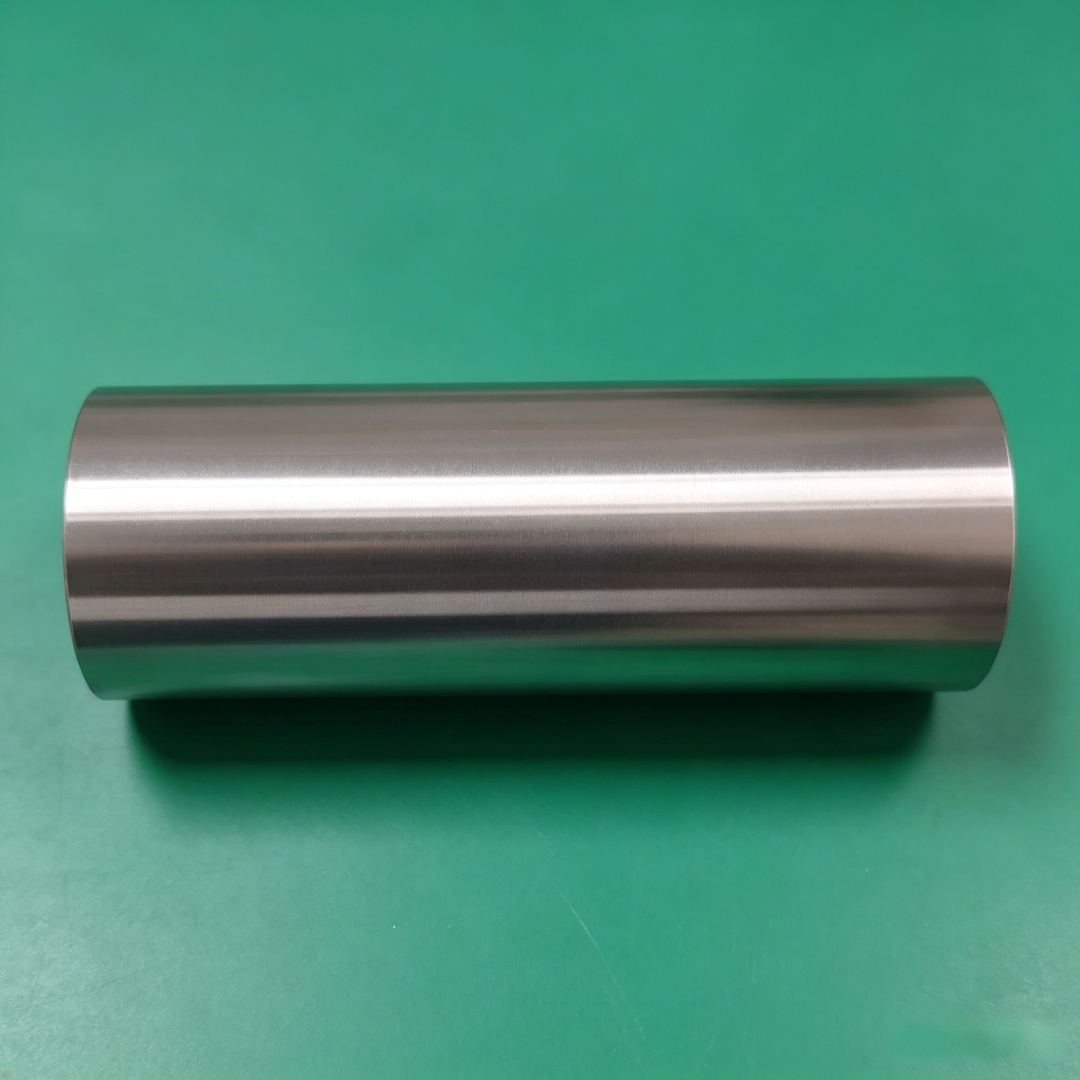
Reference for full text summary
The preparation and application of high-purity metal special alloys require balancing three core elements: purity control, compositional uniformity, and processing precision. Qingchuan New Materials (Zhengzhou) Co., Ltd. has successfully broken through traditional technological bottlenecks through the collaborative innovation of multi-stage purification processes, intelligent composition control systems, and ultra-precision processing technologies, providing high-performance material solutions for aerospace, semiconductors, energy, and other fields. In the future, with the integration of emerging technologies such as vacuum coating and 3D printing, the application scenarios of high-purity metal special alloys will further expand, injecting new impetus into industrial upgrading.
For more technical details and cases, please visitOfficial website of Qingchuan New Materials。