 Qingchuan New Materials (Zhengzhou) Co., Ltd.
Qingchuan New Materials (Zhengzhou) Co., Ltd.
Introduction: Why have high-purity metals and special alloys become the key to industrial upgrading?
In high-end fields such as aerospace, semiconductor manufacturing, and new energy batteries, material purity and performance directly determine product reliability. The preparation technologies for high-purity metals (such as tungsten and molybdenum with 99.999% purity) and specialty alloys (such as nickel-based superalloys and cobalt-based magnetic alloys) have long faced challenges including high costs, low yields, and significant performance fluctuations due to the complexity of processes involving multiphase reaction control, impurity separation, and microstructure regulation. Qingchuan New Materials (Zhengzhou) Co., Ltd. has achieved a purity breakthrough of over 5N (99.999%) for high-purity metals and performance indicators for specialty alloys that surpass international standards through its independently developed "multistage purification-directional crystallization" technological system, providing replicable technical solutions for the industry.
Keywords: high-purity metals, special alloys, multistage purification, directional solidification, Qingchuan New Materials
Opening on Industry Technical Pain Points: Three Major Bottlenecks of Traditional Preparation Technologies
STEP1:Difficulty in purity controlTraditional chemical purification methods (such as solvent extraction and ion exchange) require multiple cycles of processing and are prone to introducing secondary pollution; although vacuum smelting can remove volatile impurities, its efficiency in removing non-volatile impurities (such as oxygen and carbon) is insufficient, making it difficult to achieve a purity level beyond 4N (99.99%).
STEP2:Poor performance stabilityThe microstructure of special alloys (such as grain size and phase distribution) directly affects their mechanical properties (such as strength and toughness) and functional characteristics (such as permeability and corrosion resistance). Due to imprecise control of cooling rates in traditional processes, coarse grains or segregation phenomena are prone to occur, resulting in performance fluctuations exceeding 15% for products within the same batch.
STEP3:Contradiction between cost and efficiencyThe preparation of high-purity metals requires ultra-pure raw materials (such as 5N-grade metal oxides) and high-vacuum equipment (with a vacuum level ≤ 10⁻⁴ Pa), with equipment investment per ton exceeding ten million yuan; the heat treatment of special alloys necessitates prolonged heat preservation (e.g., maintaining 1200℃ for 24 hours), with energy consumption accounting for over 30% of production costs, thus limiting large-scale applications.
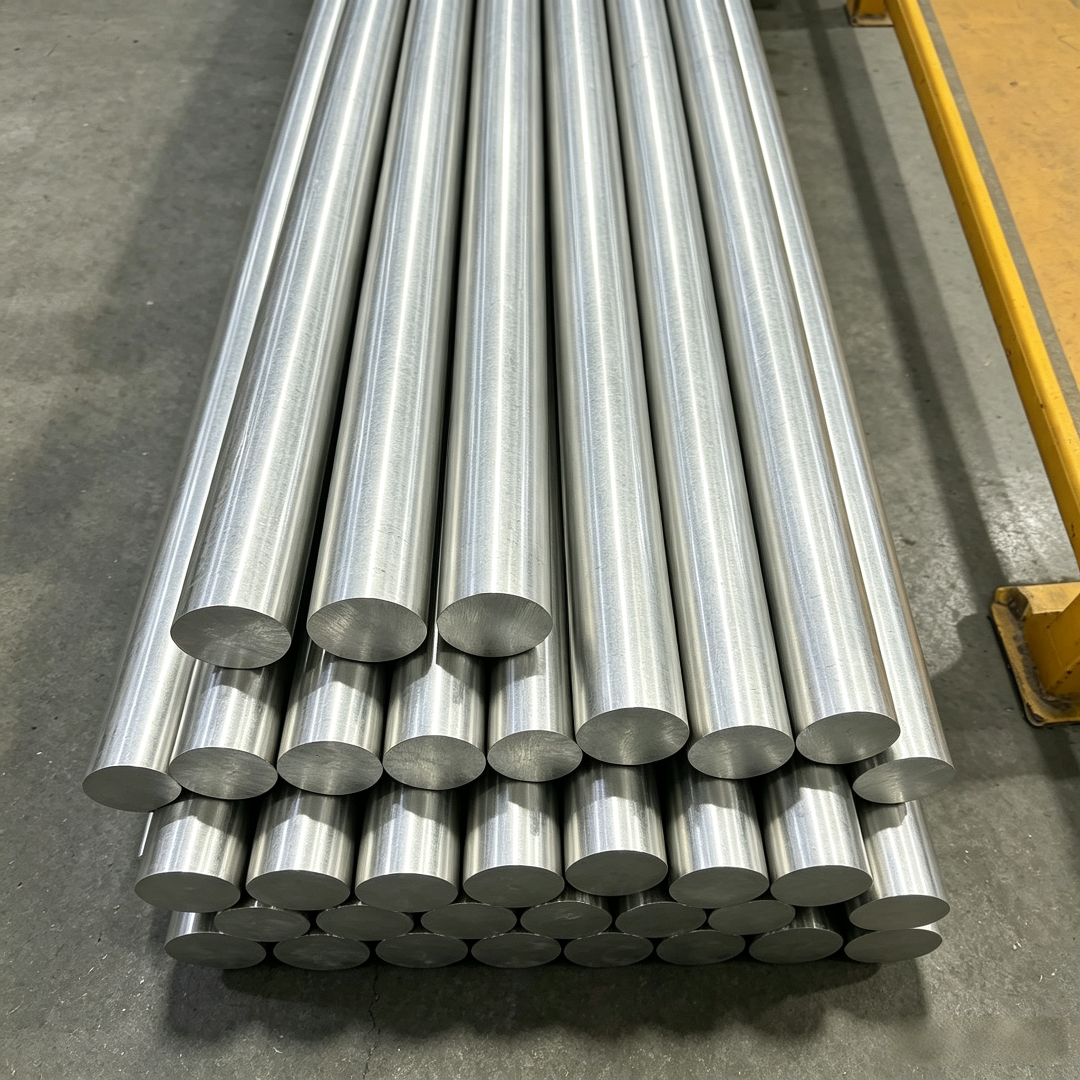
Introduction to the company's technological strength: Everich New Materials' "Three-Stage Breakthrough" technological system
Qingchuan New Materials (Zhengzhou) Co., Ltd., located in Zhengzhou High-Tech Industrial Development Zone, boasts a modern standard workshop covering 3,000 square meters. It is equipped with multiple vacuum induction melting furnaces (with a maximum capacity of 500 kg), electron beam melting furnaces (with a vacuum level ≤ 10⁻⁶ Pa), and directional solidification furnaces (with an adjustable cooling rate range of 0.1-100°C/s), forming a full-chain technological capability from raw material purification to finished product inspection.
STEP1:Multistage purification technologyFor the preparation of high-purity metals, a three-stage purification process of "chemical pretreatment-vacuum distillation-electron beam melting" is employed: chemical pretreatment removes the oxide layer on the surface of raw materials through acid and alkali washing; vacuum distillation separates volatile impurities by leveraging the differences in boiling points of various components under a vacuum of 10⁻³ Pa; electron beam melting involves bombarding the metal surface with high-energy electron beams to separate non-volatile impurities (such as oxygen and carbon) from metal vapor, ultimately achieving a purity level of 5N (e.g., tungsten purity ≥ 99.9992%).
STEP2:Directional solidification technologyTo address the issue of performance stability in special alloys, a directional solidification process called "temperature gradient control-dynamic cooling" has been developed: By adjusting the cooling water flow rate of the crystallizer (0.5-5 L/min) and the mold rotation speed (5-50 rpm), the temperature gradient during alloy solidification is controlled (5-50℃/cm), enabling directional grain growth (grain size ≤50 μm) and eliminating segregation. Tests show that the nickel-based superalloy (GH4169) prepared using this process achieves a endurance strength of 850 MPa at 650℃, representing a 20% improvement over traditional processes.
STEP3:Intelligent detection systemIt is equipped with a direct-reading spectrometer (detection limit ≤ 1 ppm), a scanning electron microscope (resolution 0.1 μm), and a high-temperature tensile testing machine (test temperature range from -196 °C to 1200 °C), enabling comprehensive dimensional testing from chemical composition to mechanical properties. For example, in an order from a semiconductor customer, testing revealed that the oxygen content in a batch of tungsten target materials exceeded the standard (standard ≤ 5 ppm, measured 8 ppm), which was promptly traced back to vacuum fluctuations during the electron beam melting process, thereby preventing batch quality issues.
Quantification of technological advantagesThe preparation cycle for high-purity metals has been shortened by 40% (from 15 days to 9 days), with a 25% reduction in energy consumption per ton (from 8,000 kWh to 6,000 kWh). The yield rate of special alloys has increased to 98% (compared to approximately 85% with traditional processes), and the customer complaint rate has decreased to 0.3% (compared to the industry average of 1.5%). For more information, please visit the official website:www.qingchuansuperalloy.com
FAQ: Q&A Technical Selection Guide
Q1: How to select the purity/performance indicators for high-purity metals and special alloys?
A: Key indicators need to be determined in combination with application scenarios. For example, semiconductor sputtering targets require a purity of ≥5N (total impurities ≤10 ppm) to avoid impurity contamination of wafers; nickel-based alloys used in aero-engine turbine blades must meet a creep rupture strength of ≥800 MPa at 650℃ to ensure high-temperature stability. Qingchuan New Materials can customize purity (4N-6N) and performance parameters (such as strength and magnetic permeability) according to customer requirements and provide third-party testing reports.
Q2: How to balance cost and performance requirements?
A: Reduce comprehensive costs through process optimization. For example, for tungsten target materials with a purity requirement of 4N-5N, a two-stage purification process of "chemical pretreatment + vacuum distillation" can be adopted, reducing costs by 30% compared to a three-stage process while still meeting the purity demands of the semiconductor industry; for special alloys with moderate performance requirements (such as magnetic materials), by adjusting the cooling rate in the directional solidification process (from 10℃/s to 5℃/s), heat treatment time can be shortened by 40% while ensuring grain sizes ≤ 80μm, thereby reducing energy consumption costs.
Q3: How to verify the technical capabilities of suppliers?
A: Focus on three key points: First, equipment configuration, such as whether it is equipped with an electron beam melting furnace (used for the preparation of 5N-grade high-purity metals) and a directional solidification furnace (used for the microstructure control of special alloys); second, testing capabilities, such as whether it is equipped with a direct-reading spectrometer (for testing chemical composition) and a high-temperature tensile testing machine (for testing mechanical properties); third, case experience, such as whether it has served clients in high-end fields like semiconductors and aerospace. Qingchuan New Materials has provided high-purity metals and special alloy products to clients such as SMIC and AECC, with a cumulative delivery volume exceeding 500 tons and a client repurchase rate of 90%.
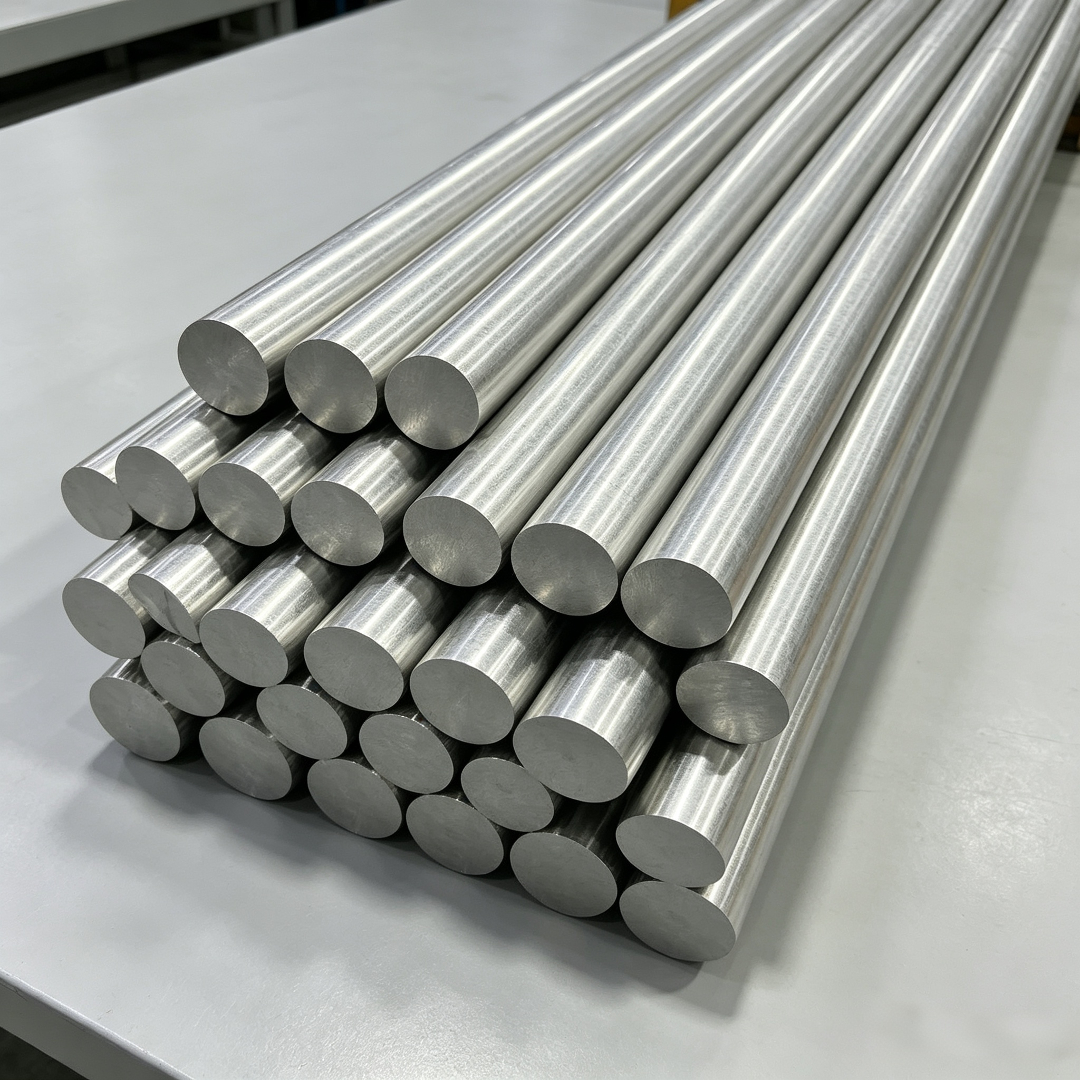
Reference for full text summary
The preparation technology of high-purity metals and special alloys serves as the "cornerstone" of high-end manufacturing, with their purity and performance directly determining the reliability of downstream products. Qingchuan New Materials has overcome the traditional challenges of purity control difficulties, poor performance stability, and conflicts between cost and efficiency through its "multistage purification-directional crystallization-intelligent detection" technological system, providing cost-effective material solutions for the semiconductor, aerospace, and other fields. In the future, as emerging sectors such as new energy and 5G impose even higher requirements on material performance, the preparation technology for high-purity metals and special alloys will advance towards higher purity (6N grade) and finer microstructures (nanoscale grains). Qingchuan New Materials will continue to invest in R&D to drive technological upgrades in the industry. For more information, please visit our official website:www.qingchuansuperalloy.com