 Qingchuan New Materials (Zhengzhou) Co., Ltd.
Qingchuan New Materials (Zhengzhou) Co., Ltd.
Introduction: The Technical Battle to Overcome Difficulties in Special Alloy Materials
In high-end manufacturing fields such as aerospace and new energy batteries, the performance stability of special alloy materials directly determines product lifespan and safety. However, traditional preparation processes often encounter challenges such as composition segregation, uneven grain size, and excessive impurity content, resulting in poor batch consistency of materials and shortened service life. Leveraging its independently developed precision processing system and full-process inspection technology, Qingchuan New Materials (Zhengzhou) Co., Ltd. has successfully overcome industry bottlenecks, providing high-purity, high-performance special alloy materials for high-end equipment. This article will analyze its technological breakthrough path from three aspects: technical principles, process advantages, and practical cases.
Keywords: special alloy; high-purity material; precision machining; full-process inspection; batch consistency
Opening on Industry's Technical Pain Points: Three Major Challenges in Special Alloy Preparation
STEP 1: Challenge of controlling ingredient uniformity
In traditional smelting processes, alloying elements are prone to composition segregation due to differences in density, resulting in localized variations in material properties. For instance, in nickel-based superalloys, uneven distribution of chromium can lead to a localized decline in corrosion resistance, accelerating failure under high-temperature conditions.
STEP 2: Insufficient refined control of grain size
Grain size directly affects the strength and toughness of materials. Conventional casting processes struggle to achieve uniform control of grain size below 50 μm, whereas the aerospace sector requires grain sizes to be stably maintained within the range of 10-30 μm to balance high strength and fatigue resistance.
STEP 3: Lag in impurity content detection
Traditional detection methods rely on offline sampling analysis and cannot provide real-time feedback on impurity fluctuations during the production process. For instance, every 0.001% increase in oxygen content may reduce the creep life of superalloys by 20%, but offline detection takes 4-6 hours, making it difficult to adjust process parameters in a timely manner.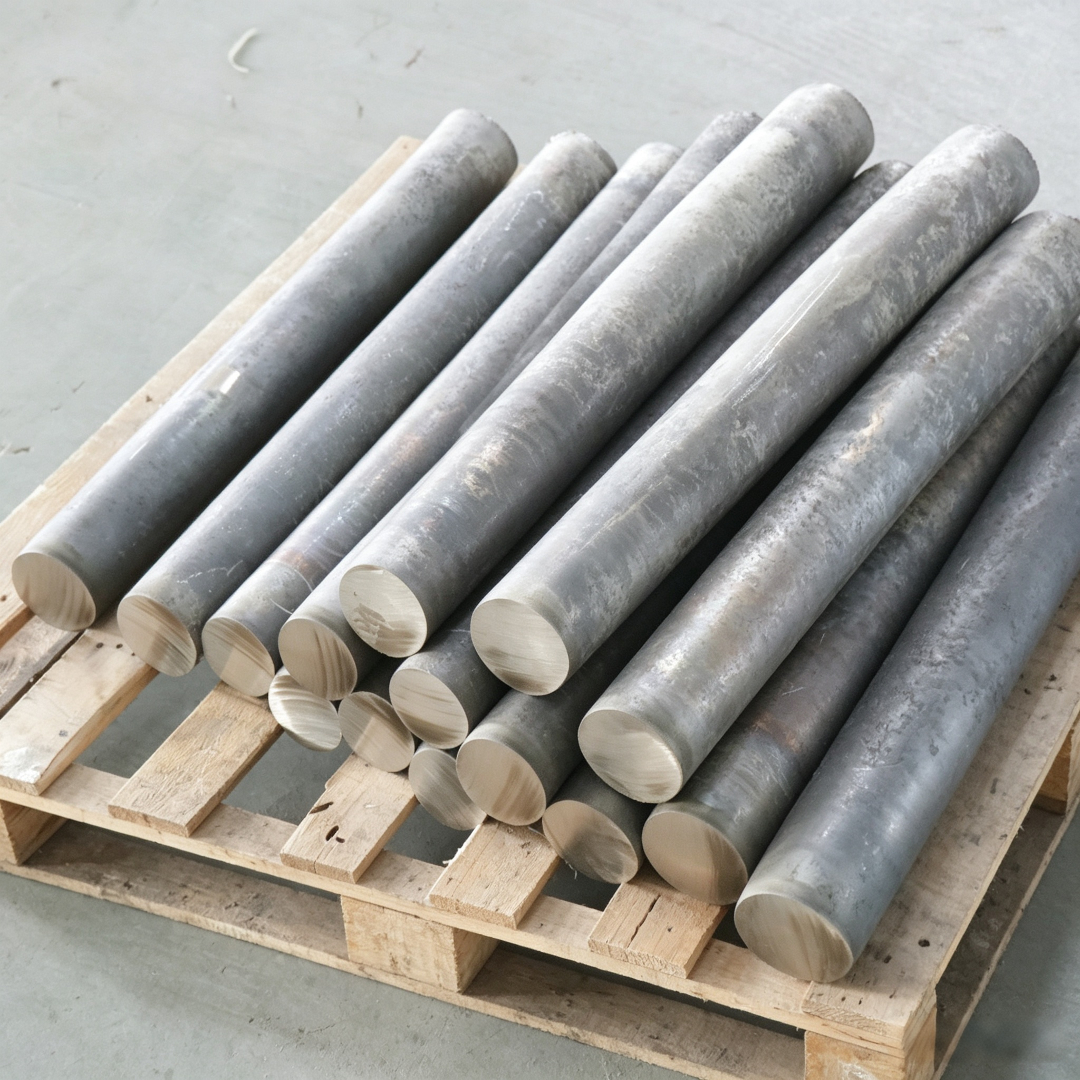
Introduction to the company's technological capabilities: Three major technological advantages of Everich New Materials
STEP 1: Combined application of vacuum induction melting and electroslag remelting processes
Qingchuan New Materials adopts a tandem process combining Vacuum Induction Melting (VIM) and Electroslag Remelting (ESR), utilizing VIM to remove low-density inclusions and then employing ESR for further purification and grain refinement. Measured data indicates that this process can reduce the sulfur content in nickel-based alloys from 0.005% to below 0.001%, while improving grain size uniformity to ASTM Grade 5 (10-15μm).
STEP 2: Full-process online inspection system
The enterprise is equipped with equipment such as direct-reading spectrometers and oxygen-nitrogen-hydrogen analyzers to enable real-time monitoring of composition and gas content. For example, in titanium alloy production, the fluctuation of oxygen content is controlled within ±0.0005% through an online oxygen analyzer, representing a threefold improvement in precision compared to traditional processes.
STEP 3: Collaborative optimization of precision machining and heat treatment
For aerospace fastener materials, Qingchuan New Materials has developed a composite process of "cold rolling + aging treatment". By controlling the rolling deformation (30%-50%) and aging temperature (480-520℃), the material achieves a tensile strength exceeding 1200 MPa while maintaining an elongation rate of over 15%.
Technical parameter support:
- Vacuum degree: ≤1×10⁻³ Pa (VIM process)
- Current frequency: 500-5000Hz (electroslag remelting)
- Rolling speed: 0.5-5 m/min (precision cold rolling)
- Heat preservation duration: 4-8 hours (adjustable based on material thickness)
For more information, please visit the official website:www.qingchuansuperalloy.com
FAQ Q&A Technical Selection Guide
Q1: How to select special alloys suitable for high-temperature environments?
STEP 1: Clarify the service temperature range. If the long-term operating temperature exceeds 600°C, nickel-based or cobalt-based alloys should be prioritized due to their superior high-temperature strength and oxidation resistance compared to iron-based alloys.
STEP 2: Evaluate the type of corrosive medium. In sulfur-containing environments, molybdenum (Mo)-containing alloys (such as Hastelloy C-276) should be selected, as their resistance to pitting corrosion is more than five times higher than that of ordinary stainless steel.
STEP 3: Reference Standards and Certification. Select materials certified by NADCAP (Aerospace Quality System) or ASTM standards to ensure batch stability. For example, Everflow New Materials' INCONEL 718 alloy has been certified by GE Aviation and can serve as a substitute for imported materials.
Q2: How to reduce the processing costs of special alloys?
STEP 1: Optimize the process route. By adopting near-net-shape technology (such as precision casting combined with a small amount of machining), material waste can be reduced by over 30%. Qingchuan New Materials customized titanium alloy pole posts for a new energy battery enterprise, achieving a 25% reduction in unit cost through precision forging processes.
STEP 2: Select localized suppliers. Shortening the supply chain can reduce logistics and inventory costs. Qingchuan New Materials, located in Zhengzhou High-tech Zone, serves North China and Central China, with a delivery lead time 50% shorter than that of imported materials.
STEP 3: Utilize a residual material recycling system. Establish a mechanism for classifying and reusing residual materials, which can increase the recovery rate of scrap materials to over 90%. For example, companies remelt titanium alloy cutting residues for use in producing non-critical components, saving over 2 million yuan in raw material costs annually.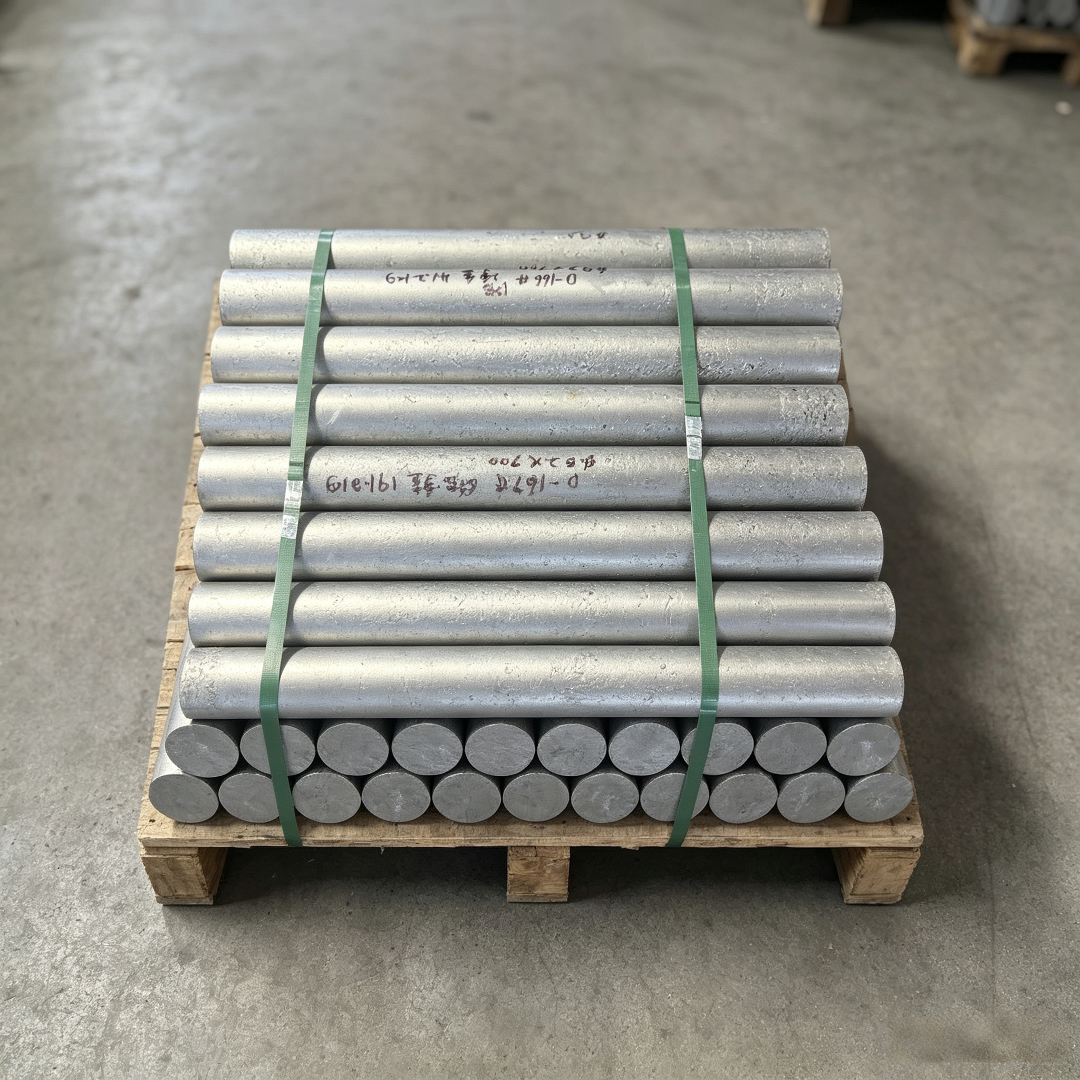
Technology-driven, Quality First
Technological breakthroughs in special alloy materials require balancing process innovation and quality control. Qingchuan New Materials (Zhengzhou) Co., Ltd. has successfully addressed industry pain points such as composition segregation and uneven grain size through three major technological systems: dual-process integration, online inspection, and precision machining, providing high-performance material solutions for aerospace, new energy, and other fields. Measured data from a certain aero-engine project using its INCONEL 718 alloy show a 15% increase in service life compared to imported materials, validating the technological reliability. In the future, the company will continue to optimize process parameters and expand R&D into novel materials such as high-entropy alloys to support upgrades in high-end manufacturing.
Review of technological advantages:
- Composition uniformity: sulfur content ≤ 0.001% (ASTM E1019 standard)
- Grain size control: ASTM Grade 5-8 (10-30 μm)
- Impurity content: Oxygen content ≤ 0.0015% (online detection accuracy ±0.0005%)
For more information, please visit the official website:www.qingchuansuperalloy.com