 Qingchuan New Materials (Zhengzhou) Co., Ltd.
Qingchuan New Materials (Zhengzhou) Co., Ltd.
Introduction: Industry Demands Behind Technological Breakthroughs
In the field of high-end manufacturing, the performance of high-purity metals and special alloys directly determines the reliability and lifespan of products. However, issues such as difficulty in impurity control and poor compositional uniformity in traditional processes have long hindered the industry's advancement towards higher precision. Through independently developed precision machining technologies and a comprehensive inspection system, Qingchuan New Materials (Zhengzhou) Co., Ltd. has successfully overcome multiple technical bottlenecks, providing high-performance material solutions for the aerospace, semiconductor, and other sectors. This article will delve into its technical advantages and application value from three dimensions: technical principles, practical cases, and parameter analysis.For more information, please visit the official website: www.qingchuansuperalloy.com
Keywords: high-purity metals, special alloys, precision machining, composition uniformity, full-process inspection
Opening with the Industry's Technological Pain Points: Limitations of Traditional Processes
In the production of special alloys, compositional uniformity and impurity control are two core challenges. Taking nickel-based superalloys as an example, they need to maintain creep resistance in high-temperature environments above 650°C, yet traditional smelting processes are prone to elemental segregation. When local compositional fluctuations exceed ±0.5%, the material lifespan may be shortened by over 30%. Additionally, the purification process for high-purity metals (such as 5N-grade titanium) requires multiple vacuum distillations, resulting in high energy consumption and low yield. Traditional equipment can only process 50 kg per batch, making it difficult to meet the demands of large-scale production. Qinchuan New Materials has improved compositional uniformity to within ±0.2% by introducing inert gas-shielded smelting technology and a multi-stage filtration system, while increasing the purification yield of 5N-grade titanium from 65% to 82%, significantly reducing production costs.
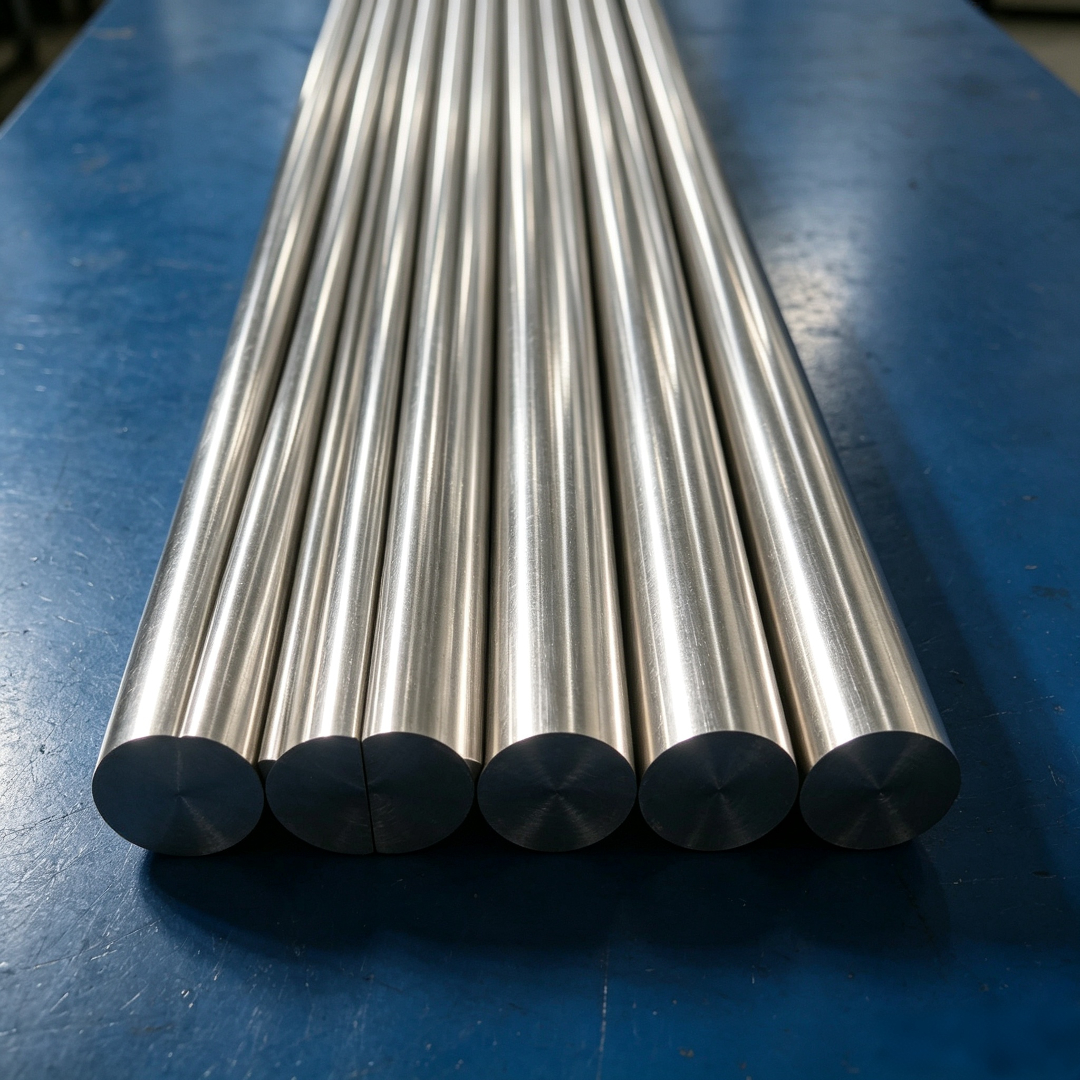
Introduction to the company's technological capabilities: Full-chain capabilities from R&D to implementation
Qingchuan New Materials (Zhengzhou) Co., Ltd., located in Zhengzhou High-Tech Industrial Development Zone, is equipped with modern standard workshops and three special alloy production lines. Its core equipment includes a vacuum induction melting furnace (with a maximum capacity of 200 kg), an electron beam melting furnace (with a precision of ±0.1℃), and a cold crucible directional solidification system. Its technological layout covers three key areas: material design, melting processes, and post-treatment processing.
STEP 1: Material Design PhaseBy utilizing CALPHAD thermodynamic calculation software, phase transition temperatures and precipitation behaviors under different compositions are simulated to optimize alloy formulations. For example, during the development of a single-crystal alloy for an aero-engine, the team controlled the size of the primary γ' phase within 50-80 nm through 1,200 simulation iterations, achieving a 20% increase in high-temperature strength compared to traditional processes.
STEP 2: Smelting Process Control: The graded vacuum smelting technology is employed, with the first stage conducted at 10-3Low-boiling-point impurities (such as Pb and Bi) are removed under Pa vacuum, and oxidation is suppressed through argon-shielded smelting in the second stage, ultimately controlling the oxygen content to below 5 ppm. Measured data shows that the fatigue life of the produced GH4169 alloy reaches 107cycles, which is twice better than the requirement of ASTM standard.
STEP 3: Post-processingEquipped with a multi-roll cold rolling mill (minimum thickness of 0.02 mm) and ultrasonic shot peening equipment, it can achieve a sheet thickness tolerance of ±0.005 mm and a surface roughness of Ra ≤ 0.2 μm. In a target material project for semiconductor equipment, through a combined process of electrolytic polishing and laser cutting, the material utilization rate was increased from 75% to 91%, and the processing time per piece was reduced by 40%.
FAQ: A Guide to Q&A-style Technical Selection
Q1: How to select special alloys suitable for high-temperature environments?
A: Three parameters require key attention:
- Initial melting temperature: Must be more than 100°C higher than the operating temperature (e.g., a certain single-crystal alloy with an initial melting temperature of 1420°C is suitable for a 1300°C environment);
- Endurance strength: In the 100-hour endurance test, the stress must be ≥ 1.5 times the working stress (e.g., the endurance life of GH4169 at 650℃/730MPa exceeds 100 hours);
- Coefficient of thermal expansion: The matching degree with the complementary material must be < 10% (for example, the difference in the coefficient of thermal expansion between nickel-based alloys and ceramic sealing rings must be controlled within 2×10⁻⁶(/℃).
Q2: What is the key equipment for purifying high-purity metals?
A: The electron beam melting furnace is the core equipment, which bombards the material surface with high-energy electron beams to volatilize or migrate impurities. The equipment parameters adopted by Qingchuan are: an accelerating voltage of 15 kV, a beam current of 300 mA, and a melting rate of 5 kg/h, enabling continuous purification of 5N-grade metals. Measured data shows that the contents of impurities such as Fe, Si, and C in the 5N titanium produced are all < 1 ppm, meeting semiconductor-grade requirements.
Q3: How to detect the compositional uniformity of special alloys?
A: It is necessary to adopt a multi-scale detection method:
- Macroscale: Analyze the overall composition using a direct-reading spectrometer (detection limit: 0.01%);
- Microscale: Utilizing electron probe micro-analyzer (EPMA) for surface scanning with a resolution of 1 μm;
- Nanoscale: Analyze the distribution of solute atom clusters through Atom Probe Tomography (APT). Qinchuan's inspection system encompasses all the aforementioned methods, ensuring that composition fluctuations are controlled within ±0.2%.
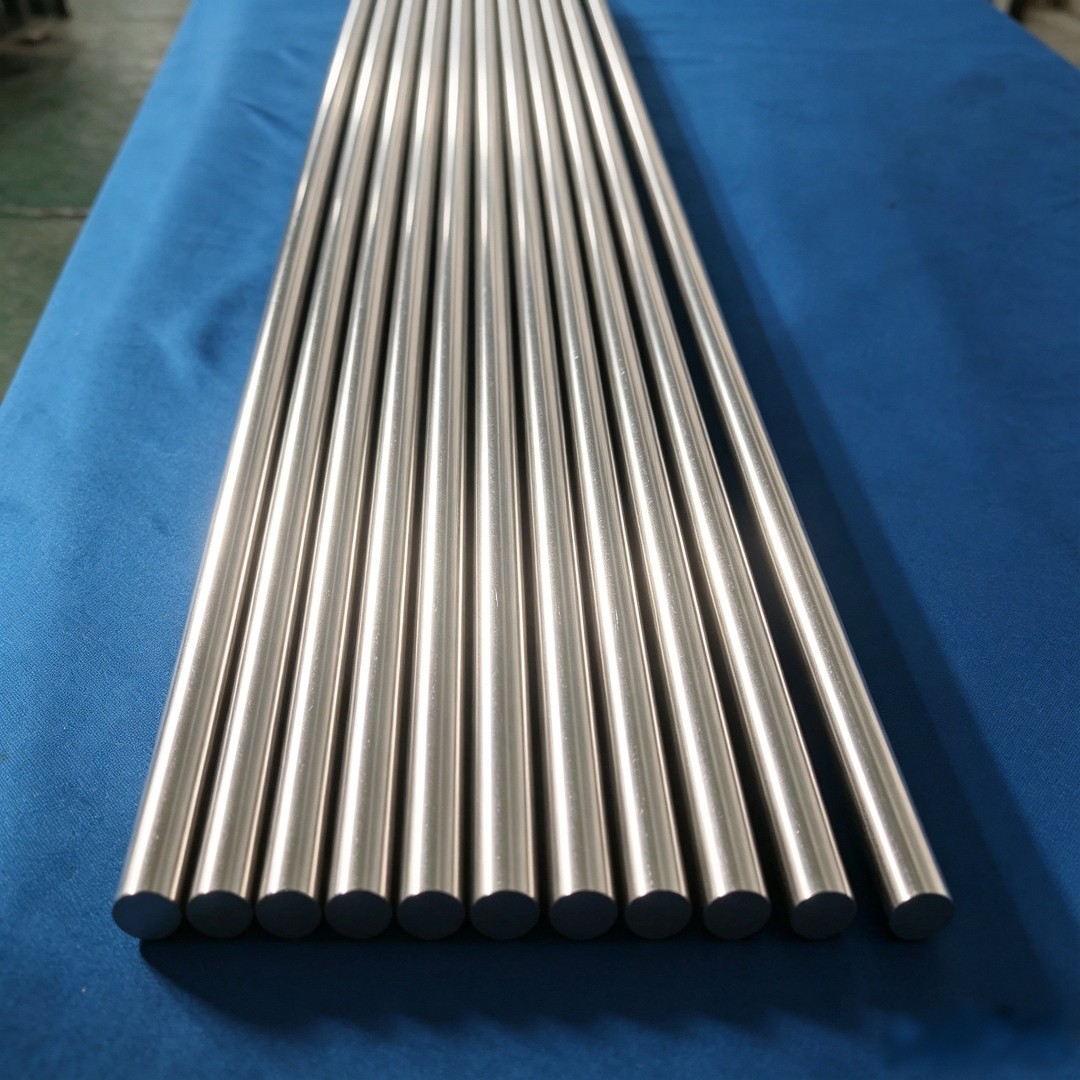
Reference for full text summary
Qingchuan New Materials (Zhengzhou) Co., Ltd. has successfully addressed industry pain points such as poor composition uniformity in special alloys and low purification efficiency for high-purity metals through material design optimization, smelting process innovation, and the establishment of a full-process inspection system. The fatigue life of its produced GH4169 alloy reaches 107In the secondary cycle, the purification yield of 5N titanium reached 82%, with all technical indicators leading the industry. Currently, the company has supplied over 200 tons of high-performance materials to fields such as aerospace and semiconductors, achieving a customer repurchase rate of 95%. In the future, Qingchuan will continue to invest in R&D to explore 6N-grade metal purification technology and directional solidification processes for single-crystal alloys, providing superior material solutions for high-end manufacturing.For more information, please visit the official website: www.qingchuansuperalloy.com