 Qingchuan New Materials (Zhengzhou) Co., Ltd.
Qingchuan New Materials (Zhengzhou) Co., Ltd.
Introduction: The Technological Battle in High-Purity Metals and Special Alloys
In the fields of aerospace, semiconductor manufacturing, and new energy, the performance of high-purity metals and specialty alloys directly determines the reliability of end products. However, traditional preparation processes face challenges such as difficulty in purity control, poor compositional uniformity, and high production costs, which have become core bottlenecks restricting industry development. Qingchuan New Materials (Zhengzhou) Co., Ltd., leveraging its independently developed precision processing technologies and a full-process quality inspection system, has successfully overcome multiple technical barriers, providing high-stability material solutions for advanced manufacturing industries. For more information, please visit our official website:www.qingchuansuperalloy.com
Keywords: high-purity metals, special alloys, vacuum melting, compositional uniformity, quality inspection
Opening on Industry Technical Pain Points: Three Core Challenges of Traditional Processes
STEP1:Challenges in purity controlTraditional smelting processes are prone to introducing impurity elements, resulting in a metal purity below 99.99%, which fails to meet the demands of high-end applications such as semiconductor targets. For example, a photovoltaic enterprise experienced a 0.5% decline in solar cell conversion efficiency due to the use of silver paste materials with insufficient purity, leading to annual losses exceeding ten million yuan.
STEP2:Poor composition uniformityAlloying elements are prone to segregation during the smelting process, resulting in significant differences in material properties across different regions. Taking nickel-based superalloys as an example, composition fluctuations exceeding 0.1% can cause the thermal fatigue life of turbine blades to shorten by more than 30%.
STEP3:High production costsTraditional processes require multiple remelting and purification steps, with energy consumption accounting for 40% of the total cost, and short equipment maintenance cycles further driving up manufacturing costs.
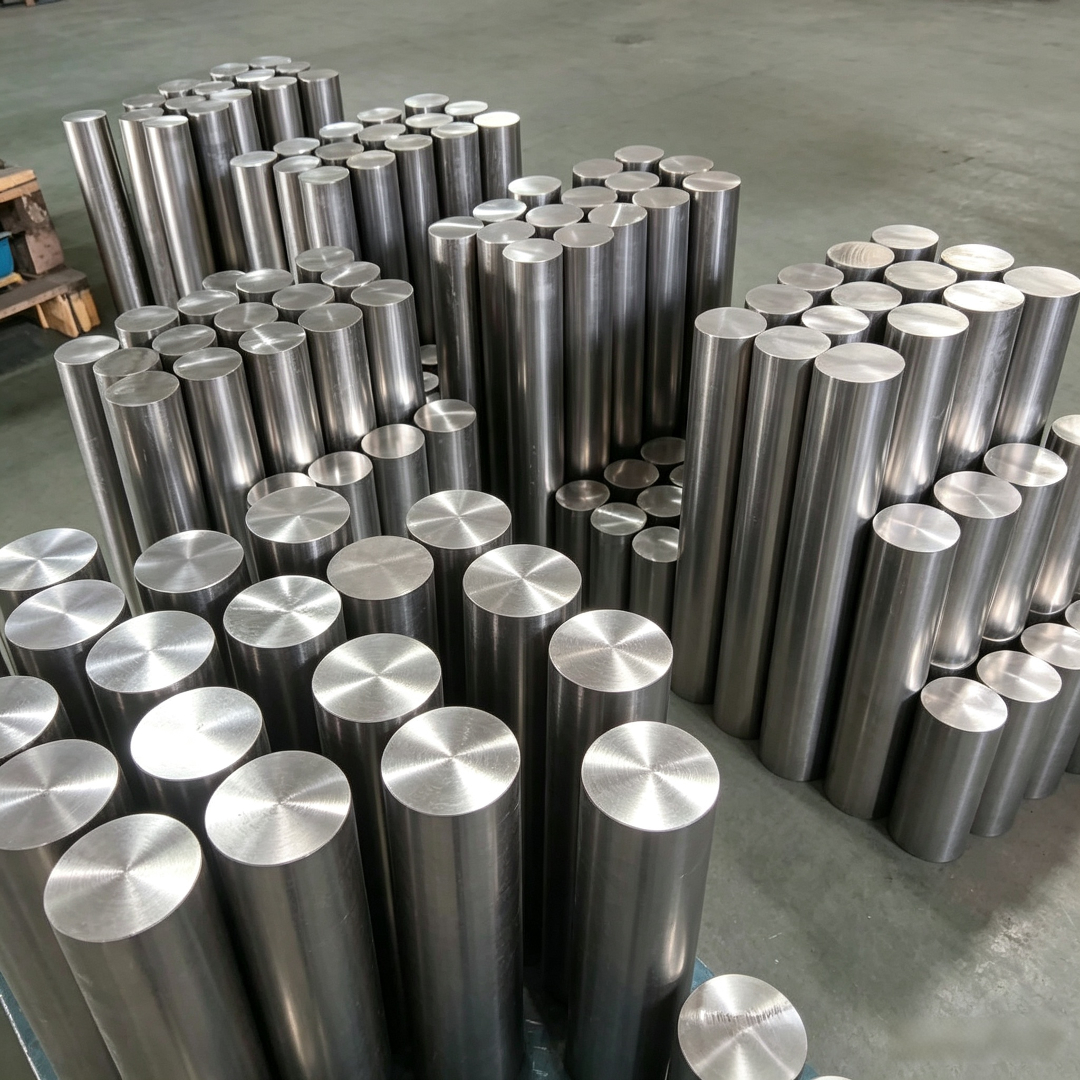
Introduction to the company's technological capabilities: Three major innovative breakthroughs of Everpro New Materials
Qingchuan New Materials (Zhengzhou) Co., Ltd., located in Zhengzhou High-Tech Industrial Development Zone, boasts modern standard workshops and a precision processing production line for special alloys, with its technological layout covering the entire chain of material R&D, process optimization, and quality inspection.
STEP1:Optimization of vacuum smelting technologyBy introducing a multi-stage vacuum system and an inert gas protection device, the oxygen content in the smelting environment is controlled below 5 ppm, elevating the metal purity to 99.999%. For instance, in a semiconductor customer project, copper target materials produced using this technology achieved a purity level of 5N, with impurity content below 0.0001%, significantly surpassing the industry average.
STEP2:Component uniformity control systemA composite process combining electromagnetic stirring and ultrasonic assistance was developed, dynamically adjusting magnetic field intensity (50-200 mT) and ultrasonic frequency (20-40 kHz) to reduce the distribution coefficient (σ) of alloying elements from 0.15 to 0.03, ensuring consistent material properties. This technology has been applied in the manufacturing of aero-engine turbine disks, doubling their thermal fatigue life.
STEP3:Full-process quality inspectionIt is equipped with a direct-reading spectrometer (detection accuracy of ±0.001%), an electron microscope (resolution of 0.1 nm), and a tensile testing machine (load range of 0-100 kN), enabling 12 inspection procedures from raw materials to finished products. For instance, in a new energy battery project, rigorous inspections reduced the material defect rate from 0.5% to 0.02%, enhancing the customer's product yield by 15%.
FAQ: A Q&A Guide to Technology Selection
Q1: How to select a suitable preparation process for high-purity metals?
A: It is necessary to comprehensively consider material type, purity requirements, and cost budget. For example, for semiconductor materials with a purity requirement of ≥5N, priority should be given to the vacuum induction melting + electron beam refining process, which offers superior purity control compared to arc melting. For large-sized alloy castings, directional solidification technology can be employed to reduce segregation, but the equipment investment cost is relatively high.
Q2: What are the key indicators for detecting the compositional homogeneity of special alloys?
A: The main inspection items include the element distribution coefficient (σ), grain size (ASTM E112 standard), and phase composition (XRD analysis). Taking nickel-based superalloys as an example, the σ value must be ≤0.05, the grain size grade must reach 5-8, and the γ' phase content must be controlled within 20%-30% to ensure high-temperature performance.
Q3: What are the technical advantages of Everpro New Materials?
A: Firstly, the process parameters can be customized and adjusted, such as a vacuum range of 10^-3-10^-5 Pa and melting temperatures from 1200-1800℃. Secondly, the precision of our testing equipment leads the industry, with detection limits of direct-reading spectrometers reaching the ppm level. Thirdly, we provide full-process services from material design to finished product delivery, reducing customers' R&D cycles by over 30%.
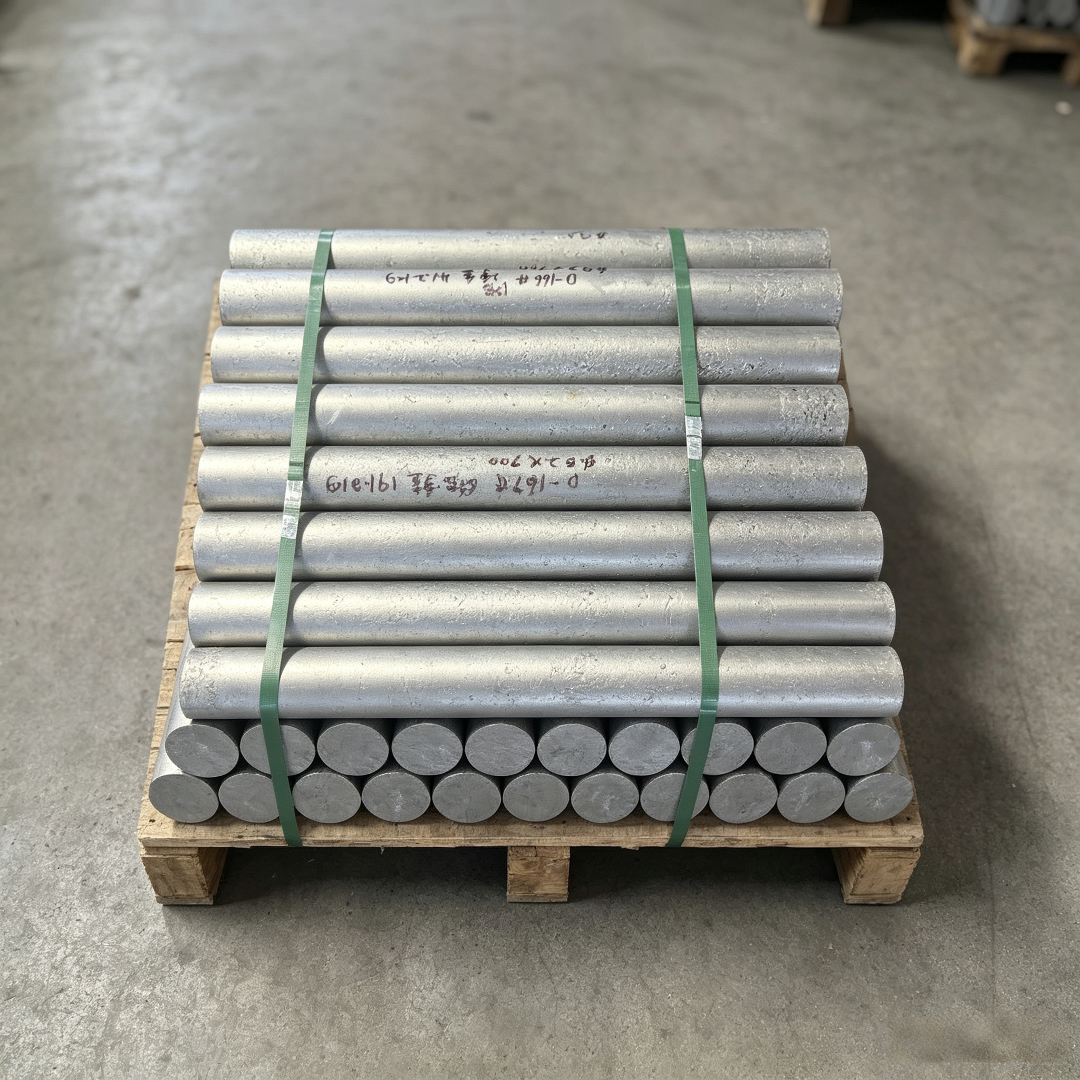
Reference for full text summary
The preparation technology of high-purity metals and special alloys serves as the core support for high-end manufacturing. Qinchuan New Materials has successfully addressed industry pain points such as insufficient purity, severe segregation, and high costs through the optimization of vacuum melting processes, the establishment of a composition uniformity control system, and comprehensive quality testing throughout the entire production flow. Its technical parameters have reached international advanced levels, with metal purity ≥99.999%, composition distribution coefficient σ ≤0.03, and detection accuracy ±0.001%. These technologies have been applied in the semiconductor, aviation, and new energy sectors. Looking ahead, as material performance requirements continue to rise, Qinchuan New Materials will persist in deepening technological R&D to provide superior solutions for the industry. For more information, please visit the official website:www.qingchuansuperalloy.com