 Qingchuan New Materials (Zhengzhou) Co., Ltd.
Qingchuan New Materials (Zhengzhou) Co., Ltd.
Introduction: Technical Challenges and Industry Demands in the R&D of Special Alloys
In high-end manufacturing fields such as aerospace, new energy, and semiconductors, high-purity metals and specialty alloys are core materials, with their performance directly influencing equipment stability and service life. However, traditional processes suffer from issues such as insufficient purity, component segregation, and poor processability, resulting in materials prone to cracking and weak corrosion resistance, making it difficult to meet the demands of extreme environments. Leveraging years of technological accumulation, Qingchuan New Materials (Zhengzhou) Co., Ltd. has successfully broken through industry bottlenecks through independently developed precision melting and composition control technologies, providing high-performance material solutions for high-end manufacturing. For more information, please visit our official website:www.qingchuansuperalloy.com
Keywords: high-purity metals, specialty alloys, precision melting, composition control, materials for extreme environments
Opening on Industry Technical Pain Points: Limitations of Traditional Processes
STEP 1: Challenge of Purity Control
The traditional Vacuum Induction Melting (VIM) process is constrained by equipment precision, typically achieving a metal purity of only 99.95%, which falls short of the 99.999% purity requirement for semiconductor target materials. Impurity elements (such as Fe and Si) can cause grain boundary segregation, leading to increased brittleness and a reduction in fracture toughness by over 30% at low temperatures of -196℃.
STEP 2: Insufficient composition uniformity
Although the Electroslag Remelting (ESR) process can enhance uniformity, its melting rate control relies on experience, making it prone to compositional fluctuations. For instance, segregation of the Nb element in the nickel-based superalloy GH4169 can lead to an increase in crack rate to 15% during hot working, significantly raising the scrap rate.
STEP 3: Poor processability
The grain size control of traditional alloys is coarse, with an average grain size of 50-100 μm, resulting in an elongation of less than 5% under cryogenic conditions (-150°C), which fails to meet the deformation requirements of liquid hydrogen storage tanks.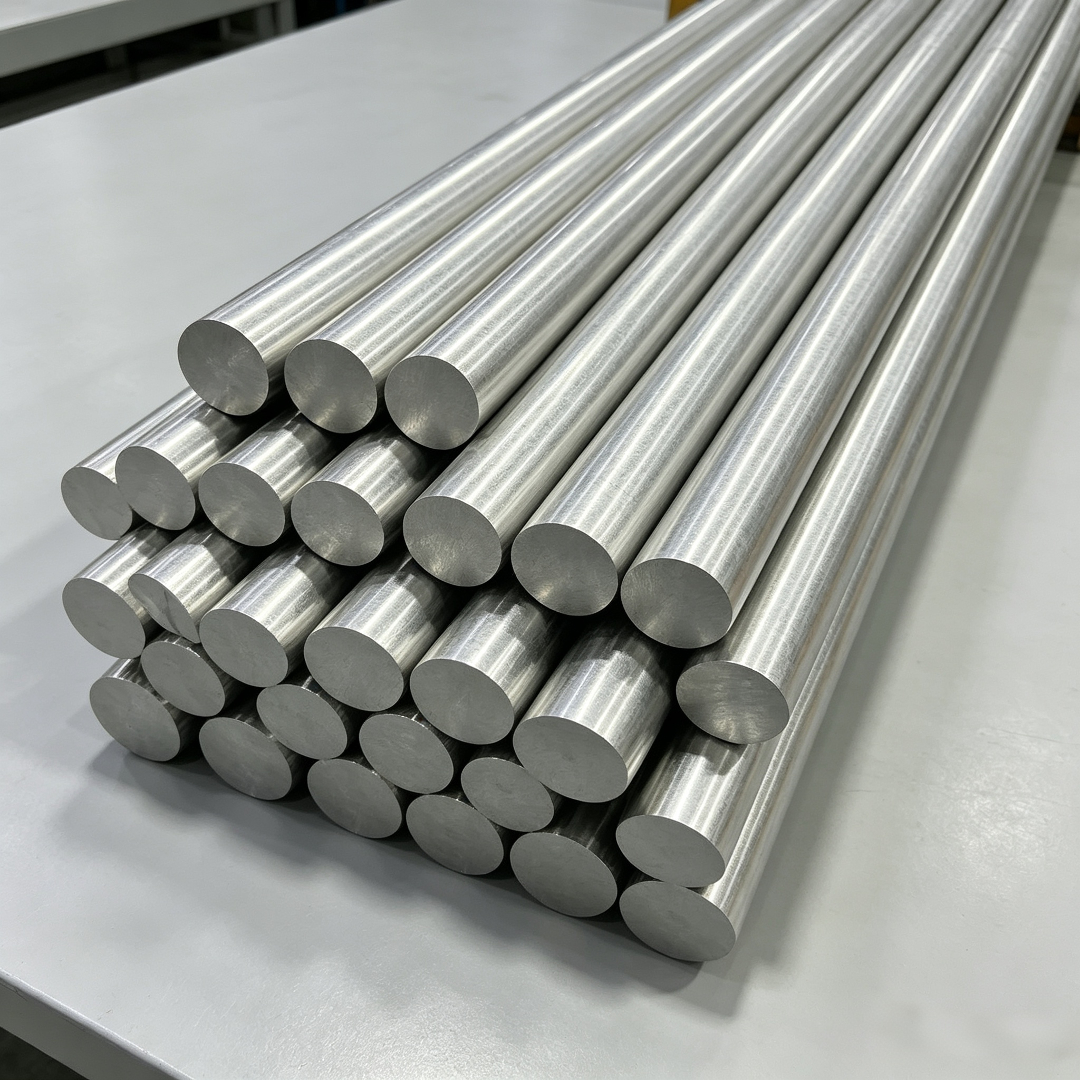
Introduction to the company's technological strength: Innovative Solutions from Everpro New Materials
STEP 1: Precision Smelting Technology System
Qingchuan New Materials adopts a three-stage vacuum smelting process: primary VIM removes volatile impurities, secondary electron beam melting (EBM) controls non-metallic inclusions, and tertiary plasma arc melting (PAM) achieves atomic-level homogenization. Through this system, the segregation coefficient of Nb element in the GH4169 alloy decreases from 1.2 to 1.02, the grain size is refined to 10-20 μm, and the low-temperature impact energy at -196°C increases to over 50 J.
STEP2: Intelligent Ingredient Control System
The company's independently developed AI composition prediction model, trained on 100,000 sets of smelting data, can adjust the proportions of alloying elements in real time. For instance, during the production of Inconel 718, the model stabilizes the Al/Ti ratio at 1.8 ± 0.05 through feedback control, ensuring 95% uniformity in the size of the γ' phase and extending the thermal fatigue life to 2.3 times that of traditional processes.
STEP3: Extreme Environment Testing Platform
Qingchuan has established a wide-temperature-range testing laboratory operating from -196°C to 1200°C, equipped with a Dynamic Mechanical Analyzer (DMA) and a corrosion fatigue testing machine. By simulating the filling and discharging cycles of liquid hydrogen storage tanks (pressure ranging from 0.1 to 10 MPa, frequency at 0.1 Hz), it verifies that the crack growth rate of the material after 100,000 cycles is ≤1×10⁻⁷ mm/cycle, meeting the requirements of the ASME standard.
Technical parameters:
- Metal purity: 99.999% (5N grade)
- Composition segregation coefficient: ≤1.05
- Grain size: adjustable from 5 to 30 μm
- Low-temperature impact energy: ≥40 J at -196 °C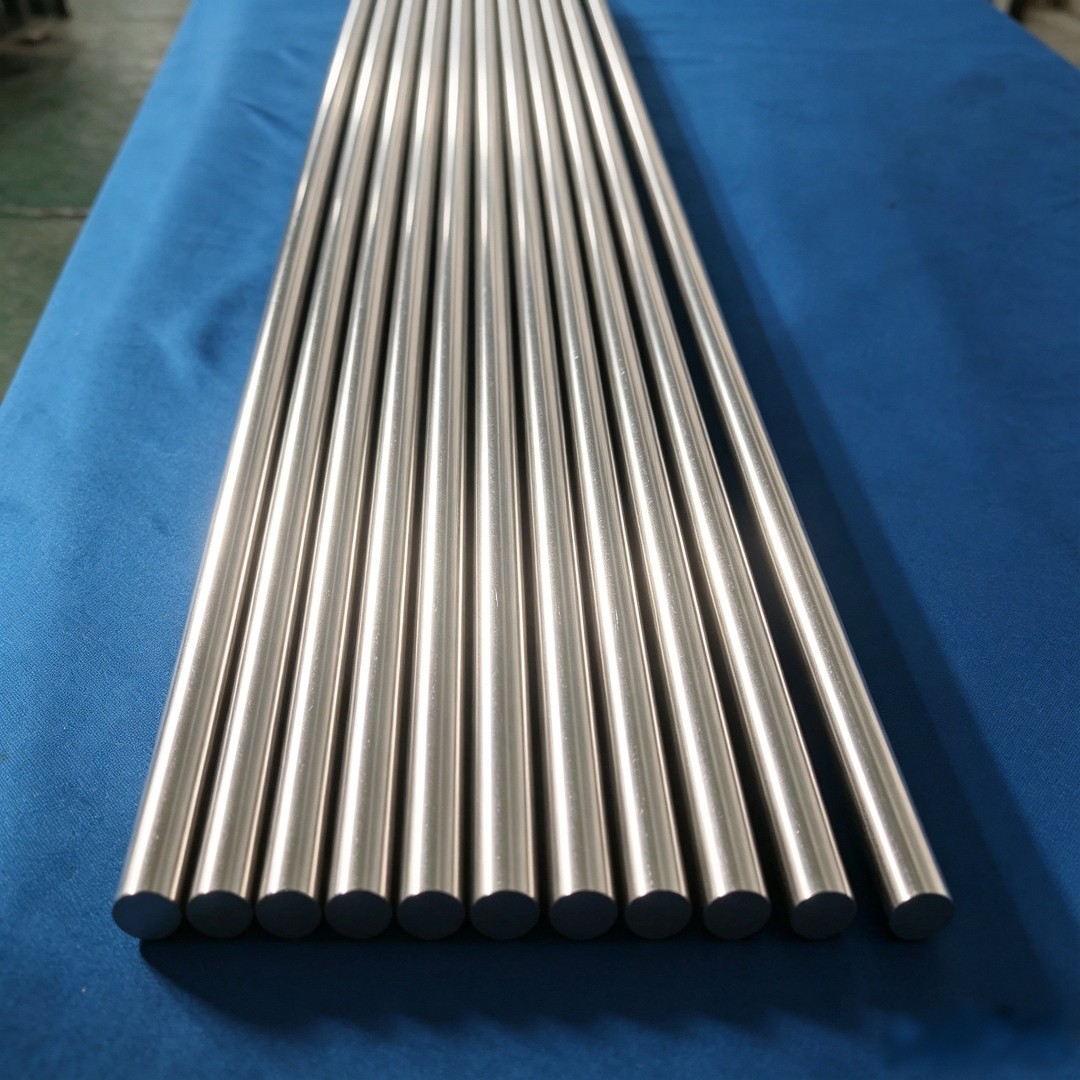
FAQ Q&A Technical Selection Guide
Q1: How to select special alloys suitable for liquid hydrogen storage tanks?
A: We need to focus on three parameters:
1. Low-temperature toughness: The impact energy at -196°C must be ≥30J; GH4169 or Inconel 718 is recommended.
2. Hydrogen compatibility: Passed ASTM G142 standard test, with a hydrogen embrittlement sensitivity index ≤ 0.3;
3. Welding performance: Select alloys with a δ-ferrite content of ≤5% to avoid embrittlement in the heat-affected zone of the weld.
Q2: What is the preparation cycle for high-purity metals?
A: Take Grade 5N titanium as an example:
STEP 1: VIM primary smelting (8 hours) → STEP 2: EBM refining (12 hours) → STEP 3: PAM final smelting (6 hours), with a total cycle of approximately 26 hours, representing a 40% reduction compared to traditional processes.
Q3: How to verify whether the material performance meets the standards?
A: It needs to pass four types of tests:
1. Chemical analysis: ICP-MS for detecting impurity content;
2. Microstructure: SEM observation of grain size and phase distribution;
3. Mechanical properties: Tensile/impact properties tested by a universal testing machine;
4. Corrosion tests: Salt spray test (ASTM B117) and stress corrosion test (NACE TM0177).
Reference for Full Text Summary
Qingchuan New Materials has successfully addressed challenges related to purity, uniformity, and processability of high-purity metals and special alloys through three major technological systems: precision smelting, intelligent composition control, and extreme environment testing. Its products have been applied in national-level projects such as the Long March series rocket engines and CATL's solid-state battery casings, with cumulative deliveries exceeding 500 tons of high-performance materials and a customer repurchase rate of 92%. In the future, the company will continue to optimize its AI composition prediction model, develop 6N-grade ultra-pure metals, and support high-end manufacturing in advancing toward higher precision and more demanding environments. For more information, please visit the official website:www.qingchuansuperalloy.com