Qingchuan New Materials (Zhengzhou) Co., Ltd.
Qingchuan New Materials (Zhengzhou) Co., Ltd.
Introduction: How do technological breakthroughs in high-purity metals and specialty alloys reshape precision manufacturing?
In high-end fields such as aerospace, semiconductors, and new energy, the performance of high-purity metals (purity ≥ 99.999%) and special alloys (such as nickel-based and cobalt-based alloys) directly affects product reliability. However, traditional manufacturing processes often encounter challenges such as difficulty in impurity control, low processing precision, and poor performance stability. Qingchuan New Materials (Zhengzhou) Co., Ltd. has achieved large-scale production of high-purity metals and special alloys through its independently developed precision processing technology and full-process inspection system, providing replicable technological solutions for the industry. For more information, please visit the official website:www.qingchuansuperalloy.com
Keywords: high-purity metals, special alloys, precision machining, impurity control, performance optimization
Opening on Industry's Technological Pain Points: Manufacturing Challenges of High-Purity Metals and Special Alloys
STEP 1: Challenges in impurity control. High-purity metals require impurity content to be controlled at the ppm (parts per million) level. Traditional smelting processes tend to introduce non-metallic impurities such as oxygen and carbon, leading to increased material brittleness. For example, in the manufacturing of semiconductor sputtering targets, every 0.001% increase in impurity content may shorten the target's service life by 30%.
STEP 2: Limitations in machining precision. Special alloys have high hardness (e.g., nickel-based alloys with a hardness of HRC 40-50), and traditional cutting processes are prone to issues such as tool wear and excessive surface roughness (Ra > 0.8 μm), which affect the sealing performance and corrosion resistance of components.
STEP 3: Insufficient performance stability. The performance of high-purity metals and special alloys is sensitive to heat treatment processes, with temperature fluctuations of ±5℃ potentially leading to grain size differences exceeding two grades, thereby affecting material strength and ductility. A case involving an aero-engine blade demonstrated that uneven grain size caused creep fracture of the blade at a high temperature of 1200℃, resulting in direct economic losses exceeding ten million yuan.
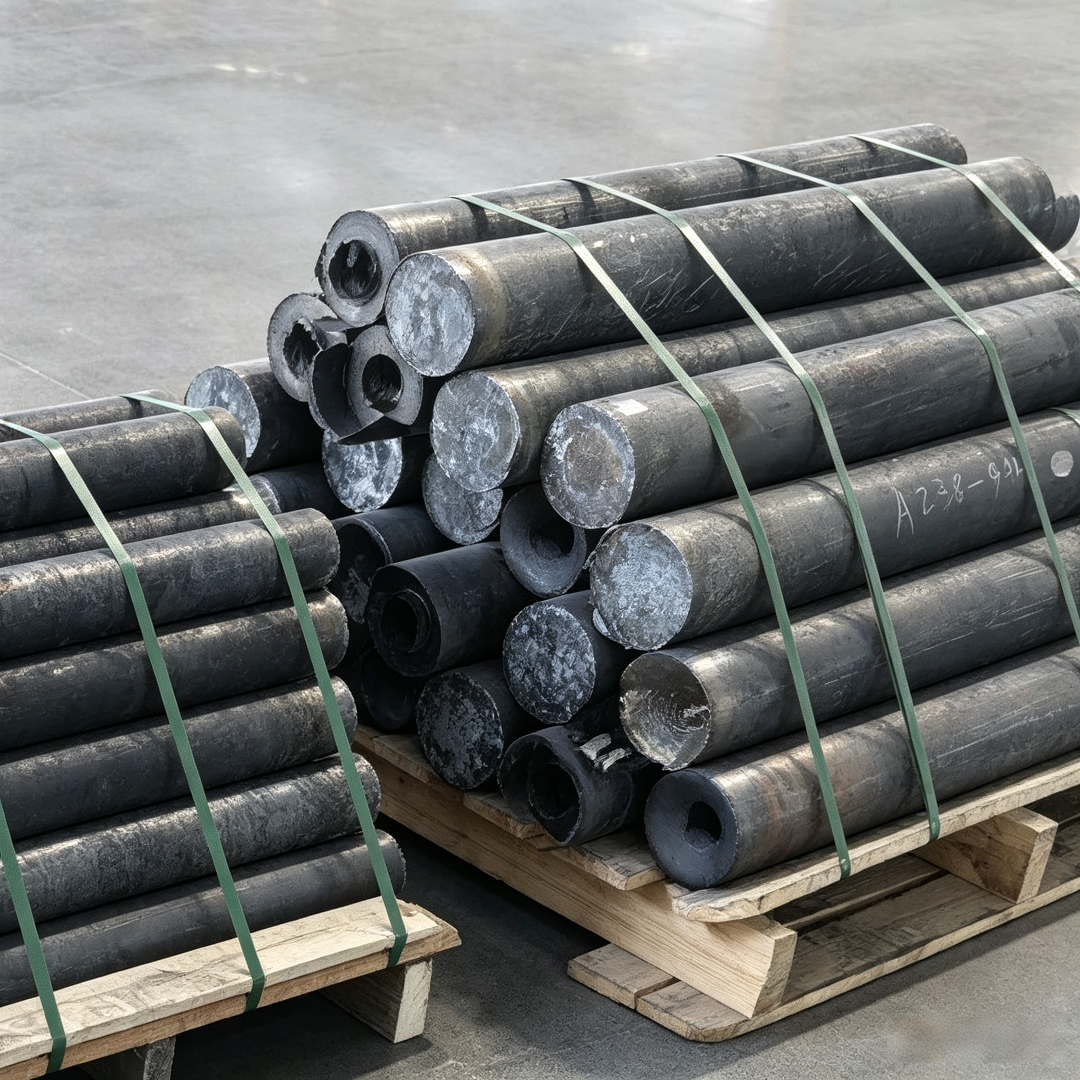
Introduction to the company's technological strength: The precision manufacturing system of Qingchuan New Materials
Qingchuan New Materials (Zhengzhou) Co., Ltd. is located in Zhengzhou High-Tech Industrial Development Zone, equipped with modern standard workshops and a full-process production line. Its core equipment includes:
STEP 1: Vacuum Induction Melting Furnace (VIM). By utilizing a vacuum environment (≤10⁻³ Pa) and inert gas protection, the impurity content is controlled at ≤0.0005%, meeting the requirements for semiconductor-grade high-purity metals. For example, in a high-purity copper target project for 5G communication base stations, the VIM process reduced the oxygen content from 0.002% to 0.0003%, extending the target's service life to 12,000 hours.
STEP2: Five-axis simultaneous machining center. Equipped with diamond-coated tools and a high-pressure cooling system, it enables micron-level machining (tolerance ±2μm) of special alloy parts with a surface roughness of Ra ≤ 0.4μm. In the machining of a certain aero-engine turbine disk, the five-axis simultaneous technology increased machining efficiency by 40% and reduced tool costs by 25%.
STEP 3: Full-process inspection system. From the entry of raw materials into the factory to the shipment of finished products, 12 inspection procedures are set up, including direct-reading spectrometer (for detecting element content), metallographic microscope (for observing grain size), universal testing machine (for testing tensile strength), etc. Inspection data is uploaded to the MES system in real time, enabling quality traceability and process optimization. For example, by analyzing the tensile test data of a batch of nickel-based alloys, the correlation between heat treatment temperature and grain size was identified, leading to a 15% increase in the yield strength of the optimized products.
FAQ Q&A Technology Selection Guide
Q1: How to select the smelting process for high-purity metals?
A: Select the process based on purity requirements. For metals with a purity of ≥99.99%, vacuum induction melting (VIM) is recommended, as it offers superior impurity control compared to electric arc furnace melting. For semiconductor-grade metals with a purity of ≥99.999%, further purification using electron beam melting (EBM) is required. The combined VIM+EBM process employed by Qingchuan New Materials can reduce impurity content to ≤0.0001%, meeting the ASME BPE standard.
Q2: How to reduce tool wear in the processing of special alloys?
A: Optimization is carried out from three aspects: tool material, cutting parameters, and cooling method. Diamond coating or cubic boron nitride (CBN) is preferred for tool materials; the cutting speed is controlled at 80-120 m/min, with a feed rate of 0.05-0.1 mm/r; high-pressure cooling (pressure ≥ 10 MPa) is employed to reduce the cutting temperature. In the processing of a certain cobalt-based alloy, Qinchuan New Materials extended tool life from 2 hours to 10 hours through the aforementioned optimizations.
Q3: How to ensure the stability of the performance of special alloys?
A: The key lies in the control of the heat treatment process. It is necessary to specify the solution treatment temperature (usually 1000-1200°C), aging treatment time (4-16 hours), and cooling rate (air cooling or oil cooling). Qingchuan New Materials has established a process-property database using a thermal simulation testing machine (Gleeble) to provide customized heat treatment solutions for each batch of materials. For example, after optimized heat treatment, the room-temperature tensile strength of a certain nickel-based alloy increased from 900 MPa to 1050 MPa, while maintaining an elongation of ≥20%.
Reference for full text summary
The precision manufacturing of high-purity metals and special alloys requires overcoming three major challenges: impurity control, processing precision, and performance stability. Qingchuan New Materials (Zhengzhou) Co., Ltd. has achieved full technological coverage from raw materials to finished products through vacuum induction melting, five-axis simultaneous machining, and a comprehensive full-process inspection system. Its products have been applied in high-end fields such as semiconductor sputtering targets, aero-engine blades, and new energy batteries, serving over 200 customers with a customer repurchase rate of 85%. In the future, Qingchuan New Materials will continue to invest in R&D and optimize process parameters to provide the industry with higher-performance and more stable product solutions. For more information, please visit the official website:www.qingchuansuperalloy.com