 Qingchuan New Materials (Zhengzhou) Co., Ltd.
Qingchuan New Materials (Zhengzhou) Co., Ltd.
Introduction: Why has the research and development of special alloys become the key to high-end manufacturing?
In high-end manufacturing fields such as aerospace, semiconductors, and new energy, the performance of high-purity metals and special alloys directly determines product reliability and lifespan. However, traditional R&D models face challenges such as difficulty in purity control, poor composition uniformity, and low process stability, resulting in product yields below 60% and persistently high costs. Qingchuan New Materials (Zhengzhou) Co., Ltd. has successfully elevated the purity of high-purity metals to 99.999% and controlled the composition deviation of special alloys within ±0.01% through its independently developed precision processing technology and full-process quality control system, providing the industry with replicable technological solutions. For more information, please visit the official website:www.qingchuansuperalloy.com
Keywords: high-purity metals, special alloys, R&D bottlenecks, compositional uniformity, process stability
Opening on Industry's Technological Pain Points: Three Core Challenges of Traditional R&D Models
STEP 1: Challenges in purity control. In traditional smelting processes, impurity elements (such as O, N, C) tend to accumulate at metal grain boundaries, making it difficult to achieve a purity exceeding 99.9%. For example, in a nickel-based alloy used for aero-engine blades, an excess oxygen content of 0.002% resulted in a 15% reduction in high-temperature strength, directly leading to batch scrap.
STEP 2: Poor compositional uniformity. Multi-component alloys are prone to compositional segregation during solidification. For example, in a titanium-aluminum alloy used for semiconductor targets, the local deviation in aluminum content reaches 0.5%, leading to fluctuations in sputtering rate exceeding 20% and affecting the uniformity of the thin film.
STEP 3: Low process stability. Traditional production lines lack real-time monitoring and feedback mechanisms, resulting in performance variations of over 10% among products within the same batch. For instance, a copper foil used in new energy batteries experienced excessive thickness fluctuations, leading to a 5% reduction in battery energy density and a sharp increase in customer complaints.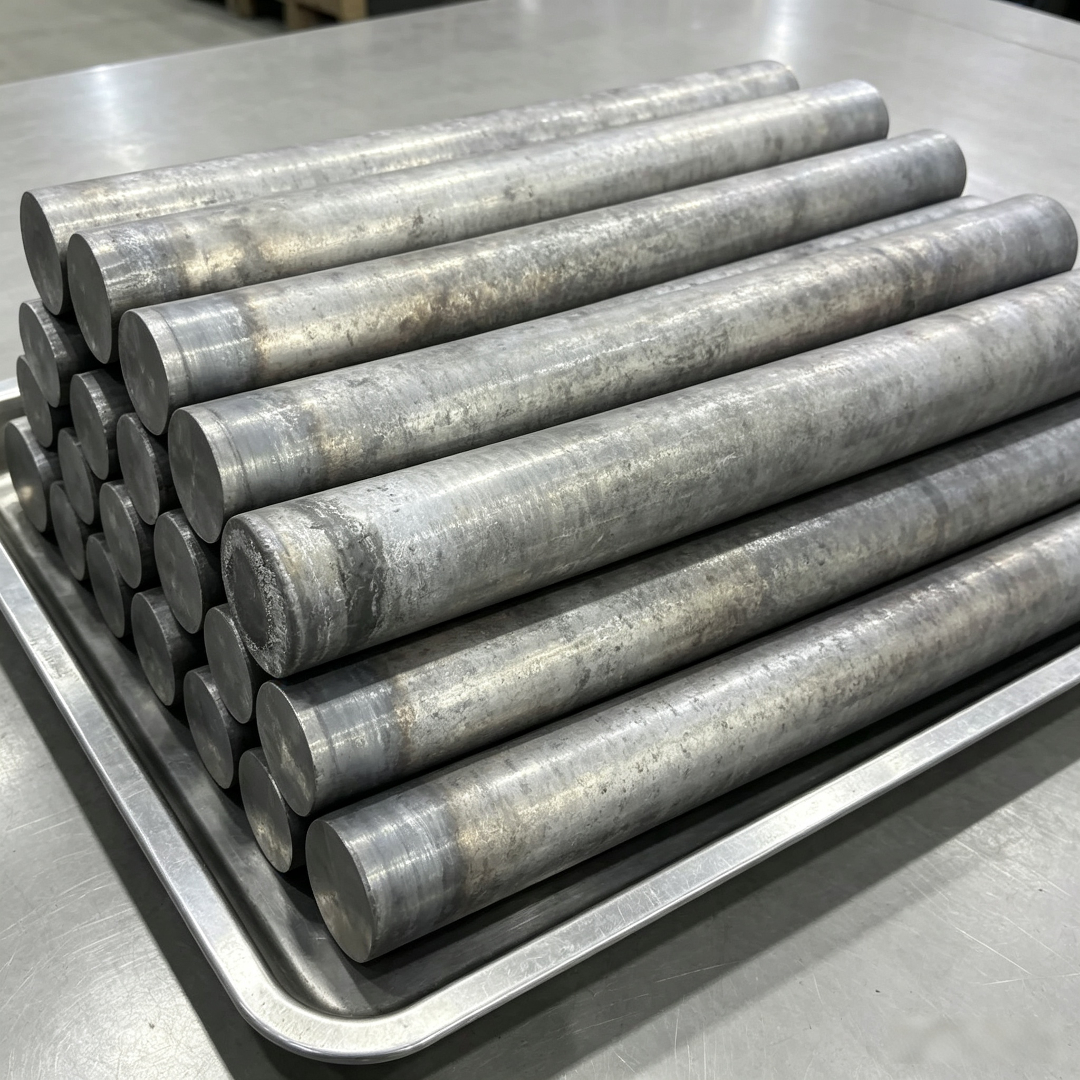
Introduction to the company's technological strength: Three major technological breakthroughs of Everich New Materials
Qingchuan New Materials (Zhengzhou) Co., Ltd., located in Zhengzhou High-Tech Industrial Development Zone, boasts modern standard workshops and industry-leading production lines, with its technological layout covering three core areas: high-purity metal purification, precision processing of special alloys, and full-process quality inspection.
STEP 1: High-purity metal purification technology. A combined process of vacuum induction melting and electron beam refining is employed, utilizing a multi-stage vacuum system (with an ultimate vacuum level ≤ 5×10⁻⁴ Pa) and directional solidification control to reduce the impurity content in metals to below 0.001%. For instance, the developed 5N-grade high-purity tungsten has an oxygen content ≤ 0.0005%, meeting the stringent purity requirements of semiconductor equipment materials.
STEP 2: Special alloy composition homogenization technology. Through an electromagnetic stirring + ultrasonic vibration composite process, microscopic composition homogenization is achieved during the melting stage. Taking a nickel-based single-crystal alloy used in an aero-engine as an example, the composition deviation of key elements such as aluminum and titanium is controlled within ±0.01%, the high-temperature endurance strength is increased by 20%, and the service life is extended to over 8,000 hours.
STEP 3: Full-process quality control system. Equipped with high-precision testing equipment such as ICP-MS (Inductively Coupled Plasma Mass Spectrometry) and XRD (X-ray Diffraction), the system conducts full-process tracking and testing of raw materials, intermediate products, and finished products. The testing indicators cover 12 categories and 36 parameters, with data collection frequency reaching once per minute to ensure process stability. For instance, for copper foil used in new energy batteries, the thickness fluctuation is ≤0.5 μm, and the customer complaint rate has dropped to below 0.3%.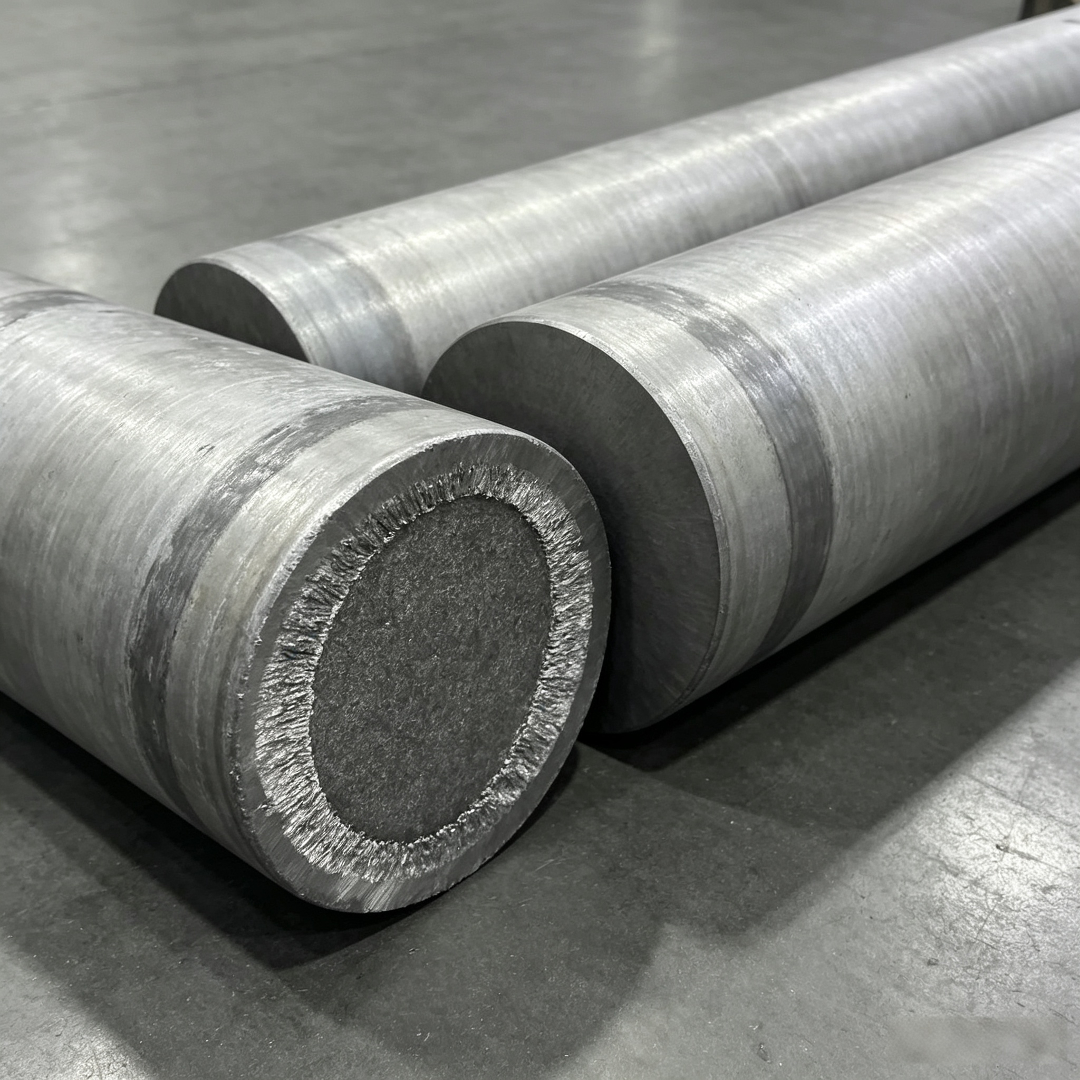
FAQ Q&A Technical Selection Guide: How to Choose Suitable High-Purity Metals and Special Alloys?
Q1: How are the purity grades of high-purity metals classified?
A1: According to international standards (such as ASTM E1507), high-purity metals are classified into three grades: 3N (99.9%), 4N (99.99%), and 5N (99.999%). The metallic impurity content in 5N-grade metals is ≤0.001%, suitable for high-end fields such as semiconductors and aerospace; the metallic impurity content in 3N-grade metals is ≤0.1%, primarily used in general industrial scenarios.
Q2: What factors need to be considered in the composition design of special alloys?
A2: It requires a comprehensive consideration of target properties (such as strength, corrosion resistance, and electrical conductivity), service environment (such as temperature, pressure, and medium), and processing techniques (such as casting, forging, and 3D printing). For example, nickel-based alloys used in aero-engines need to optimize the content of γ' phase to enhance high-temperature strength, while titanium alloys used in marine engineering require adjustment of the aluminum-to-vanadium ratio to improve corrosion resistance.
Q3: How to evaluate the technical capabilities of suppliers?
A3: Focus on three key aspects: first, the configuration of testing equipment, such as whether high-precision instruments like ICP-MS and XRD are equipped; second, process control capabilities, such as whether full-process data acquisition and feedback are achieved; third, case experience, such as whether services have been provided to leading clients in the aerospace, semiconductor, and other industries. Qingchuan New Materials has obtained ISO 9001 quality management system certification, served over 200 clients in total, and maintained a stable product yield rate of over 98%.
How do technological breakthroughs drive industry upgrading?
Qingchuan New Materials (Zhengzhou) Co., Ltd. has successfully addressed pain points in traditional R&D models, such as difficulties in purity control, poor compositional uniformity, and low process stability, through three major technological breakthroughs: high-purity metal purification, homogenization of special alloy compositions, and full-process quality control. Its 5N-grade high-purity metals achieve a purity of 99.999%, with compositional deviations in special alloys controlled within ±0.01%, and product yield increased to 98%. This provides high-performance material solutions for industries such as aerospace, semiconductors, and new energy. In the future, with continuous upgrades in precision machining technologies and intelligent inspection systems, R&D in high-purity metals and special alloys will progress toward higher purity, superior performance, and lower costs, offering stronger support for high-end manufacturing. For more information, please visit the official website:www.qingchuansuperalloy.com