 Qingchuan Yeni Malzemeler (Zhengzhou) Şirketi
Qingchuan Yeni Malzemeler (Zhengzhou) Şirketi
Qingchuan Yeni Malzemeler (Zhengzhou) Şirketi
Qingchuan Yeni Malzemeler (Zhengzhou) Şirketi
Qingchuan Yeni Malzemeler (Zhengzhou) Şirketi
Teknik Arka Plan ve Endüstri Sıkıntıları
Demagnetizable iron-nickel expansion sealing alloys (such as 4J29, 4J42, etc.) are core materials in the fields of electronic packaging, aerospace, and precision instruments. Their core characteristics lie in the high matching of thermal expansion coefficients with glass, ceramics, and other substrates, which can avoid packaging failure caused by thermal stress. However, traditional production processes have problems such as poor component uniformity, grain coarsening, and insufficient sealing airtightness, especially in scenarios such as high-frequency communication and semiconductor packaging, where higher requirements are placed on the purity, dimensional stability, and fatigue resistance of the alloys.
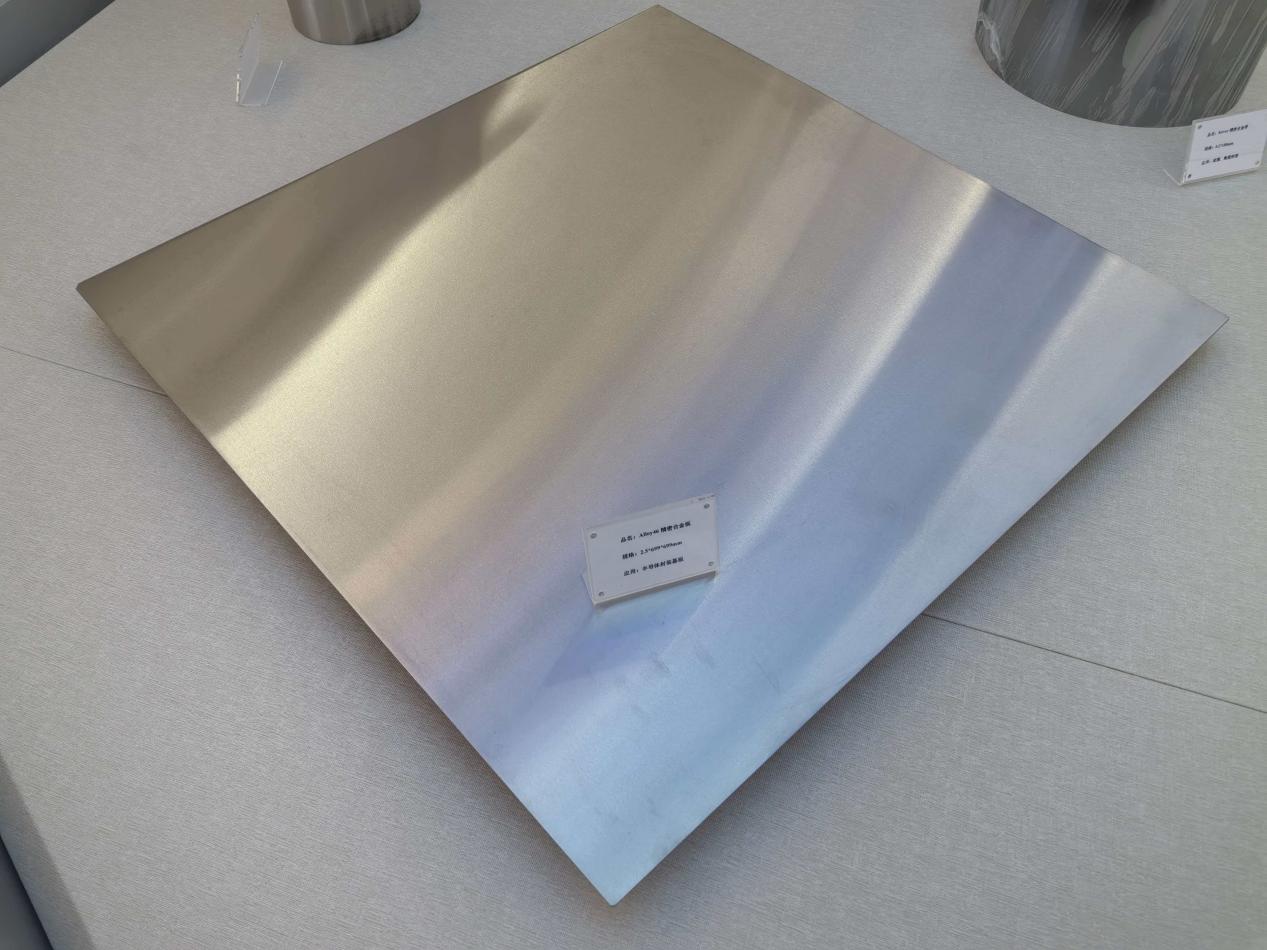
Tiechuan New Materials' technical breakthrough
Shengchuan New Materials (Zhengzhou) Co., Ltd. leverages the strategic location advantage of the Zhengzhou High-tech Industrial Development Zone to build a full industrial chain layout from high-purity metal smelting to precision processing of special alloys. Its iron-nickel fixed expansion alloy production line adopts a vacuum induction melting (VIM) + electroslag remelting (ESR) double process, controlling the alloy composition deviation within ±0.02%, oxygen content ≤15ppm, significantly better than industry standards (usually ±0.05%, ≤30ppm). By introducing cold rolling-annealing integrated control technology, the grain size of the material can reach ASTM 8-10 levels, and the linear expansion coefficient fluctuation within the temperature range of room temperature to 300℃ is ≤±1×10⁻⁷/℃, meeting the stringent requirements of applications such as 5G communication filters and laser diode packaging.
Anahtar işleme parametreleri çözümleme
1. Kalayım tekniğiVIM furnace capacity 150kg, vacuum degree ≤1×10⁻²Pa, melting temperature 1600-1650°C, ensure uniform distribution of elements; ESR furnace uses inert gas protection, remelting rate 8-10kg/min, effectively remove low melting point impurities.
2. Termik işleme rejimiSintering treatment temperature: 1020-1050°C, hold for 2-4 hours and quench in water; aging treatment temperature: 320-350°C, hold for 8-12 hours, and increase the material yield strength to ≥380MPa through precipitation strengthening.
3. Precision MachiningKalın çelik toplam deforme miktarı ≥70%, defleme miktarı 15%-20% arasında kontrol edilir, işlenme sertliklerini ortadan kaldırmak için orta ısıl işleme (750℃/2h) uygulanır, son ürün kalınlık hata ±0.01mm, düzlik ≤0.5mm/m.
Tipik Uygulama Örnekleri: Yarı iletken Ambalaj İzolasyonu Artışı
Bir bir semiconduktör ekipman üreticisinin IGBT modülü paketleme projelerinde, geleneksel 4J29 alaşımı, kristal partiklerinin büyük olmasından dolayı paketleme tabakasında küçük çatlaklar oluşmasına neden oldu ve gaz geçirgenlik testi sızıntı oranı 1×10⁻⁸Pa·m³/s'ye ulaştı (standart gereksinimi ≤1×10⁻⁹). Qinchuan Yenilikçi Malzemeler, ESR işleme parametrelerini optimize ederek kristal boyutunu ASTM 9'e indirdi ve yüzey plazma sprey işlemi ile birlikte, paketleme tabakasının sızıntı oranını 5×10⁻¹⁰Pa·m³/s'ye düşürdü, modül ömrünü 3 kat artırdı. Bu proje, toplamda 12 ton alaşım bantı teslim etti ve 500.000'den fazla IGBT modülünün üretiminde kullanıldı.
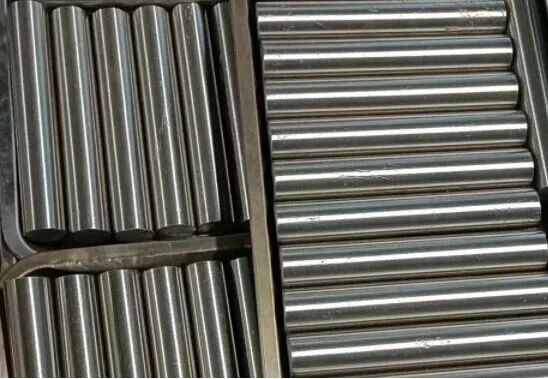
Kalite Yönetim Sistemi ve Teknoloji Yerleşimi
Qinchuan New Materials has established a CNAS-certified laboratory equipped with direct-reading spectrometers, electron probes, thermal expansion meters, and other equipment, realizing 12 quality inspection checkpoints from raw materials to finished products. Its technical team continuously researches and develops new-generation products such as low thermal expansion coefficient gradient alloys and nano-precipitation strengthened alloys, has applied for 5 invention patents, and has established产学研 cooperation with units such as Zhengzhou University and China Electronics Technology Group Corporation's 13th Research Institute, promoting the application of iron-nickel alloys in front-line fields such as optical communication and quantum computing.
Sıkça Sorulan Sorular: Teknik Zorluklar Çözümleri
Q1: Why does the iron-nickel alloy sealing appear with blisters after bonding?
A: Anahtar neden, ısı genleşme katsayıları uyumsuzluğu veya kalıntı stresi nedeniyledir. Qinchuan, alaşım bileşimlerini (örneğin, Ni içeriğini 42%-42.5%'e ayarlayarak) ve 退火 işlemini (taraflı soğutma kullanarak) optimize ederek, ısı genleşme katsayıları uyumluluğunu %98'in üzerinde artırır ve balon riskini etkili bir şekilde ortadan kaldırır.
Q2: How to improve the processing properties of the alloy?
A: By controlling the total cold rolling deformation amount (recommended 60%-75%) and intermediate annealing temperature (720-760℃), the deformation resistance can be significantly reduced. The lubrication rolling process developed by Qinchuan reduces rolling force by 20% and the surface roughness of the sheet Ra≤0.4μm.