 Qingchuan New Materials (Zhengzhou) Co., Ltd.
Qingchuan New Materials (Zhengzhou) Co., Ltd.
Qingchuan New Materials (Zhengzhou) Co., Ltd.
Qingchuan New Materials (Zhengzhou) Co., Ltd.
Qingchuan New Materials (Zhengzhou) Co., Ltd.
I. Technical Background and Principle of Haynes 230 Special Alloy
Haynes 230 is a nickel-based superalloy, with its core composition including nickel (Ni), chromium (Cr), molybdenum (Mo), and tungsten (W). Through precise alloying design, it achieves excellent oxidation, carburization resistance, and thermal corrosion resistance at high temperatures (≤1150℃). Its technical principle is based on solid solution strengthening and precipitation hardening mechanisms: the nickel matrix provides high-temperature stability, the chromium element forms a dense oxide film (Cr2O3) to resist oxidation, and molybdenum and tungsten enhance material strength by solid solution strengthening while inhibiting grain boundary sliding, ensuring structural integrity at high temperatures. The density of this alloy is 8.94g/cm³, with a melting point range of 1370-1430℃, and a coefficient of thermal expansion of 12.6×10⁻⁶/℃ (20-1000℃), suitable for applications requiring long-term high-temperature loading.
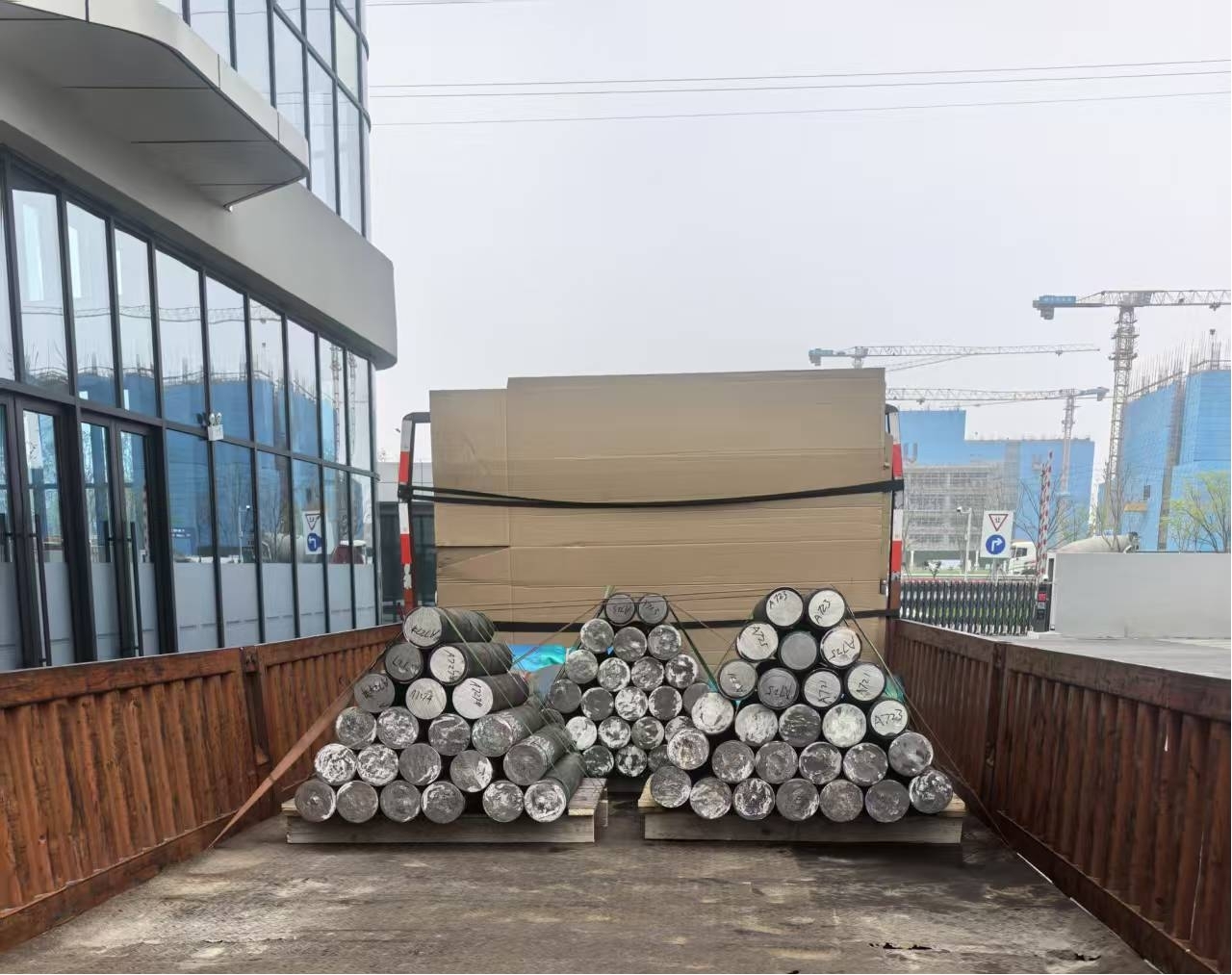
2. Qingchuan New Materials' Technical Layout and Application Experience with Haynes 230
Qinchuan New Materials (Zhengzhou) Co., Ltd. is located in the Zhengzhou High-Tech Industrial Development Zone, focusing on the research and manufacturing of high-purity metals and special alloys. Equipped with advanced equipment such as vacuum induction melting furnaces and electroslag remelting furnaces, the company can achieve precise melting and homogenization treatment of Haynes 230 alloys, ensuring material composition deviation ≤0.05%. In the processing stage, the company uses five-axis CNC machines for precise shaping, complemented by hot isostatic pressing (HIP) technology to eliminate internal defects, achieving material density over 99.9%. Through establishing a full-process quality control system from raw material inspection to finished product testing, Qinchuan New Materials has successfully applied Haynes 230 to critical components such as aeroengine combustion chambers, industrial gas turbine blades, and chemical reaction vessels, with cumulative deliveries exceeding 50 tons and product pass rate consistently stable at over 98.5%.
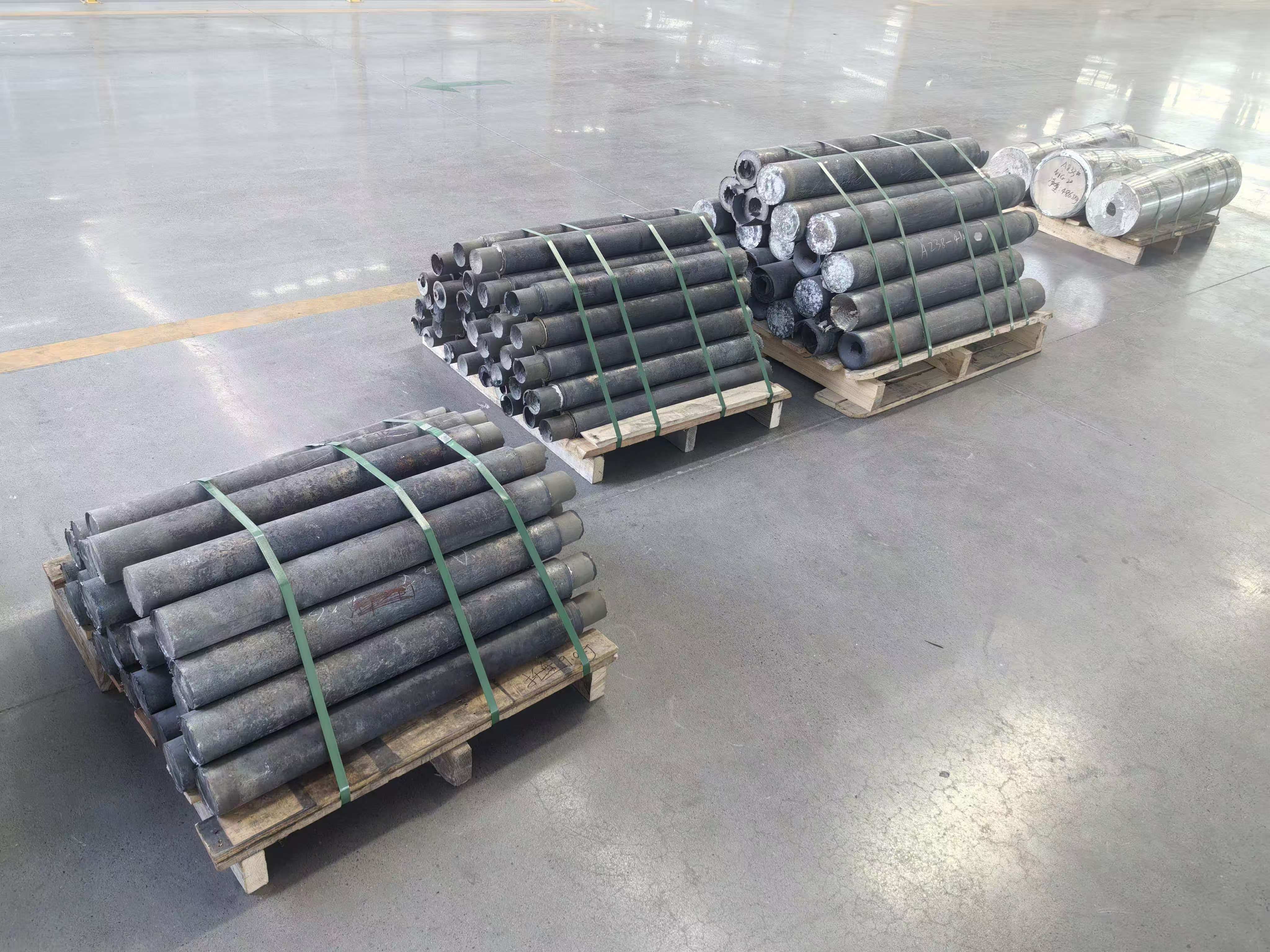
Typical Application Case: Refurbishment Project of an Aircraft Engine Combustion Chamber
In the modification project of a certain type of aviation engine combustion chamber, the original design used Inconel 625 alloy, but oxidation scale peeling occurred after long-term high-temperature (1050℃) operation. The new material technology team at Qingchuan found through comparative analysis that the chromium content of Haynes 230 (23%) is higher than that of Inconel 625 (21.5%), and it also adds 0.3% of lanthanum (La) element, which can significantly improve the adhesion of the oxide film. During the project implementation, the team used vacuum brazing technology to connect the Haynes 230 sleeve with the matrix, and after 1000 hours of high-temperature endurance testing, the oxidation rate of the sleeve surface was reduced to 0.002mm/year, a 40% improvement over the original plan. Currently, this modification scheme has passed the airworthiness certification, with more than 200 engines applied, extending the maintenance cycle of each engine to 8000 flight hours, significantly reducing operating costs.
4. Summary of Technical Parameters and Compatibility Scenarios
The core parameters of Haynes 230 alloy include: short-term working temperature ≤1200°C, long-term working temperature ≤1100°C; tensile strength ≥650MPa (room temperature), ≥200MPa (1000°C); elongation ≥30% (room temperature), ≥15% (1000°C). Its application scenarios cover three categories: first, high-temperature oxidation environments, such as hot-end components of aircraft engines; second, high-temperature corrosion environments, such as sulfur-containing gas treatment equipment in the chemical industry; third, high-temperature wear environments, such as industrial furnace roller tracks. In actual applications, the heat treatment process (such as solution treatment temperature 1180°C, aging treatment temperature 870°C) needs to be adjusted according to specific working conditions to balance the strength and toughness of the material.擎川新材料Through continuous optimization of alloy composition and processing technology, has formed a full product line covering plates, bars, tubes, and wires, which can meet the customized needs of different customers.