 Qingchuan New Materials (Zhengzhou) Co., Ltd.
Qingchuan New Materials (Zhengzhou) Co., Ltd.
Qingchuan New Materials (Zhengzhou) Co., Ltd.
Qingchuan New Materials (Zhengzhou) Co., Ltd.
Qingchuan New Materials (Zhengzhou) Co., Ltd.
Introduction: The Strategic Position of High Temperature Alloys and the Unique Value of Haynes 230
In extreme working conditions such as aerospace, energy generation, and chemical industries, high-temperature alloys serve as core materials, with their performance directly determining the reliability and lifespan of equipment. Haynes 230 (UNS N06230) is a nickel-based solid solution strengthened high-temperature alloy that, thanks to its excellent high-temperature strength, oxidation resistance, and thermal stability, has become an ideal choice for critical components such as turbine blades and combustion chamber linings. This article focuses on Qinchuan New Materials (Zhengzhou) Co., Ltd., analyzing its technical layout, production capacity, and industry application experience in the research and manufacturing of Haynes 230.
One, Technical Layout: Full-process control from melting to precision processing
1. Multi-stage refining process ensures uniformity of composition
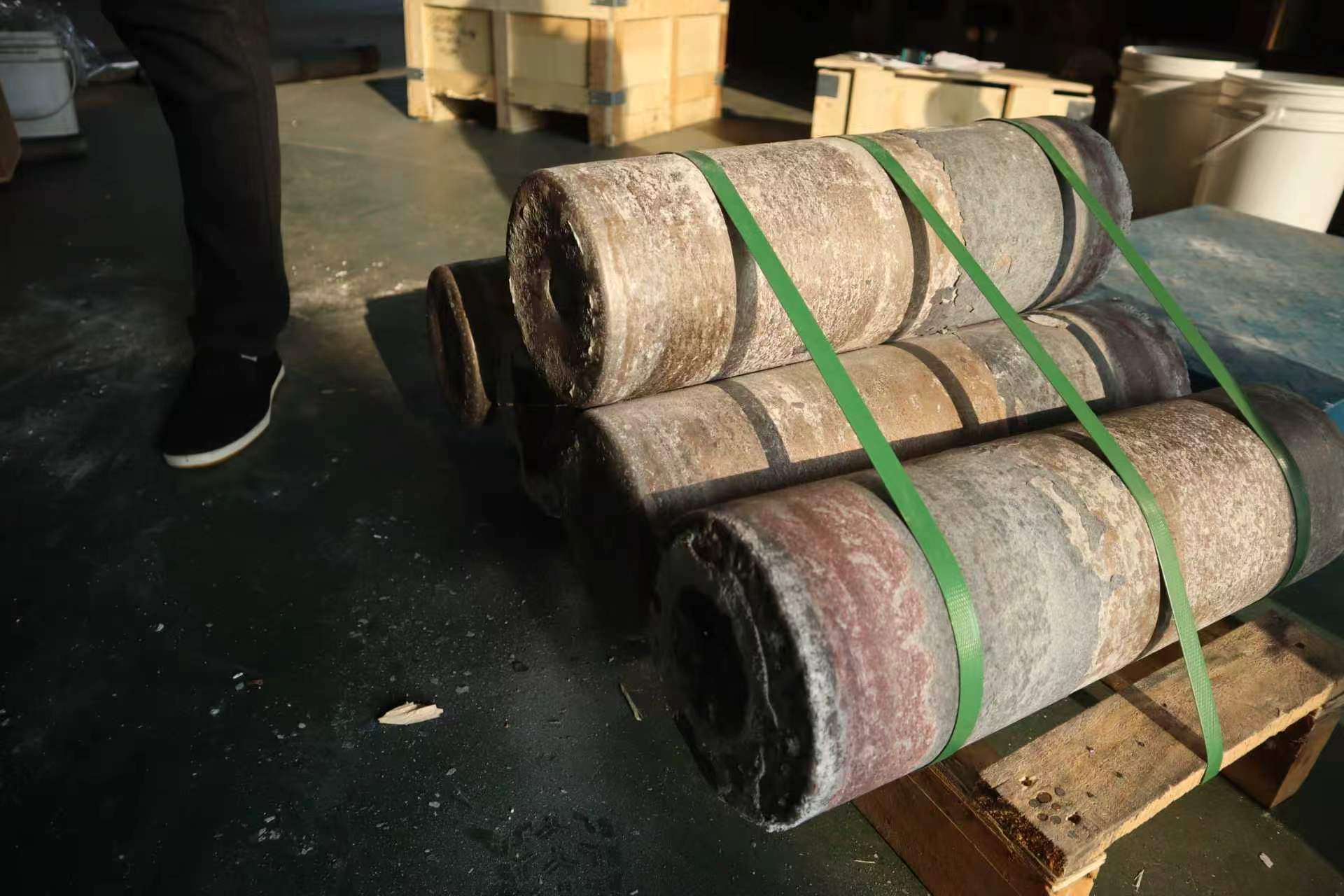
Qingchuan adopts a double process of vacuum induction melting (VIM) + electroslag remelting (ESR), removing gas impurities (such as H, O content ≤10ppm) through VIM, and further purifying through ESR to control the fluctuation range of alloy composition within ±0.05%. For example, in Haynes230, the key element tungsten (W) content is strictly controlled at 13-15%, and the carbon (C) content must be ≥0.05% to ensure the high-temperature creep strength meets the standard.
2. Directed solidification and single crystal technology breakthrough in tissue control
For complex structures like turbine blades, Qinchuan masters directional solidification and single crystal casting techniques, achieving the growth of columnar or single crystal structures through controlling temperature gradients (≥100℃/cm) and cooling rates (≥50℃/s), significantly enhancing the high-temperature creep strength of the material. For instance, after directional solidification treatment, the K418 alloy's creep fracture strength at 980℃ for 1000 hours is increased to 31MPa, a 20% improvement over traditional processes.
3. Hot Isostatic Pressing (HIP) eliminates micro-porosity
In response to casting defects, Qinchuan introduces hot isostatic pressing technology, treating castings under conditions of 1200℃ and 150MPa to achieve densification, reducing the micro-porosity rate from 3% to below 0.1%. Simultaneously, it maintains the uniform distribution of γ' strengthening phase (Ni₃(Al,Ti)), ensuring that the material retains over 15% room temperature elongation after long-term aging.
Section 2: Production Capacity: Emphasizing both Scale and Customization
1. Complete product line coverage
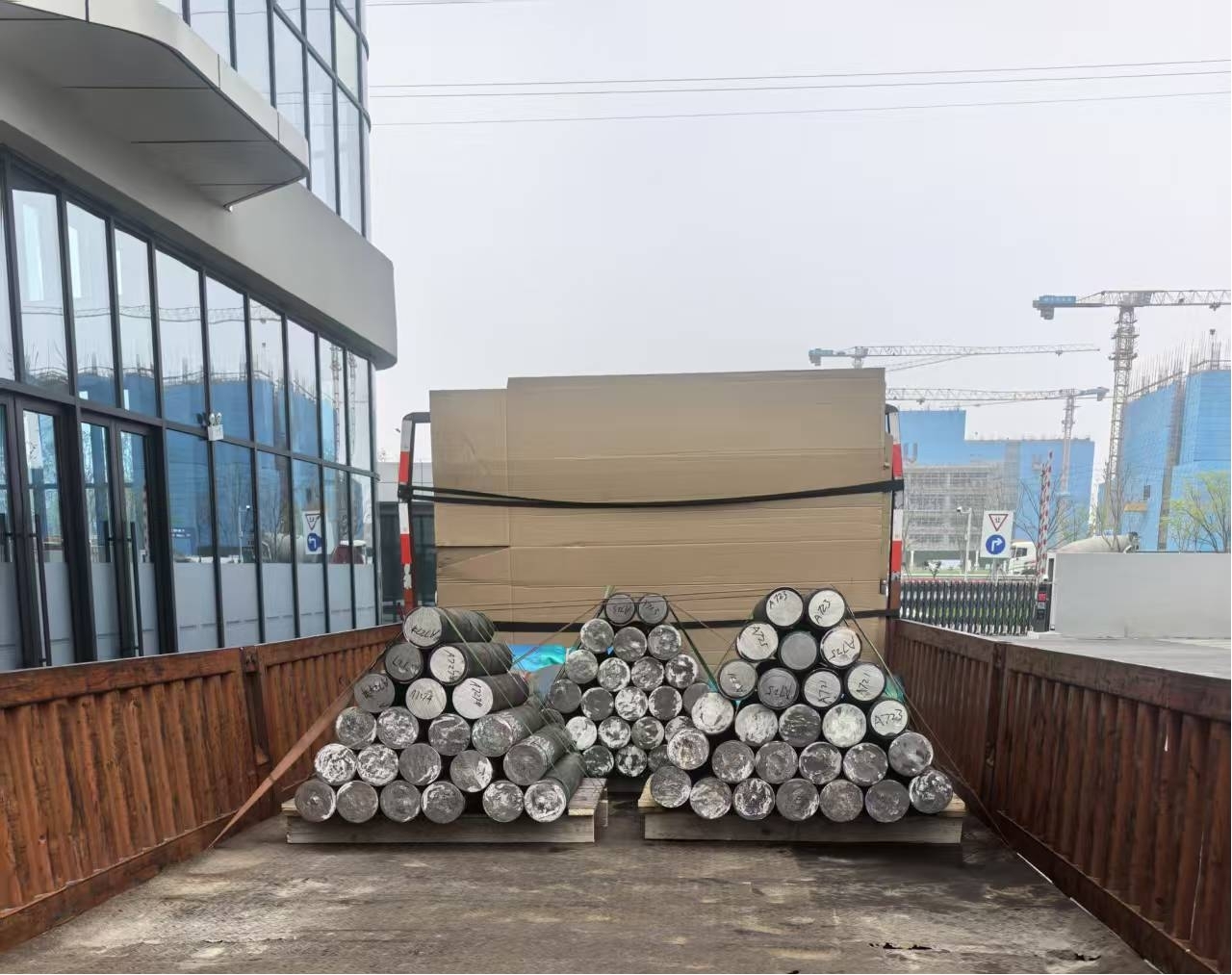
Qingchuan has the full-process production capacity from master alloy billets to precision castings, with product forms including sheets (ASTM B435), tubes (ASTM B622), forgings (ASTM B564), and complex structural parts (such as turbine blades, turbocharger wheel disks). Among them, Haynes230 sheets have a thickness range of 0.5-100mm, and tubes have an outer diameter of 6-300mm, both of which have passed the ASME SB series standard certification.
2. Small batch customization service
In response to the research and development trial production needs of industries such as aerospace and gas turbines, Qingchuan offers "turnkey" services. Customers only need to provide 3D models, and we can complete the full process delivery from mold design, shell making, casting to post-treatment. For instance, a certain aviation engine company entrusted Qingchuan to develop a type of turbine blade, which took only 3 months from prototype trial production to mass production, shortening the cycle by 50% compared to the traditional model.
3. Intelligent Quality Control System
The production workshop is equipped with a spectrometer, ultrasonic testing equipment (UT), and grain size rating system, achieving full-process quality traceability from raw material entry to finished product delivery. For example, Haynes230 sheets must pass the 180° cold bending test under the ASTM B435 standard (bend core diameter = sheet thickness) to ensure no cracks; tubes must meet the 0.8mm flaw indication limit under the AMS 2630 standard.
Section 3: Industry Applications: From Domestic Replacement to Technological Leadership
1. Aerospace field: Breakthrough in domesticization of turbine blades
Qinchuan K418 alloy turbine blades have successfully replaced imported products, applied to a certain type of aviation engine. They can withstand 120MPa centripetal stress at a high temperature of 900°C, and have operated for over 5000 hours without any failure. Compared with Inconel 713C, they have improved 15% in high-temperature endurance strength and reduced costs by 30%.
2. Energy Power Generation Field: Gas Turbine Combustion Chamber Lining
For the high-temperature corrosion environment of heavy-duty gas turbines, Qinchuan has developed an integrated solution of Haynes230+ thermal barrier coating, forming a 0.5mm thick Al₂O₃+Cr₂O₃ composite oxide layer on the liner surface through plasma spraying technology, reducing the oxidation rate of the material under 1150℃ cyclic oxidation conditions to 0.3mm/year, extending the service life by 3 times compared to uncoated materials.
3. Chemical Industry Field: Lining of High-Temperature Reactor
In a high-temperature cracking reactor of a petrochemical company, Qinchuan Haynes 230 lining successfully withstood a 1000℃ hydrogen sulfide corrosion environment. After 5 years of continuous operation, the corrosion rate was only 0.2mm/year, a reduction of 40% compared to traditional Hastelloy C-276, significantly reducing the frequency of shutdown and maintenance.
Conclusion: Technology-driven, empowering high-end manufacturing
Qinchuan New Materials has established a complete technical system from material research to precision manufacturing through core technologies such as multi-stage melting, directional solidification, and hot isostatic pressing. Its Haynes230 series products not only meet international standards in performance but also provide high-cost-performance domestic solutions for aerospace, energy generation, and chemical industries through customized services and rapid response capabilities. In the future, with the introduction of additive manufacturing technologies such as 3D printing, Qinchuan is expected to further expand the application boundaries of Haynes230 in complex structural components, promoting the evolution of high-end equipment manufacturing towards higher efficiency and lower costs.