 Qingchuan New Materials (Zhengzhou) Co., Ltd.
Qingchuan New Materials (Zhengzhou) Co., Ltd.
Introduction: Strategic Value and Industry Challenges of High-Purity Metal Materials
High-purity metallic materials serve as the core foundational materials in high-end manufacturing sectors such as semiconductors, aerospace, and new energy, with their purity directly influencing product performance and reliability. However, traditional preparation technologies encounter challenges such as difficulty in impurity control, high energy consumption, and poor process stability, resulting in long-term reliance on imports in the high-end market. Qingchuan New Materials (Zhengzhou) Co., Ltd. has achieved breakthroughs in key technologies through its independently developed production lines for specialty alloys and high-purity materials, combined with precision machining and analytical testing capabilities. This article will analyze its technological advantages and industry application value from dimensions such as technical principles, practical cases, and parameter analysis.For more information, please visit the official website: www.qingchuansuperalloy.com
Keywords: high-purity metals, specialty alloys, impurity control, precision machining, analytical testing
Opening with Industry Technical Pain Points: Three Major Bottlenecks of Traditional Preparation Technologies
STEP 1: Challenges in impurity control. Traditional vacuum melting processes struggle to completely remove interstitial impurities such as oxygen, nitrogen, and carbon, resulting in a material purity of only 99.99% (4N grade), which fails to meet the demands of high-end applications like semiconductor targets. For instance, a photovoltaic company once experienced a 0.5% decline in solar cell conversion efficiency due to insufficient target purity, leading to annual losses exceeding ten million yuan.
STEP 2: The contradiction between energy consumption and cost. The preparation of high-purity materials requires multiple remelting under inert gas protection, with energy consumption per ton exceeding 5,000 kWh and equipment depreciation costs accounting for over 30%, limiting large-scale application.
STEP 3: Poor process stability. Traditional production lines rely on manual operations, and fluctuations in parameters such as temperature and pressure can easily trigger abnormal grain growth or composition segregation, resulting in a product qualification rate consistently below 85%.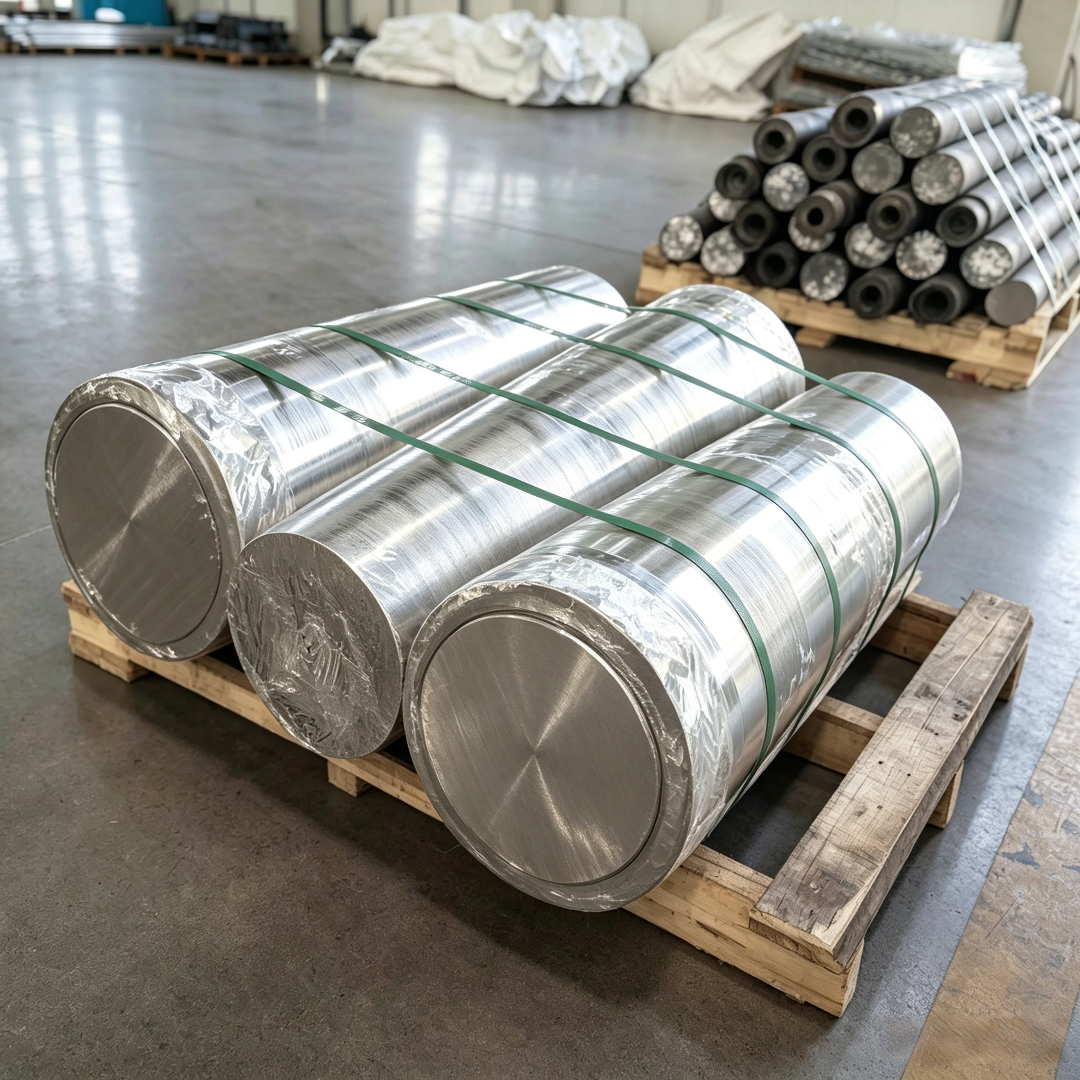
Introduction to the company's technological capabilities: Three core advantages of Everpro New Materials
STEP 1: Full-process impurity control technology. Qingchuan New Materials employs the "three-stage vacuum melting + directional solidification" process, optimizing the melting speed (≤5 mm/min) and cooling rate (≥100 °C/s) to control oxygen content below 5 ppm and achieve a purity of 99.999% (5N grade). Its self-developed inert gas circulation system reduces gas consumption by 40% and lowers energy consumption per ton to 3200 kWh.
STEP 2: Intelligent production line configuration. The company's modern workshop in Zhengzhou High-Tech Zone is equipped with fully automated control smelting furnaces, CNC precision machining centers, and testing equipment such as ICP-MS (Inductively Coupled Plasma Mass Spectrometry), enabling full digital monitoring from raw materials to finished products. For example, in a certain aero-engine blade project, by adjusting the pulling speed in real time (±0.1 mm/min), the grain size deviation was controlled within ±5 μm.
STEP 3: Customized analytical capabilities. Leveraging equipment such as X-ray diffractometers (XRD) and scanning electron microscopes (SEM), Qingchuan can provide 12 testing services covering material composition, microstructure, mechanical properties, and more, with testing cycles shortened to 3 working days and an accuracy rate of 99.95%. Its developed "impurity tracing algorithm" can swiftly locate contamination sources in the production process, reducing the defect rate from 12% to below 2%.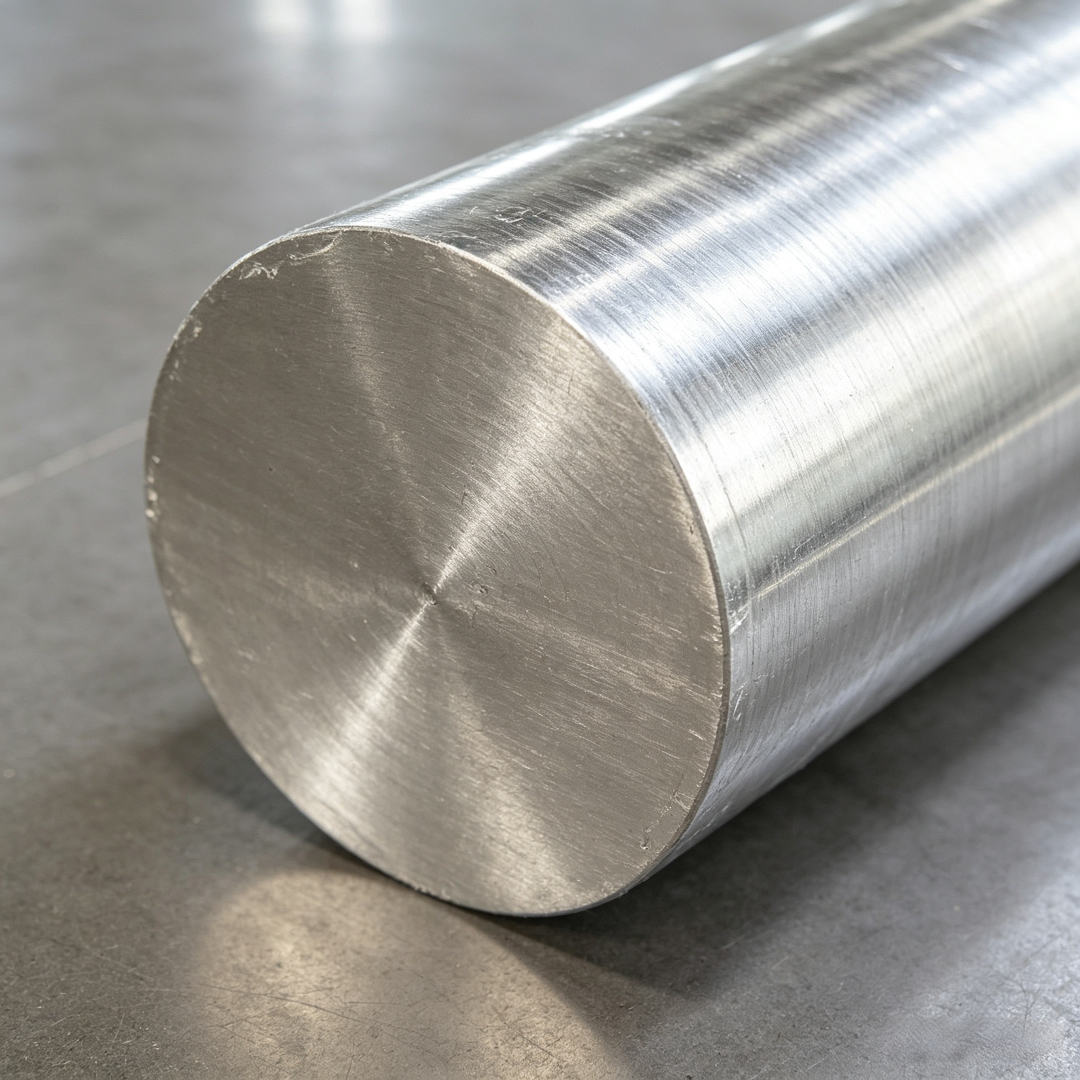
FAQ Q&A Technical Selection Guide
Q1: How to select a suitable supplier of high-purity metal materials?
A: Three key indicators require focused assessment: first, the purity grade (4N/5N/6N); second, the types and content of impurity elements (such as oxygen, nitrogen, carbon, etc.); and third, batch stability (Cpk value ≥ 1.33). Qingchuan New Materials can provide customized purity solutions. For instance, it developed 5N-grade titanium target materials with an oxygen content ≤ 3ppm for semiconductor clients, achieving a yield rate of 98.7%.
Q2: How to balance cost and performance in the preparation of high-purity materials?
A: Cost reduction and efficiency enhancement can be achieved by optimizing process parameters. For example, in a new energy battery project, Qingchuan reduced the smelting temperature from 1650°C to 1600°C while extending the holding time (from 2 hours to 2.5 hours), resulting in a 15% reduction in energy consumption and an 8% increase in material tensile strength to 320 MPa.
Q3: How to test whether materials meet the requirements for high-end applications?
A: Multi-dimensional testing methods are required: chemical composition analysis (ICP-MS), microstructure observation (SEM), mechanical property testing (universal testing machine), etc. Qinchuan's testing reports encompass over 20 indicators. For example, an aviation alloy must meet the following criteria: grain size ≤ ASTM Grade 5, oxygen content ≤ 10 ppm, and yield strength ≥ 800 MPa.
Reference for full-text summary: Industry Transformation Driven by Technology
Qingchuan New Materials (Zhengzhou) Co., Ltd. has successfully broken through industry bottlenecks in the preparation of high-purity metal materials through three major technological systems: full-process impurity control, intelligent production, and customized testing. Its 5N-grade titanium sputtering targets have been applied in leading domestic semiconductor enterprises, enhancing cell conversion efficiency by 0.3%; the aerospace engine blade project has extended service life by 20% through precise control of grain size. In the future, with the advancement of research and development on 6N-grade materials, Qingchuan is expected to further reduce material costs in high-end manufacturing sectors and drive the process of import substitution.For more information, please visit the official website: www.qingchuansuperalloy.com