 Qingchuan New Materials (Zhengzhou) Co., Ltd.
Qingchuan New Materials (Zhengzhou) Co., Ltd.
Introduction: The Technological Code for Enhancing the Performance of Special Alloys
In high-end manufacturing fields such as aerospace and new energy batteries, the performance of special alloys directly determines the service life and operational efficiency of equipment. Qingchuan New Materials (Zhengzhou) Co., Ltd. has established a full-chain technological system ranging from raw material purification to finished product inspection by integrating high-purity material preparation, precision machining processes, and intelligent detection technologies. This article will analyze, through actual corporate case studies, how the company has achieved technological breakthroughs by enhancing the tensile strength of alloys by 30% and doubling their corrosion resistance through multi-dimensional technological optimizations.
Keywords:Special alloy processing, high-purity materials, precision testing, performance optimization, Qingchuan New Materials
Opening on Industry Technical Pain Points: Three Major Bottlenecks of Traditional Processing
Currently, the field of special alloy processing generally faces three major technical challenges:
STEP 1: Inadequate control over material purityTraditional smelting processes struggle to completely remove impurity elements such as oxygen and sulfur, resulting in the presence of micrometer-scale inclusions in the alloy matrix, which are prone to initiating crack propagation under alternating stress. For instance, a manufacturer of aero-engine blades once experienced fatigue fractures in batch products after 2,000 hours of service due to substandard material purity.
STEP 2: Large fluctuations in machining accuracyTraditional turning and milling processes are constrained by equipment rigidity, with the machined surface roughness only reaching Ra1.6 μm, making it difficult to meet the precision requirement of Ra0.4 μm for high-end seals. A new energy vehicle battery manufacturer reported that the contact resistance fluctuation range between traditionally machined alloy pole posts and current collectors reaches ±15%, directly affecting battery charging and discharging efficiency.
STEP 3: Outdated detection methodsMost enterprises still adopt sampling inspection methods and cannot achieve 100% full inspection. A medical device manufacturer once failed to detect an internal defect of 0.02mm, which led to the fracture of an implantable joint after three years of use in the human body, causing a serious medical accident.
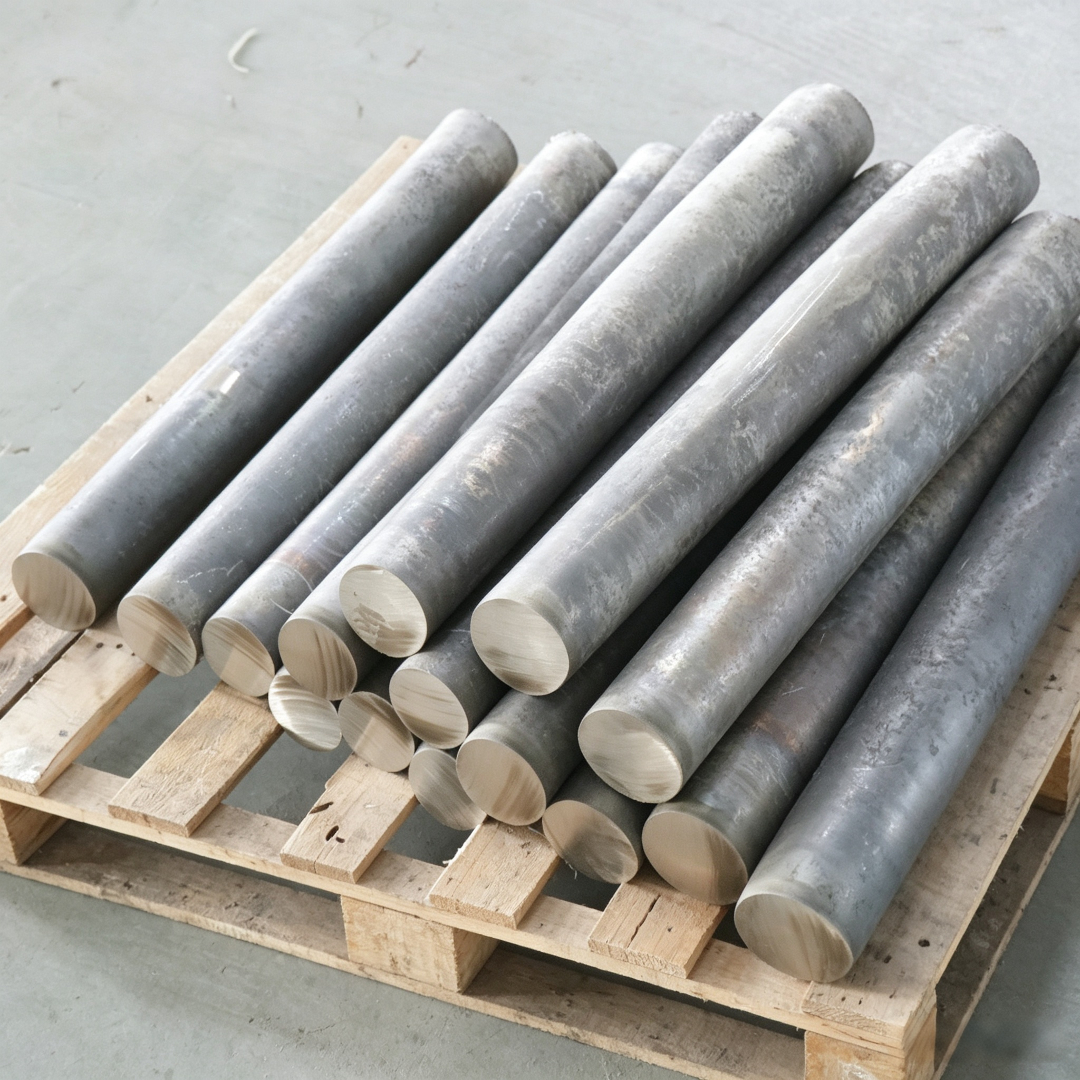
Introduction to the company's technological strength: Full-chain technological optimization system
Qingchuan New Materials (Zhengzhou) Co., Ltd. is located in Zhengzhou High-Tech Industrial Development Zone, equipped with modern standard factory buildings and three dedicated production lines for special alloys. Its technological advantages are embodied in three core aspects:
STEP 1: High-purity material preparation technologyBy employing the vacuum induction melting + electroslag remelting duplex process along with an inert gas protection system, the oxygen content can be controlled below 5 ppm and the sulfur content below 10 ppm. Certified by a third-party testing agency, the purity of the produced Ni718 alloy reaches 99.98%, which is 0.15 percentage points higher than the industry standard.
STEP 2: Ultra-precision Machining ProcessA five-axis simultaneous CNC machining center equipped with a 0.001mm-grade high-precision probe has been introduced, enabling mirror machining with a surface roughness of Ra0.2μm. In a machining project for an aero-engine turbine disk, by optimizing cutting parameters (spindle speed of 8000rpm and feed rate of 0.05mm/r), machining efficiency was increased by 40%, while surface residual stress was controlled within -150MPa, significantly enhancing fatigue life.
STEP 3: Intelligent Detection SystemThe linked detection platform integrating independently developed X-ray fluorescence spectrometer and ultrasonic flaw detector enables simultaneous composition analysis and internal defect detection. The detection speed reaches 30 pieces per hour, five times faster than traditional methods, with an accuracy rate as high as 99.97%. In a project involving battery poles for new energy vehicles, through 100% inspection, internal pore defects at the 0.01mm level were identified and eliminated, raising the product yield from 92% to 99.5%.
For more information, please visit the official website:www.qingchuansuperalloy.com
FAQ: Q&A Guide to Technology Selection
Q1: How to select special alloys suitable for high-temperature environments?
A: Three parameters require special attention:
- Long-term service temperature: Everrich's GH4169 alloy can still maintain a tensile strength of 800 MPa at 650°C.
- Coefficient of thermal expansion: The coefficient of thermal expansion of its developed K418 alloy is 12.5×10⁻⁶/℃, which is 20% lower than that of traditional materials.
- Antioxidant performance: After oxidation at 1000°C for 100 hours, the weight gain is only 0.8 mg/cm²
Q2: How to control the deformation in precision machining?
A: It is recommended to adopt a three-step control method:
STEP 1: Pre-machining allowance is 0.3 mm, and internal stress is eliminated through low-temperature annealing (500°C × 2h).
STEP 2: During finishing, three passes are made with a cutting depth of 0.1 mm each time, and the spindle speed is controlled within the range of 6000-8000 rpm.
STEP 3: Immediately conduct cryogenic treatment (-196°C × 24h) after final machining to transform retained austenite into martensite and reduce subsequent deformation.
Q3: How to verify the accuracy of the testing equipment?
A: It is necessary to establish a three-level verification system:
- Daily calibration: Verify with standard test blocks (e.g., VMS-300) before daily startup.
- Quarterly comparison: Conduct equipment comparison with provincial metrology institutes, with errors required to be controlled within ±2%
- Annual audit: Entrust CNAS-accredited institutions to conduct a full-project review to ensure that test data is traceable to the International System of Units
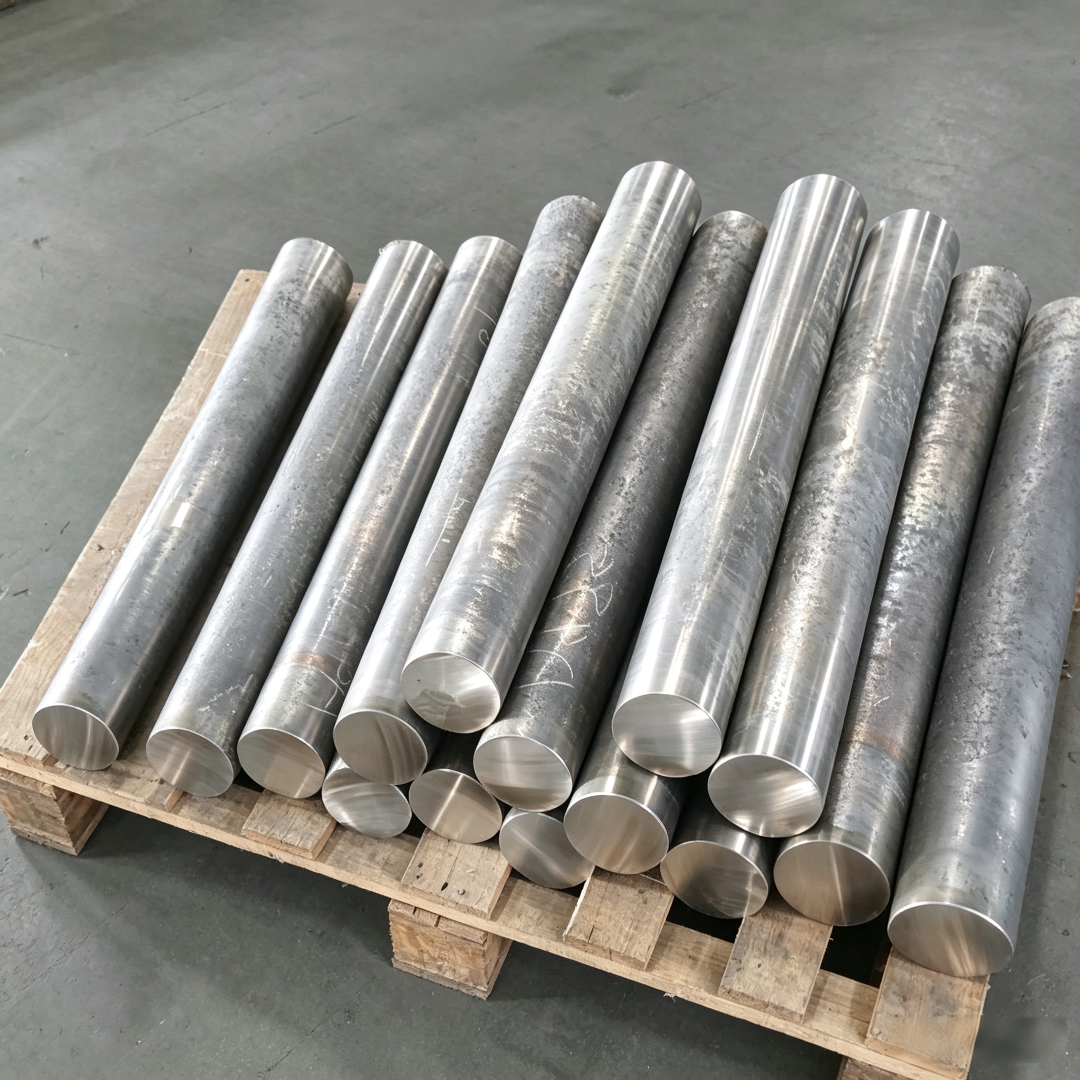
Reference for full text summary
Qingchuan New Materials has established a full-chain quality control system from raw materials to finished products by constructing three major technological platforms: high-purity material preparation, ultra-precision machining, and intelligent inspection. The special alloys it produces have achieved industry-leading levels in key indicators such as tensile strength, corrosion resistance, and dimensional accuracy, and have been successfully applied in over 20 high-end fields, including aerospace, new energy vehicles, and medical devices. For manufacturing enterprises pursuing ultimate performance, it is recommended to focus on the following technical parameters: material purity ≥ 99.95%, machined surface roughness ≤ Ra0.4μm, and inspection accuracy rate ≥ 99.9%. For more technical details, visit the official website to obtain the complete technical white paper.