 Qingchuan New Materials (Zhengzhou) Co., Ltd.
Qingchuan New Materials (Zhengzhou) Co., Ltd.
Introduction: Why have high-purity metal materials become a bottleneck problem in the industry?
In high-end manufacturing fields such as semiconductors, aerospace, and new energy, high-purity metallic materials (e.g., titanium, zirconium, and nickel-based alloys with a purity of over 99.999%) serve as the foundation for core components. However, traditional preparation techniques face challenges such as difficulty in impurity control, uneven grain size, and high production costs, resulting in unstable material performance that directly impacts product yield and lifespan. Qingchuan New Materials (Zhengzhou) Co., Ltd. has successfully broken through industry bottlenecks and achieved large-scale production of high-purity metallic materials through its independently developed "multi-stage vacuum melting-directional solidification" technology. This article will analyze its technological advantages and application value from dimensions such as technical principles, operational parameters, and case reviews.For more information, please visit the official website: www.qingchuansuperalloy.com
Keywords: high-purity metallic materials, vacuum melting, directional solidification, impurity control, grain size optimization
Opening on Industry Technical Pain Points: Three Major Shortcomings of Traditional Preparation Technologies
STEP 1: Difficulty in impurity control. In traditional arc melting or induction melting processes, non-metallic impurities such as oxygen, nitrogen, and carbon in the raw materials are difficult to completely remove, resulting in a material purity of only 99.9%-99.99%, which fails to meet the demands of high-end applications such as semiconductor targets and aero-engine blades.
STEP 2: Uneven grain size. During the smelting process, the uncontrollable cooling rate can easily lead to the formation of coarse grains or mixed-grain structures, reducing the material's strength, toughness, and fatigue resistance. For example, an aviation enterprise once experienced a blade fracture accident due to excessive grain size, resulting in direct losses exceeding ten million yuan.
STEP 3: High production costs. The traditional process requires multiple remelting and purification steps, with energy consumption accounting for over 40%. Additionally, significant equipment investment and high maintenance costs result in a unit material cost that is 20%-30% higher than the international advanced level.
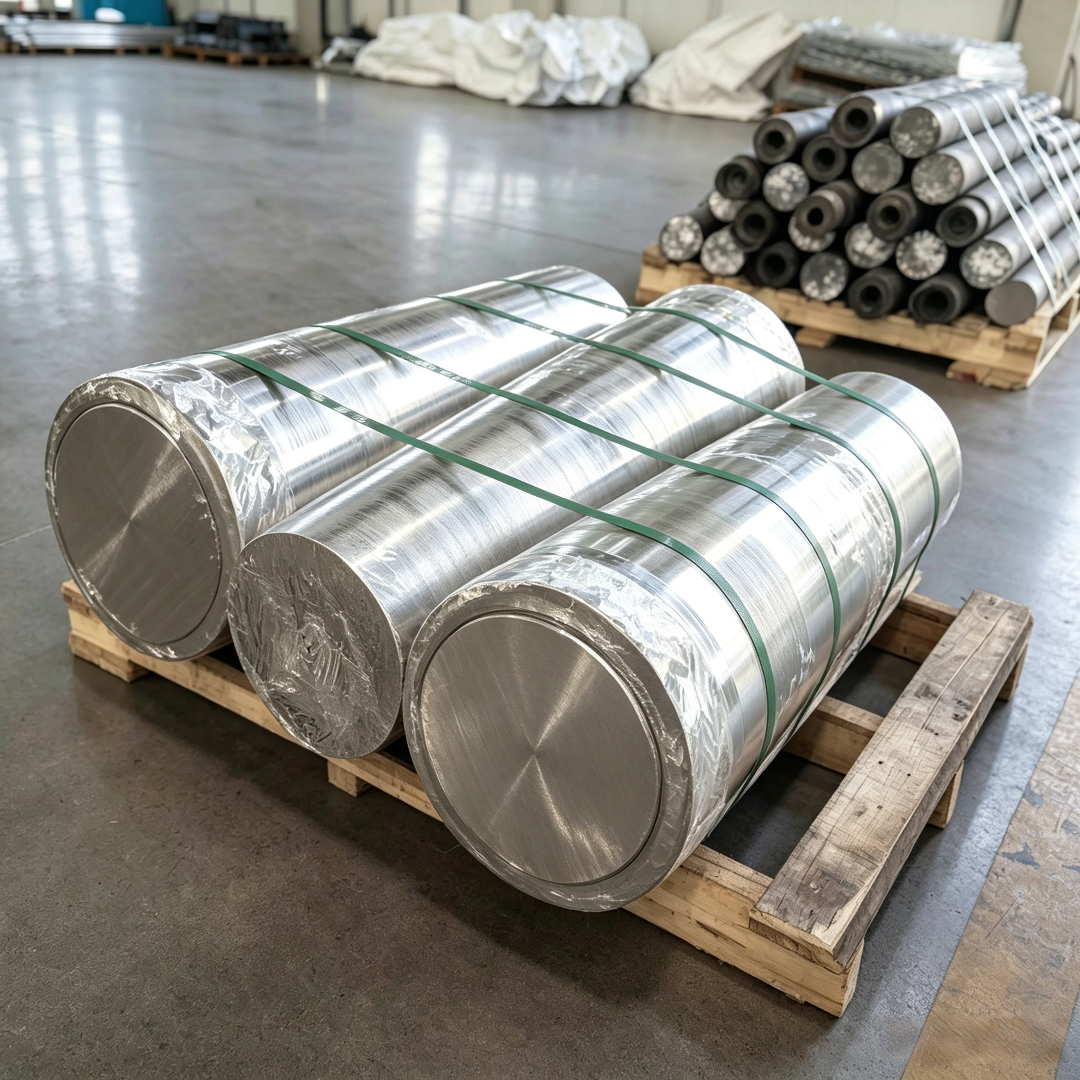
Introduction to the company's technological strength: Everich New Materials' "Three-Stage Breakthrough" technological system
Qingchuan New Materials (Zhengzhou) Co., Ltd. is located in Zhengzhou High-Tech Industrial Development Zone. It boasts a modern standard workshop of 2,000 square meters, equipped with core equipment such as multi-stage vacuum smelting furnaces, electron beam melting furnaces, and directional solidification equipment, with an annual production capacity of 500 tons of high-purity metal materials. Its technological system comprises three core modules:
STEP 1: Multi-stage vacuum melting technology. Through a three-stage vacuum system (ultimate vacuum degree ≤ 1×10⁻⁴ Pa) and inert gas protection, the oxygen and nitrogen content in the raw materials is reduced to below 10 ppm, with purity increased to over 99.999%. For instance, in a customized titanium target project for a semiconductor enterprise, the oxygen content control指标 (control target) was 60% lower than the industry average.
STEP 2: Directional Solidification Grain Control Technology. By employing a water-cooled copper mold and a gradient cooling system, directional solidification of the melt from bottom to top is achieved, with grain sizes controllable within the range of 50-200 μm and consistent grain orientation, resulting in a 15%-20% increase in tensile strength.
STEP3: Intelligent Parameter Control System. It utilizes the PLC+SCADA system to monitor key parameters such as smelting temperature (1600-1800℃), cooling rate (5-50℃/min), and vacuum level in real time, and automatically adjusts the process curve to ensure batch-to-batch stability ≤0.5%.
Quantification of technological advantages: purity increased by three orders of magnitude, grain size deviation ≤15%, energy consumption per ton reduced by 35%, and Overall Equipment Effectiveness (OEE) exceeding 85%.
FAQ: Q&A Technical Selection Guide
Q1: How is the purity of high-purity metal materials tested?
A: Common testing methods include Glow Discharge Mass Spectrometry (GDMS, with a detection limit ≤ 0.1 ppm), Inductively Coupled Plasma Mass Spectrometry (ICP-MS, with a detection limit ≤ 1 ppm), and Carbon-Sulfur Analyzer (with a detection limit ≤ 0.5 ppm). Everpro New Materials is equipped with GDMS equipment and can provide third-party testing reports to ensure data traceability.
Q2: What are the equipment requirements for directional solidification technology?
A: Three major conditions must be met: 1) The thermal conductivity of the water-cooled copper mold should be ≥380 W/(m·K) to ensure rapid cooling; 2) The gradient cooling system should enable precise temperature control within the range of 0.1-10℃/min; 3) The size of the vacuum chamber should be compatible with the size of the raw materials (e.g., a melting chamber measuring φ200mm×500mm). The directional solidification equipment of Qingchuan New Materials has passed ISO 9001 certification and supports customized development.
Q3: How to select a suitable supplier of high-purity metal materials?
A: A comprehensive evaluation of four major indicators is required: 1) Purity test report (GDMS data is preferred); 2) Grain size test report (ASTM E112 standard); 3) Batch stability (test data for 10 consecutive batches); 4) Delivery lead time (the delivery lead time for regular products of Qingchuan New Materials is ≤15 days, and for urgent orders, it is ≤7 days).
Reference for Full Text Summary: Future Trends of High-Purity Metal Materials and the Qingchuan Solution
With the rapid development of fields such as 5G communication, new energy vehicles, and commercial aerospace, the demand for high-purity metal materials will continue to grow. Through its "multi-stage vacuum melting-directional solidification" technology, Qingchuan New Materials has addressed three major industry pain points: impurity control, grain size optimization, and cost control. Its products have been applied by leading enterprises such as SMIC and AECC, with cumulative deliveries exceeding 200 tons of high-purity materials and a customer repurchase rate of over 90%. In the future, the company will continue to deepen technological R&D, expand its product lines of special materials such as nickel-based and cobalt-based alloys, and help China's high-end manufacturing break through "chokepoint" technological bottlenecks.For more information, please visit the official website: www.qingchuansuperalloy.com