 Qingchuan New Materials (Zhengzhou) Co., Ltd.
Qingchuan New Materials (Zhengzhou) Co., Ltd.
Qingchuan New Materials (Zhengzhou) Co., Ltd.
Qingchuan New Materials (Zhengzhou) Co., Ltd.
Qingchuan New Materials (Zhengzhou) Co., Ltd.
Technical Analysis: Core Characteristics and Manufacturing Process of Haynes 230 Alloy
Haynes 230 is a nickel-based superalloy widely used in aerospace, energy chemicals, and gas turbines industries due to its excellent oxidation resistance, heat corrosion resistance, and high-temperature strength. Its core components include nickel (Ni, matrix), chromium (Cr, 20-24%), molybdenum (Mo, 8-10%), and tungsten (W, 13-15%). Through solid solution strengthening and carbide precipitation strengthening mechanisms, it maintains high strength and creep resistance at 1093°C. Qinchuan New Materials employs vacuum induction melting (VIM) and electroslag remelting (ESR) double-refining process to ensure uniformity of alloy composition ≤0.05% and impurity content (such as S, P) ≤0.01%, meeting the ASTM B435 standard.
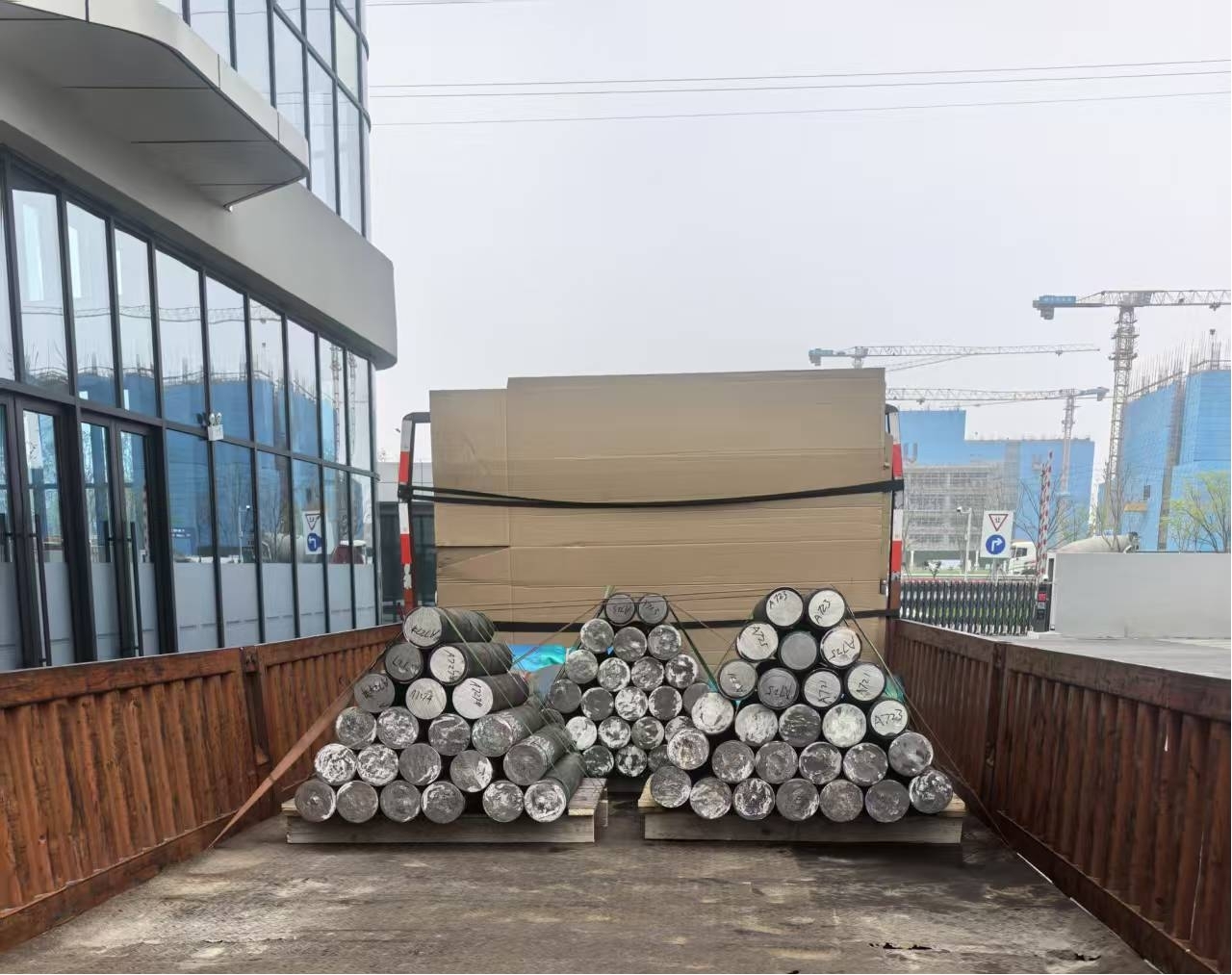
Enterprise Technology Layout: Full-chain capabilities from R&D to mass production
Qingchuan New Materials is located in the High-tech Zone of Zhengzhou, with modern standard workshops and special alloy dedicated production lines, equipped with imported German vacuum melting furnaces, hot isostatic presses (HIP), and CNC precision machining centers. Its technical team is led by a doctor of materials science, and the research and development center has established a joint laboratory with the Institute of Metal Research of the Chinese Academy of Sciences, focusing on the optimization of high-temperature alloy compositions and process innovation. For example, by adjusting the W/Mo ratio, an improved Haynes230-X with a temperature resistance increased by 50℃ has been developed, which has passed the 1000-hour high-temperature endurance test by a certain aeroengine manufacturer.
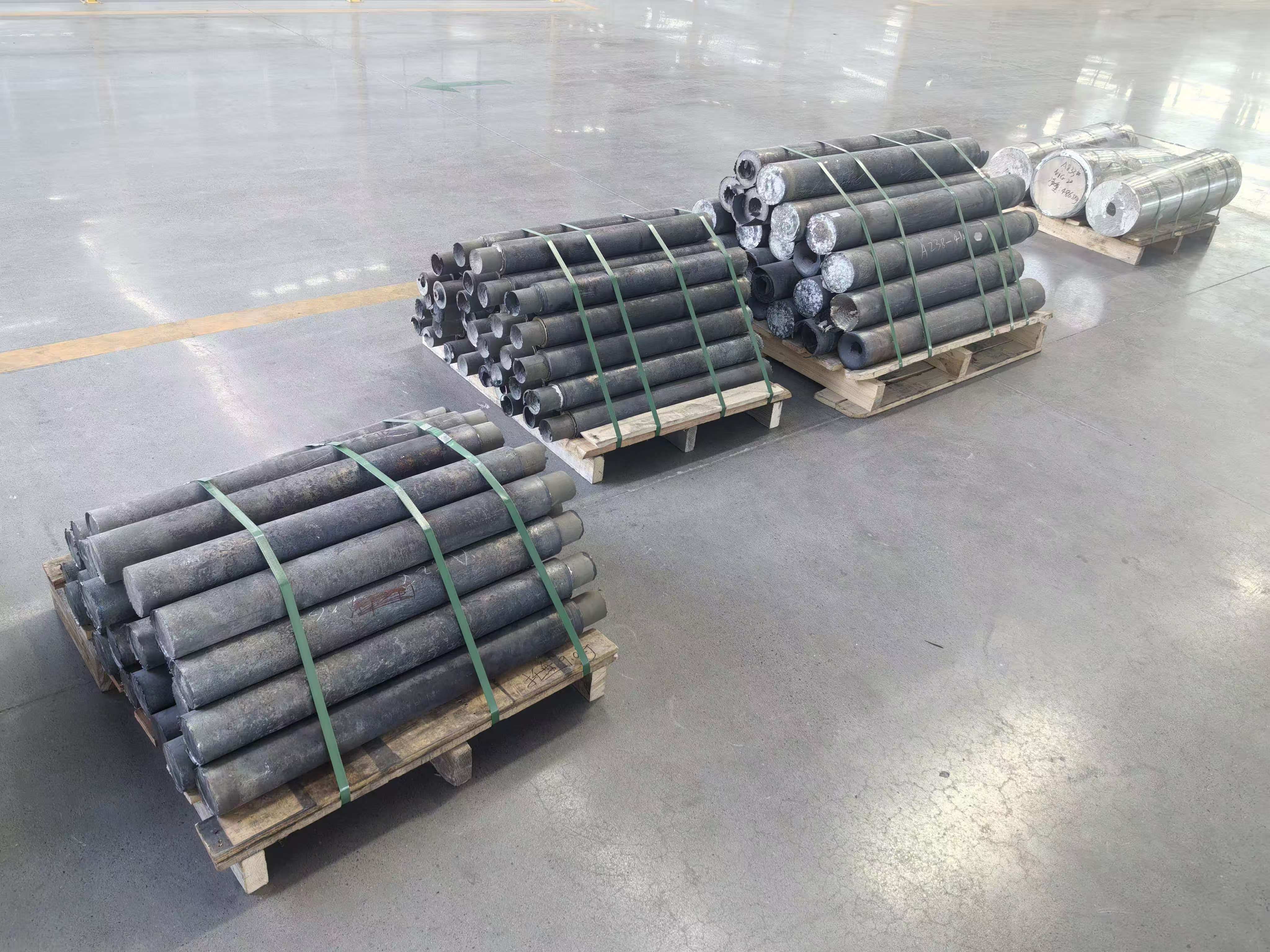
Practical Case: Manufacturing and Testing of Gas Turbine Combustion Chamber Components
In a gas turbine project of an energy company, Qinchuan New Materials undertook the manufacturing task of the combustion chamber liner in Haynes 230 alloy. The technical team first simulated the phase transformation behavior of the alloy at 1150℃ using JMatPro software, determining the optimal heat treatment process as 1220℃/2h solution treatment + 760℃/16h aging treatment. During the processing, a five-axis CNC milling with a surface roughness Ra≤0.8μm was used, and fluorescent penetration testing (PT) was employed to ensure no crack defects. The final component showed an oxidation scale thickness increase of ≤0.02mm/year in the 10,000-hour operation test, significantly better than the industry average (0.05mm/year).
Summary of Technical Advantages
Qingchuan New Materials achieves customized development of Haynes 230 alloy through an integrated technical system of "material design - process control - quality inspection". Its core advantages include: 1) component accuracy control up to ±0.02%; 2) traceable heat treatment process parameters; 3) full-process services from billet to finished product. Currently, the company has provided special alloy solutions to more than 20 domestic energy and aviation enterprises, and its products are exported to Southeast Asia and the Middle East.