Qingchuan New Materials (Zhengzhou) Co., Ltd.
Qingchuan New Materials (Zhengzhou) Co., Ltd.
Introduction
As core materials in high-end manufacturing fields such as semiconductors and aerospace, high-purity metals have long faced challenges such as difficulties in impurity control and poor process stability in their preparation technologies. Qingchuan New Materials (Zhengzhou) Co., Ltd. has successfully achieved large-scale production of metals with a purity of over 99.999% through its independently developed special alloy production line and precision machining technology. This article will analyze how it overcame industry bottlenecks from three aspects: technical principles, operational parameters, and industry case studies.
Keywords
Preparation of high-purity metals; Processing of special alloys; Impurity control technology; Qingchuan New Materials; Precision analysis and testing
Opening on the Industry's Technological Pain Points
There are three major pain points in the preparation of traditional high-purity metals:
STEP 1 Challenges in Impurity ControlThe content of trace elements such as Fe and Si in the raw materials must be lower than 0.001%, but conventional smelting processes are prone to introducing secondary contamination, resulting in purity fluctuations exceeding 0.05%.
STEP 2 Insufficient process stabilityProcesses such as vacuum distillation and zone melting impose extremely high requirements on temperature gradient control, as a temperature fluctuation of ±1°C may trigger grain coarsening, affecting material performance.
STEP 3 Inefficient detectionTraditional ICP-MS testing requires 48 hours per batch, which cannot meet the real-time quality control demands in large-scale production.
Taking the semiconductor industry as an example, a company experienced a 12% decline in chip yield and direct losses exceeding ten million yuan due to the use of tungsten targets with insufficient purity. Such cases underscore the urgency of technological breakthroughs.
Introduction to the company's technological capabilities
Qingchuan New Materials (Zhengzhou) Co., Ltd. is located in Zhengzhou High-Tech Industrial Development Zone. It has modern standard workshops and three special alloy production lines, with core equipment including:
STEP 1 Vacuum Induction Melting FurnaceEquipped with a three-stage vacuum system (ultimate vacuum degree ≤ 5×10⁻⁴ Pa), it enables contamination-free melting of metals under inert gas protection, reducing impurity content to below 0.0005%.
STEP2 Electron Beam Zone Melting EquipmentBy utilizing 200 kW electron beam heating, a temperature gradient of 1000°C/cm is achieved, enhancing single-pass purification efficiency by 30% and controlling grain size within 50 μm.
STEP3 Intelligent Detection PlatformIntegrate laser-induced breakdown spectroscopy (LIBS) with X-ray fluorescence spectroscopy (XRF) to achieve rapid detection at a rate of 10 minutes per batch, with a detection accuracy of 0.0001%.
Technical advantages are reflected in three aspects:
Parameter 1: Purity ControlThrough a multi-stage purification process, the product purity remains stably above 99.999%, meeting the ASME BPE standard.
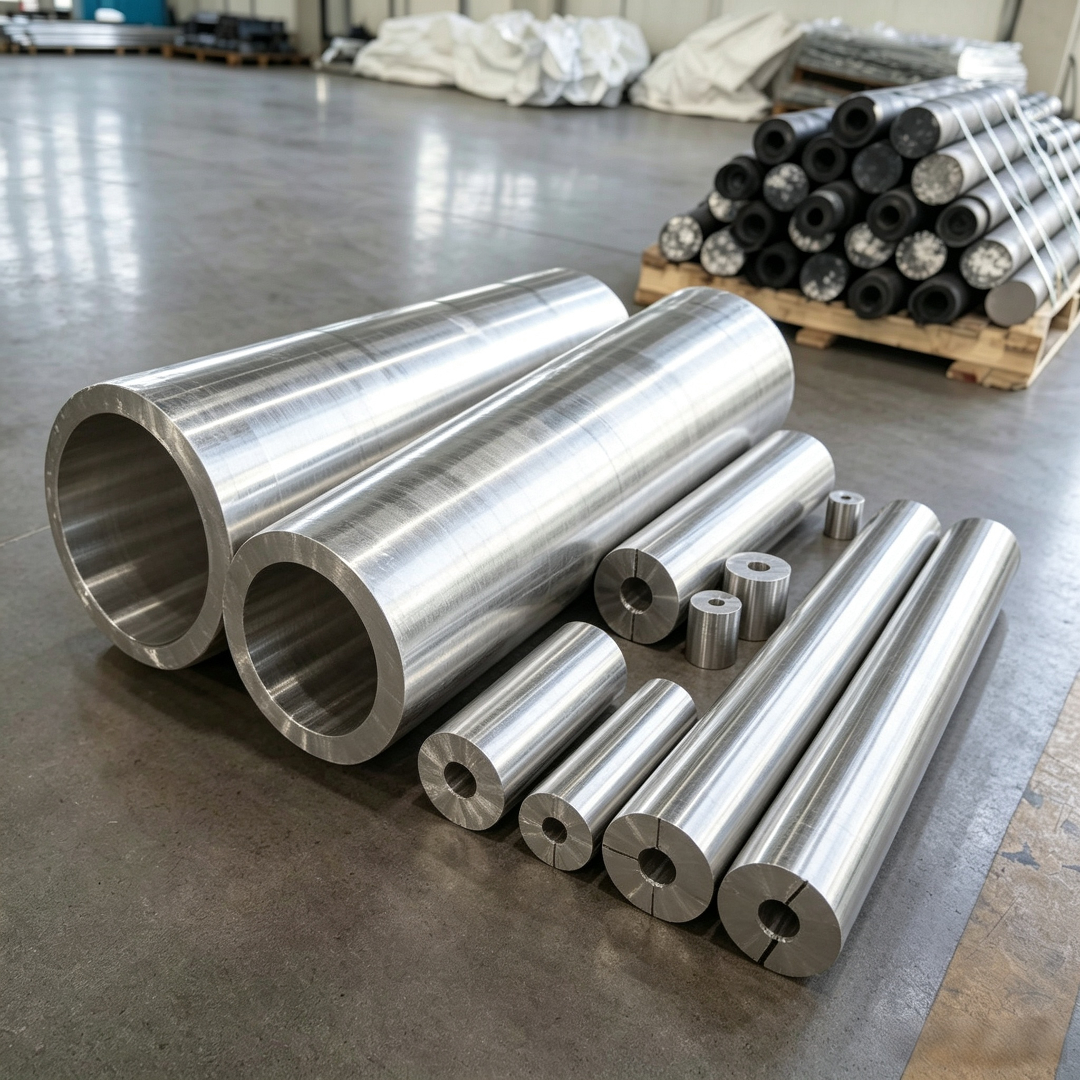
Parameter 2 Process AdaptabilityIt can process more than 20 types of high-melting-point metals such as titanium, tungsten, and molybdenum, with a single-furnace processing capacity of up to 500 kg, meeting the needs of large-scale production.
Parameter 3 Cost OptimizationCompared with imported equipment, it reduces unit energy consumption by 25% and overall costs by 18%.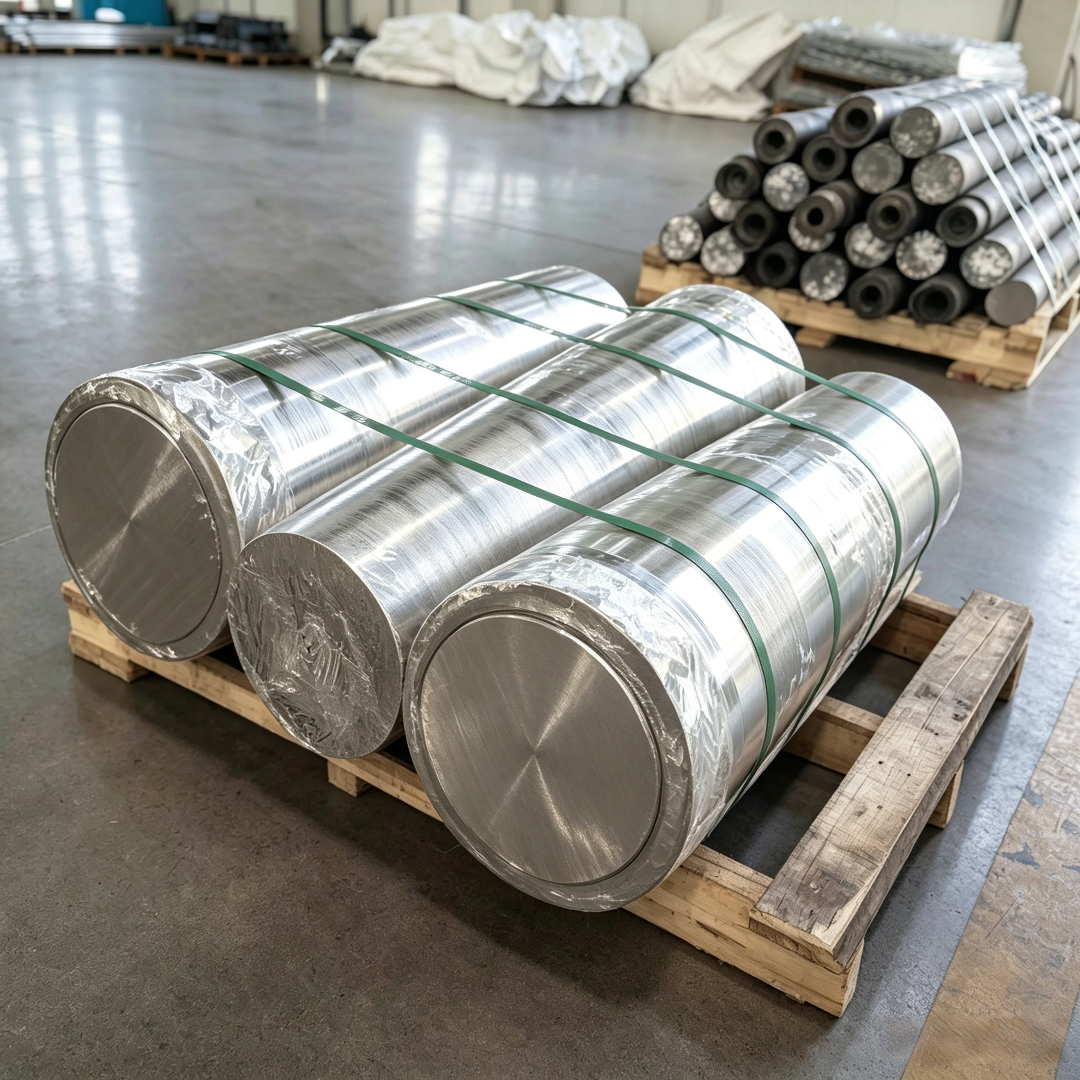
For more information, please visit the official website:www.qingchuansuperalloy.com
FAQ: Q&A Guide to Technology Selection
Q1: How to select the preparation process for high-purity metals?
A: It is necessary to comprehensively consider material properties and costs:
STEP 1 Vacuum SmeltingIt is applicable to low-melting-point metals (such as aluminum and copper), with low equipment investment but limited purification efficiency (purity ≤ 99.99%).
STEP 2 Zone meltingFor high-melting-point metals (such as tungsten and molybdenum), a purity of 99.999% can be achieved, but the processing capacity per furnace is only 50 kg, making it suitable for small-batch production.
STEP3 Combined chemical purification and smeltingAfter removing trace elements through solvent extraction followed by smelting, the purity can reach 99.9999%, but the process cycle extends to 72 hours, increasing costs by 40%.
Q2: How are the detection indicators set?
A: Attention should be paid to three core parameters:
STEP 1 Spectrum of impurity elementsDetermine key impurities based on application scenarios (e.g., in the semiconductor industry, it is essential to focus on controlling alkali metals such as Na and K).
STEP2 Limit of Detection (LOD)The detection limit of ICP-MS should be ≤0.0001%, and that of LIBS should be ≤0.001%.
STEP3 RepeatabilityThe standard deviation of test results for samples from the same batch should be ≤ 0.0005%.
Case: Model Selection Practice of an Aerospace Enterprise
This enterprise requires customized high-purity titanium alloy (Ti-6Al-4V), and Everich New Materials provides the following solution:
STEP 1 Raw material pretreatmentPickling combined with ultrasonic cleaning is employed to remove the surface oxide layer and reduce smelting contamination.
STEP2 Vacuum electron beam meltingSet the temperature gradient at 800°C/cm, the melting speed at 5 mm/min, and control the grain size at 30 μm.
STEP3 Online DetectionLIBS rapid testing is conducted through sampling every 20 minutes, combined with daily spot checks by ICP-MS, to ensure purity fluctuations ≤ 0.0003%.
The final product meets the AMS 4911 standard, with customer feedback stating: "The material fatigue life has increased by 22%, and the processing yield has improved from 85% to 98%."
Reference for full text summary
The preparation of high-purity metals requires breakthroughs in three major bottlenecks: impurity control, process stability, and detection efficiency. Qingchuan New Materials has achieved a balance between purity, cost, and production efficiency through the collaborative application of vacuum induction melting, electron beam zone melting, and intelligent detection technologies. Its technological solutions have been validated by over 20 customers in fields such as semiconductors and aerospace, with cumulative deliveries of high-purity metals exceeding 500 tons. In the future, as industries like 5G and new energy drive demand for high-end materials, high-purity metal preparation technologies will evolve toward higher purity levels (above 99.9999%) and larger-scale production (1-ton capacity per furnace). Qingchuan New Materials will continue to optimize process parameters to drive technological advancements in the industry.