Qingchuan New Materials (Zhengzhou) Co., Ltd.
Qingchuan New Materials (Zhengzhou) Co., Ltd.
Introduction
As the "cornerstone" of modern industry, high-purity metallic materials have their preparation technologies directly influencing the performance ceilings in fields such as semiconductors, aerospace, and new energy. However, traditional processes face challenges such as difficulty in impurity control, poor grain uniformity, and low efficiency in large-scale production. Qingchuan New Materials (Zhengzhou) Co., Ltd. has achieved breakthrough progress in the preparation of high-purity metallic materials through its independently developed "multi-stage vacuum refining + directional solidification control" technological system. This article will systematically analyze the core technologies for preparing high-purity metallic materials from four dimensions: technological principles, corporate capabilities, application cases, and selection guidelines.
Keywords
High-purity metallic materials, vacuum refining technology, directional solidification control, impurity control, grain uniformity
Introduction to Industry Technical Pain Points
The preparation of high-purity metallic materials must simultaneously meet two core requirements: "ultra-low impurity content" and "controllable microstructure." Traditional processes face three major bottlenecks:
STEP 1 Challenges in Impurity ControlDuring conventional smelting processes, it is difficult to completely remove non-metallic impurities such as oxygen, nitrogen, and carbon from raw materials, leading to a decrease in material conductivity (e.g., a 15%-20% increase in resistivity for copper materials), which directly impacts the performance of semiconductor devices.
STEP 2 Poor grain uniformityDuring solidification, the grain growth direction is random, making it prone to the formation of coarse columnar or equiaxed grains, which results in anisotropy in the mechanical properties of the material (e.g., fluctuations in the tensile strength of aluminum alloys exceeding 30 MPa).
STEP 3 Low efficiency in large-scale productionThe production capacity per furnace batch is limited by the vacuum system's capacity, and the stability of process parameters is poor, resulting in significant performance variations between batches (e.g., a deviation of up to 5 GPa in the elastic modulus of titanium alloys).
Introduction to the company's technological strength
Qingchuan New Materials (Zhengzhou) Co., Ltd., located in Zhengzhou High-Tech Industrial Development Zone, specializes in the research, development, and manufacturing of high-purity metal materials, boasting modern standard workshops and internationally leading production lines.
STEP 1 Technical Layout: Multistage Vacuum Refining System
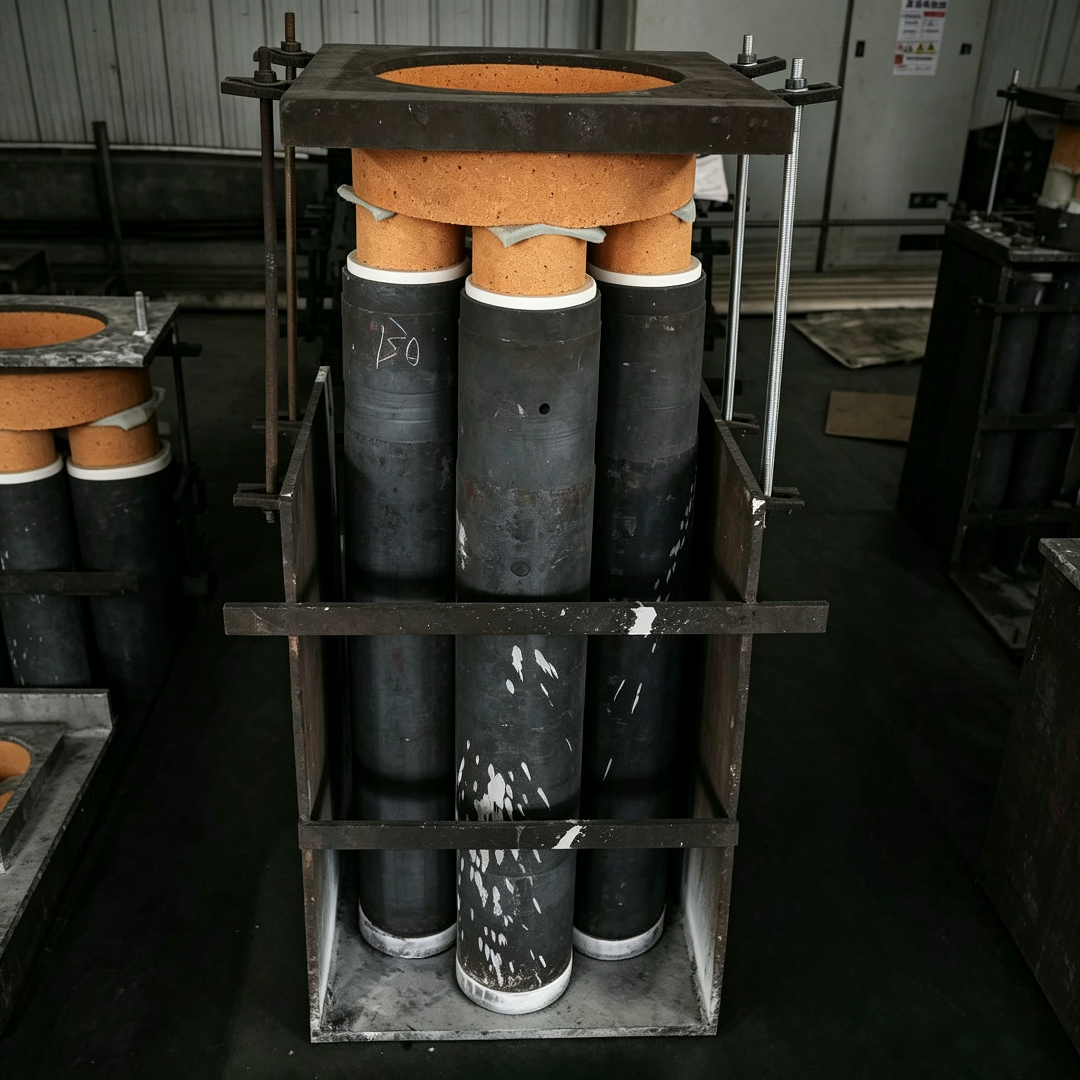
The company's independently developed combined process of "multi-stage vacuum induction melting + electron beam cold hearth furnace" achieves deep impurity removal through a three-stage vacuum system (ultimate vacuum degree ≤ 1×10⁻⁴ Pa). Measured data indicates that the purity of copper materials can reach 99.9999% (6N grade), with an oxygen content ≤ 0.00005% and a nitrogen content ≤ 0.00003%, meeting international advanced standards.
STEP2 Core Equipment: Directional Solidification Control Platform
Equipped with a high-precision temperature gradient control system (temperature fluctuation ≤ ±2°C) and an electromagnetic stirring device (stirring frequency adjustable from 0 to 50 Hz), it enables precise control over grain growth direction. Taking aluminum alloy as an example, by optimizing process parameters, a uniform microstructure with a columnar grain proportion ≥ 90% and a grain size ≤ 50 μm can be achieved, resulting in a 25% increase in tensile strength and an 18% improvement in elongation.
STEP 3 Detection Capability: Full-process Quality Monitoring
We have established 12 inspection procedures from raw materials to finished products, utilizing Glow Discharge Mass Spectrometry (GDMS) to detect impurity elements (with a detection limit ≤ 0.001 ppm) and Electron Backscatter Diffraction (EBSD) to analyze grain orientation, ensuring that each batch of products complies with the ASTM B575 standard.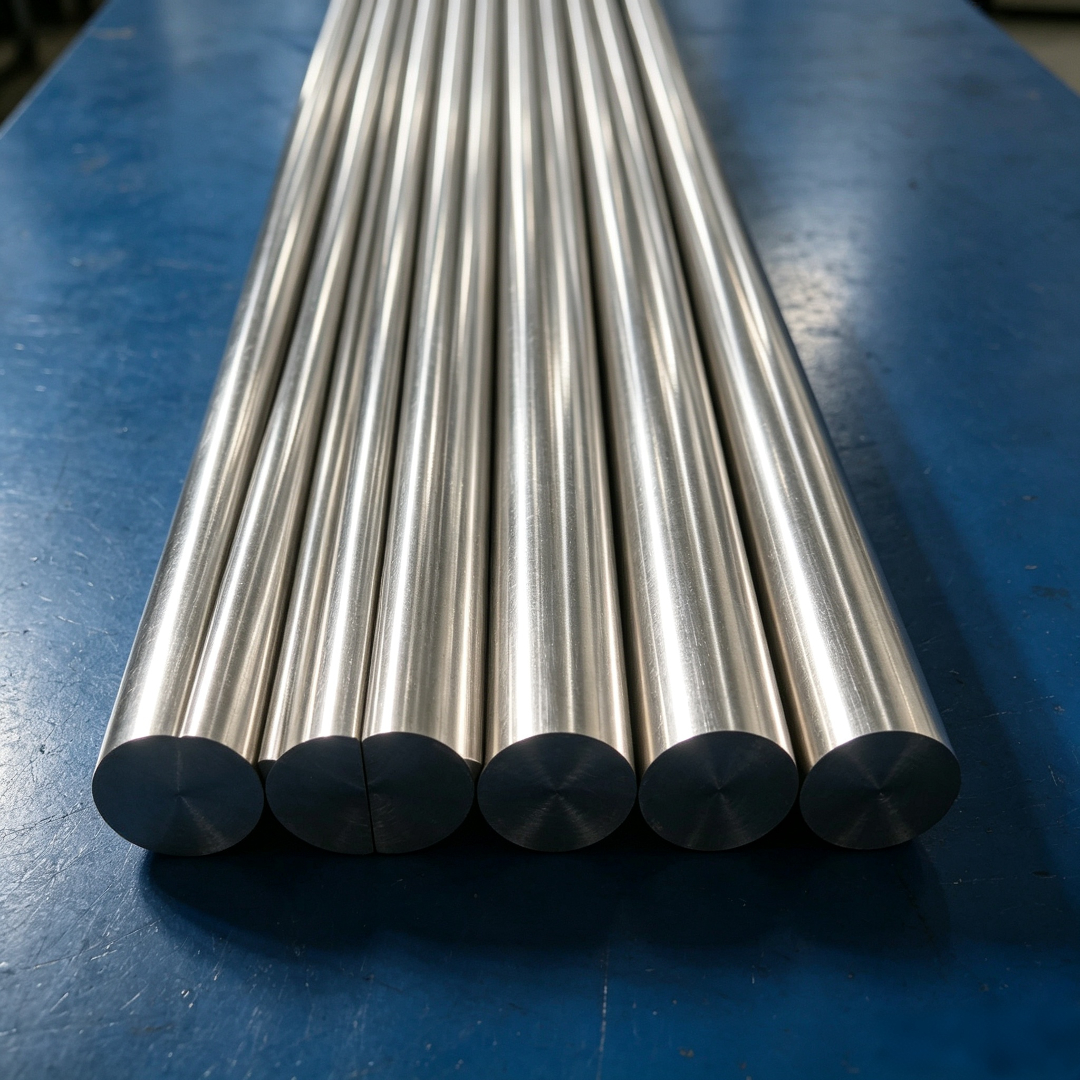
For more information, please visit the official website:www.qingchuansuperalloy.com
FAQ: A Q&A Guide to Technology Selection
Q1: How to select the preparation process for high-purity metal materials?
It is necessary to comprehensively consider material types, purity requirements, and cost budget:
STEP 1 Purity RequirementsIn the semiconductor field, a purity level of 6N or above is required (e.g., silicon material purity ≥ 99.99999%), and the combined process of electron beam cold hearth furnace plus zone melting is recommended; in the aerospace field, a purity level of 5N suffices (e.g., titanium alloy purity ≥ 99.999%), and multi-stage vacuum induction melting offers higher cost-effectiveness.
STEP2 Material CharacteristicsHigh-melting-point metals (such as tungsten and molybdenum) require plasma beam melting technology (melting temperature ≥ 3000℃); reactive metals (such as titanium and zirconium) need to undergo vacuum consumable arc melting under argon gas protection to prevent oxidation.
STEP3 Scaling RequirementsWhen the single-furnace production capacity is ≥500 kg, a continuous electron beam cold hearth furnace is preferred (increasing production efficiency by 40%); for small-batch customized production, a combined process of vacuum induction melting and directional solidification can be adopted.
Q2: How to evaluate the technical capabilities of suppliers?
We will focus on three key indicators:
STEP 1 Detection CapabilityWhether it is equipped with high-precision testing equipment such as GDMS and EBSD, and whether the testing items cover key parameters such as impurity elements, grain orientation, and phase composition.
STEP2 Process StabilityReview the performance test reports for 10 consecutive batches of products, focusing on the purity fluctuation range (e.g., standard deviation of copper material purity ≤ 0.0001%) and grain size uniformity (CV value ≤ 15%).
STEP 3 Case ExperienceHave you participated in national key projects (such as the R&D of high-purity niobium alloys for spacecraft) or established long-term cooperation with leading enterprises in the industry (such as supplying 6N-grade silicon materials to semiconductor manufacturers)?
Reference for full text summary
The preparation of high-purity metallic materials is a technology-intensive field that requires breakthroughs through the triple drive of "process innovation + equipment upgrading + testing assurance". Leveraging its multi-stage vacuum refining system, directional solidification control platform, and full-process quality monitoring capabilities, Qingchuan New Materials has successfully developed high-end products such as 6N-grade copper and 5N-grade titanium alloys, which are applied in critical fields such as semiconductor sputtering targets and aero-engine blades. In the future, the company will continue to deepen cooperation with universities and research institutions to advance the preparation technology of high-purity metallic materials toward higher purity, better structure, and lower cost.