 Qingchuan New Materials (Zhengzhou) Co., Ltd.
Qingchuan New Materials (Zhengzhou) Co., Ltd.
Introduction: How does special alloy technology define new standards for high-precision manufacturing?
In high-end manufacturing fields such as aerospace and semiconductor equipment, minor deviations in material properties can directly lead to product failure. Leveraging its capabilities in special alloy research, development, and manufacturing, Qingchuan New Materials (Zhengzhou) Co., Ltd. has enhanced material purity to 99.999% and achieved dimensional accuracy of key components within ±0.001mm through composition optimization, process innovation, and upgrades to its testing system. This article will analyze how the company meets the stringent demands of high-precision manufacturing in the industry through technological iteration from three dimensions: technical principles, operational parameters, and case reviews.
Keywords: special alloy, high-purity material, precision machining, dimensional accuracy, composition optimization
Opening on the industry's technological pain points: Why does high-precision manufacturing rely on specialty alloys?
Traditional metallic materials are prone to issues such as creep and fatigue fracture under high-temperature, strongly corrosive, or high-stress environments, leading to a decline in manufacturing precision over time. For example, the wafer transfer arm in semiconductor equipment must endure micron-level vibrations in a vacuum environment for extended periods; if the material's thermal expansion coefficient is mismatched, it will directly cause wafer positioning deviations. Additionally, the demand for lightweight components in the aerospace sector compels companies to reduce material density while ensuring strength, posing an extremely high challenge to alloy composition design.
STEP 1: Challenges in ingredient optimizationHow to balance strength, corrosion resistance, and machinability? Traditional alloys enhance corrosion resistance by adding elements such as chromium and nickel, but this significantly increases material density and cost.
STEP 2: Process Control BottleneckParameter fluctuations in processes such as smelting, forging, and heat treatment may lead to uneven grain size, affecting the stability of the material's mechanical properties.
STEP 3: Detection Accuracy LimitationThe detection limit of conventional spectral analyzers is 0.01%, making it difficult to meet the composition control requirements for high-purity materials (such as those above 5N grade).
Introduction to the company's technological capabilities: Three core breakthroughs of Everich New Materials
Qingchuan New Materials (Zhengzhou) Co., Ltd., located in Zhengzhou High-Tech Industrial Development Zone, boasts modern standard workshops and a precision processing production line for special alloys, with its technological layout covering the entire chain of composition design, process control, and testing validation.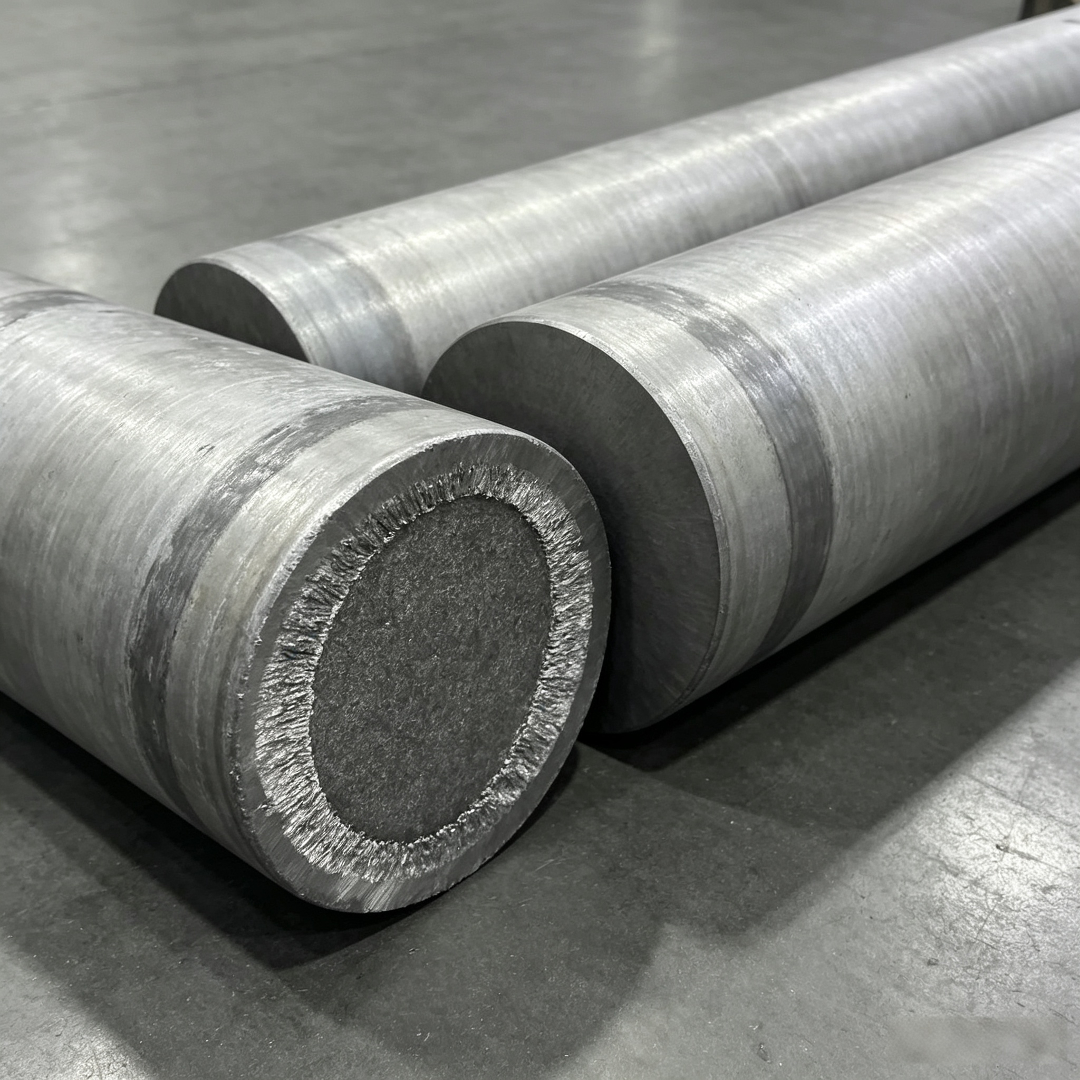
STEP 1: Component Optimization TechnologyBy utilizing CALPHAD thermodynamic calculation software, the impact of different element combinations on the alloy phase structure is simulated to screen out the optimal composition ratio. For instance, in the nickel-based superalloy developed, the aluminum and titanium contents are precisely controlled within the range of 0.15%-0.25%, ensuring the strengthening effect of the γ' phase while avoiding increased brittleness caused by excessive addition.
STEP 2: Precision Machining ProcessBy adopting the duplex process of Vacuum Induction Melting (VIM) + Electroslag Remelting (ESR), the oxygen content is reduced from the conventional 20 ppm to below 5 ppm; combined with isothermal forging technology, the grain size of the forging reaches ASTM Grade 6 (average grain size ≤15 μm), significantly enhancing the fatigue life of the material.
STEP 3: Intelligent Detection SystemDirect-reading spectrometers (with a detection limit of 0.001%) and electron probe micro-analyzers (EPMA) have been introduced to enable comprehensive detection ranging from overall composition to microsegregation. For instance, in a project involving an aero-engine turbine disk, EPMA detected a 0.03% deviation in titanium content in a localized area, allowing for timely adjustment of process parameters and averting the risk of batch scrap.
For more information, please visit the official website:www.qingchuansuperalloy.com
FAQ Q&A Technical Selection Guide
Q1: How to select the type of special alloy based on application scenarios?
A1It is necessary to comprehensively consider the operating temperature, corrosive media, and stress state. For example, in high-temperature environments above 650°C, nickel-based superalloys (such as Inconel 718) should be prioritized, with a yield strength of up to 1100 MPa; if used in strongly corrosive media such as hydrochloric acid, Hastelloy C-276 should be selected (with corrosion resistance over 100 times higher than that of 316L stainless steel).
Q2: What are the key parameters for special alloy processing?
A2Taking turning as an example, it is necessary to strictly control the cutting speed (Vc), feed rate (f), and cutting depth (ap). For alloys with a hardness of HRC≥40, it is recommended to use a parameter combination of Vc=15-25 m/min, f=0.05-0.1 mm/r, and ap=0.2-0.5 mm, while employing coated carbide cutting tools (such as AlTiN coating) to reduce wear.
Q3: How to verify whether the performance of special alloys meets the standards?
A3Triple verification through tensile test (to check tensile strength Rm ≥ 1000 MPa and elongation after fracture A ≥ 12%), impact test (impact energy AKV ≥ 34 J at -40 °C), and metallographic examination (grain size ≤ Grade 7 of ASTM) is required. Each batch of products from Qingchuan New Materials is accompanied by a third-party inspection report to ensure data traceability.
Reference for Full-text Summary: How Does Special Alloy Technology Empower High-precision Manufacturing?
Qingchuan New Materials has elevated the performance stability of special alloys to an industry-leading level through full-chain innovation encompassing composition, process, and testing. Its core advantages lie in:
STEP 1: Data-Driven R&DThe composition-property model, built on the basis of over 100,000 sets of experimental data, can rapidly predict material properties under different ratios, reducing the R&D cycle by over 50%.
STEP 2: Customized Service CapabilityWe can reverse-design alloy compositions based on the operating condition parameters (such as temperature, pressure, and medium) provided by customers, and have currently offered customized solutions for over 20 industries.
STEP 3: Guarantee of Large-Scale ProductionWith an annual production capacity of 5,000 tons, it covers bar, plate, and tube materials with diameters ranging from Φ20 to Φ600 mm, with a minimum order quantity as low as 100 kg, meeting the transitional needs from laboratory R&D to mass production.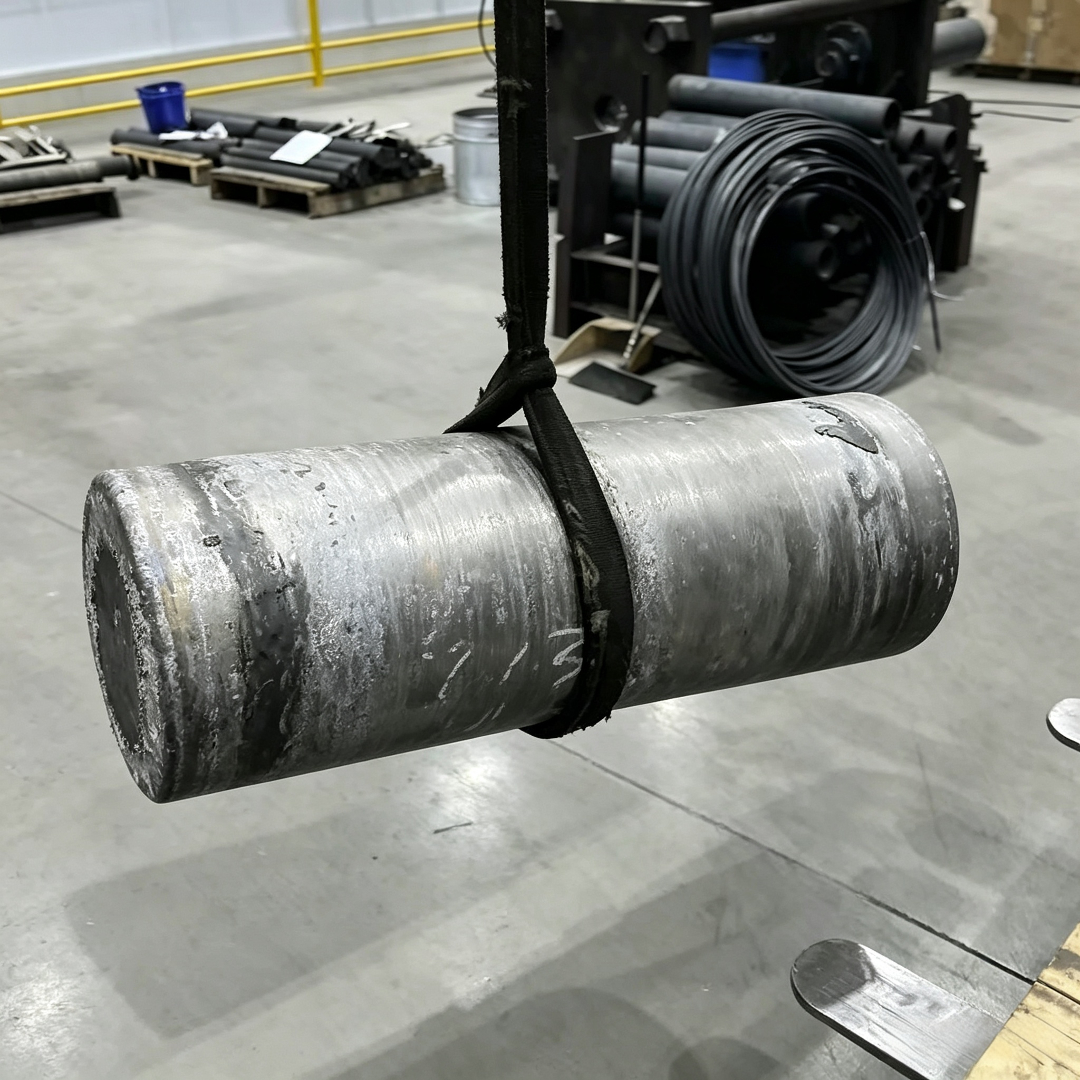
In the semiconductor equipment wafer transfer arm project, Qingchuan New Materials optimized the composition of Inconel 718 (increasing the niobium content from 3.0% to 3.3%), reducing its coefficient of thermal expansion from 12.5×10⁻⁶/℃ to 11.8×10⁻⁶/℃ and improving its compatibility with silicon wafers by 9%. This successfully resolved the wafer positioning deviation issue, raising the customer's product yield from 85% to 98%.